

Where Ancient Traditions are Preserved and Dynamic, Modern Cities Thrive.
Our much-anticipated family trip to Vietnam was our children’s real first introduction to travelling as opposed to previous trips that were single locations, mainly beach resorts or nice hotels with a pool. Zac was age 15, Brynie 11 and we felt it was time we threw a backpack on their backs and introduced them to the amazing world of travel where you learn things that can’t be taught in a classroom at school. We explained a Sense of Adventure would be required to get the most out of this month-long adventure and that became the mantra for our trip that started in Singapore, travelling the length of Vietnam and finishing in Cambodia. Click here to read about the Singapore leg of our trip.
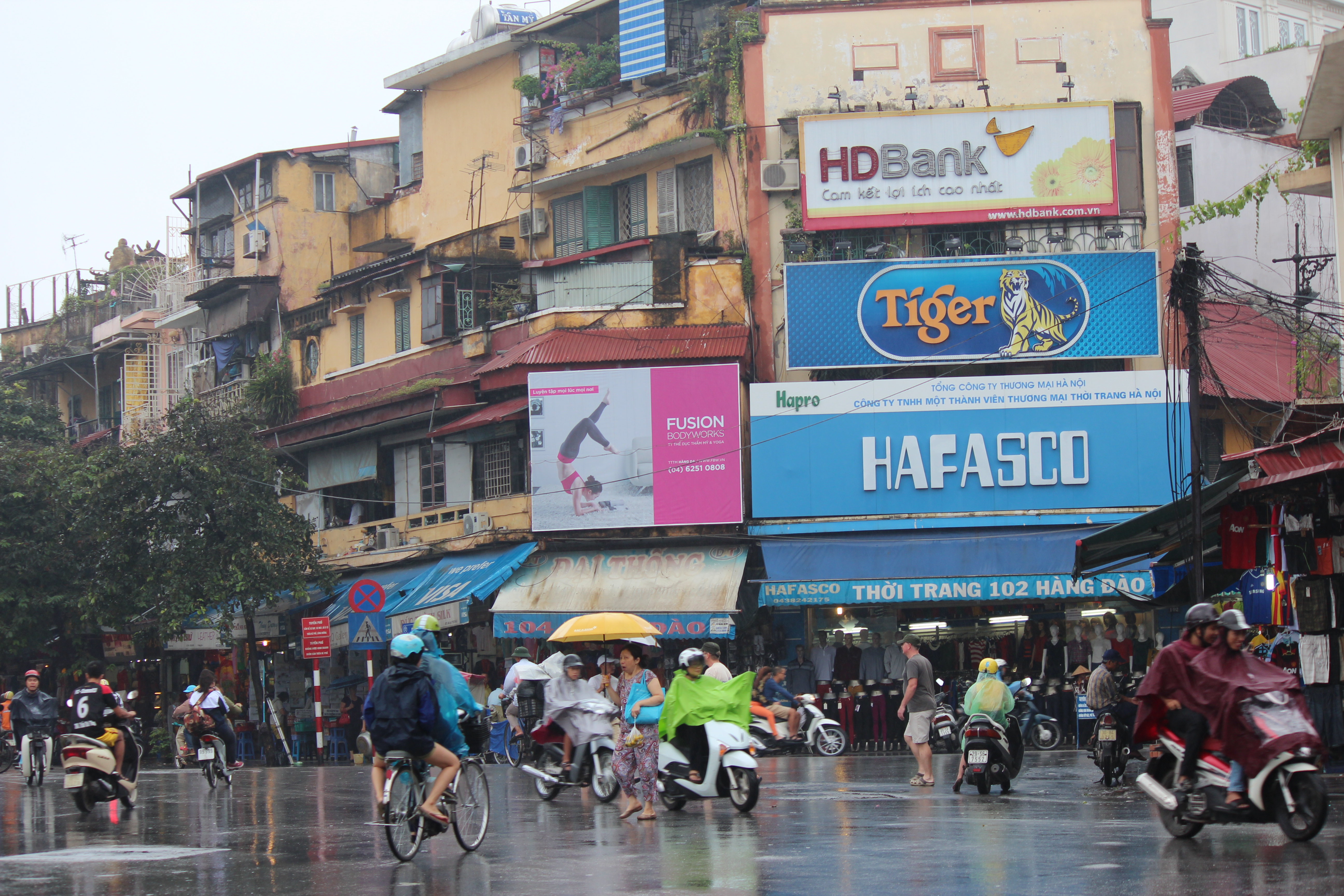
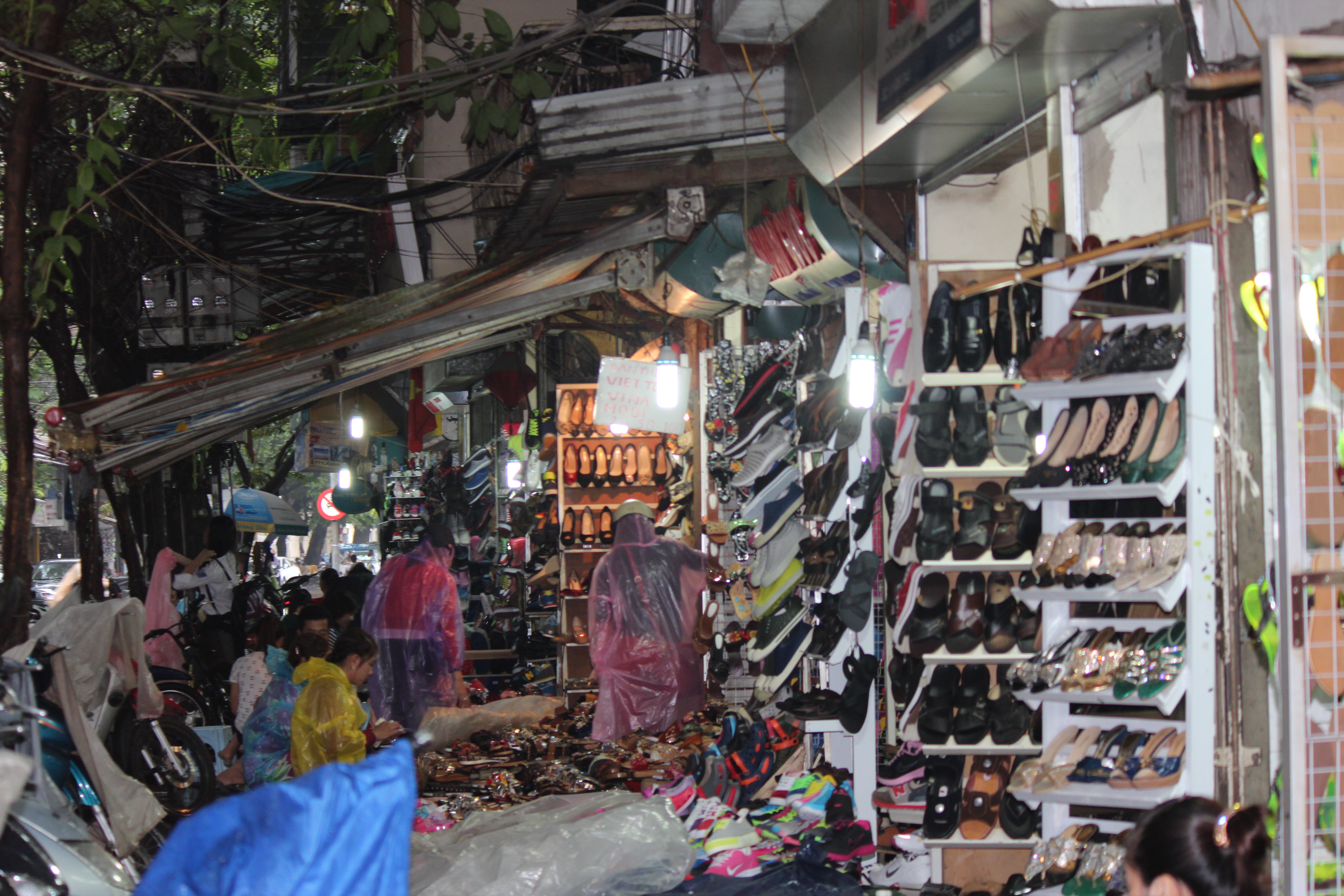
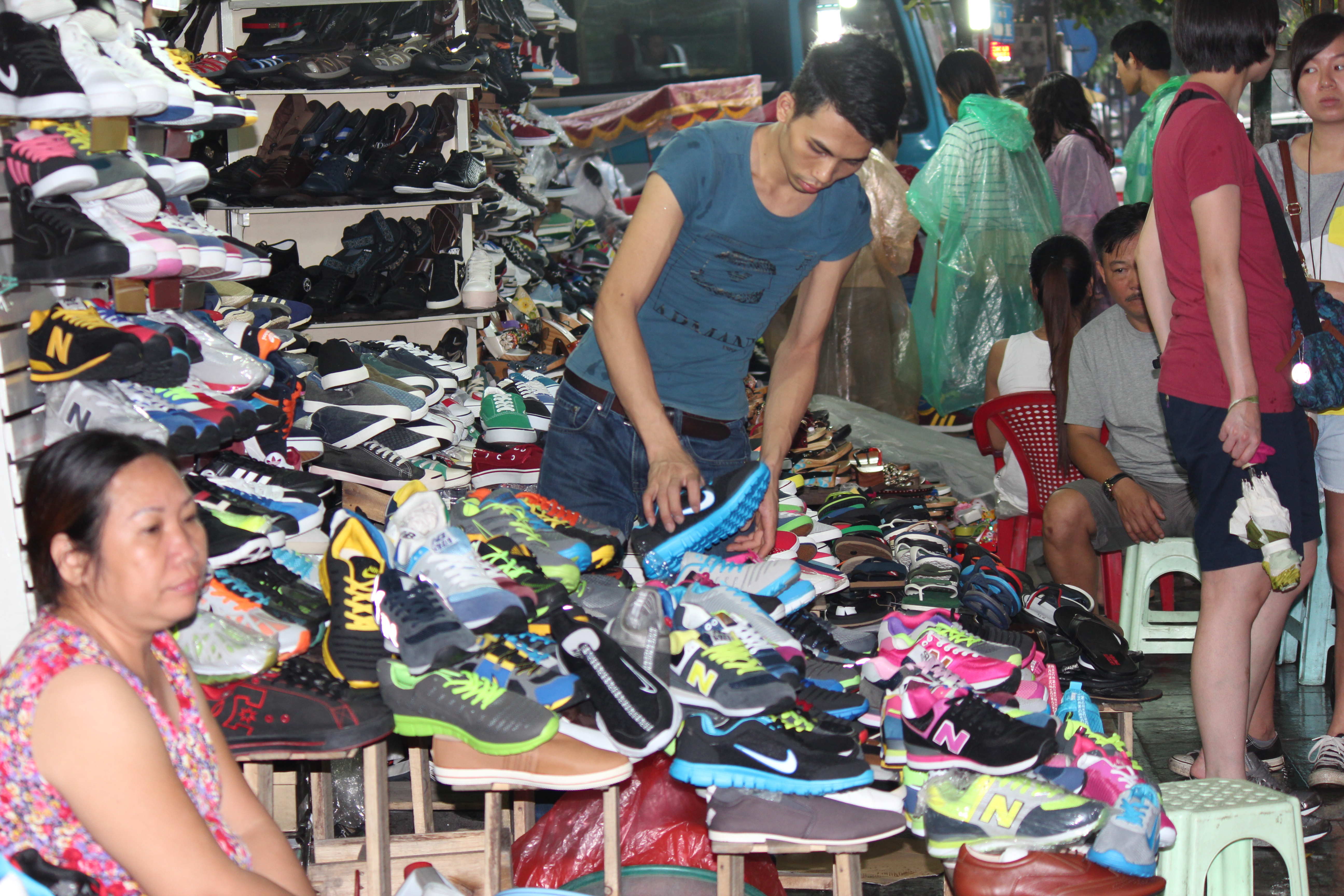
Arriving in Hanoi was a bit of a culture shock after coming from Singapore that was so clean and organized. Our preorganized transfer from the airport was late, he drove like a maniac in and out of traffic, he threw rubbish out of his window, and we sat in stunned silence as we were driven to our hotel in the Old Quarter. The Royal view hotel was a 3-star modest place but its location on Shoe Street is what attracted me to this particular property. Anyone who knows me will understand!
Hanoi
We dropped our luggage in the room keen to get back out and explore our surroundings, but again we found ourselves in stunned silence trying to work out how we were going to cross the street. I’d heard plenty about this and remembered some advice I had read, stand close to a local and follow them and the traffic will go around you! So that is exactly what I did, with the children’s hands firmly in mine I looked straight ahead and prayed it worked as we stepped from the curb with a local woman who appeared to hardly notice the chaos around her.
The old quarter is the historic soul of Hanoi and is defined by fascinating labyrinth of ancient streets buzzing with commerce. The name of the street literally translates into the trade it specializes in. Including Shoe Street where we stayed, you can also find Silk St, Herbal Medicine St, Bamboo St, Dried Fish St and so the list goes on.
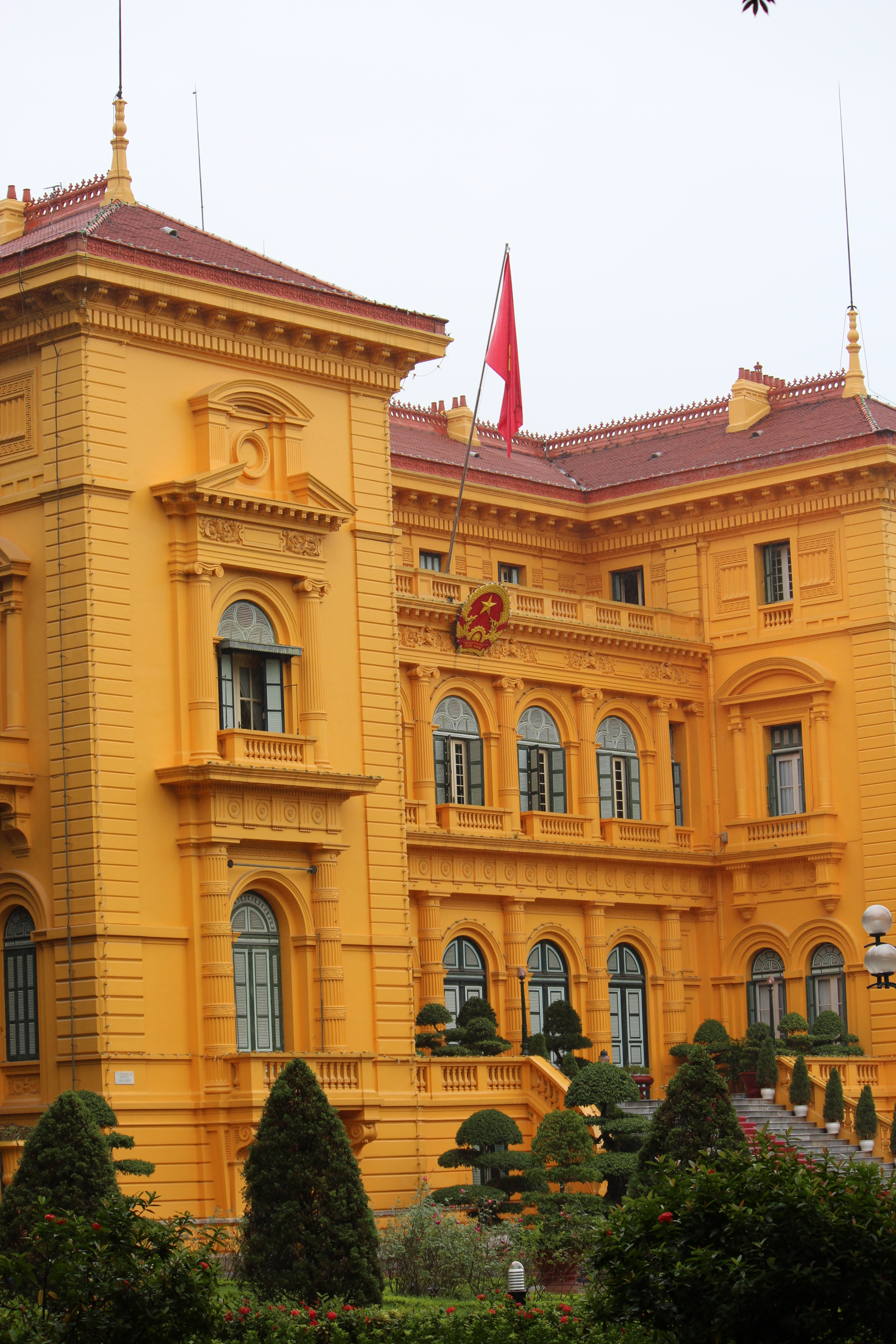
All my research prior to arriving in Hanoi made me realise there was a lot to see in this city over a vast distance and doing an organised day tour with a guide would provide the means of getting around and the history behind the sites we visited. We started the day with a visit to the Ho Chi Minh Mausoleum to explore the architectural and historical aspects of Uncle Ho’s final resting-place.
Just next door is Ho Chi Minh’s house on stilts and lying to one side of the Mausoleum is the One Pillar Pagoda, which was founded by King Ly Thai To in 1049 – the structure has become an important symbol for the people of Hanoi. We continued on to the Buddhist Tran Quoc Pagoda at West Lake (One of the oldest pagodas in Vietnam). After lunch proceed to visit the Ethnology Museum, the Literature Temple and Quoc Tu Giam, Vietnam’s first university, constructed in 1070 – it’s gardens and well-preserved architecture offered a glimpse into Vietnam’s past.
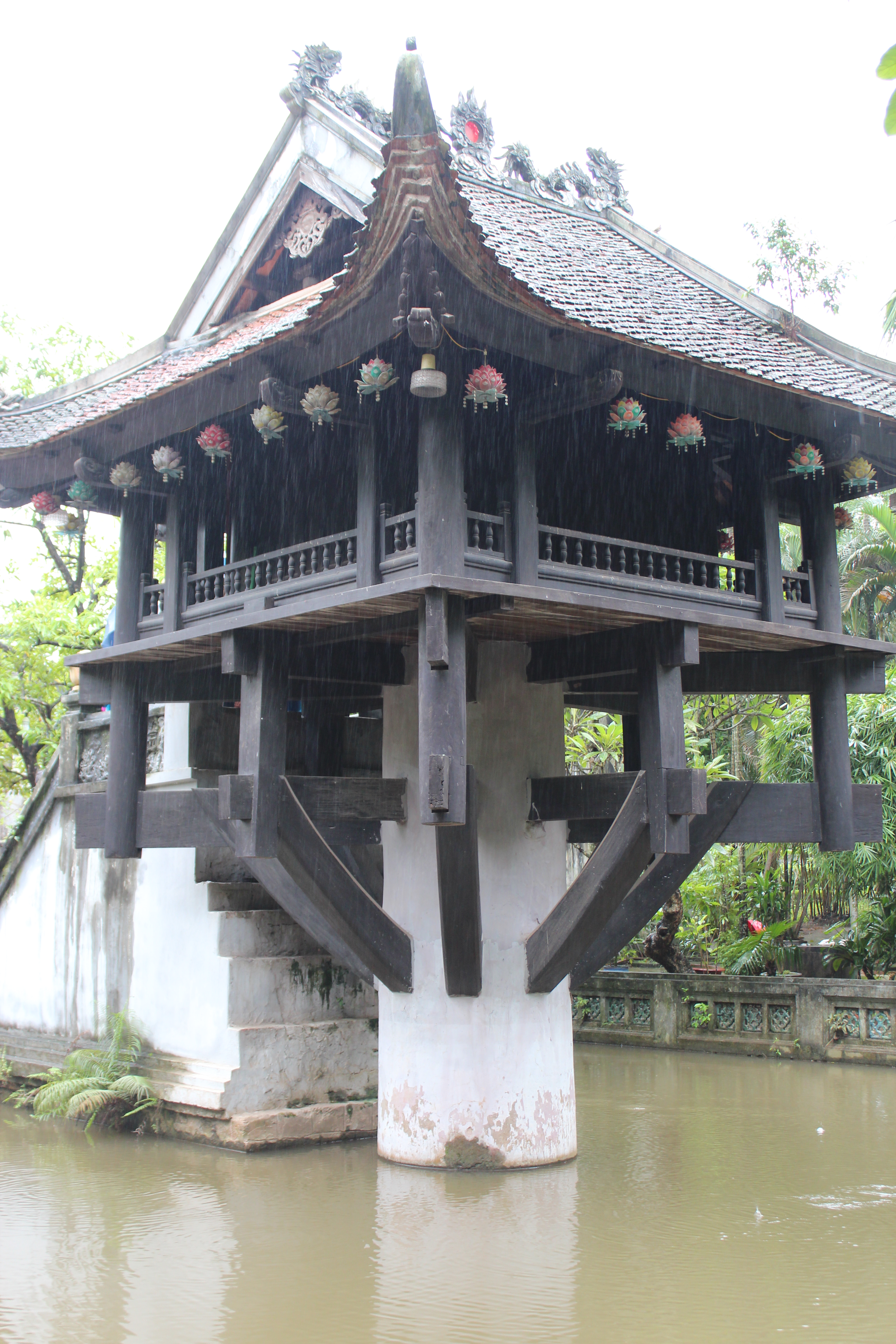
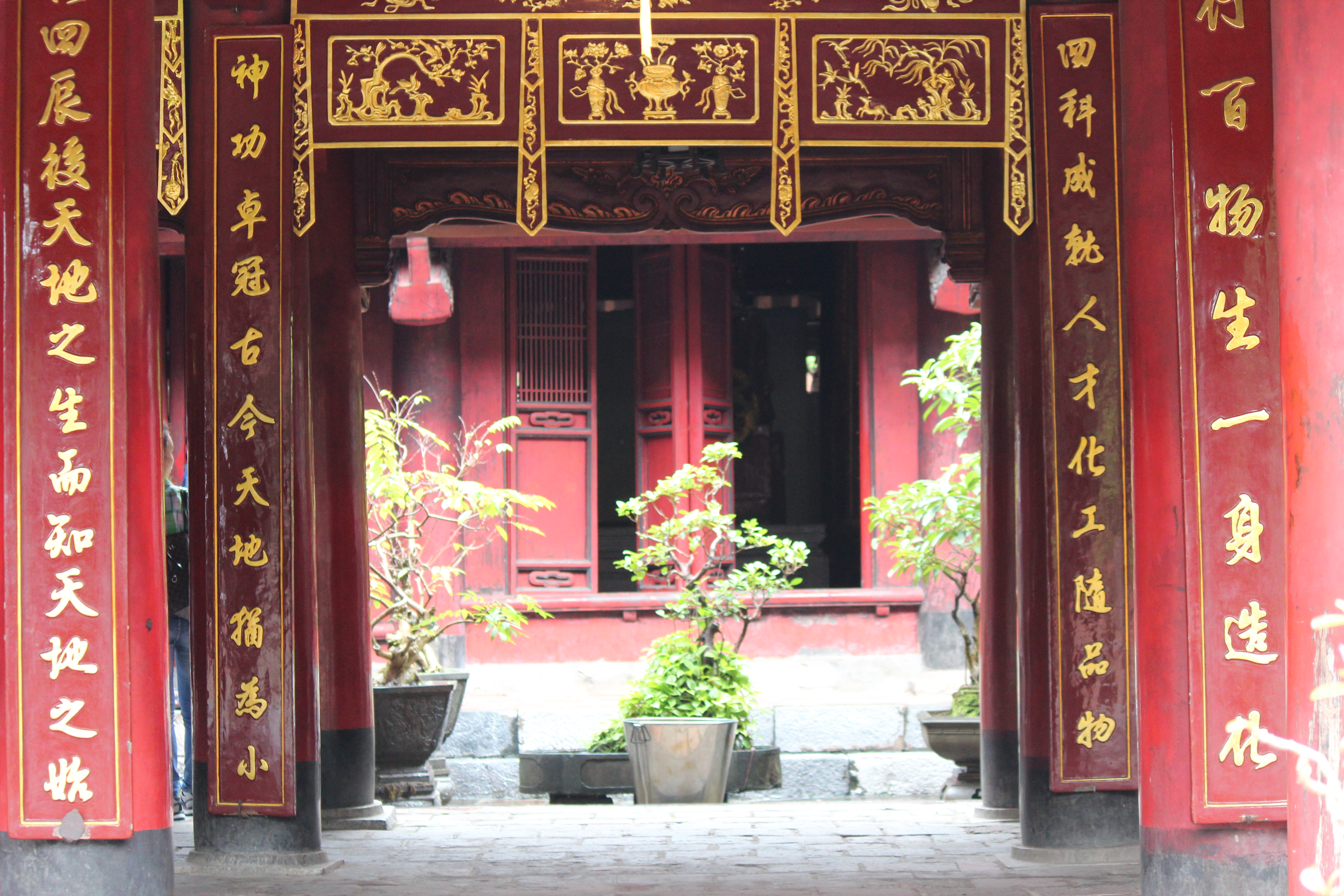
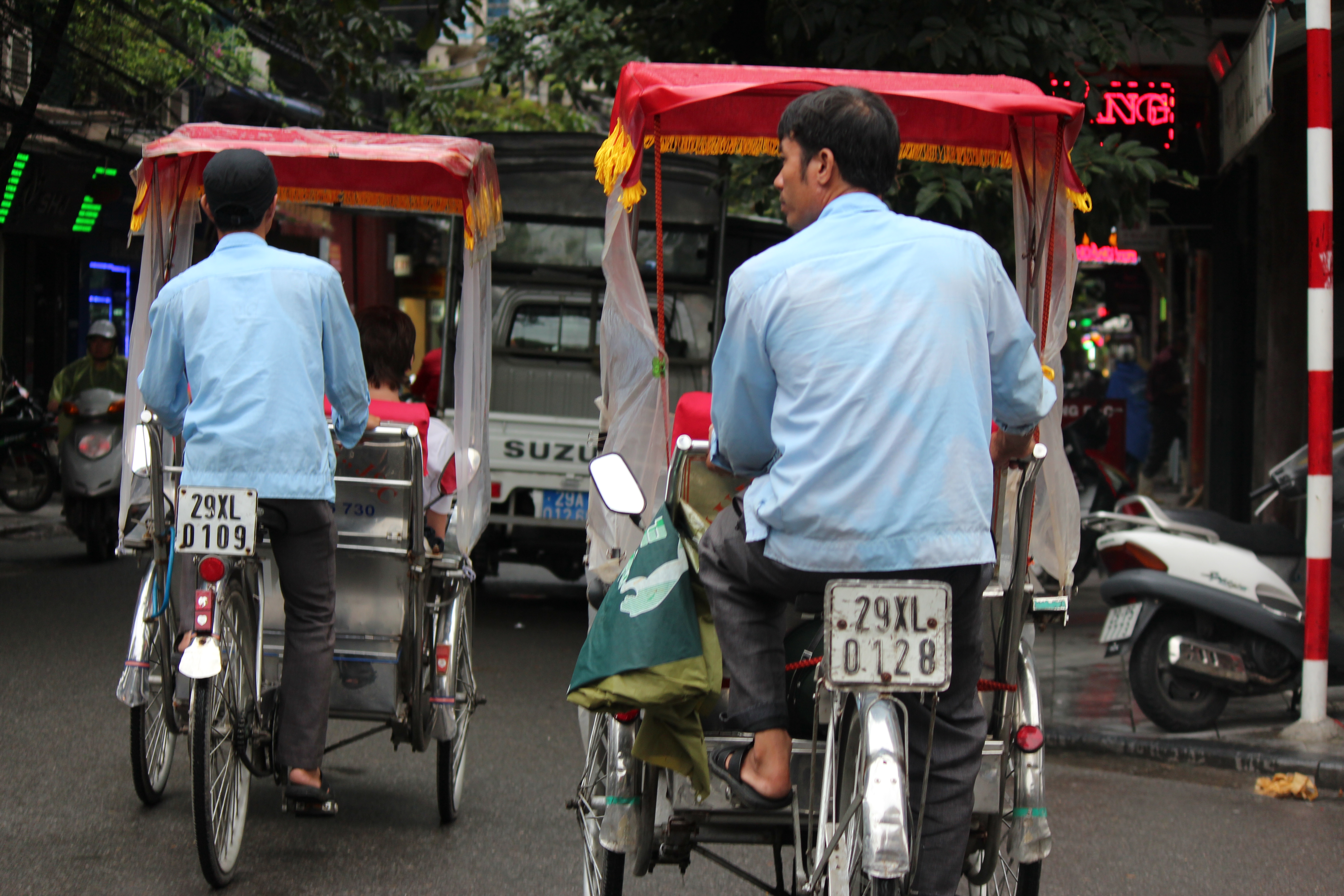
We concluded our tour at Hoan Kiem Lake where we jumped on a Xichlo (Rickshaw) and taken around the streets of the old quarter for an hour where we could take in the sights and enjoy the bustling streets packed with scooters, bicycles and cars swarming around pedestrians like a school of fish.
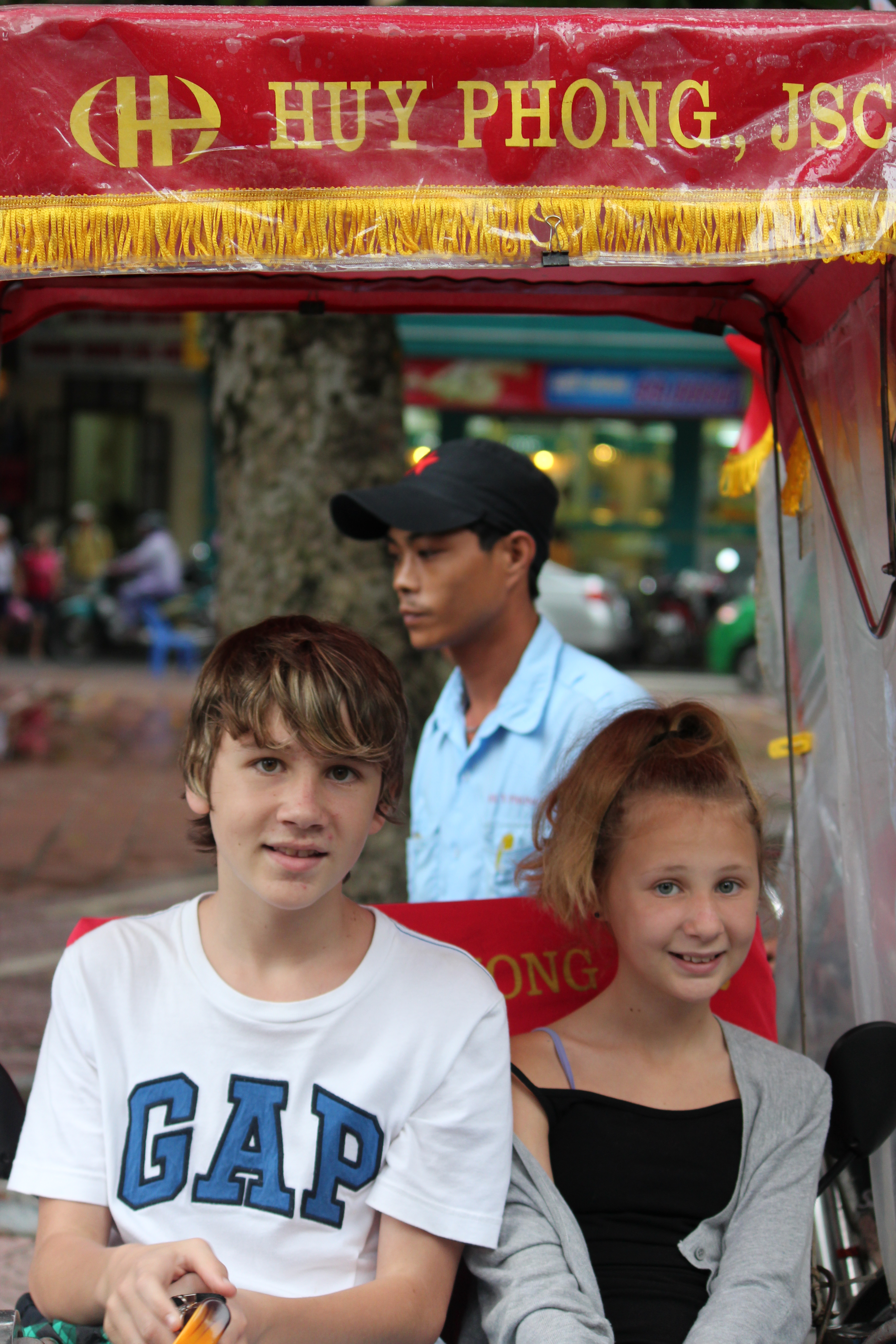
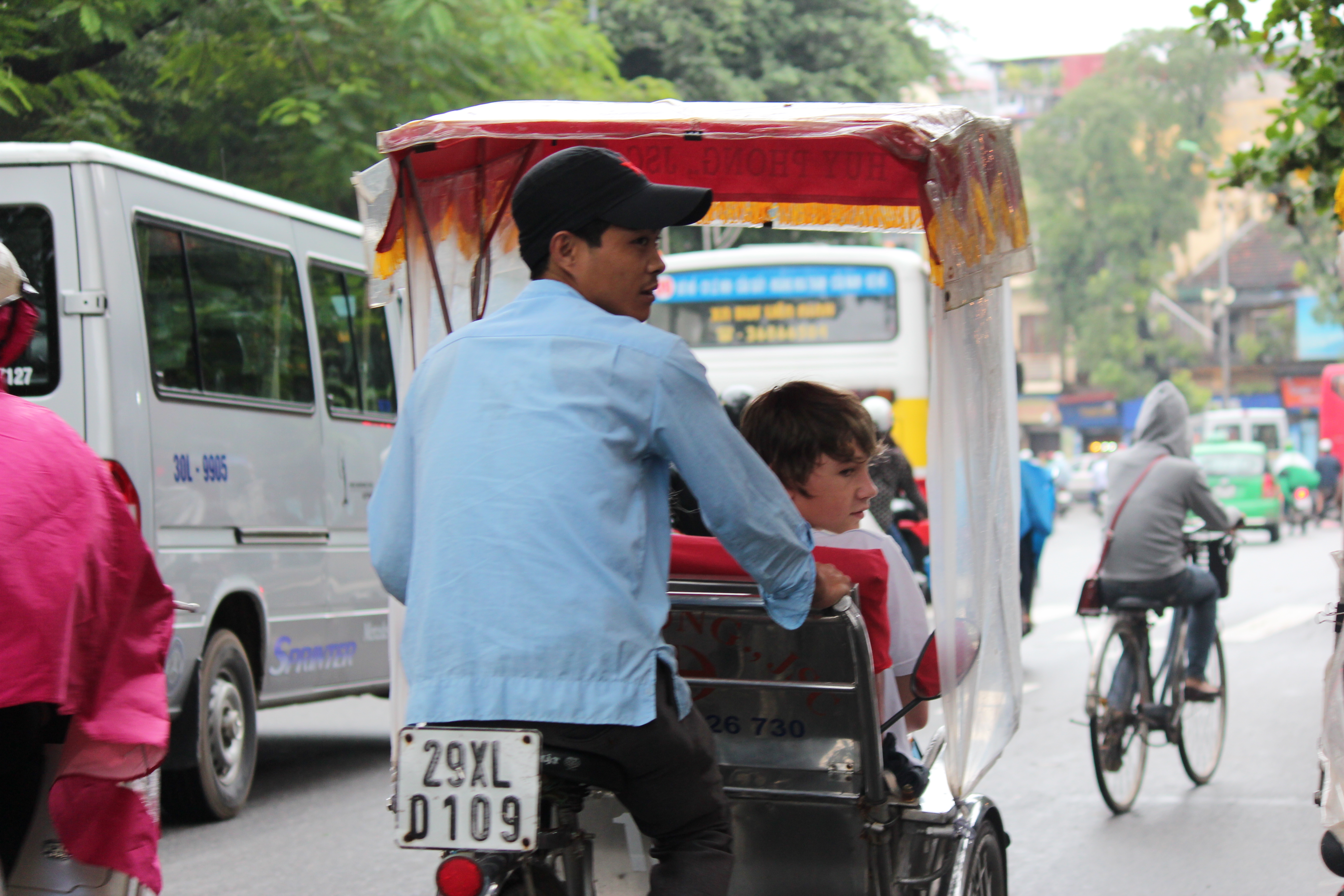
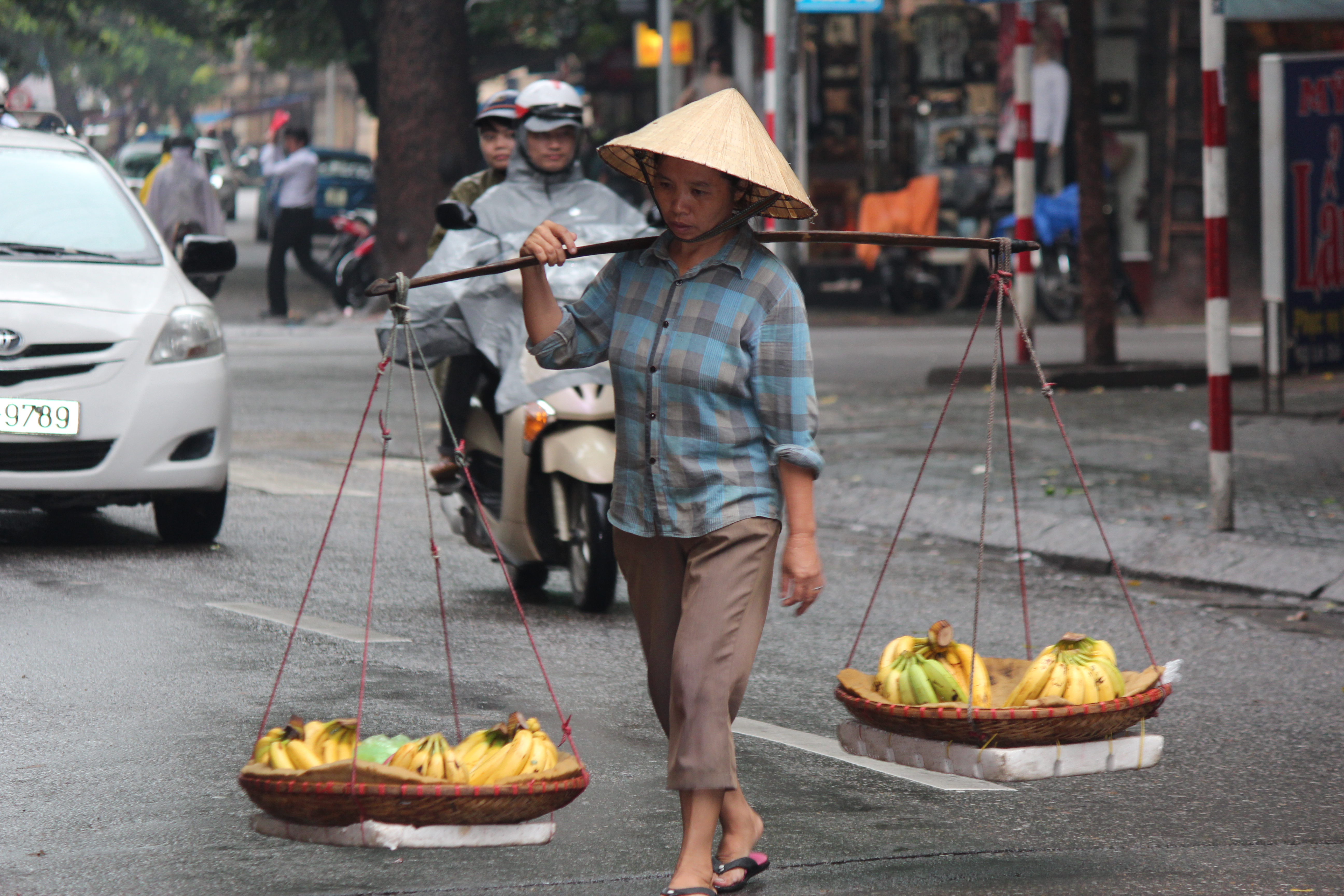
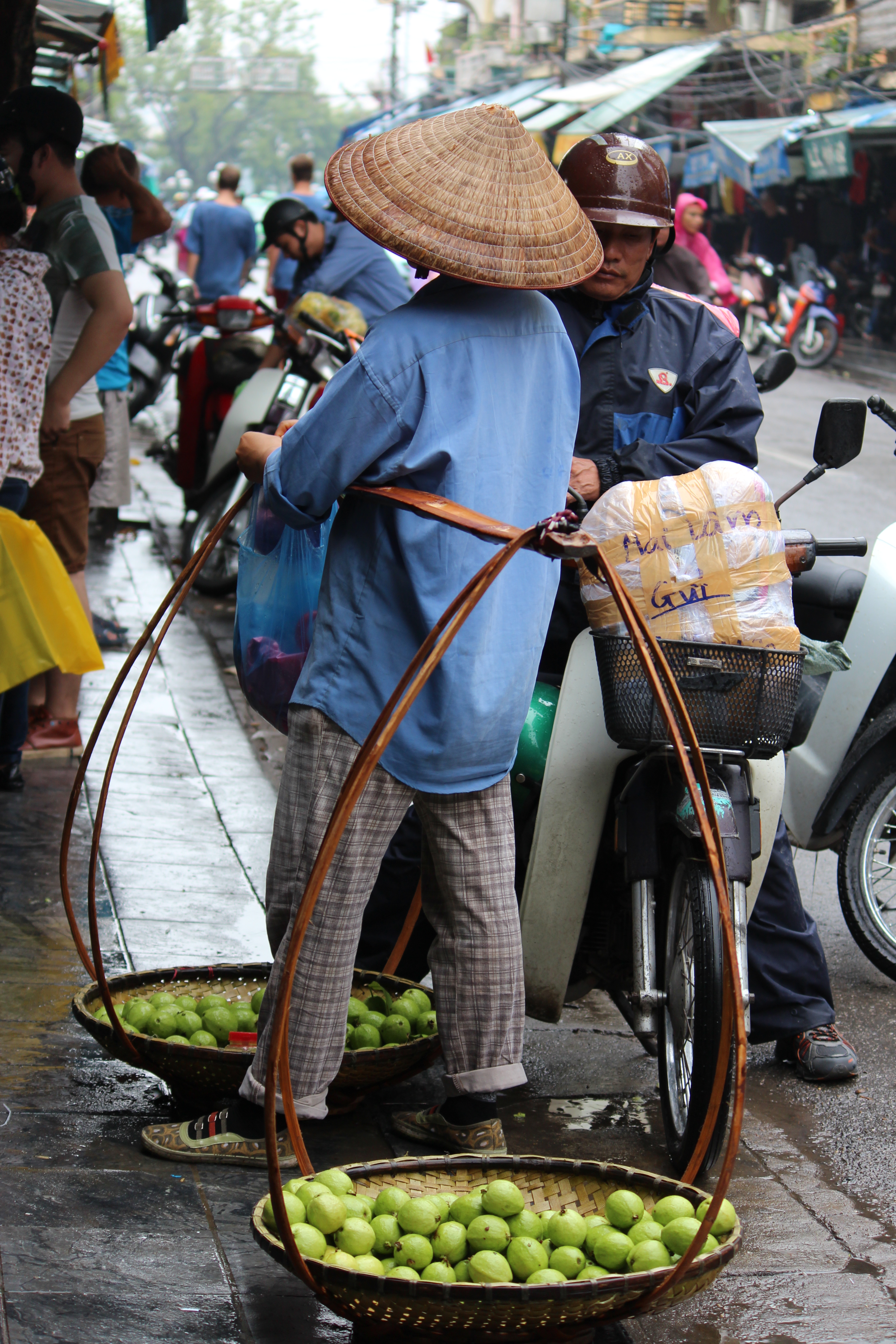
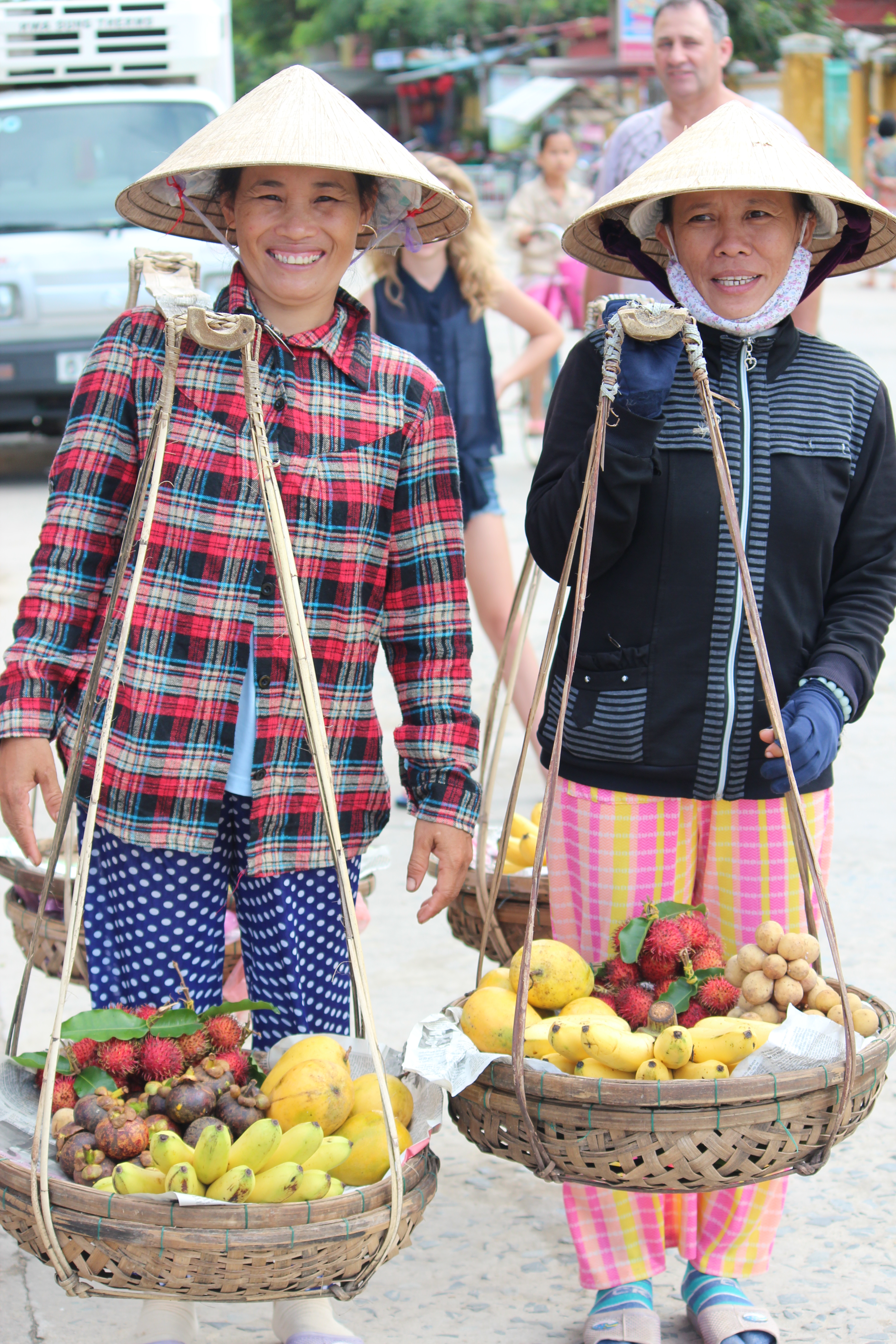
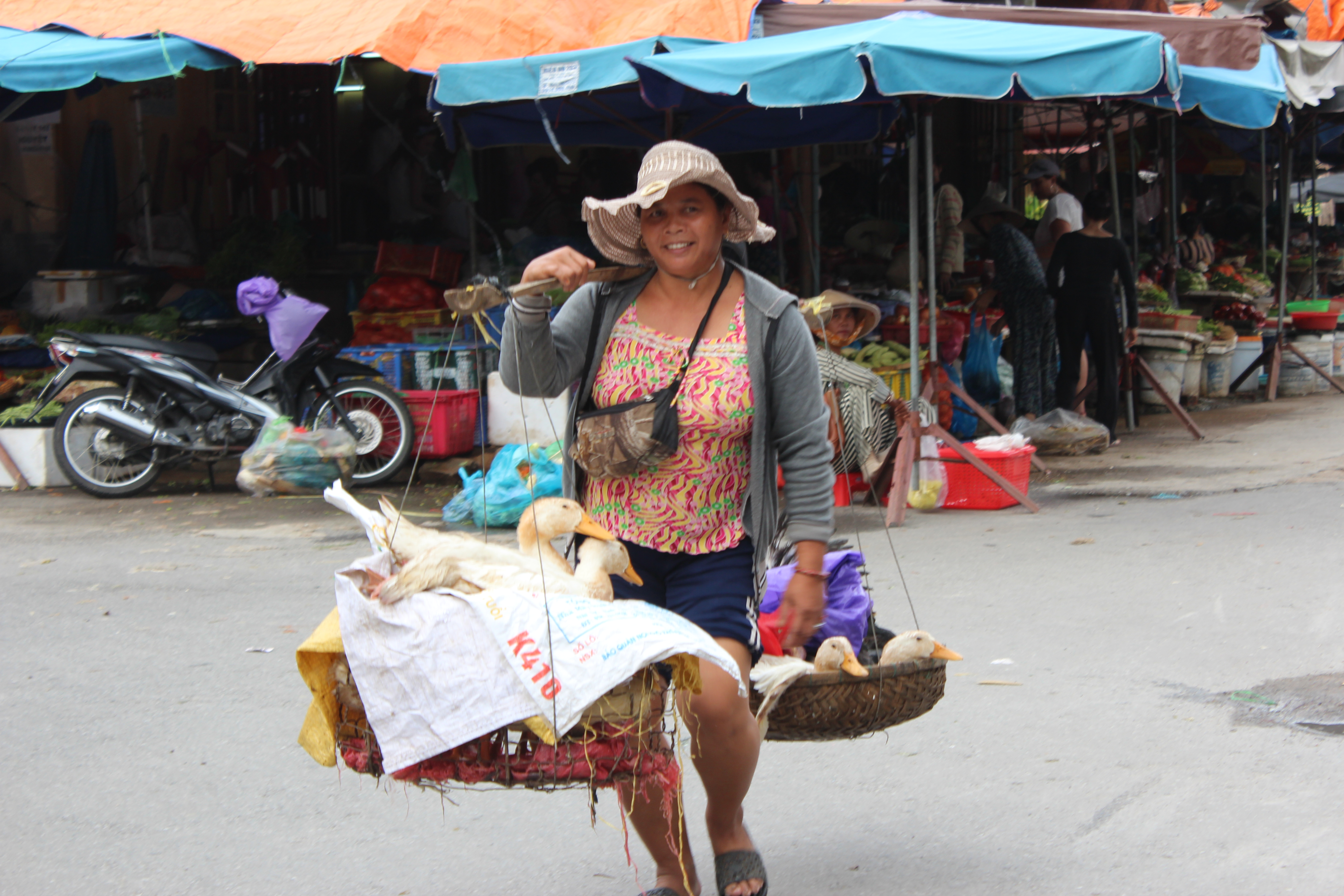
What struck me immediately was how it felt like time had stood still in the Old Quarter. There were no modern conveniences, just a simple life with the familiar sight of mainly women, transporting fruit and vegetables with a bamboo shoulder pole, called a quang ganh. This has long been a useful piece of equipment for Vietnamese farmers to carry their produce and earn a living on the streets of neighbouring cities.
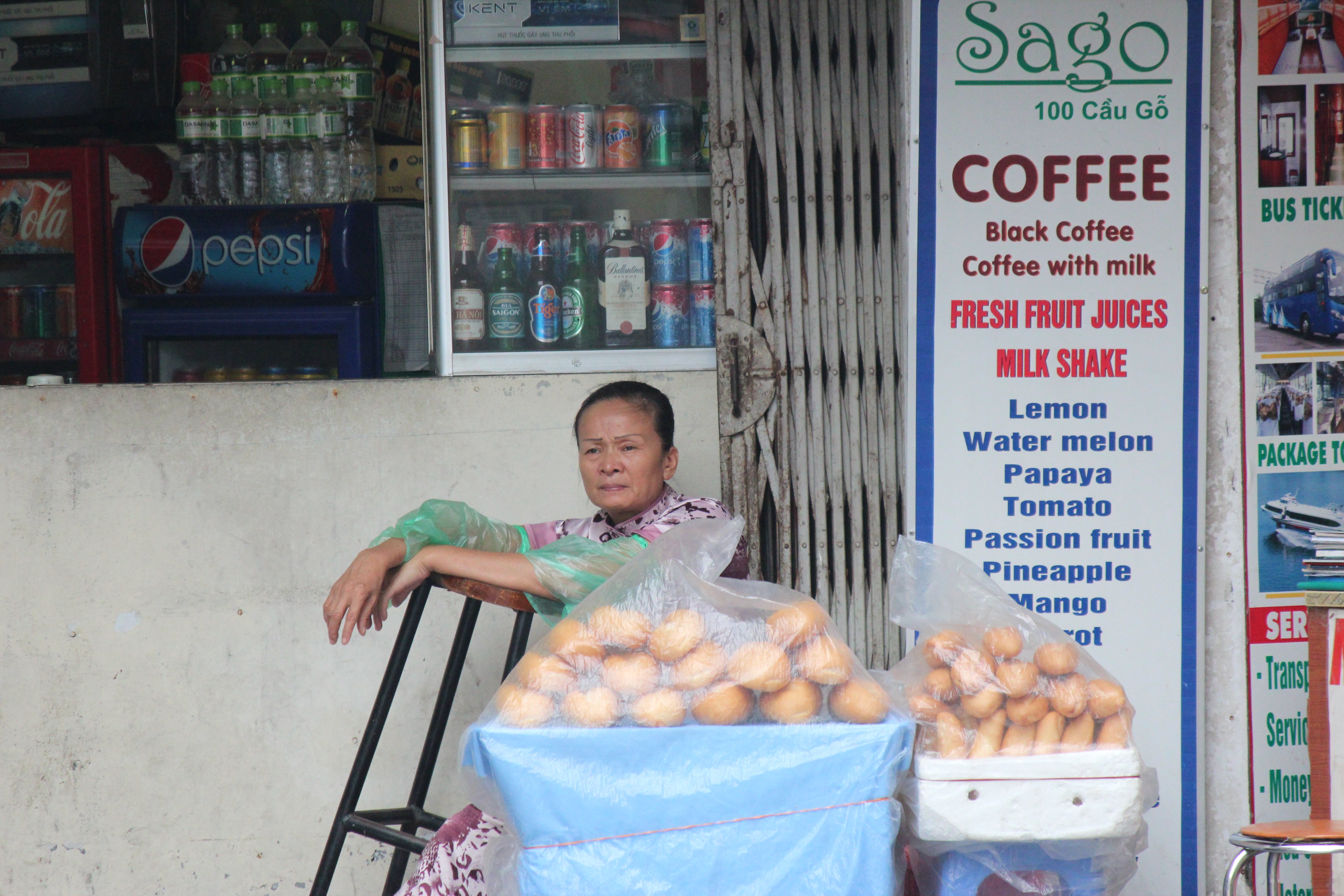
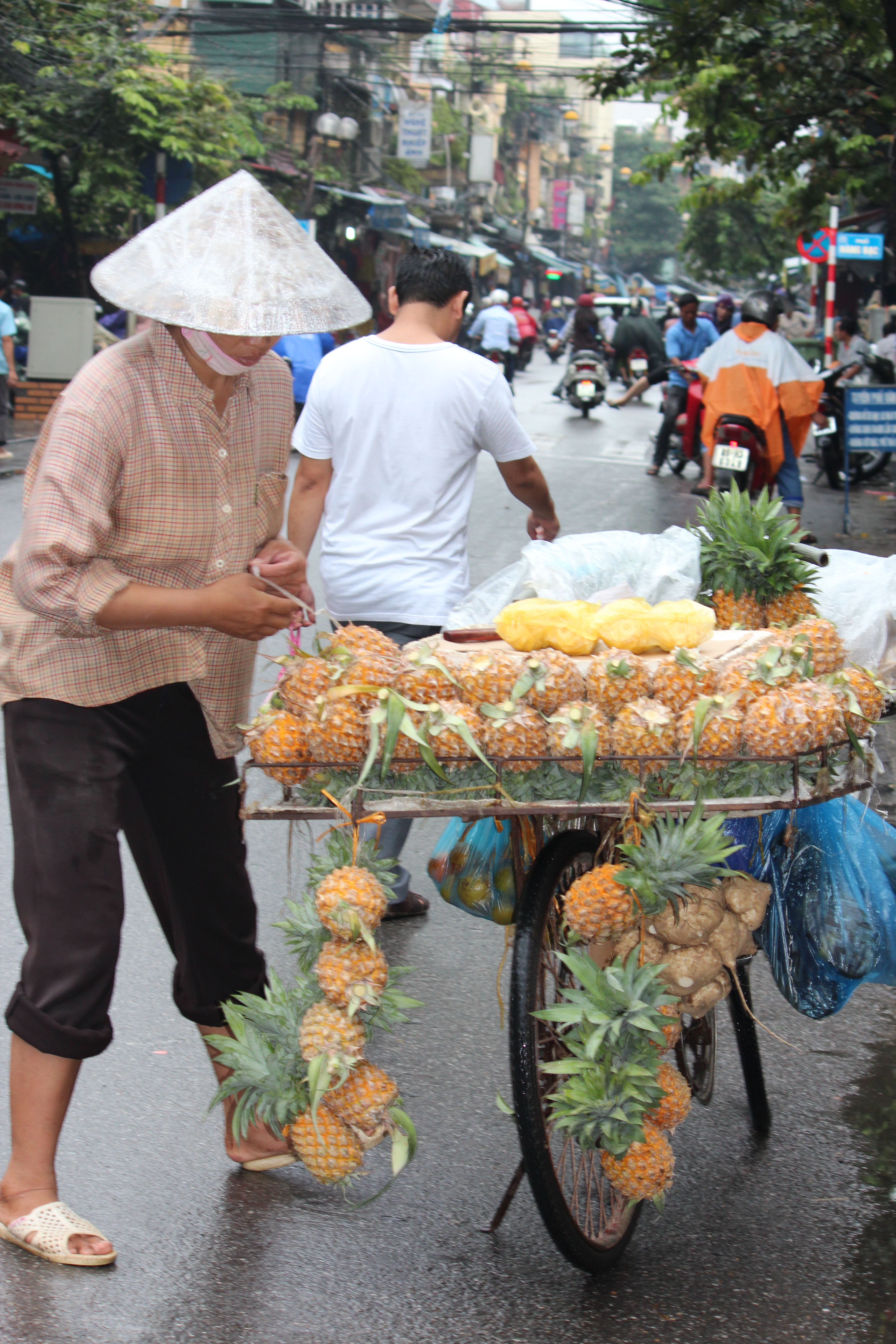
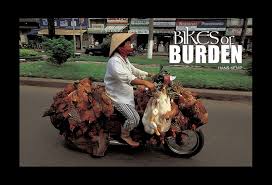
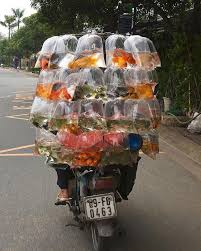
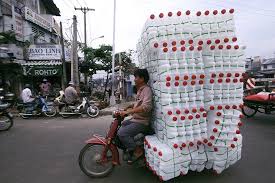
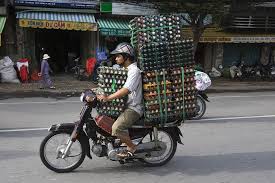
This was our first glimpse at the crazy shit people carry on bikes and it never ceased to amaze me just how much could be strapped to a single motorbike. I was so fascinated by the whole thing I bought a coffee table book with hundreds of pictures by photographer Hans Kemp who spent months on the back of a motorbike himself photographing this phenomenon.
Ha Long Bay
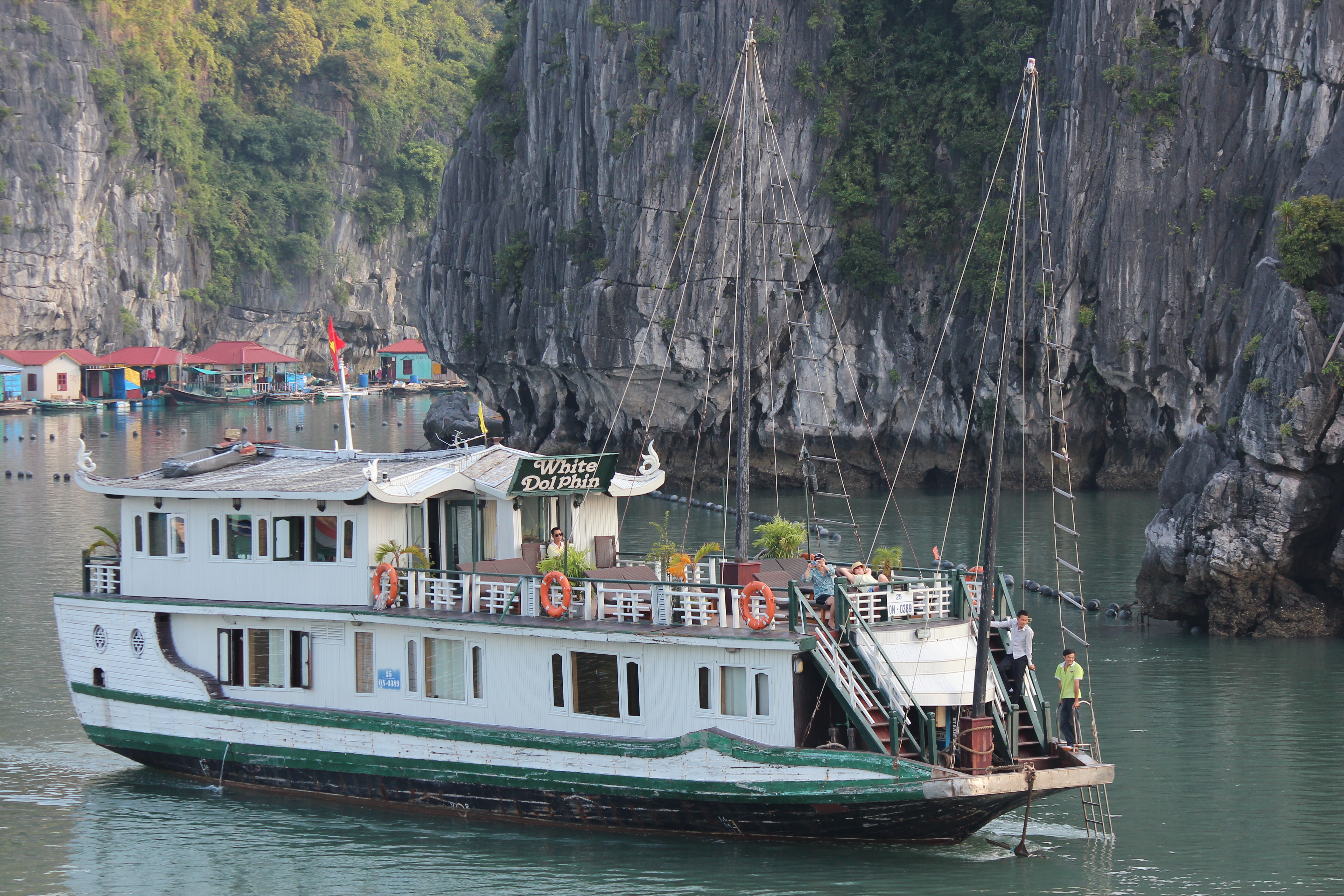
The four-hour drive from Hanoi to Ha Long Bay was a much-anticipated part of our Vietnam adventure I was looking forward to the most and something that was on my bucket list, read that story here. What better way to immerse yourself in this unique paradise than cruising through it for two nights on a traditional junk. The Junk Boats are these beautiful old wooden ships, in Ha Long Bay, junks are not just boats; they are an integral part of the landscape. While modern comforts are incorporated into traditional junks, their design remains faithful to the classic style. The deck is adorned with elegant rigging, reminiscent of the junks of old. The sails, although not essential for navigation, are occasionally hoisted as a decorative touch when the boat is at anchor and the weather is clear.
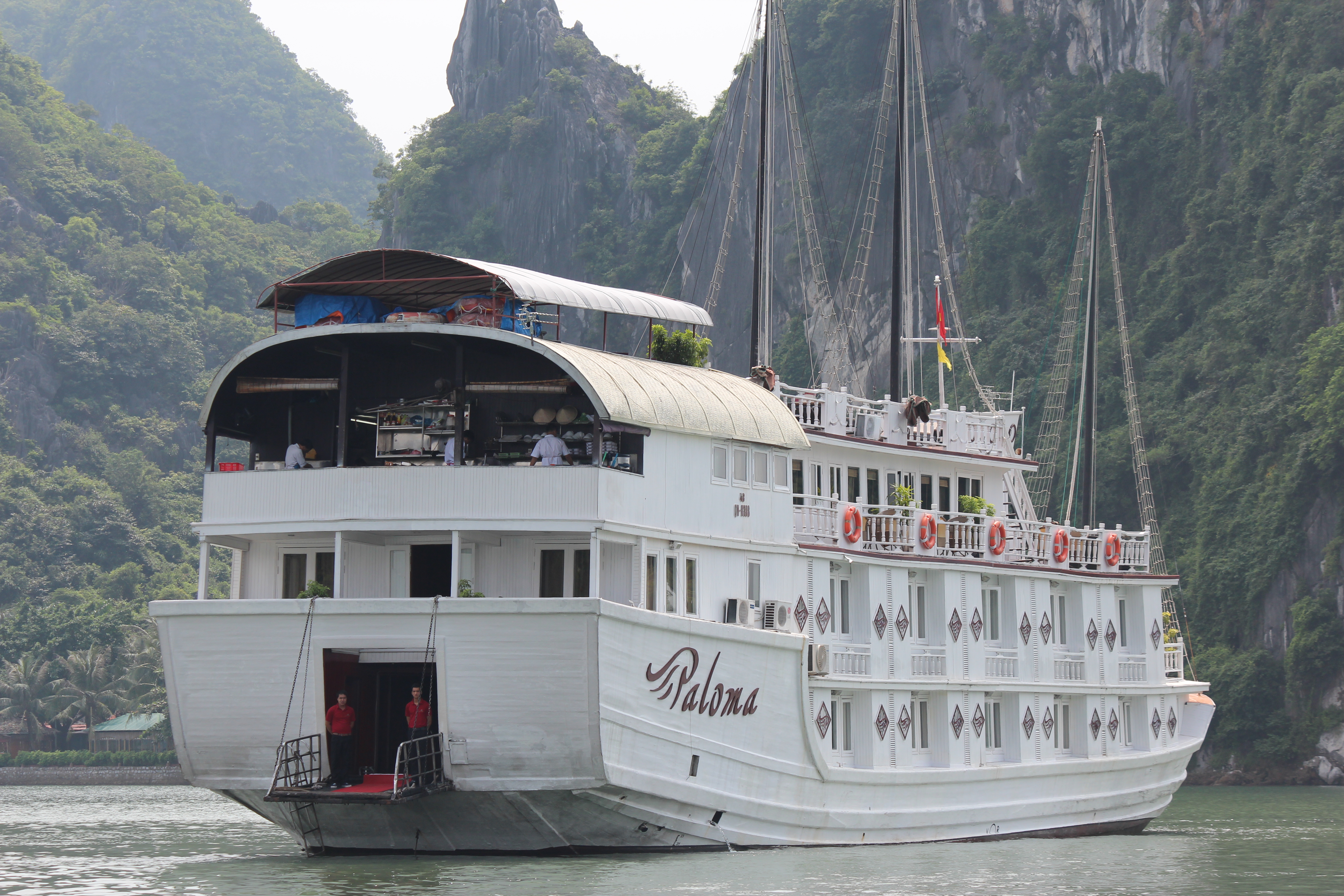
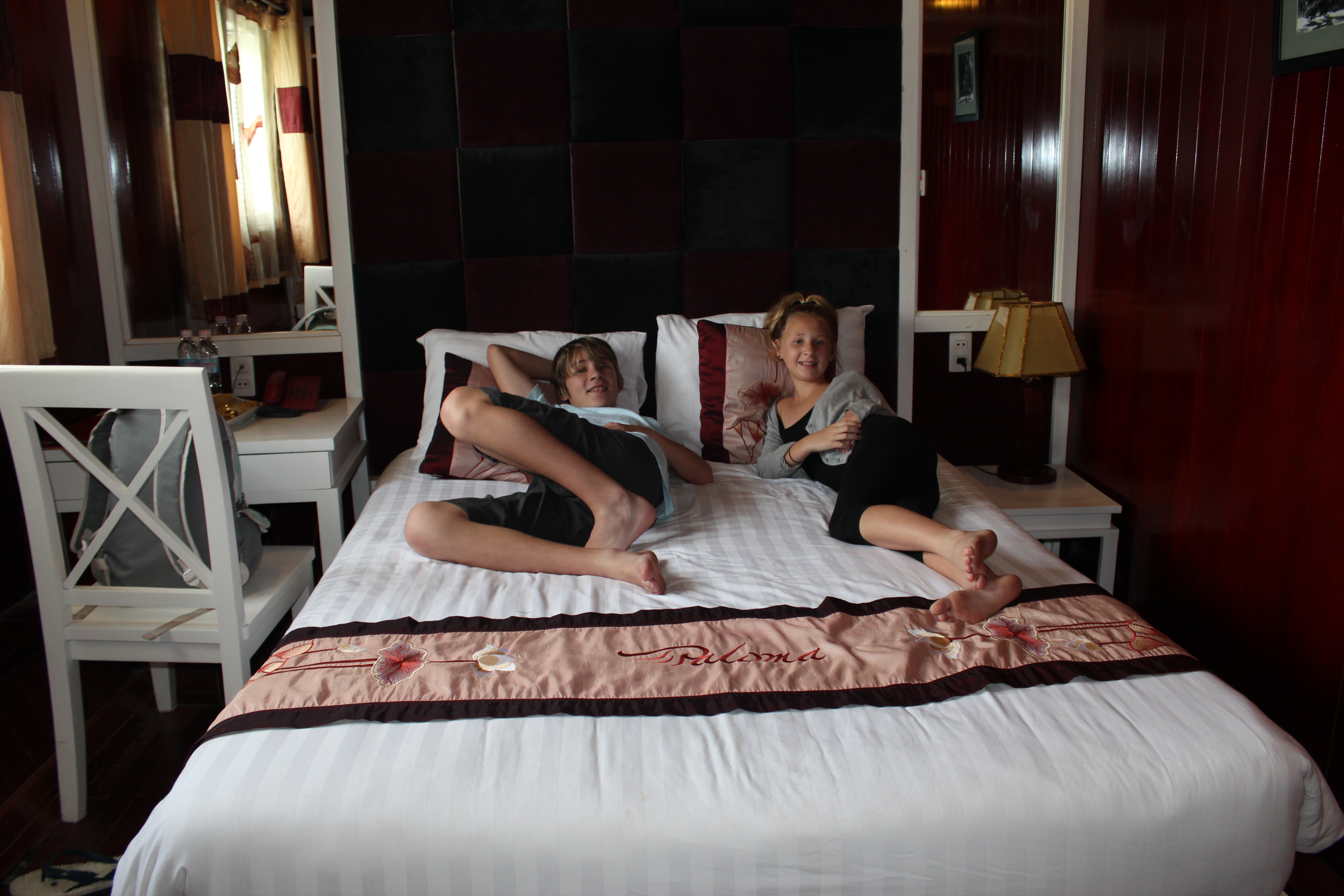
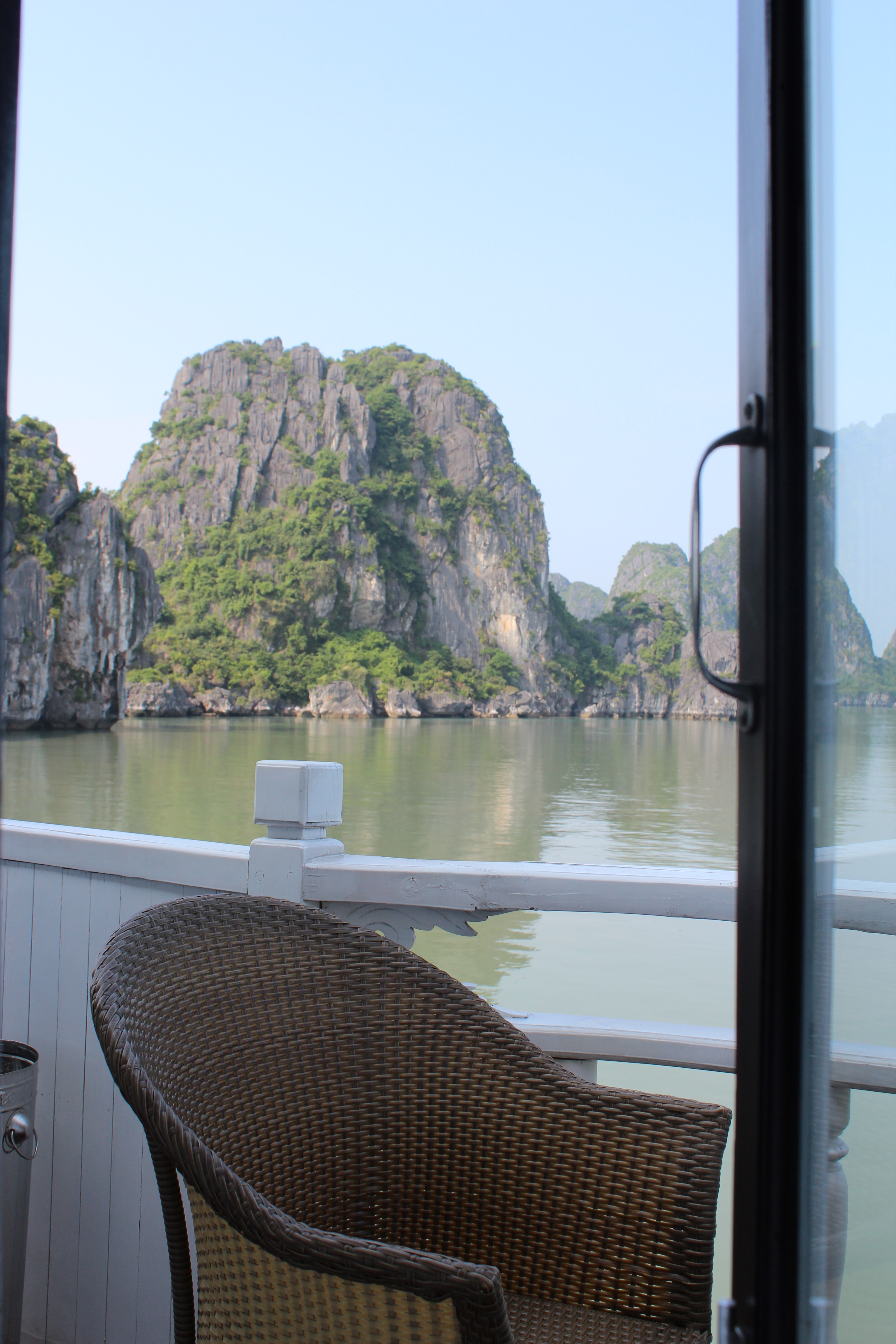
We arrived at the port and in the distance our home for the next two nights was this amazing white vessel called the Paloma sitting high on the emerald waters between limestone karsts. Going on a small boat to embark allowed us to admire our boat in its whole glory, and marvel at its size and beauty as we grew closer. Once we got our luggage, we quickly settled in our room, I loved the traditional wooden design I felt immersed in a bygone era of 17th century Asia. It wasn’t long before we departed so we made our way to the sundeck, and soaked in this UNESCO World Heritage Site, one of the natural wonders of the world, a 300-million-year-old geological phenomenon.
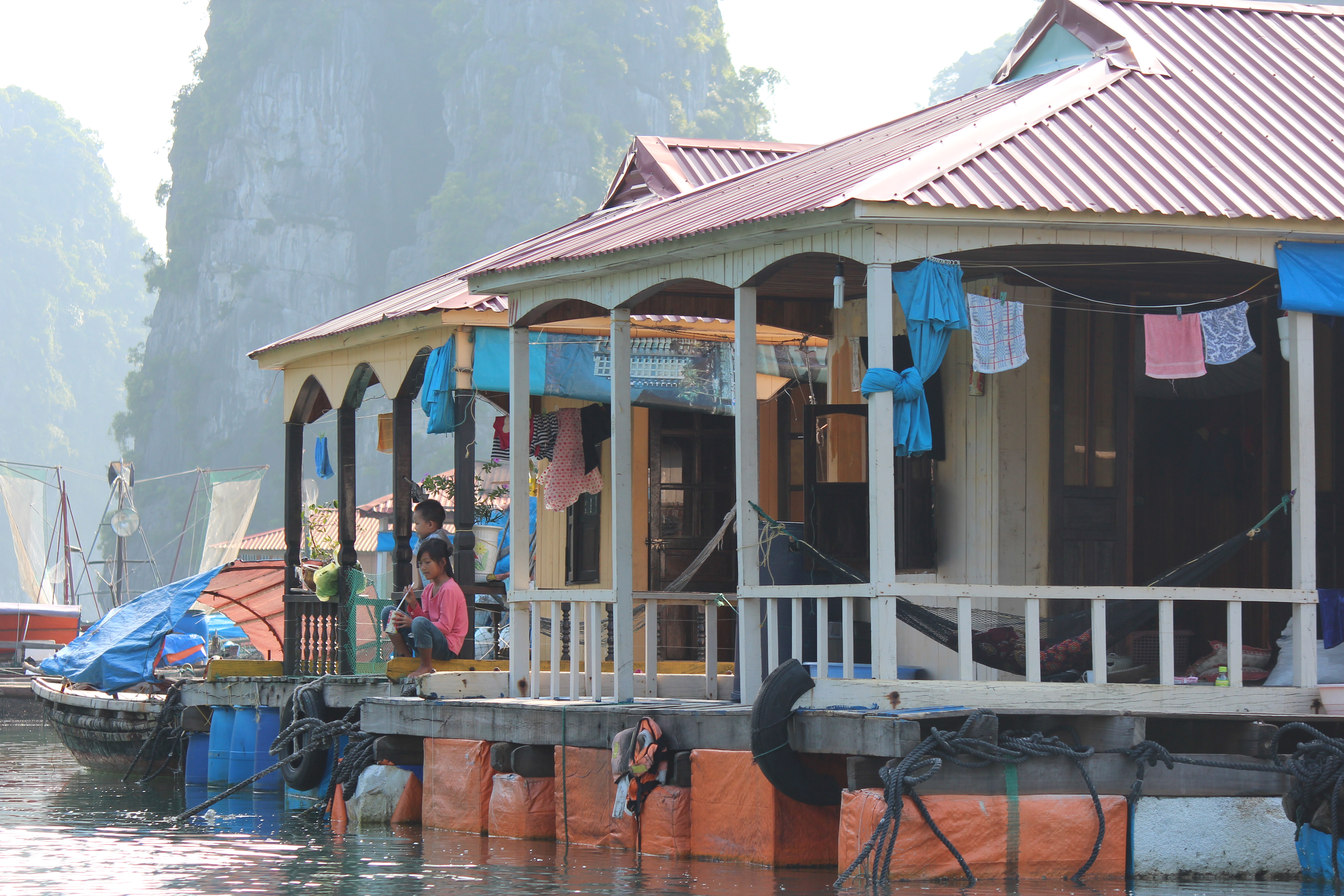
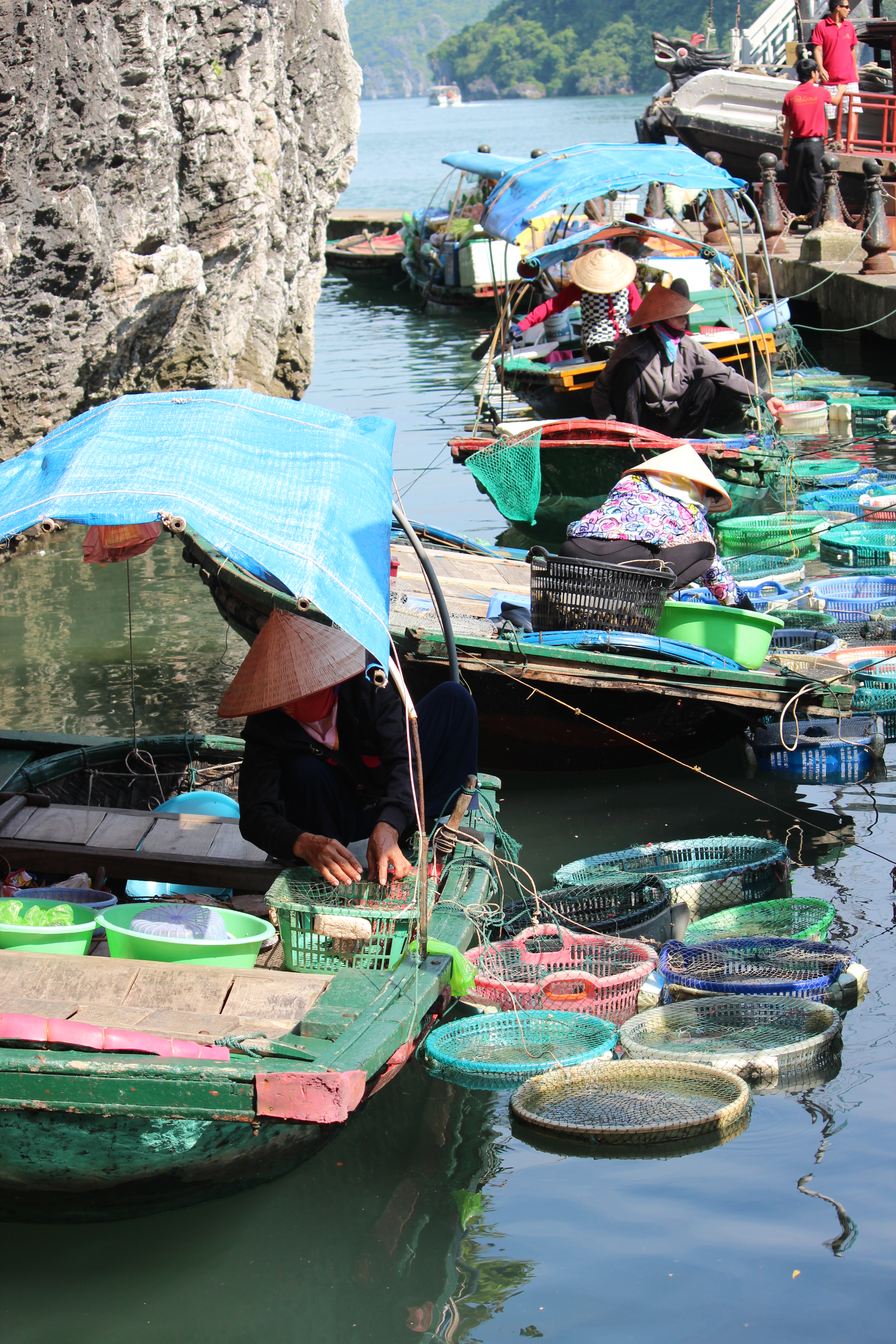
Our first stop was the Vung Vieng Floating Village. A small fishing village located in the centre of Bai Tu Long Bay, 24kms from the mainland. The village is home to approximately 300 residents and tourism has supported the village to build a classroom so the children can go to floating school and study. We had a choice to kayak around the village ourselves or board a small wooden rowboat navigated by a local resident. We opted for the later so we could sit back and take in the magical scenery, which was a photographer’s paradise, my finger wasn’t off the shutter button.
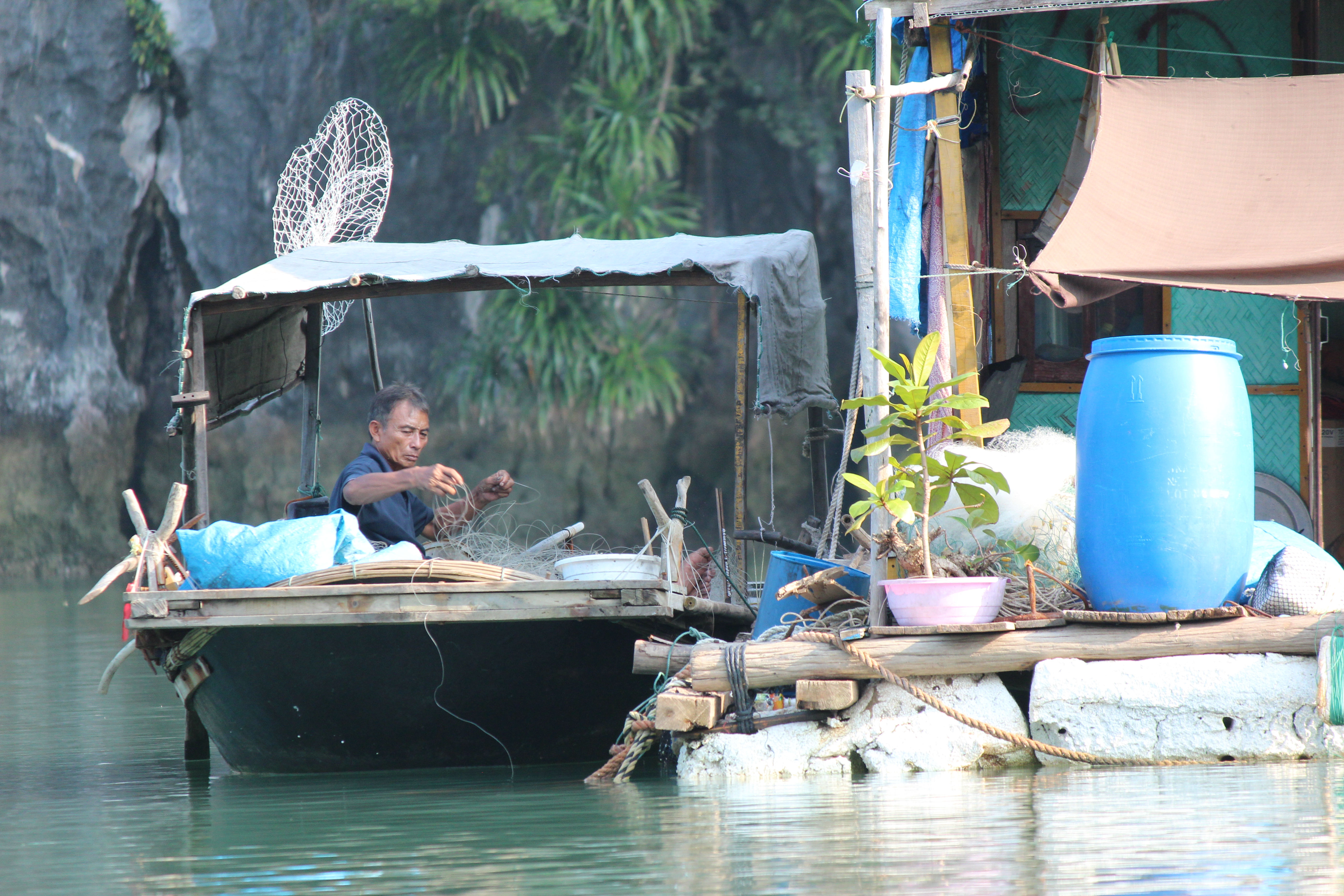

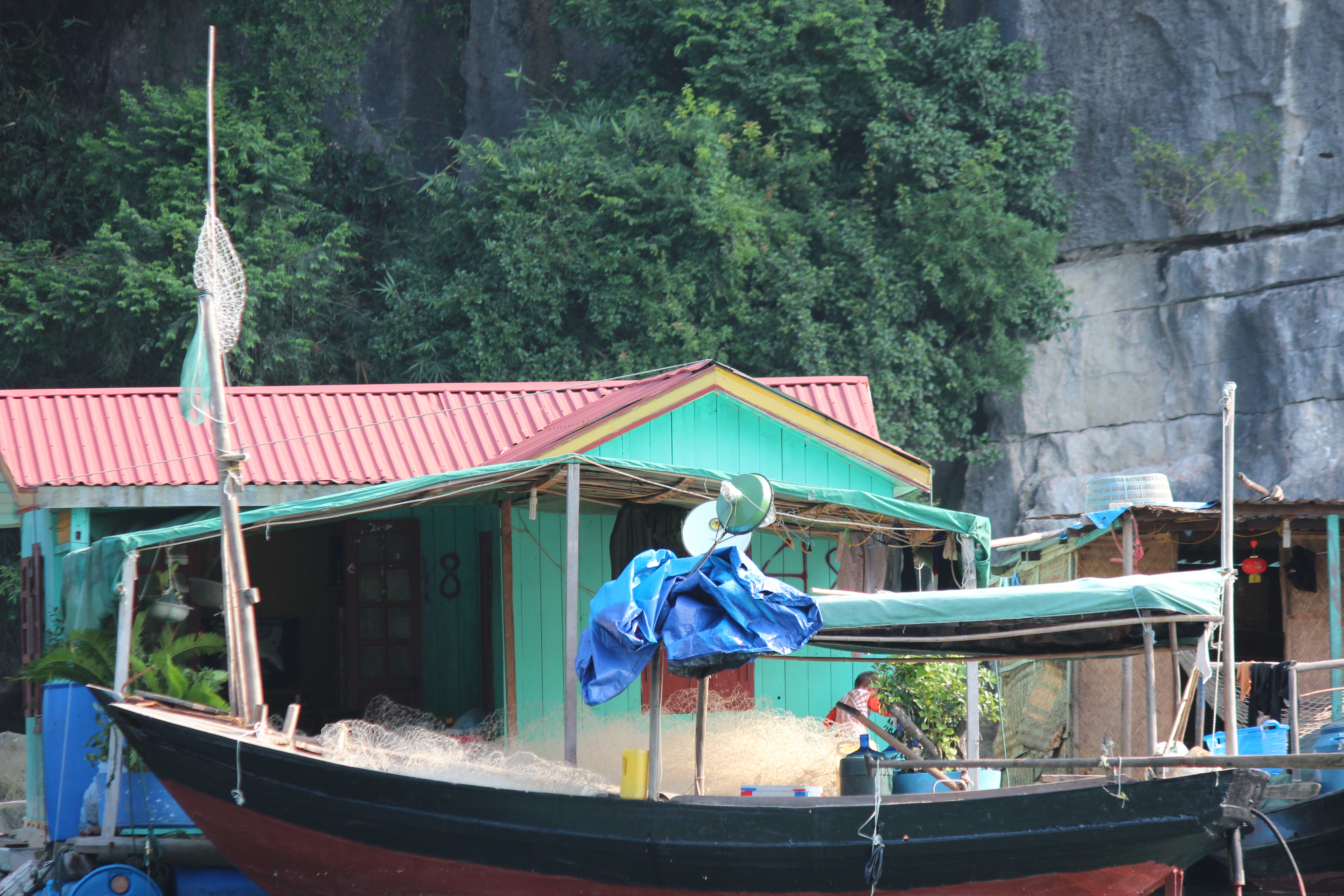
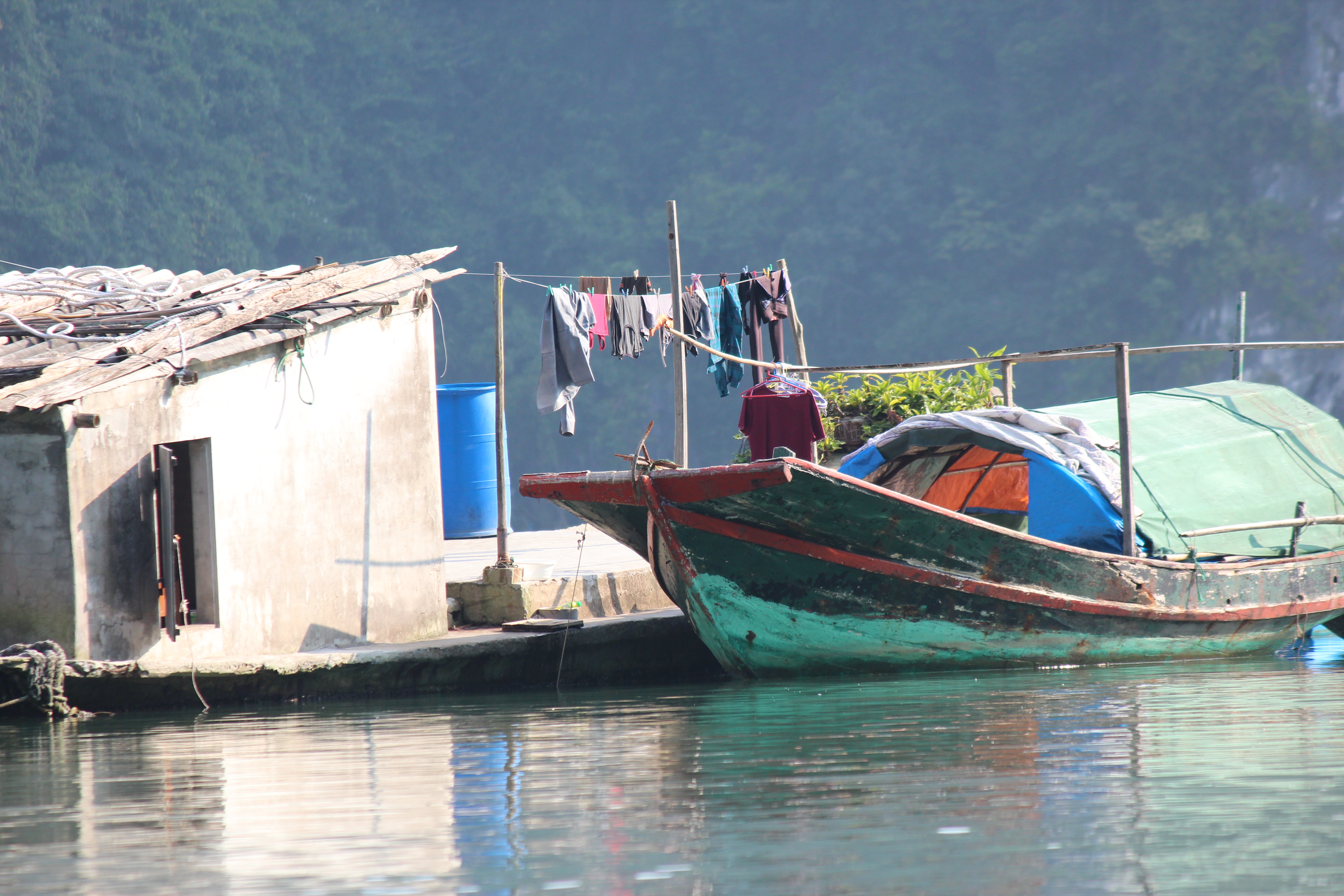
The village is extremely peaceful and tranquil with glimpses of small and simple shacks along the cliffs and mountains. The Local people’s lives are closely connected to rafts made of wood and bamboo that float on the water’s surface. Meanwhile, better-off households live in a raft that has stronger iron roofs. As a result, if you look far enough away, you will see a vivid image of blue, red, and yellow buildings rippling on the water.
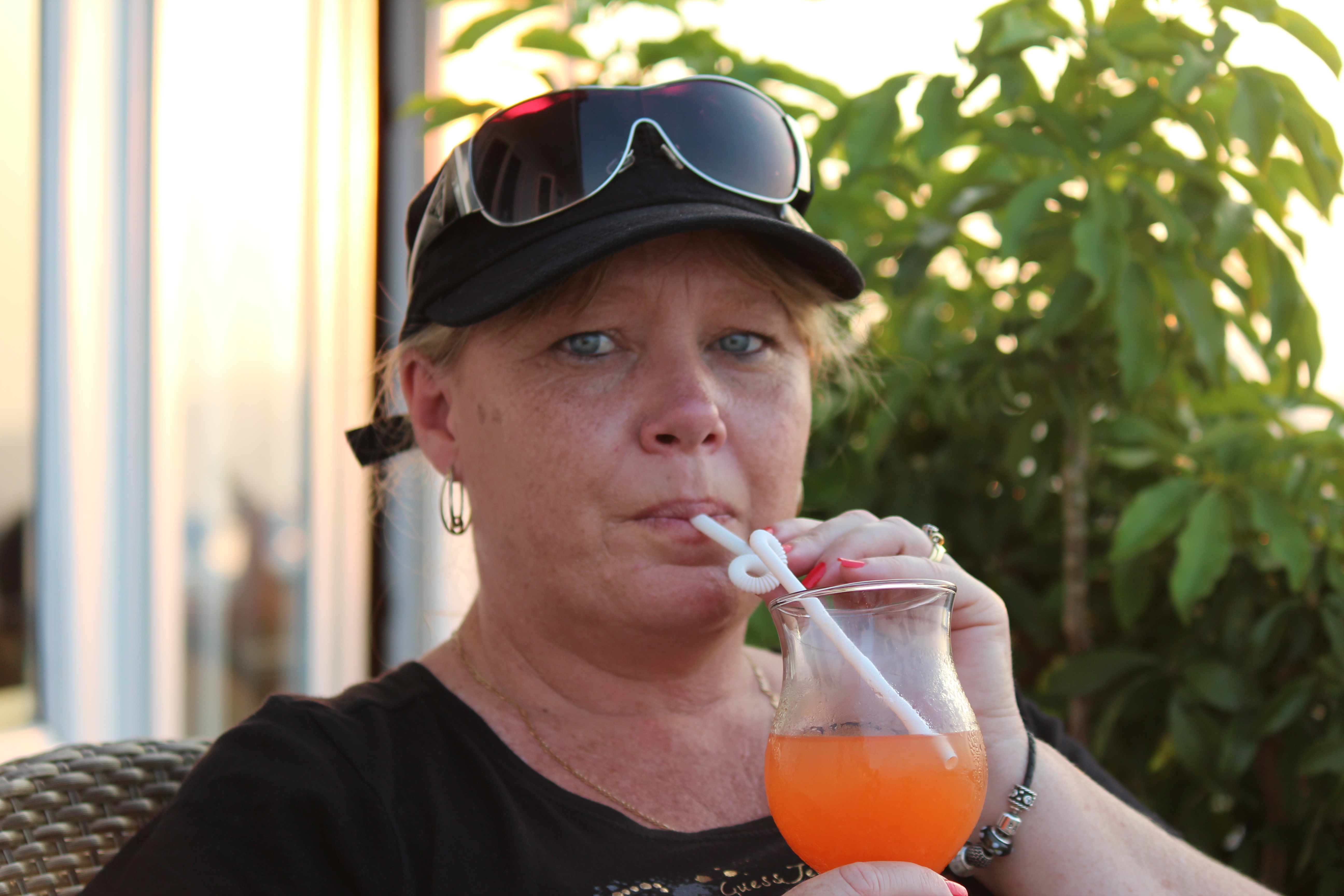
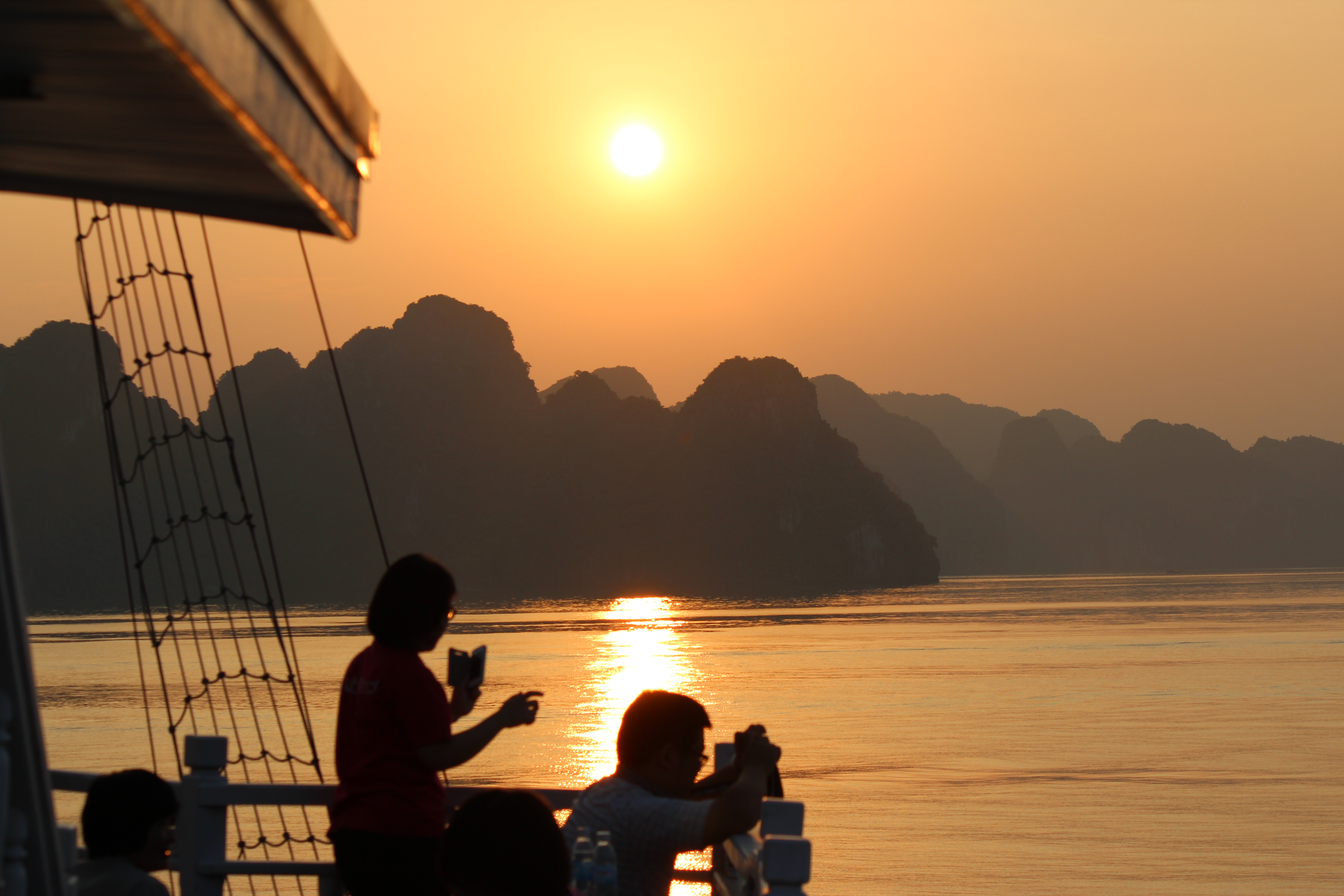
On board the Paloma, meals are served in a dining area surrounded by large windows so we would not miss those spectacular views of the Ha Long Bay islands, there was an abundance food consisting of meat dishes, seafood, and vegetables, with fruit for dessert. The evenings were spent on the deck watching the sun go down and light the sky in a bright orange colour before darkness was upon us and you could see where the lights of the neighbouring boats.
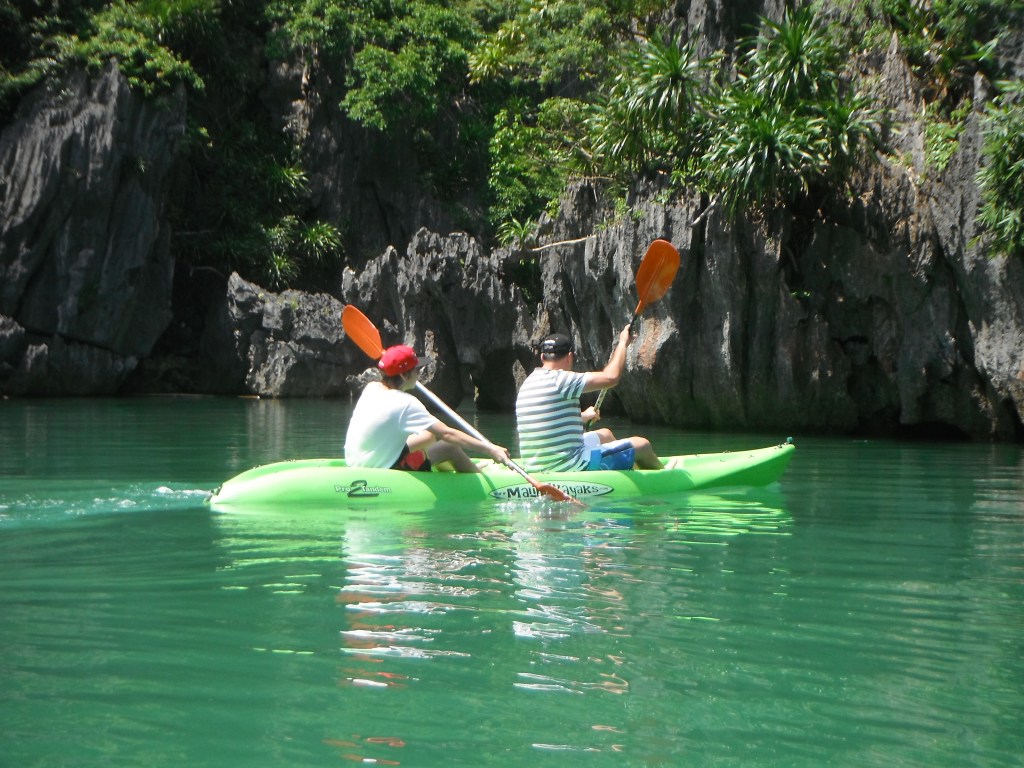
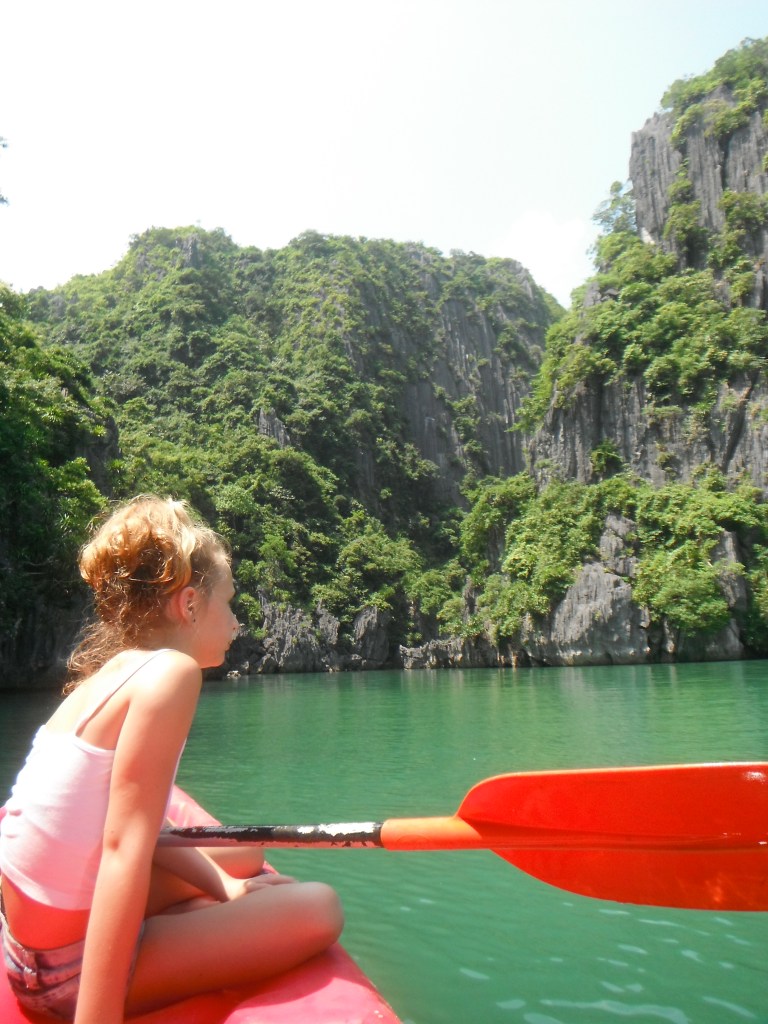
Our next day started with a visit on a smaller vessel to Soi Sim Island. It is a pristine scenic quiet place where you can swim in the clear water with schools of fish swimming around you. Later we made our way back to the boat passing more floating fishing villages before finally mooring in a cove where we spent the next hour kayaking in what felt like heaven on earth.

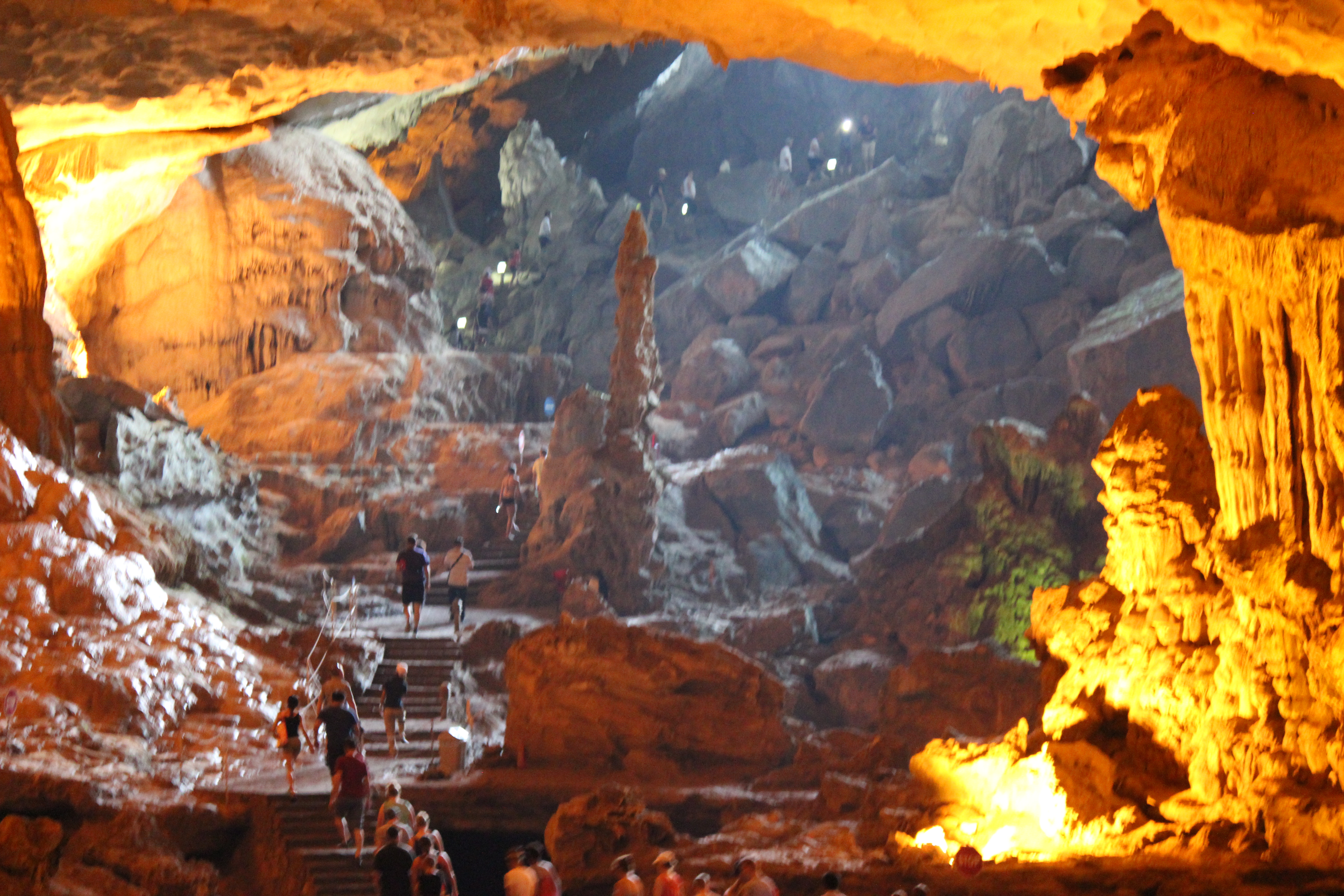
Our final day we checked out of our cabins had breakfast and went on our final excursion before returning to the mainland. Sung Sot Caves (surprise caves) discovered by the French in 1901. In order to reach the caves entrance, you must climb over 100 steps and once up the top the view across Ha Long Bay was amazing. Inside the caves after the first two chambers you will understand where the name comes from. The highlight is the massive chamber inside the island. The ceiling is in some places very high, the rock formation is impressive, it is very difficult not to be impressed with this cave.
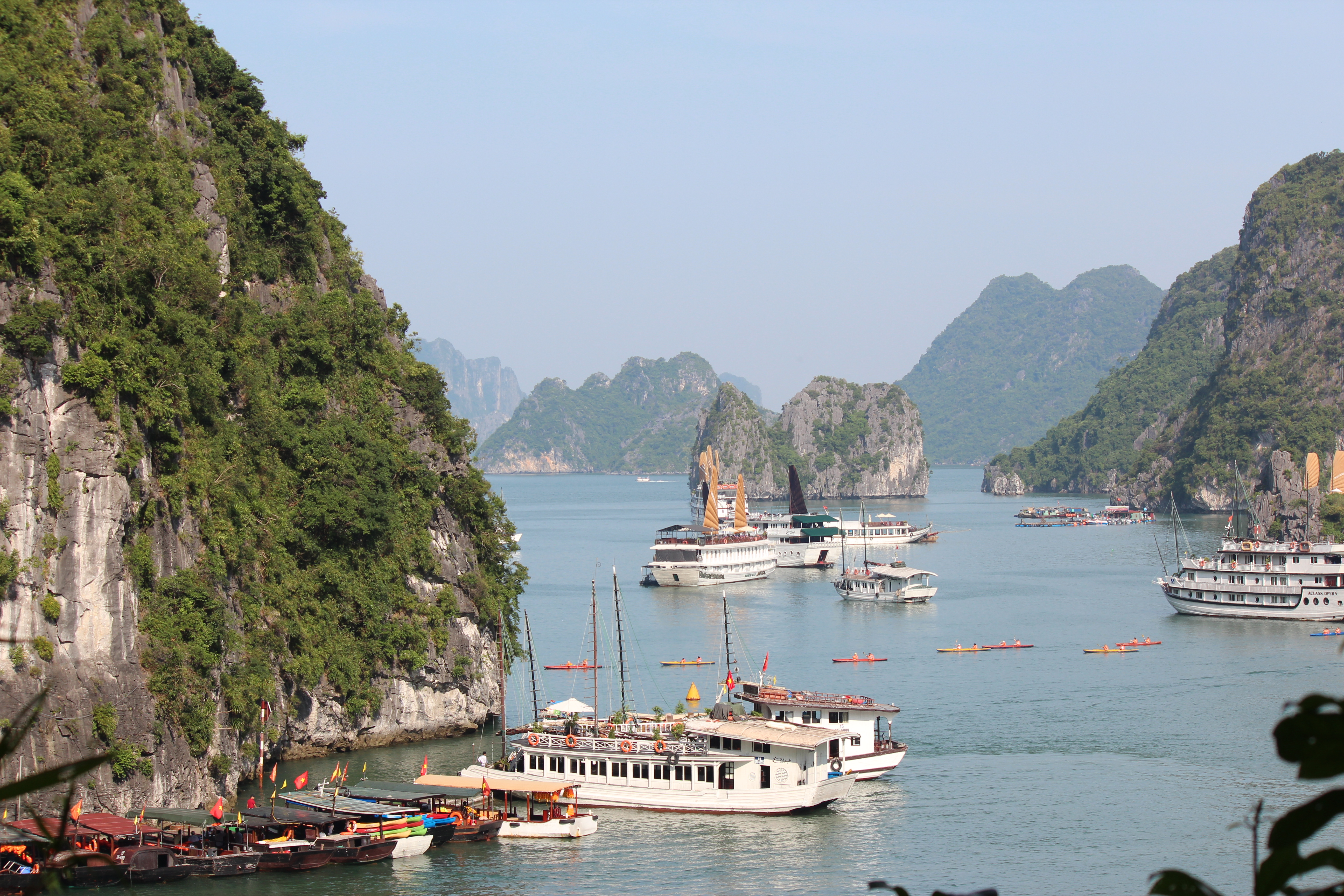
Our time at Ha Long Bay on the Paloma had come to an end and so early in our trip to Vietnam I wondered how it was going to get any better than this. Click Here to read more about this bucket list adventure. While a lot of people opt for the 1-night two-day cruise, I was glad we had that extra day to really live in the moment and take in this place where time seems to slow down, and you can’t help but feel a deep sense of awe for the beauty of the world around you. It’s like something out of a fairy tale, and you never tire of the scenery around you. It isn’t just a site to visit, but an experience that stays with you long after you’ve left its shores.
Danang
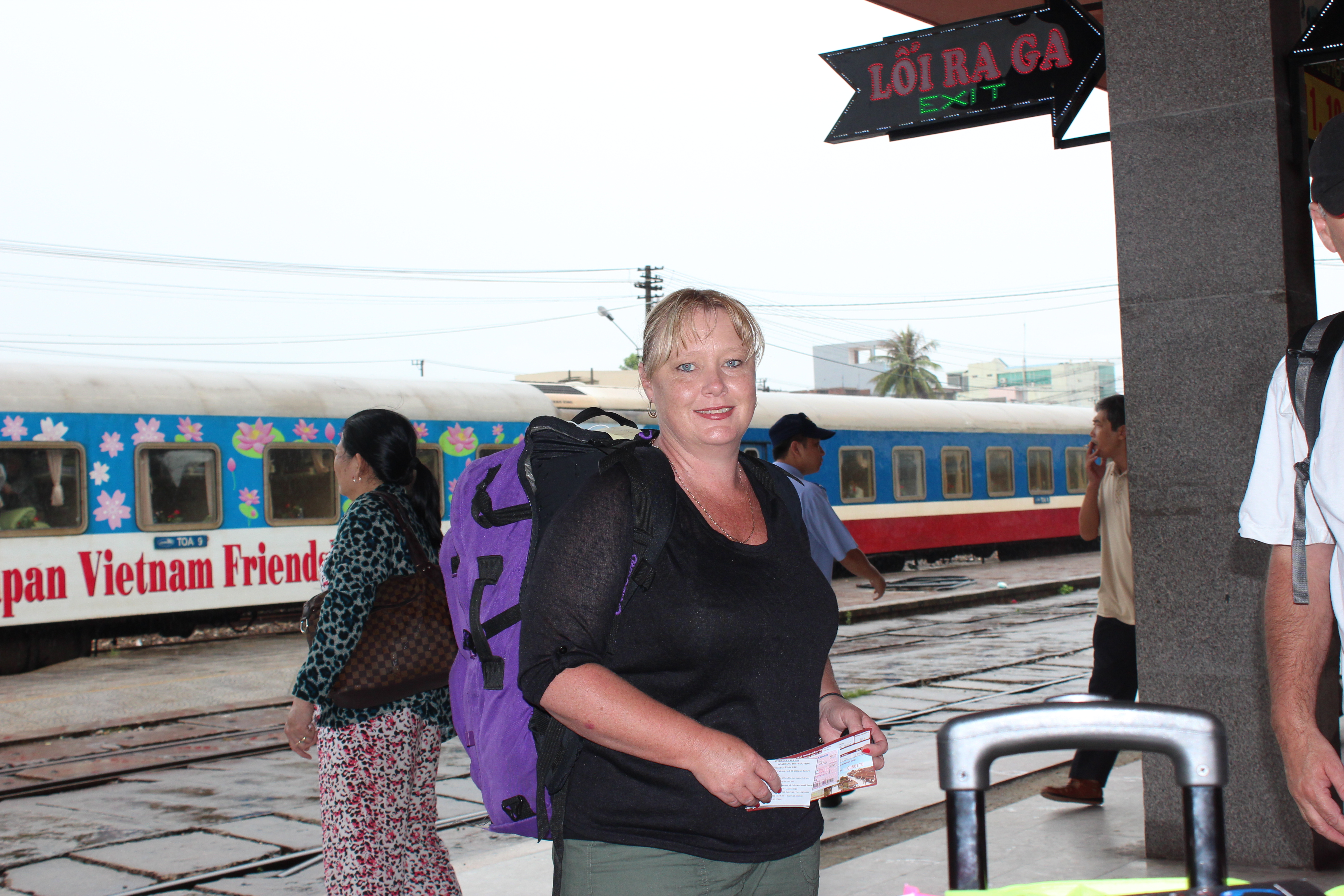
Whenever there is a chance to ride an overnight to train to my next destination, I will sieze the opportunity to combine the cost of transportation and accommodation in one. The best part is you board in the evening and wake up the next day ready to start exploring, unlike flying where you need be at the airport early, check in, go through security, wait for boarding all before taking the actual flight.
The Livitrans Express train departed Hanoi at 7pm and our 4-bed cabin provided us the comfort and privacy we needed to get a good night’s sleep before arriving in Danang the next morning at 10:30am. Before making our way to our accommodation in Hoi An I organized a driver to pick us up from the station and take us on a private tour to Marbel Mountain and My Khe Beach.
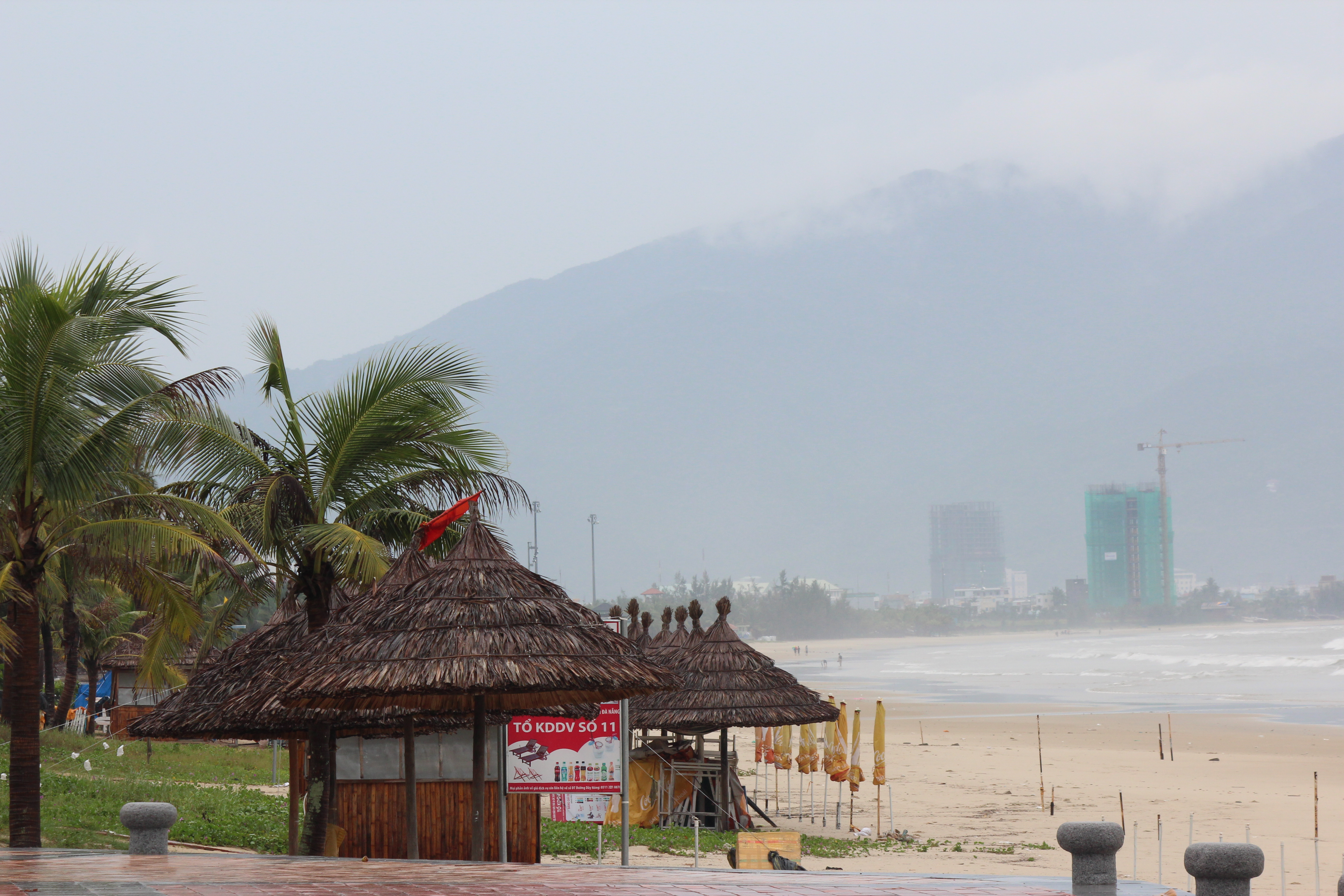
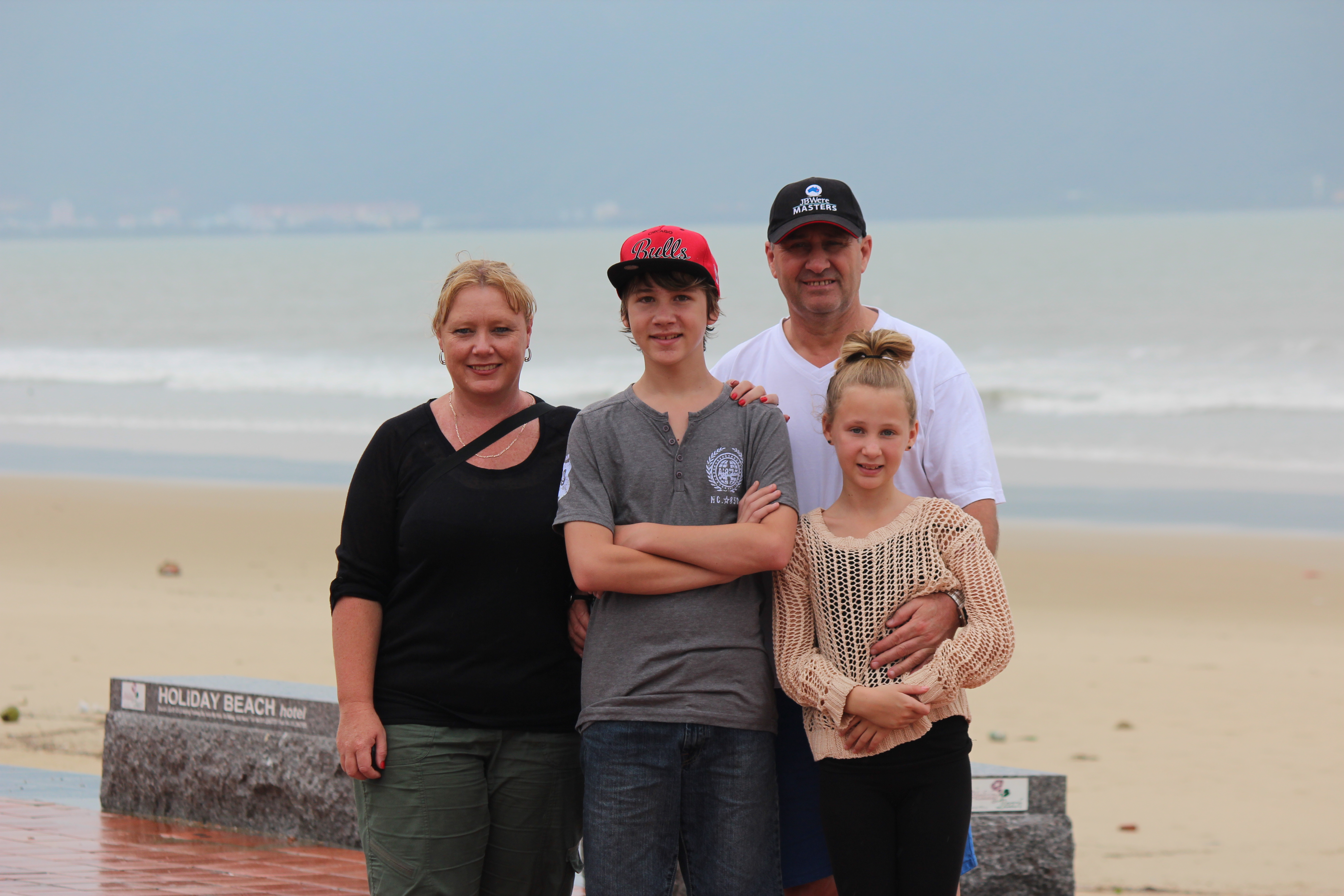
Part of the 30 km of Danang’s coastline is the city’s most popular beach, My Khe Beach. After the arrival of American soldiers in 1965, it became popular with GIs who came here over their holidays. Sandwiched between Monkey Mountain and the nearby Marble Mountains, it has fine white sand and warm water, and is surprisingly clean and isolated on weekdays. Beachfront vendors sell coastal specialties like shrimp, crab, and fish.
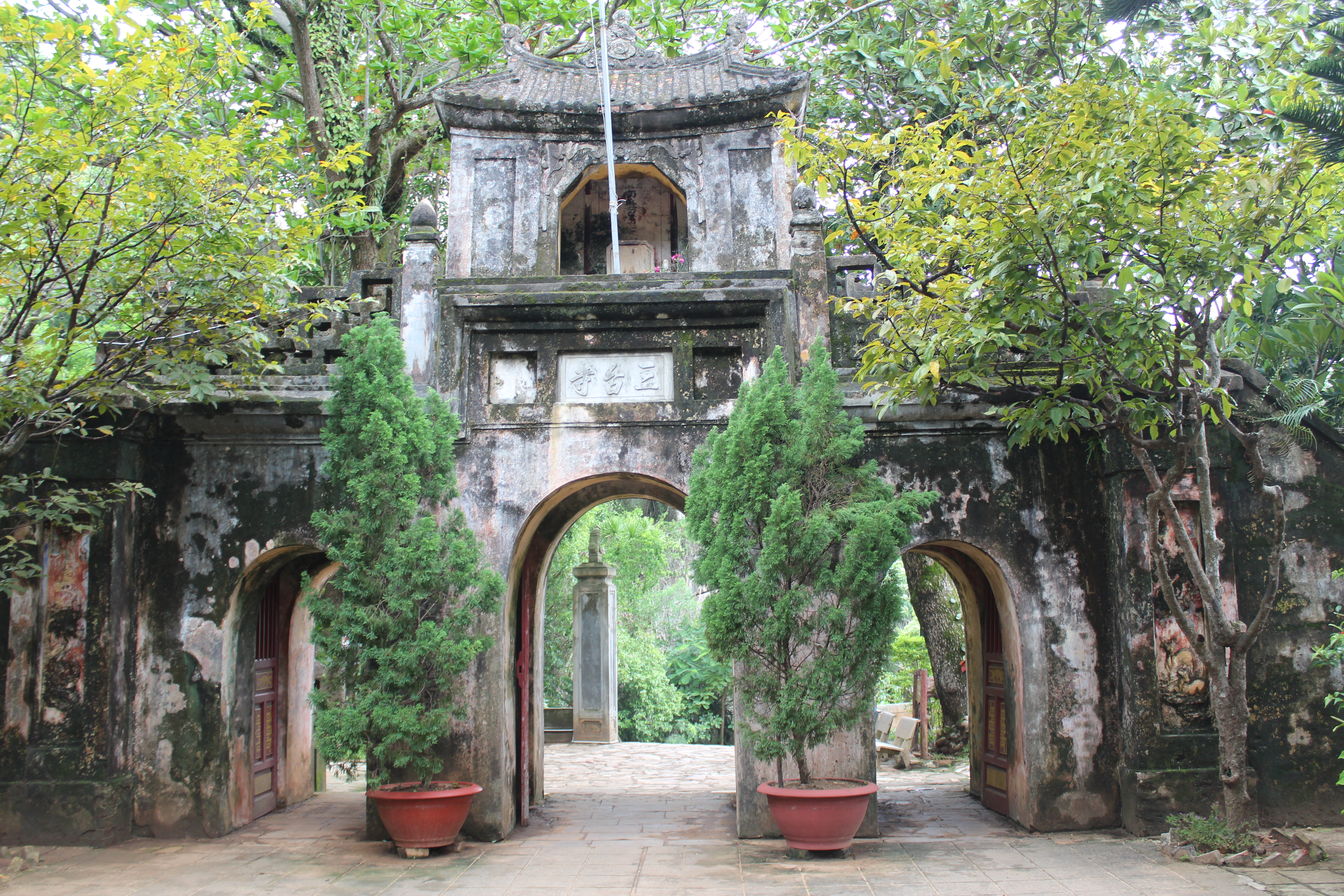
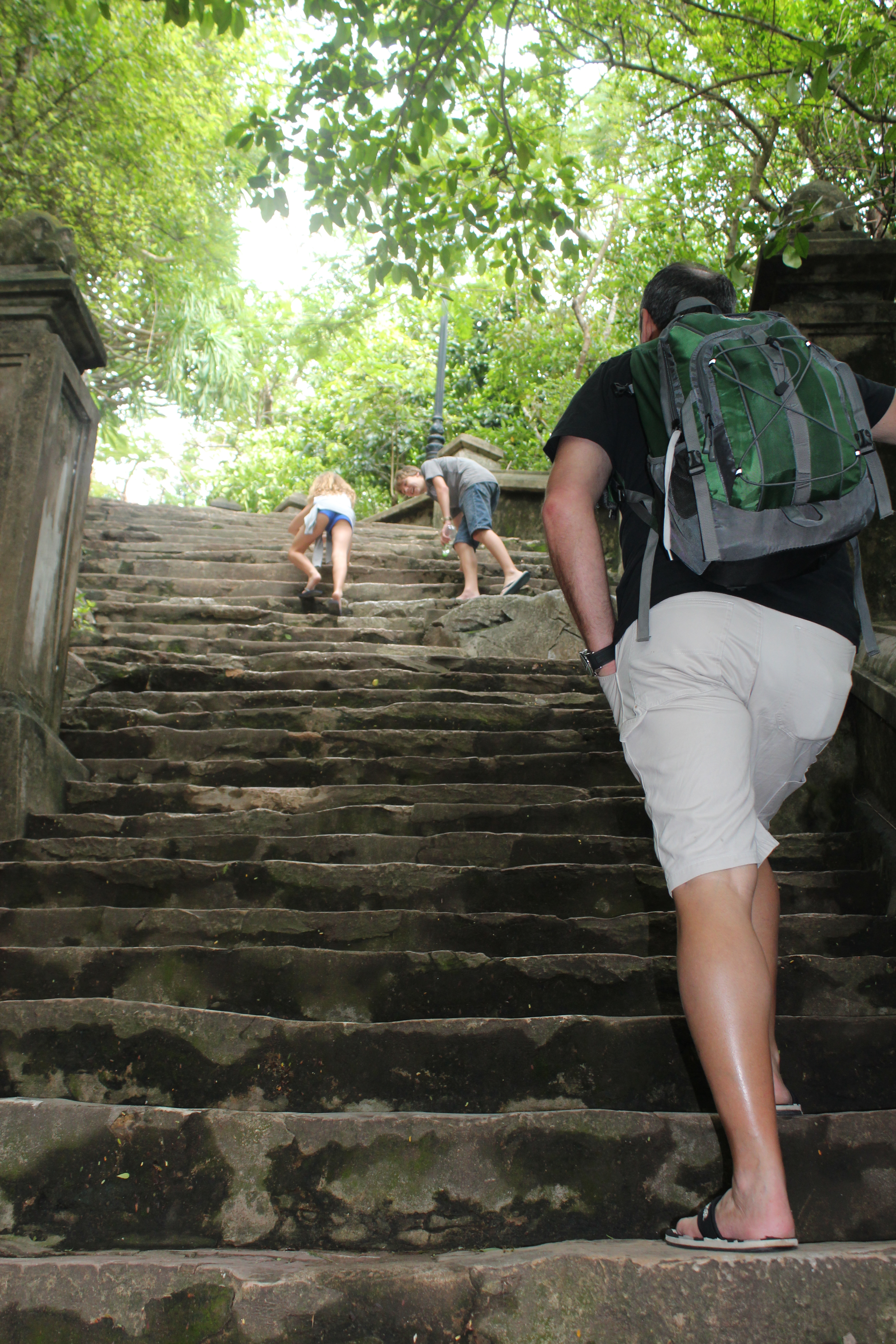
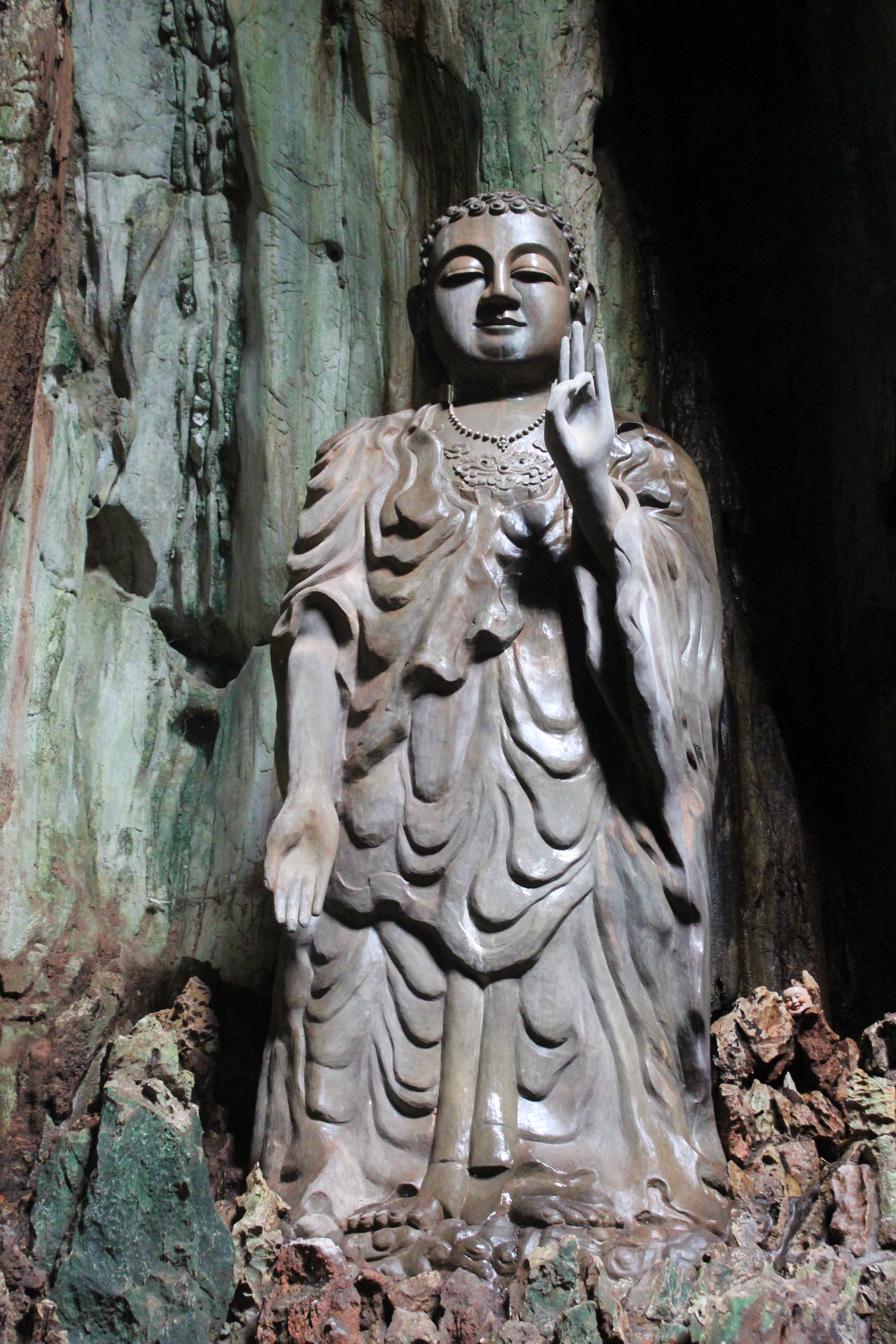
Marble Mountains is a group of five limestone peaks. The five karsts are named after the five elements: Kim (metal), Thuỷ (water), Mộc (wood), Hoả (fire) and Thổ (earth). We had to climb more than a few steps to get up to Marble Mountain, the steps are cut from solid stone and each one takes you up the steep karsts and higher over the horizon. Huyen Khong is the largest of the caves, and a must-visit for Instagrammers. The collapsed ceiling allows shafts of light to pierce the dark cavern, creating dramatic spotlights inside. Huyen Khong was once used as a secret base and later a field hospital for Vietnamese revolutionaries. Its jaw-dropping size seems unlikely from the entrance but is large enough to house a massive stone Buddha and two shrines.
Hoi An
We had been on the move for almost two weeks so planned to have some downtime at a nice resort and take in all Hoi An had to offer at a slower pace. A longer stay also provided the opportunity to have some dresses tailored made for me and a couple of suits for Vin which we shipped home which were already there when we arrived back in Australia.
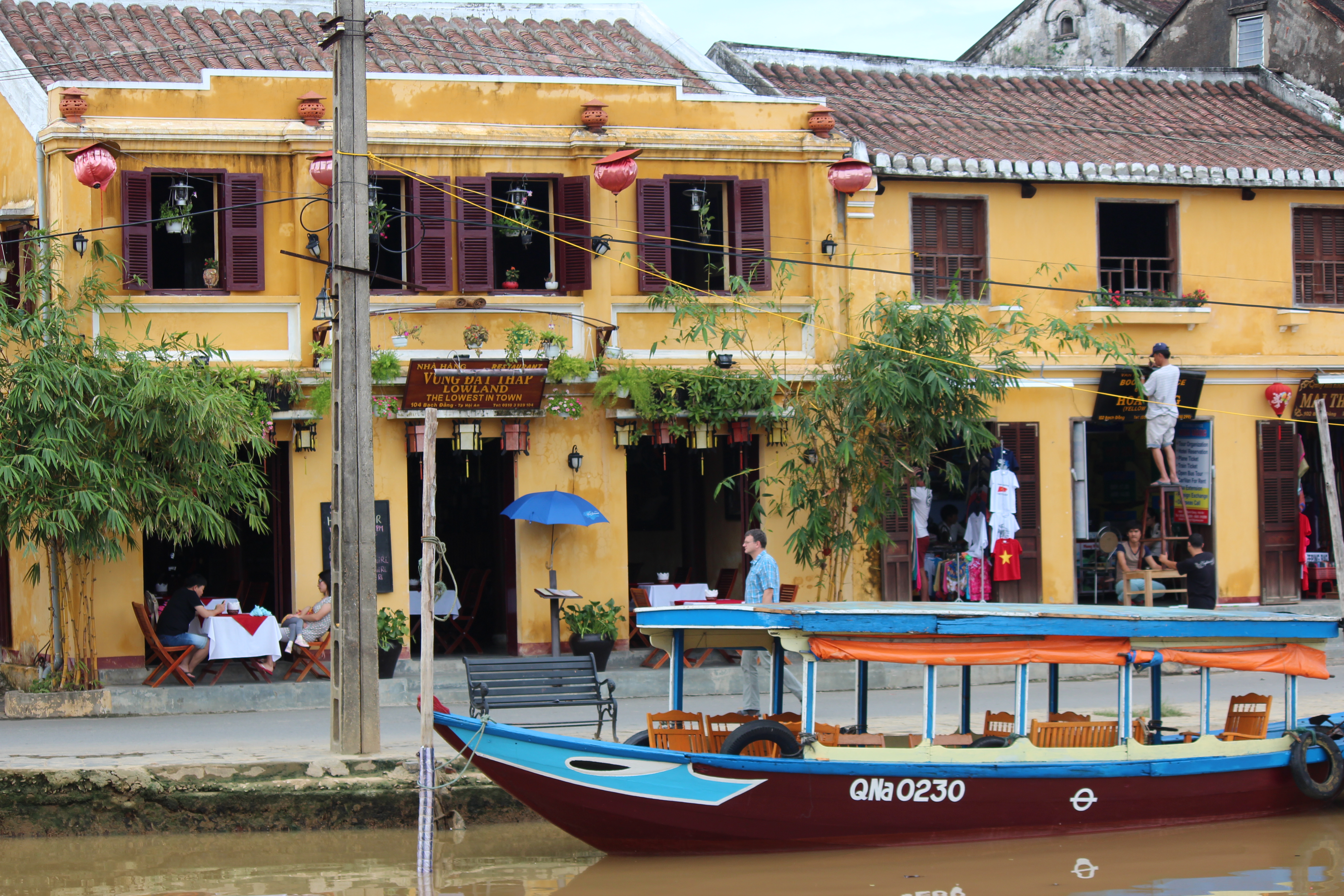
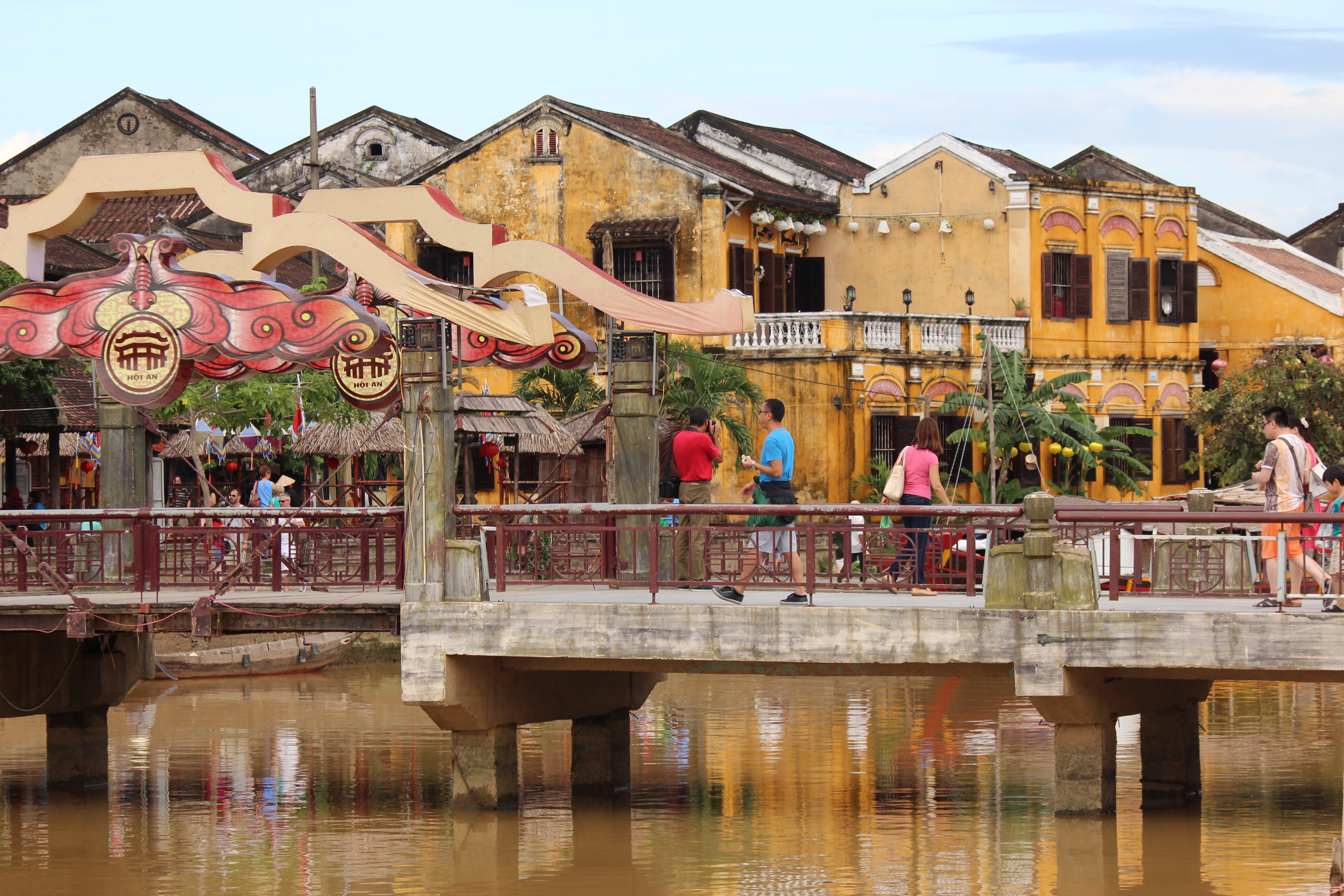
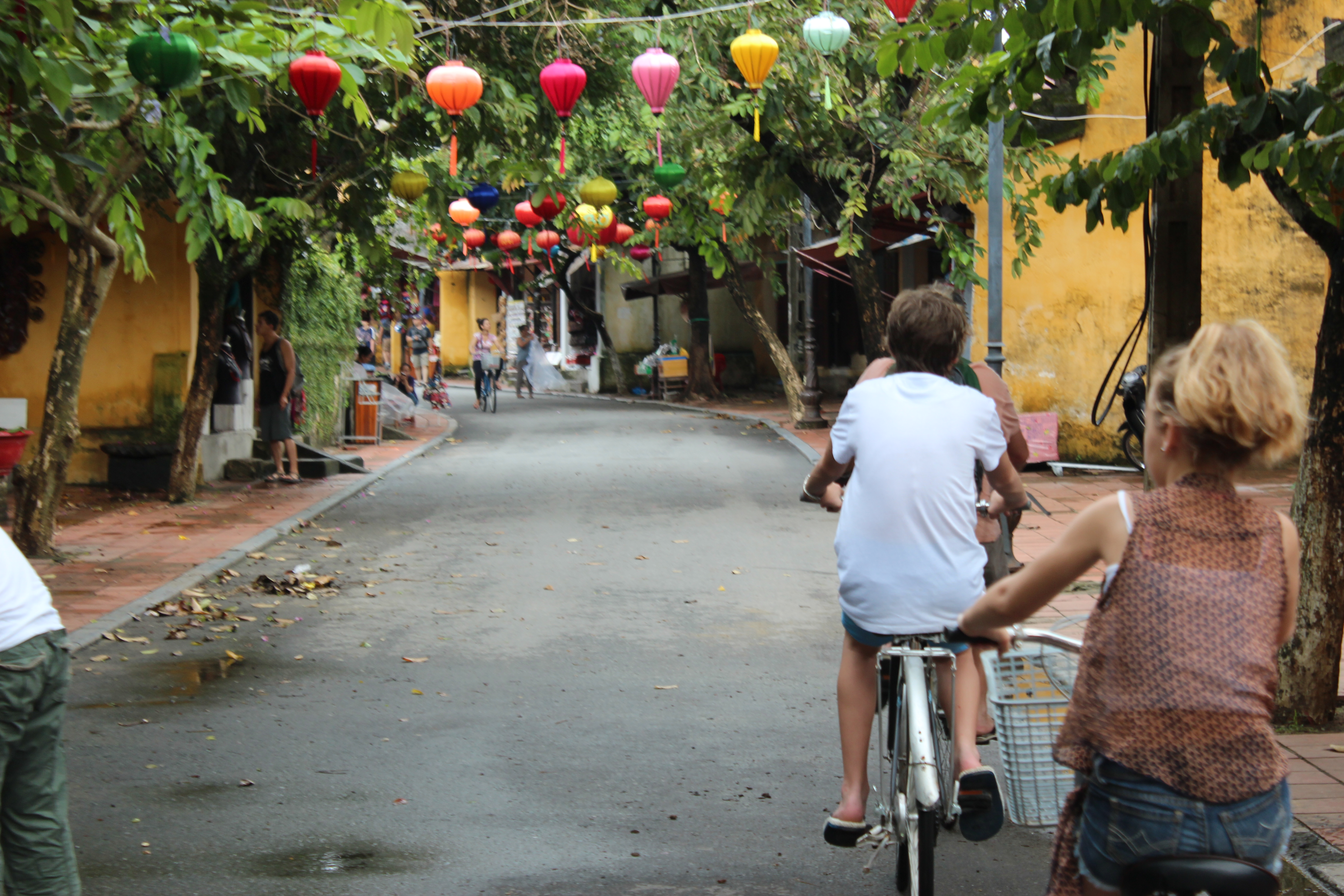
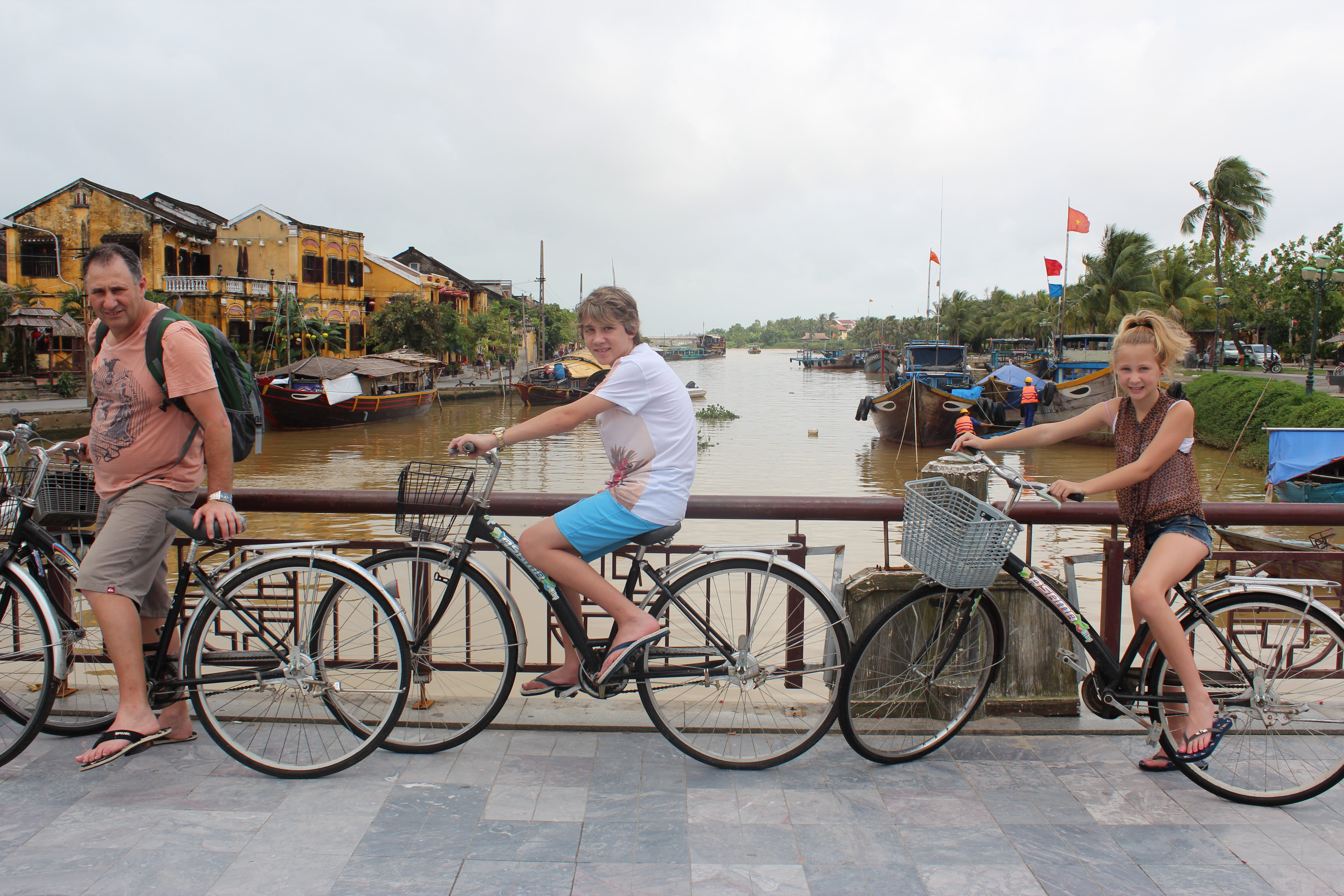
It was nice enjoying some lazy days by the pool but Hoi An had so much to offer and there is no better way to take in the sights of this historic quaint town than jumping on a bike and cycling along the main section of Hoi An. It is closed off to cars and motorbikes, making it much more pleasant and safe to make your way along the main canal and explore this exceptionally well-preserved example of a South-East Asian trading port dating from the 15th to the 19th century.
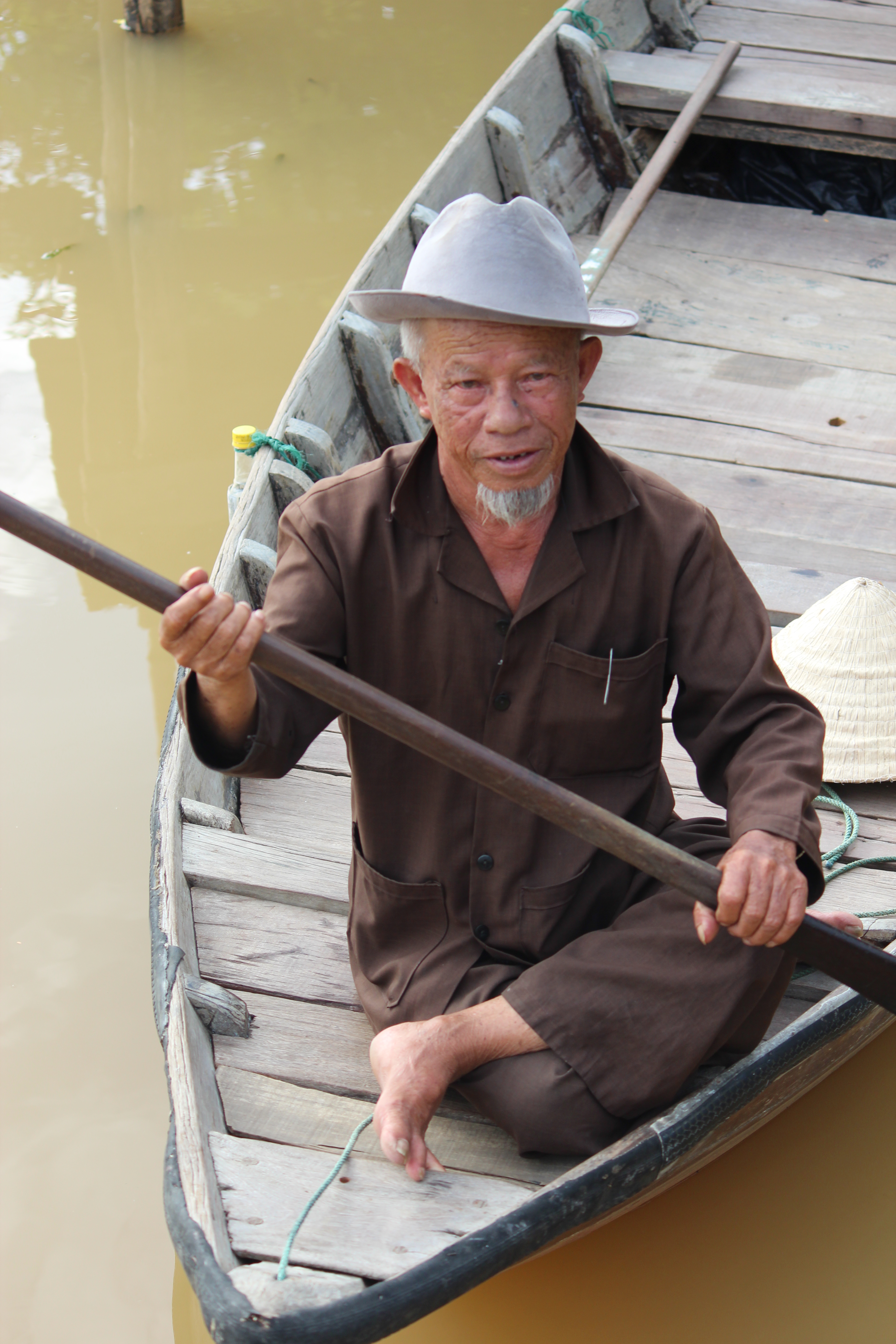
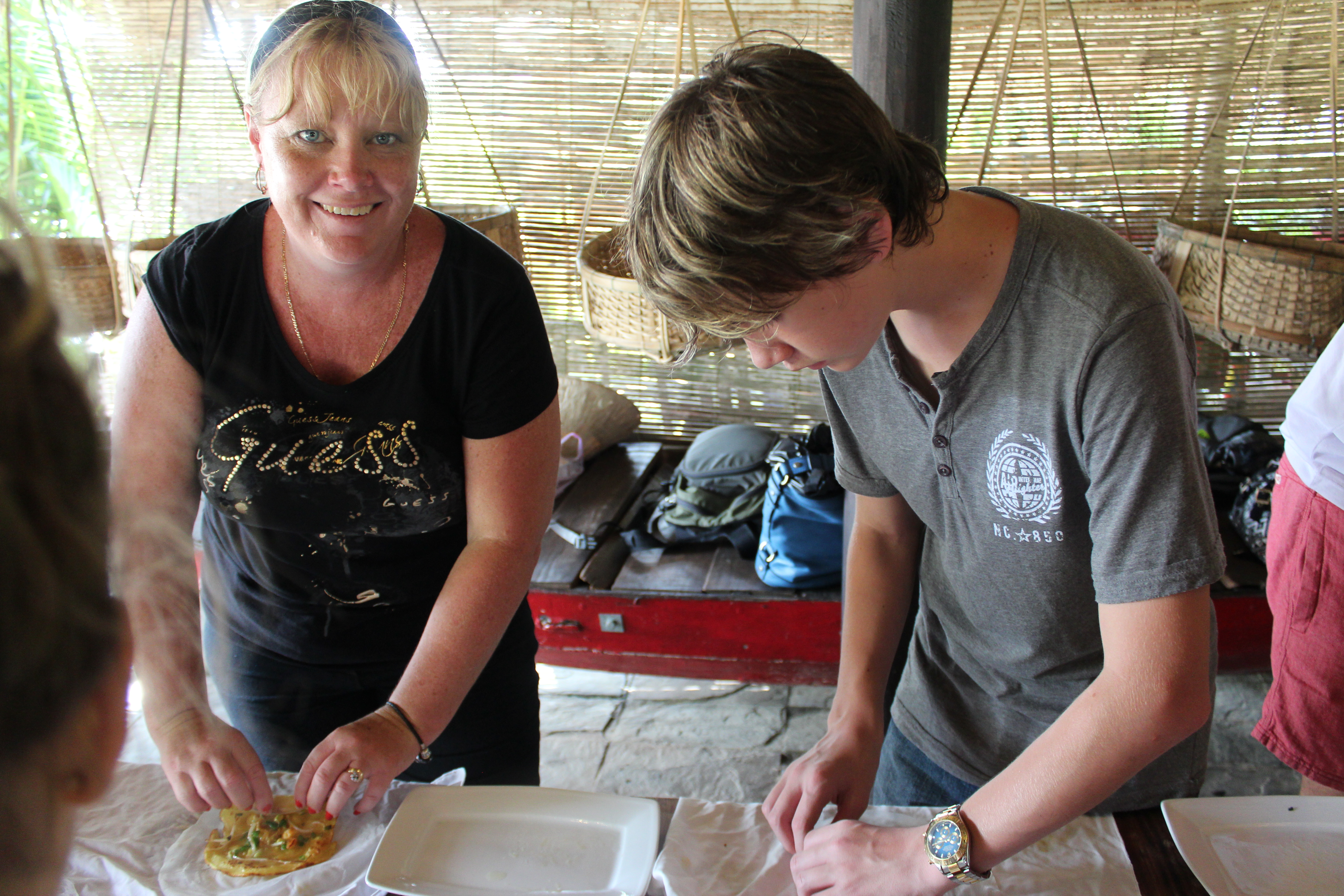
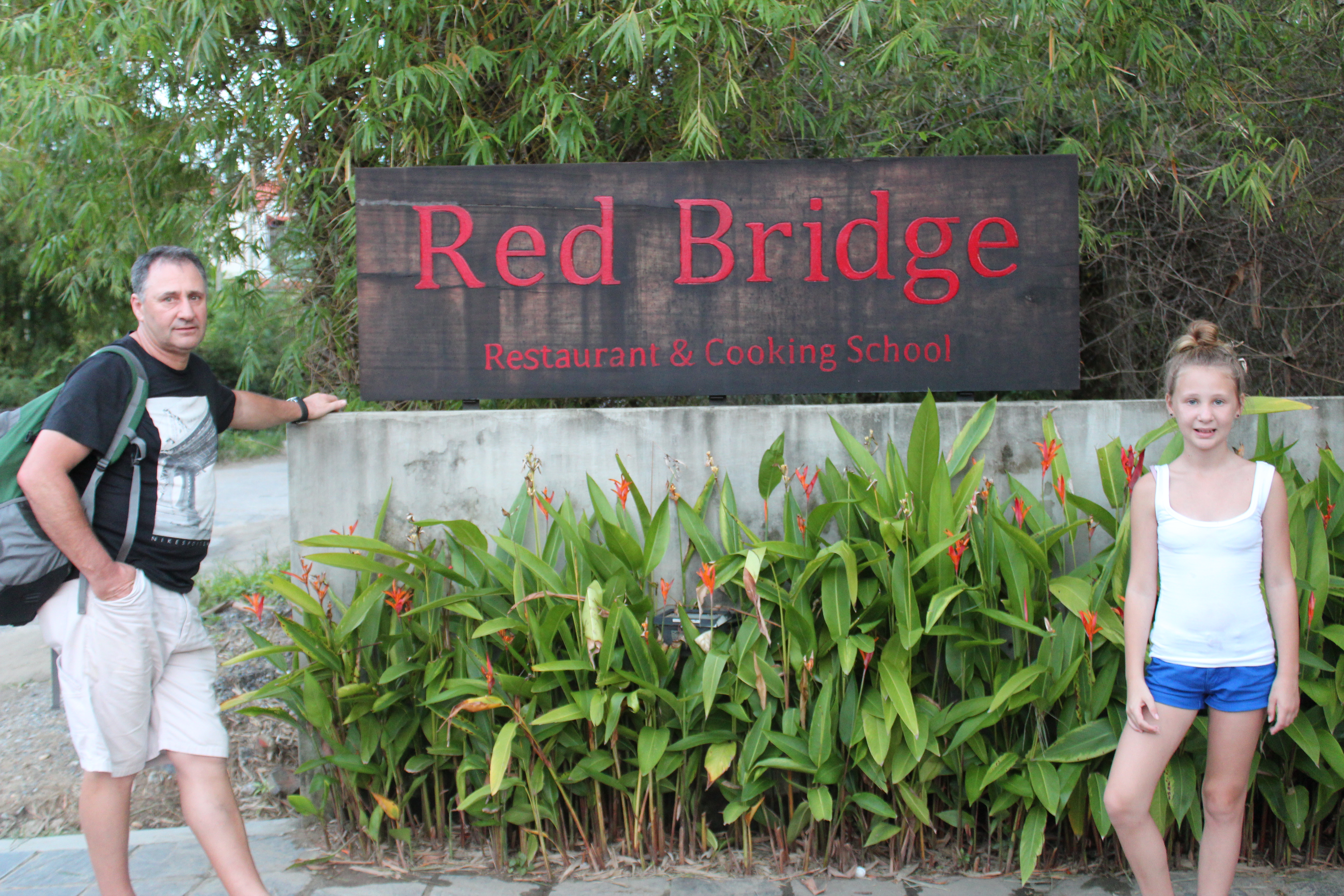
Including a cooking class in our Vietnam itinerary was the best way to learn about Vietnamese cuisine in depth, because food is a big part of the culture, and it was something I wanted to tick of the bucket list. Read more about it here. You can enjoy living in the present by participating in this activity. Shopping at the local market, following the chef’s instructions and redoing a meal in the kitchen, and finally devouring your own creation once it’s ready, was a great activity the whole family got involved in. The popular Red Bridge Cooking School is situated along the banks of the Thu Bon River, just 3 kms from central Hoi An and was recommended to us as the perfect way to spend half a day.
The tour began with a walk to the Hoi An central market, We experienced the amazing sights, sounds and aromas of this busy market and the kids got a real laugh at the ducks pictured below in the carrying pole of a street vendor.

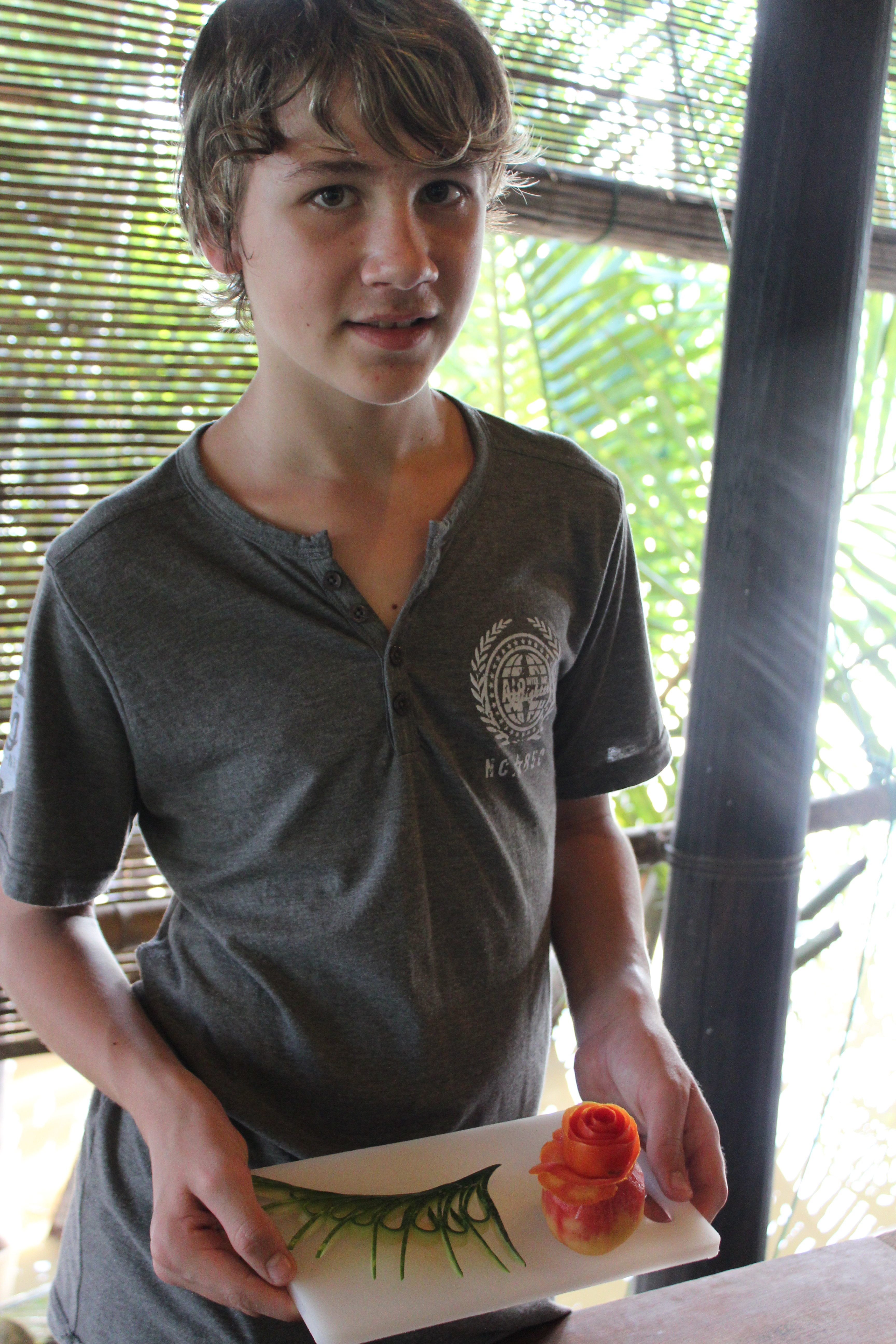
After finishing buying the cooking ingredients, we took a Red Bridge boat to go along the Thu Bon River to the Red Bridge Cooking School. The Red Bridge chef first demonstrate each dish before we prepared the same dish ourselves. Included in the class is a brief introduction to Vietnamese food carving (plate decoration). After the lesson, we sat down and ate what we cooked.

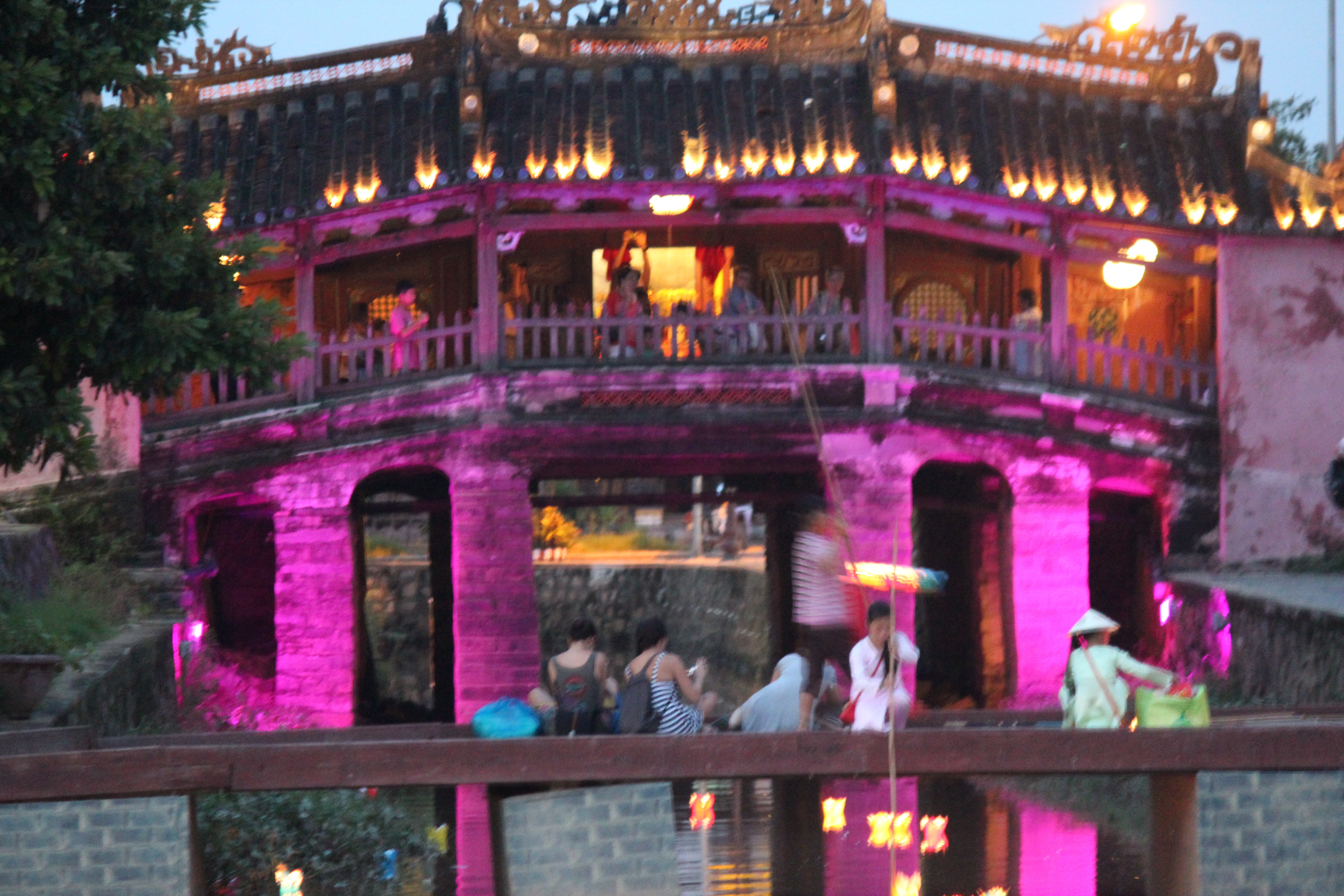
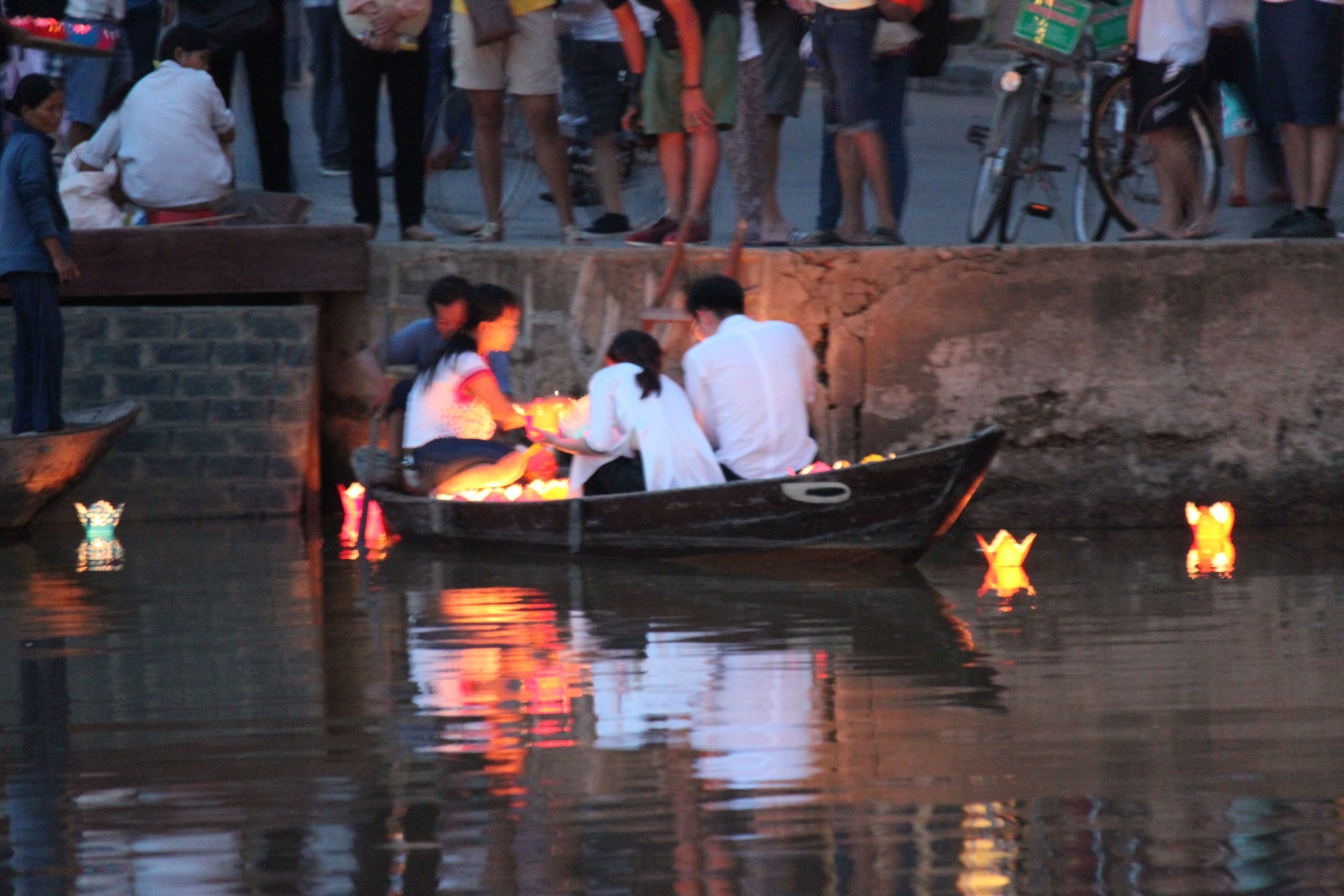
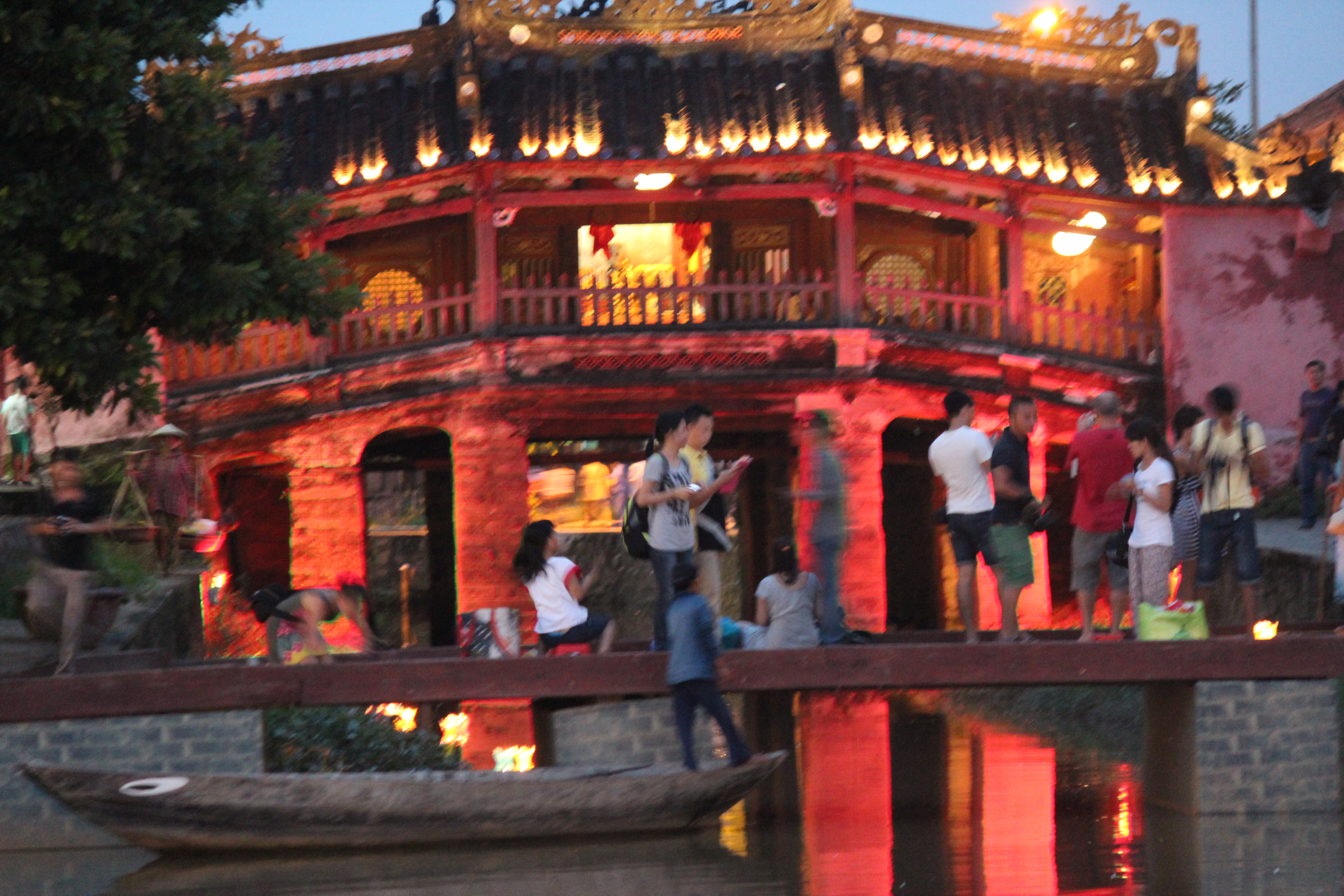
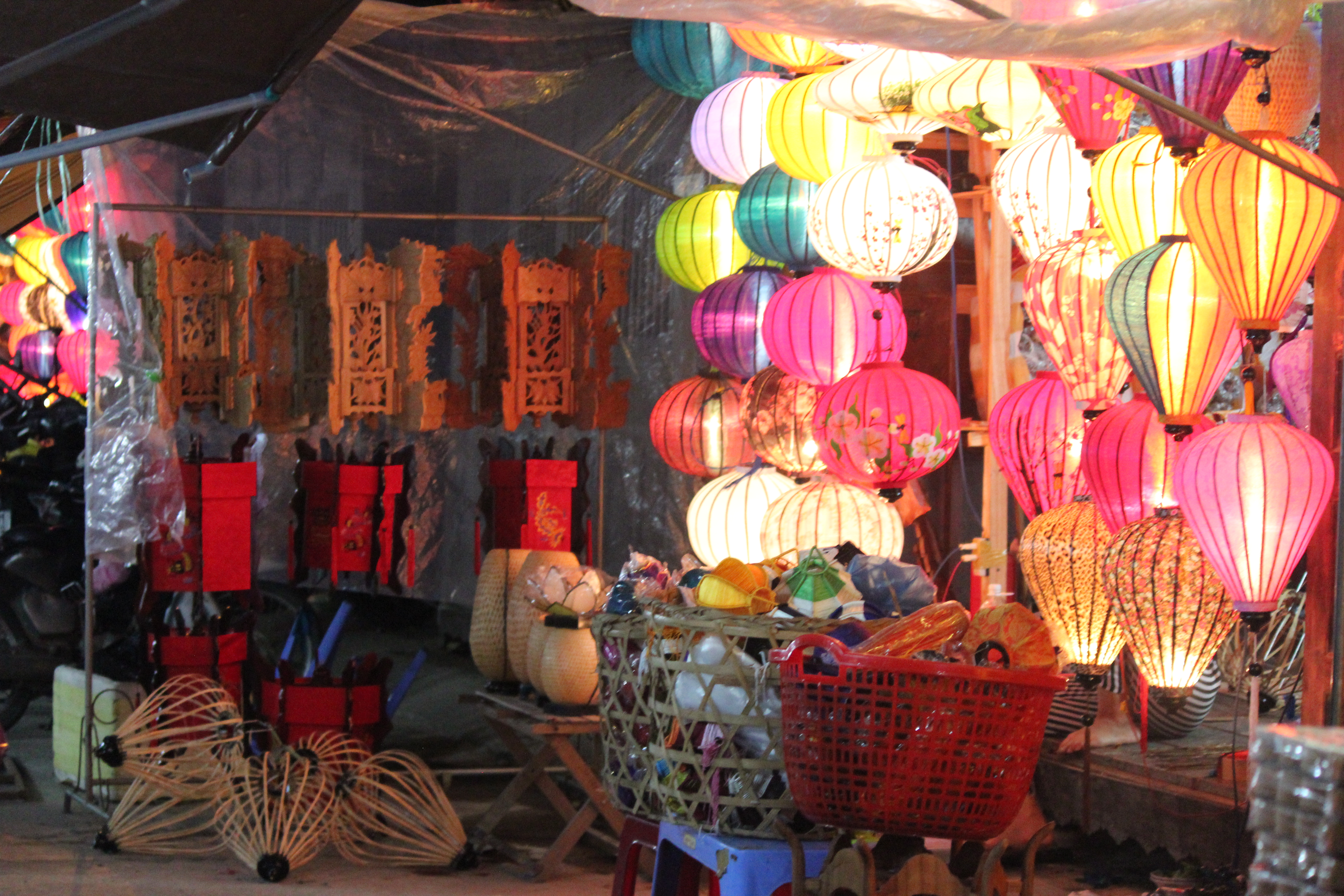
The Japanese bridge is probably the most popular tourist attraction in Hoi An. It’s a beautiful, covered timber bridge built on stone pillars. It has a Taoist temple in it that is quite small but very charming. Simply strolling through its narrow streets admiring the tiled buildings with carved wooden doors is an experience in itself. Hoi An is truly beautiful during the day but it really comes alive as the sun sets and the lanterns turn on, lighting up the town in the warm glow of yellow, red, and green light. It is a truly magical site.
Nha Trang
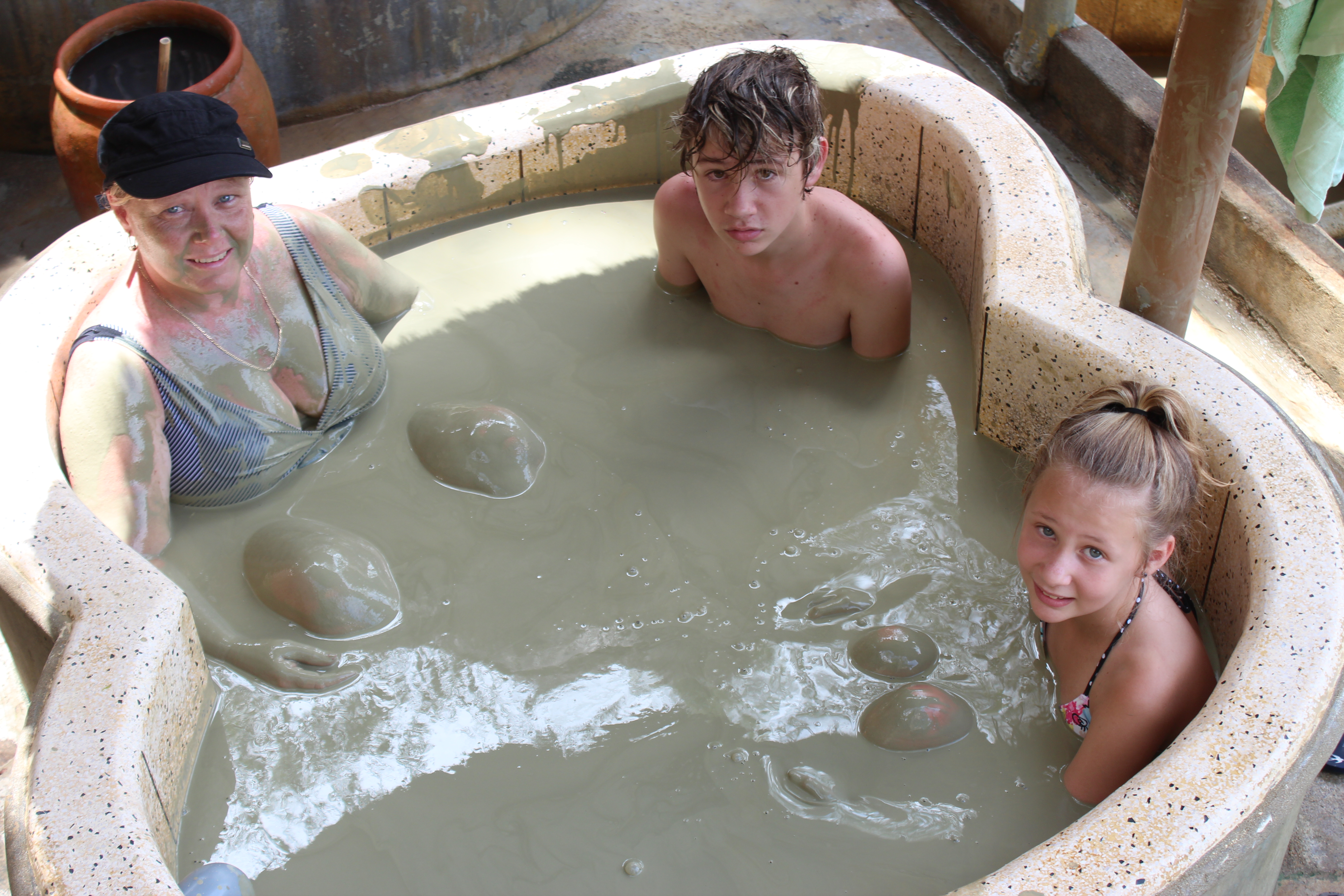
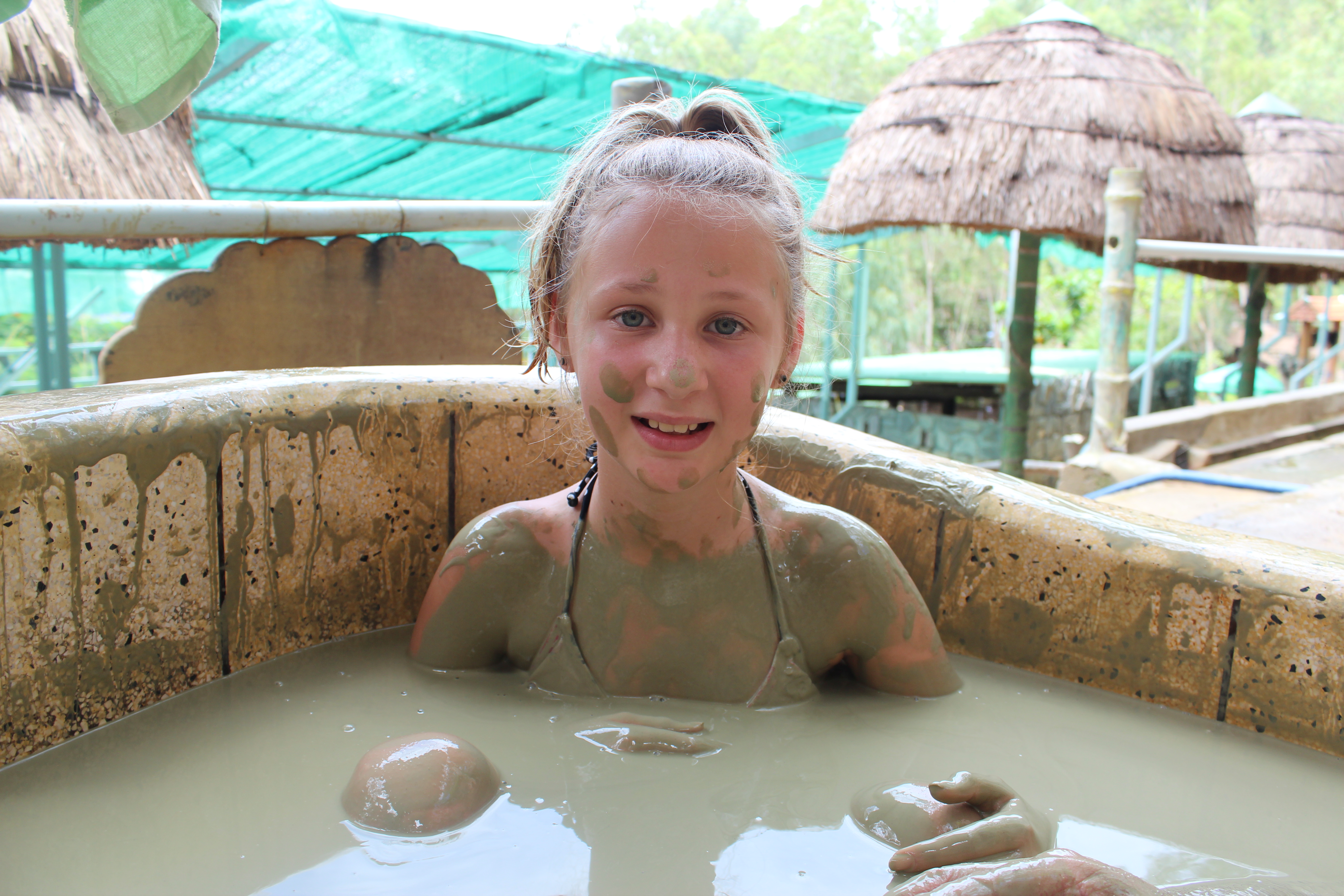
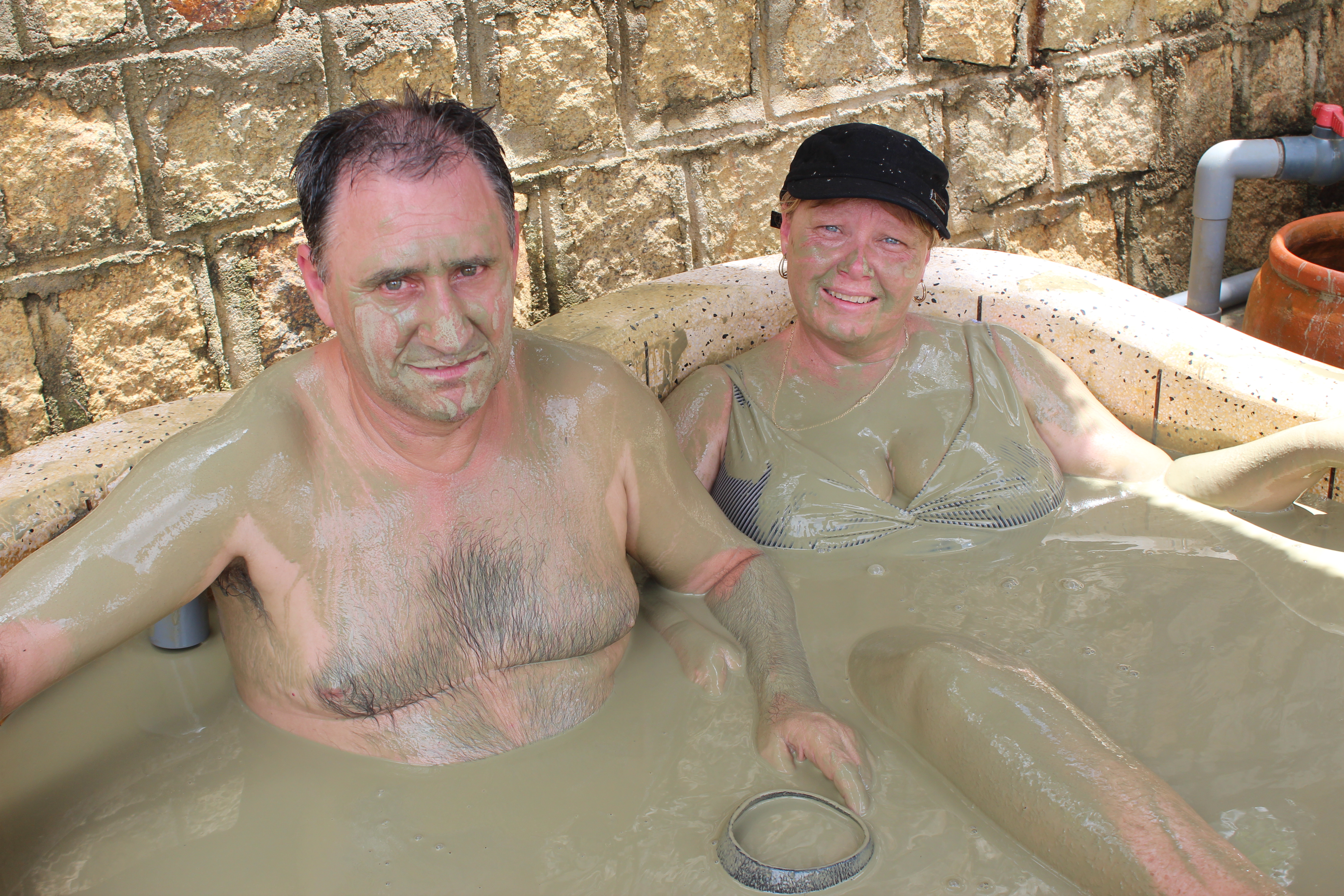
We departed Danang on the Reunification express overnight train, arriving in Nha Trang 7:40am. We made our way to the Hotel, dropped our luggage and caught a taxi to the Thap Ba Mud Bath Hot Springs. The area is surrounded by lush landscapes, with hills and tropical greenery, creating a peaceful and serene atmosphere that adds to the overall experience. It is famous for its natural mineral-rich mud, which is believed to have healing properties for the skin and body. We immersed ourselves in one of the warm, thick mud pools, which are soothing and relaxing. The sensation of being enveloped in the soft, velvety mud is one of the highlights of the experience. There are also several hot spring pools, with varying temperatures, allowing visitors to choose their preferred level of warmth. Thap Ba Mud Bath Hot Springs offered an authentic taste of Vietnam’s natural spa culture, with its unique blend of nature, wellness, and tradition.
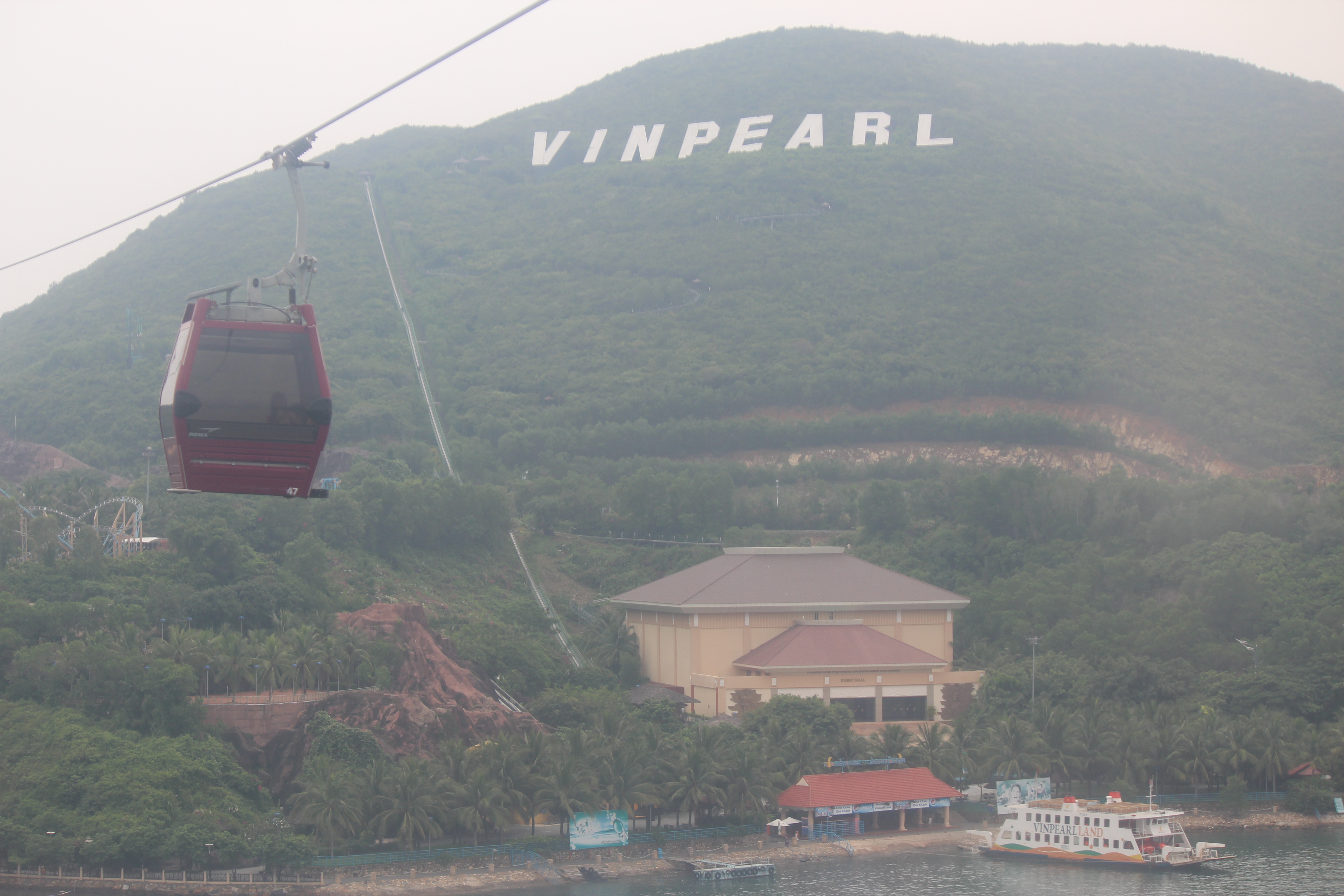
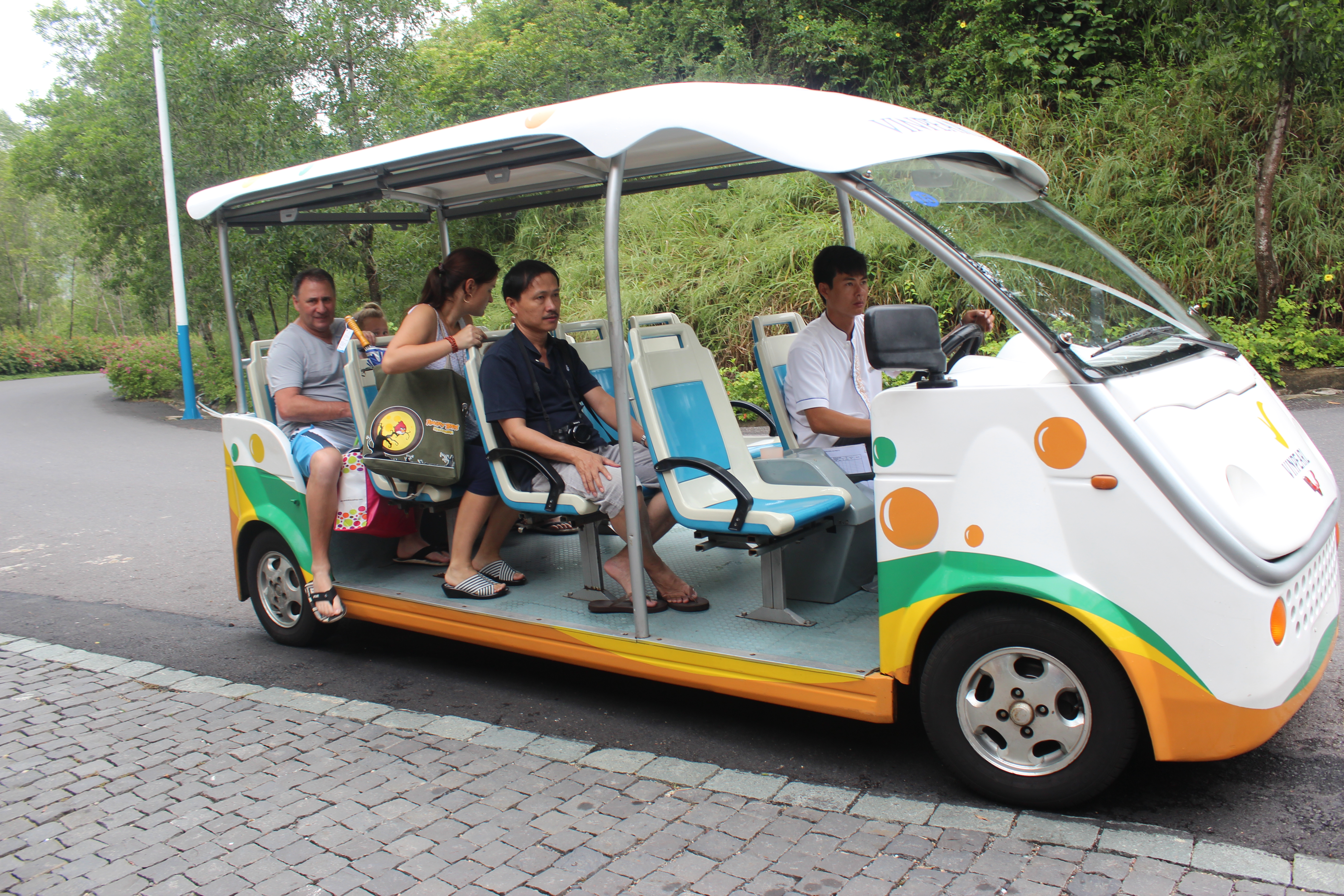
Our main reason for visiting Vinpearl Island in Nha Trang was that we saw it featured on a travel show, and it instantly captured our imagination. The segment painted such a vivid picture of the island’s natural beauty, exciting attractions, and luxurious resorts that we couldn’t resist the urge to experience it for ourselves. The island is approximately 5Km’s from Nha Trang city centre, and you can reach the island by cable car, which is one of the longest over-water cable car rides in the world, offering panoramic views of the sea and the surrounding islands. Alternatively, boats or ferries are available for a more traditional approach to the island.
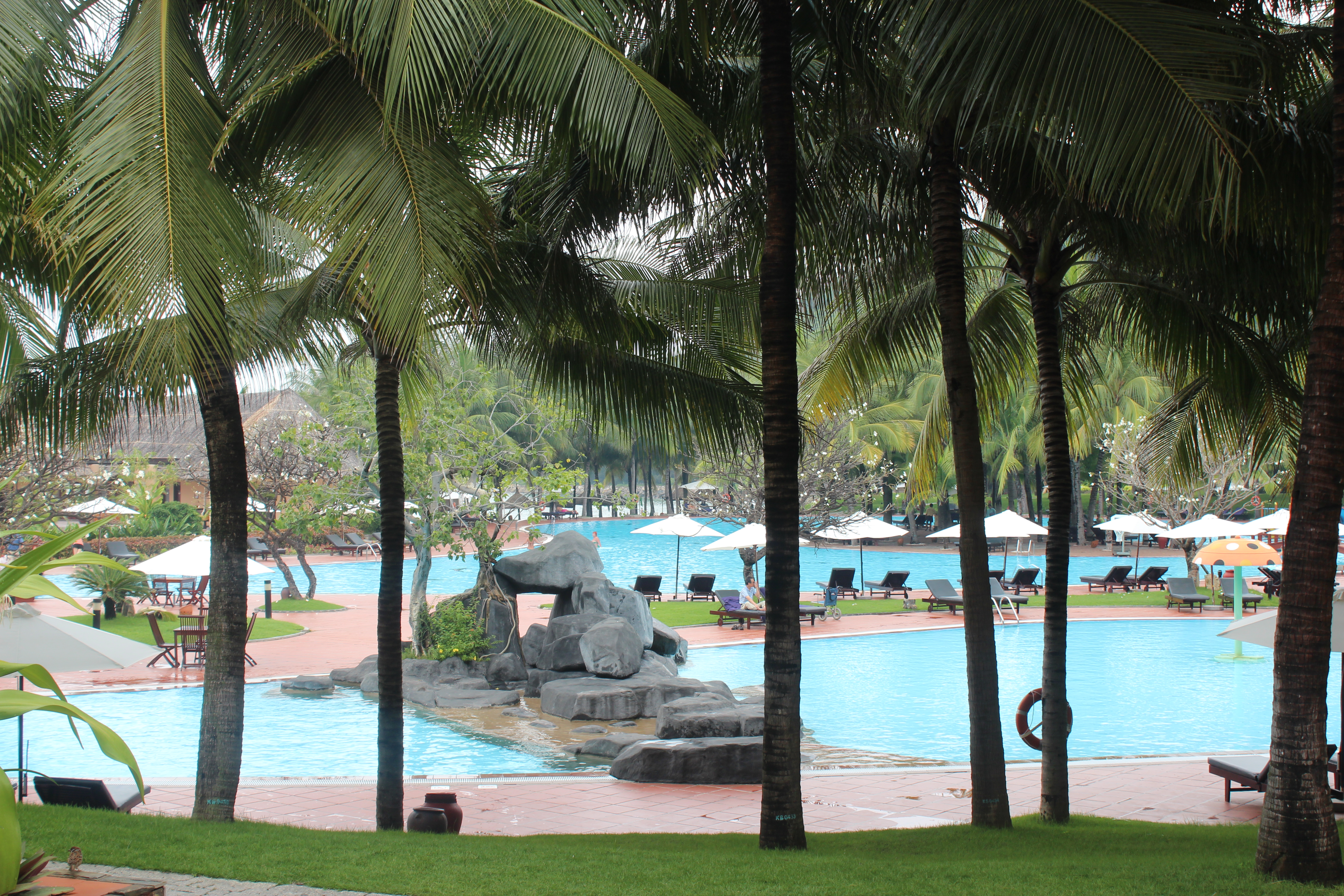
We spent 3 nights lapping up the luxury of the resort and visiting its attractions which included a waterpark with slides, wave pools and lazy rivers. The Vinpearl Aquarium is home to a variety of marine life, including exotic fish and sea creatures, displayed in impressive tanks and the theme park had a variety of rides and activities, including roller coasters, Ferris wheels, and a 4D cinema. It felt like a hidden gem we couldn’t wait to explore, and once we arrived, it exceeded our expectations in every way. From the scenic beauty to the family-friendly activities, the island offered everything we had hoped for and more.
Ho Chi Minh City
Ho Chi Minh City, also known as Saigon, is the largest and most dynamic city in Vietnam, located in the southern part of the country near the Mekong Delta. It is a sprawling metropolis that blends modernity with historical charm. The city is famous for its chaotic yet energetic traffic, especially the ever-present sea of motorcycles. The roads are filled with motorbikes, cars, and buses, making crossing the street a unique challenge. Despite the frenetic pace, Ho Chi Minh City has a lively, almost contagious energy, with markets, street food stalls, and neon signs dotting every corner.
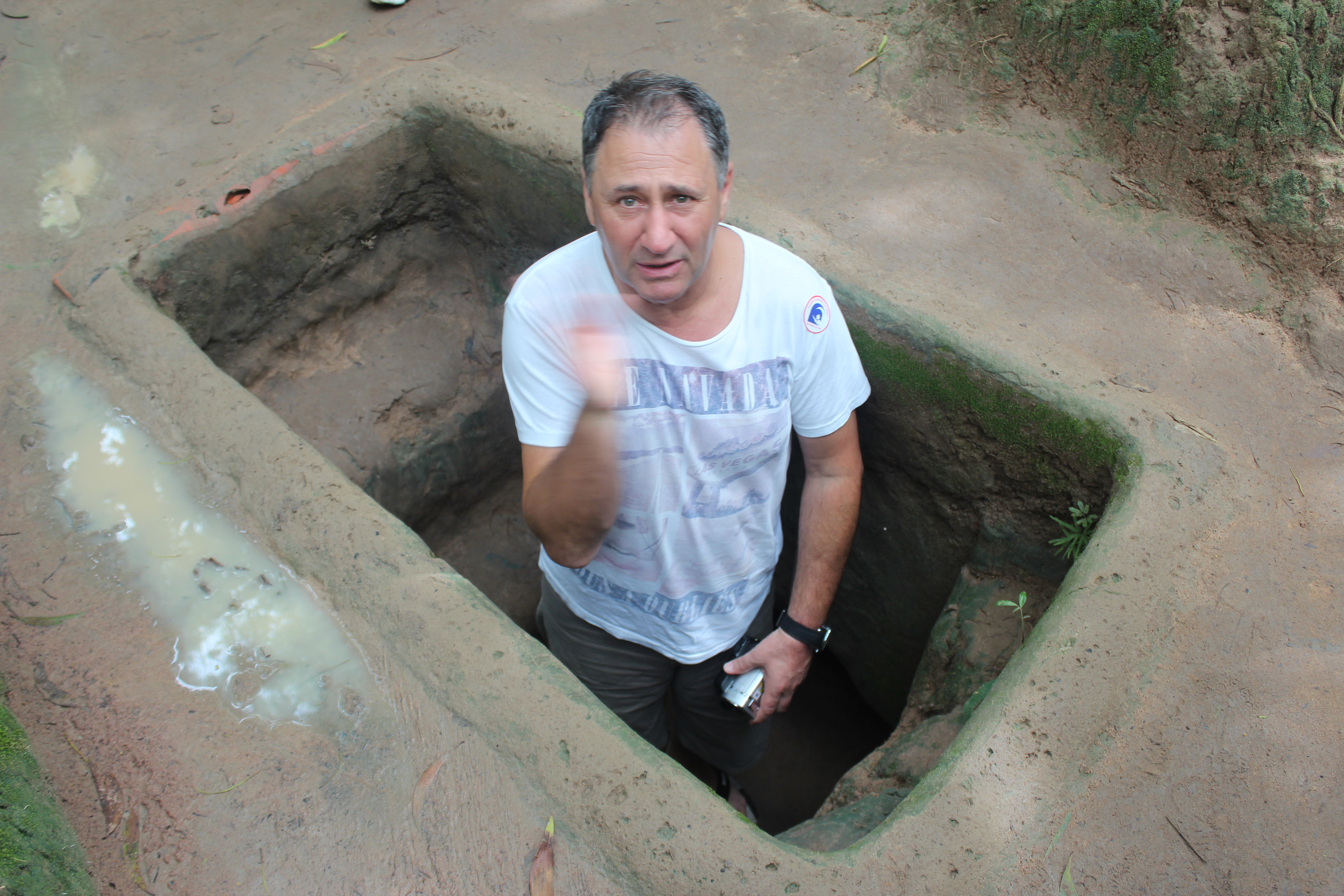
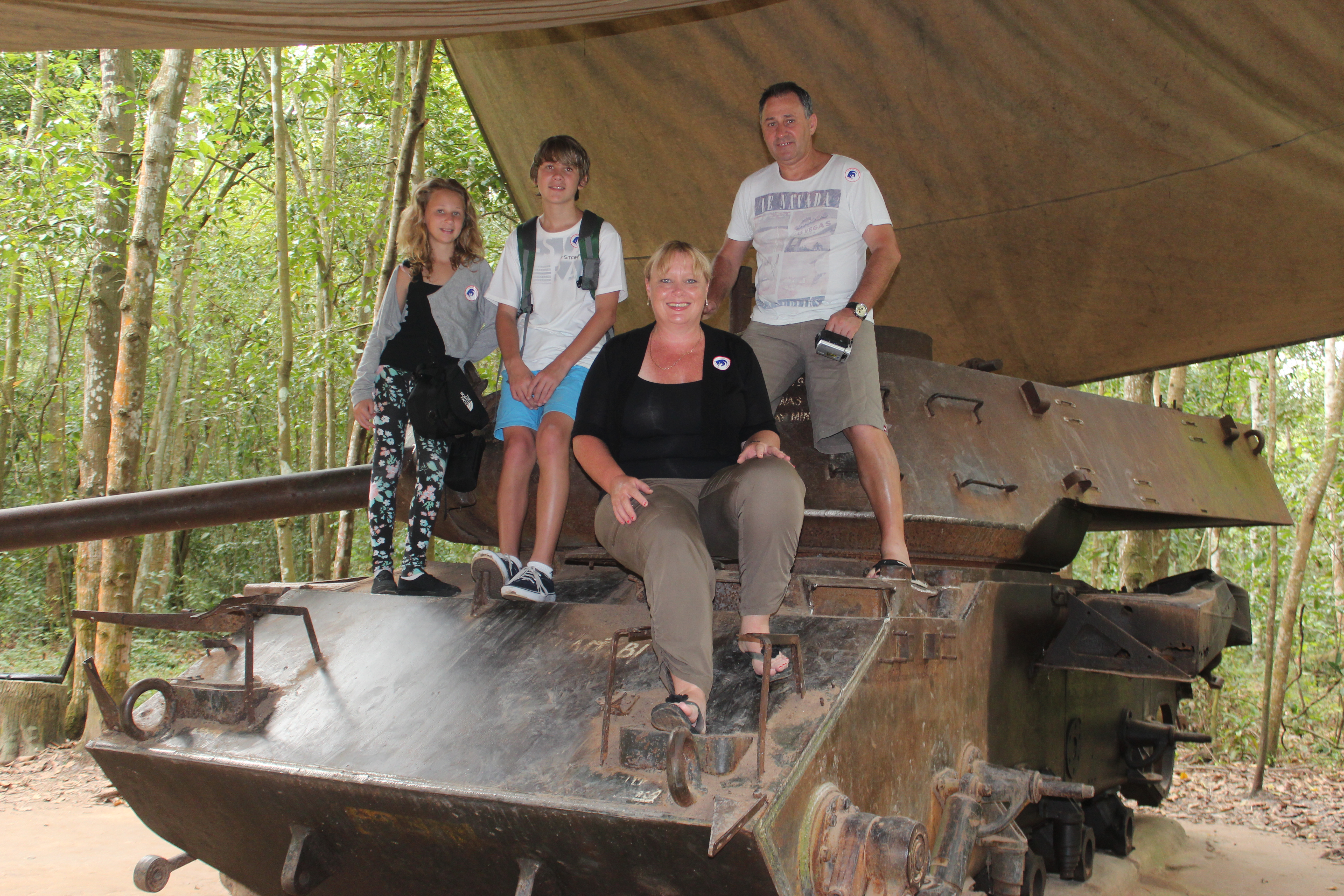
The Cu Chi Tunnels are a vast network of underground tunnels located in Cu Chi District, about 70 Km’s northwest of Ho Chi Minh City and one of the main reasons for our stay here. They are one of the most significant historical sites in Vietnam, particularly due to their role during the Vietnam War. The tunnels are a testament to the ingenuity, resilience, and determination of the Vietnamese people, who used them to fight against the French colonialists and later the American forces.
Today, the Cu Chi Tunnels are a major tourist attraction and a poignant reminder of Vietnam’s wartime past. The site is well-preserved and has been partially expanded to accommodate visitors, but much of the original tunnel system is still intact. There are several areas where tourists can explore the tunnels, crawl through narrow sections, and learn about the history of the tunnels and the war through guided tours. The Cu Chi Tunnels are a historical and cultural landmark, offering a fascinating and sobering look at the Vietnam War. Whether you’re a history enthusiast or someone seeking to understand the impact of war on a community, the Cu Chi Tunnels offer a powerful and thought-provoking experience.

Ho Chi Minh City has a deep cultural heritage influenced by its historical role as a colonial outpost, as well as its significance in the Vietnam War. Key cultural landmarks include the War Remnants Museum, a poignant and eye-opening museum detailing the events and aftermath of the Vietnam War. The Reunification Palace, a symbol of the end of the Vietnam War, where the fall of Saigon took place in 1975, and Cholon (Chinatown), a bustling district filled with Chinese-influenced temples, markets, and traditional food.
Mekong Delta
This for me was by far the highlight of our time in Vietnam. The Mekong Delta in southern Vietnam is a vast network of rivers, swamps, and islands, often referred to as the “Rice Bowl” of Vietnam due to its agricultural importance. This region is characterized by its lush landscapes, tranquil waterways, and a way of life that is closely intertwined with the river. Life in the Mekong Delta is marked by its floating villages and floating markets, which offer a unique insight into the customs and daily rhythms of the local communities.
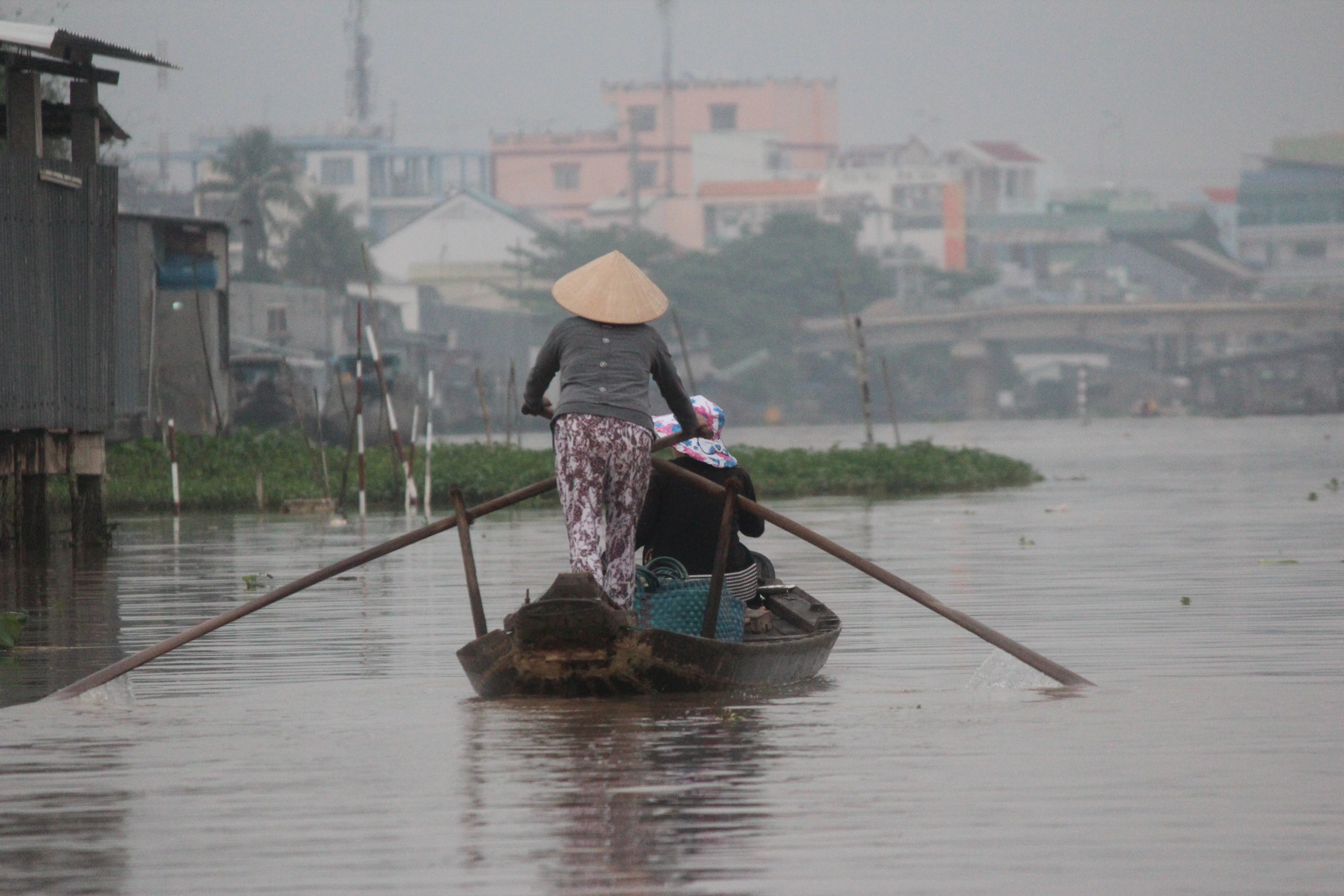
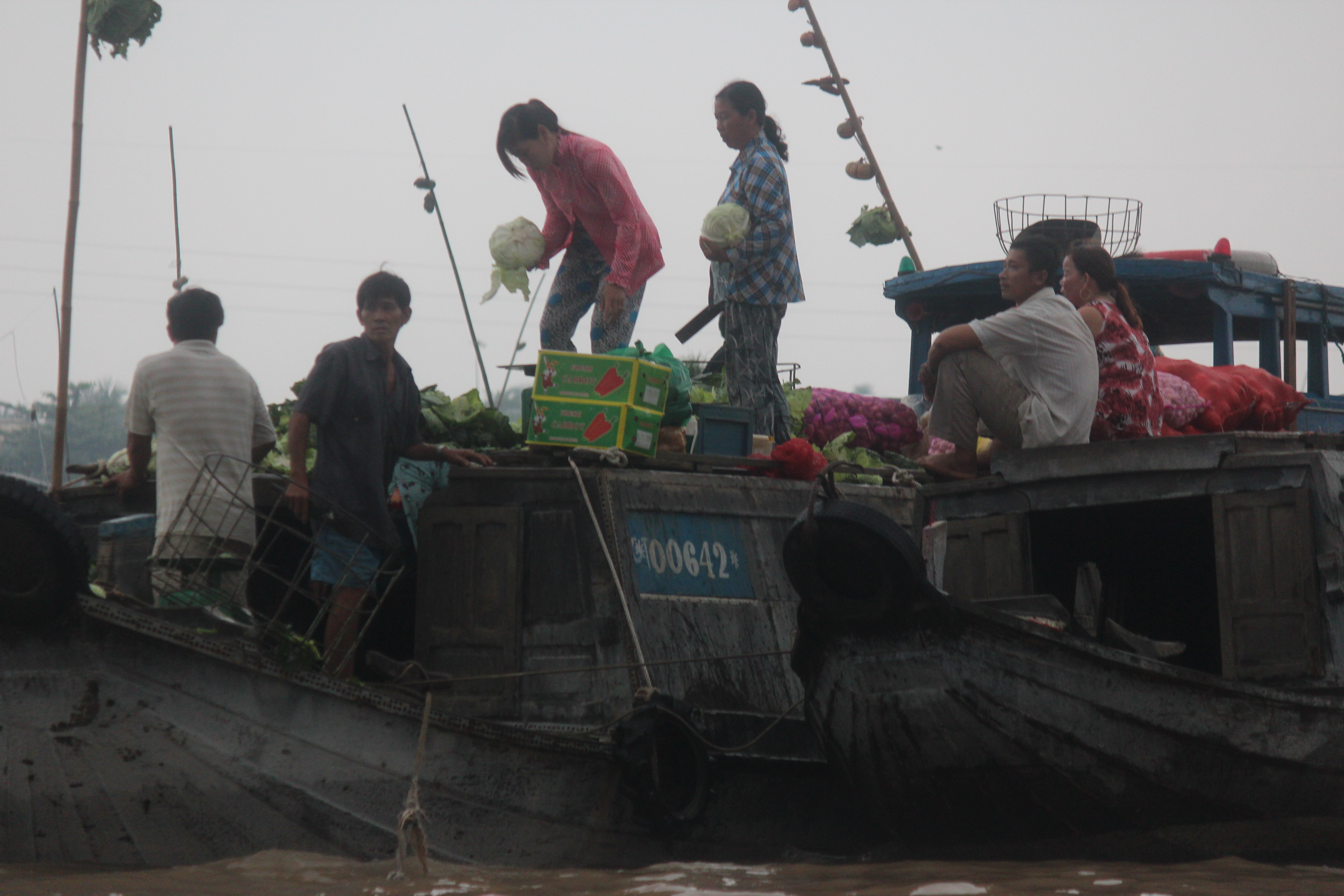
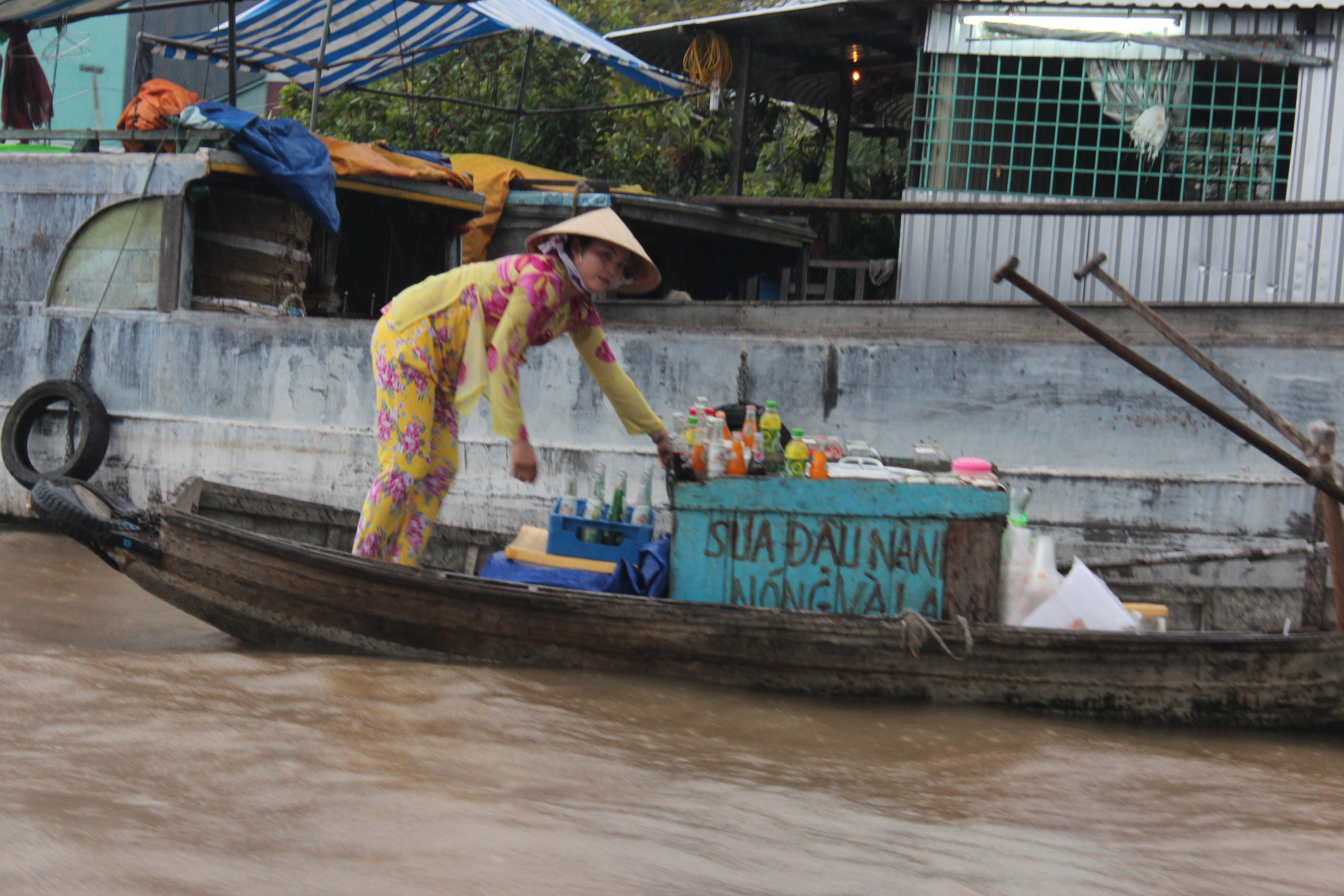
The villages in the Mekong Delta are often built along the banks of the rivers or even on stilts directly over the water. These floating communities rely on the river for their livelihoods, housing, and transportation. The floating markets are a hallmark of the Mekong Delta, offering a vibrant and colourful spectacle where vendors sell fresh produce, fish, and local goods directly from their boats.
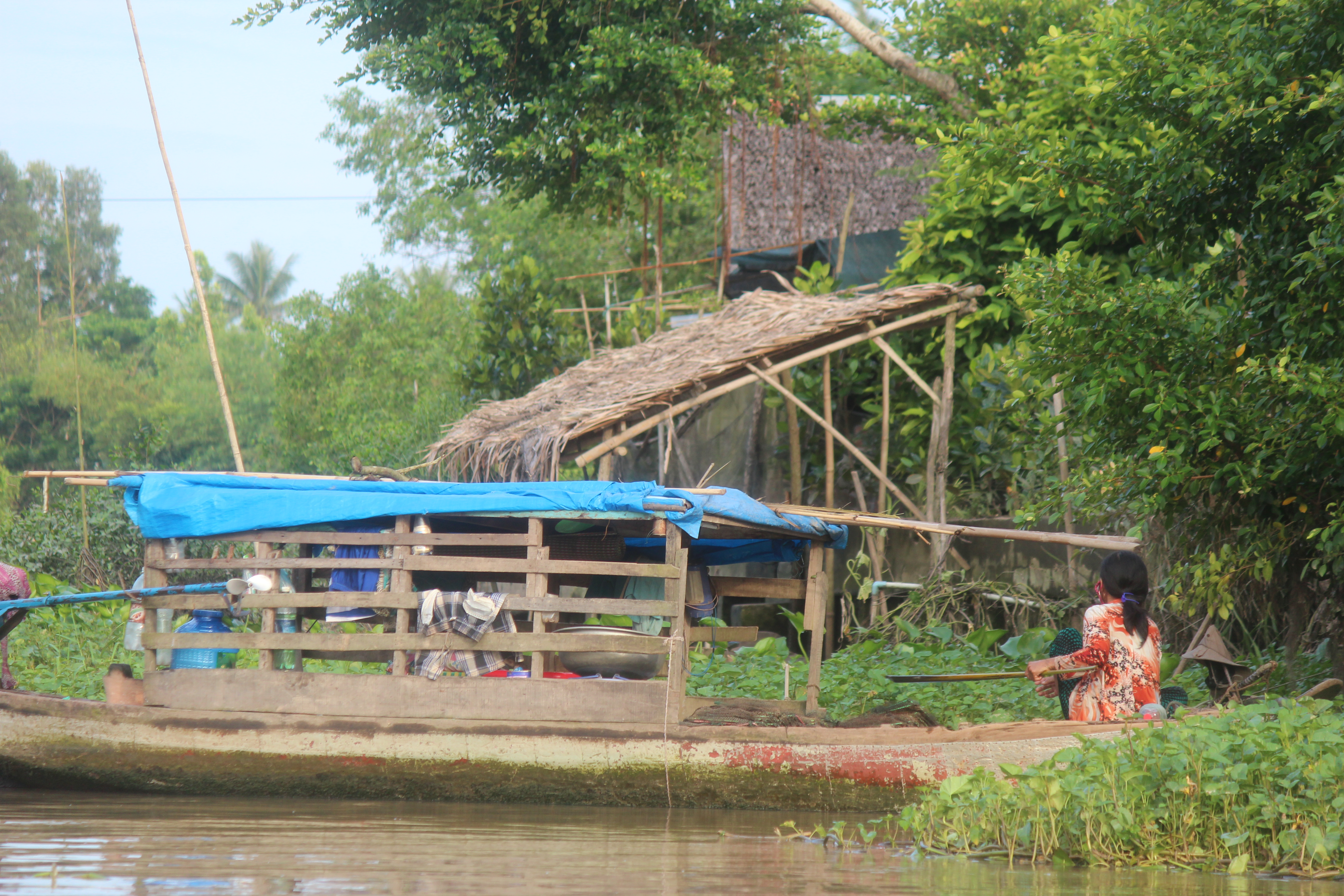
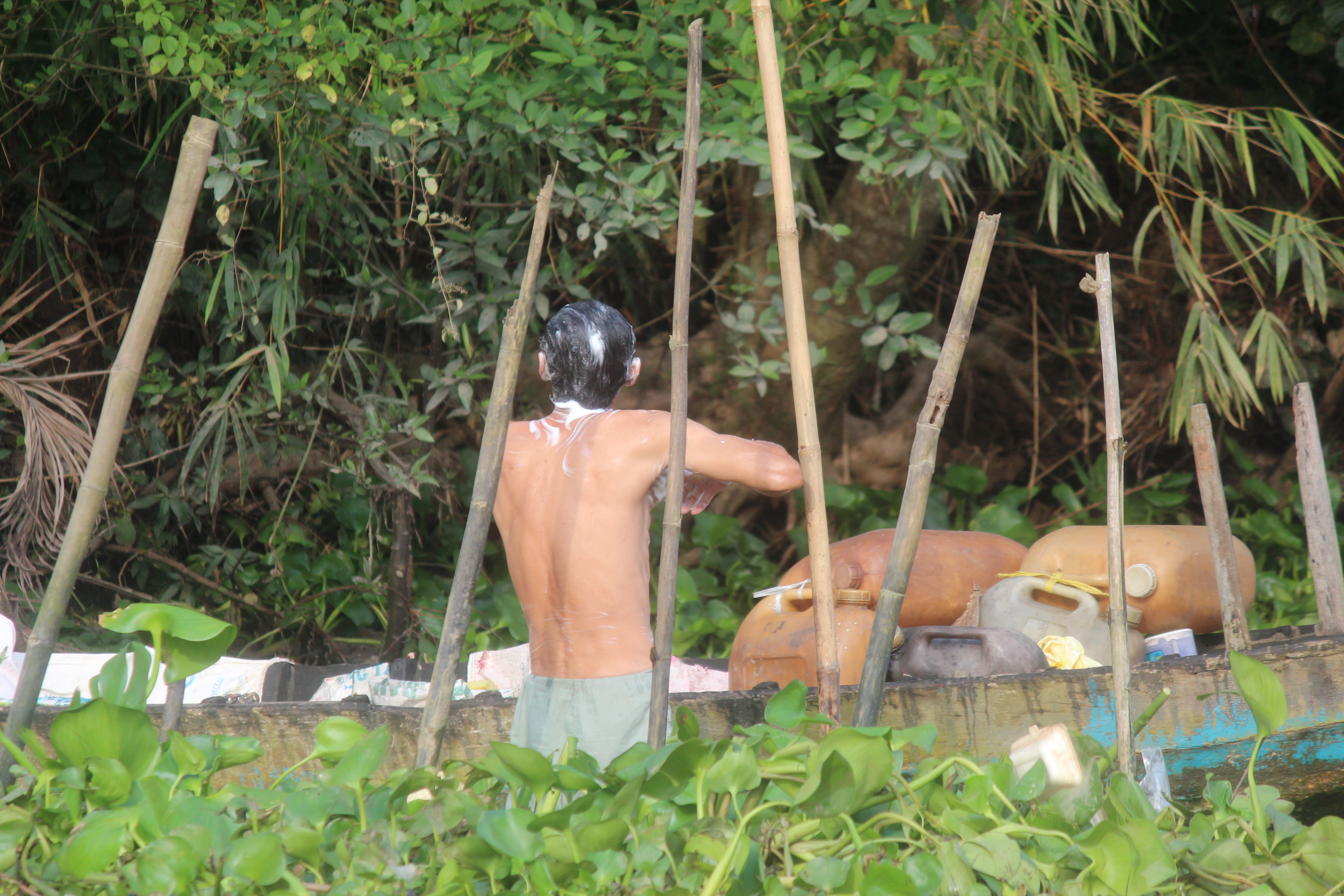
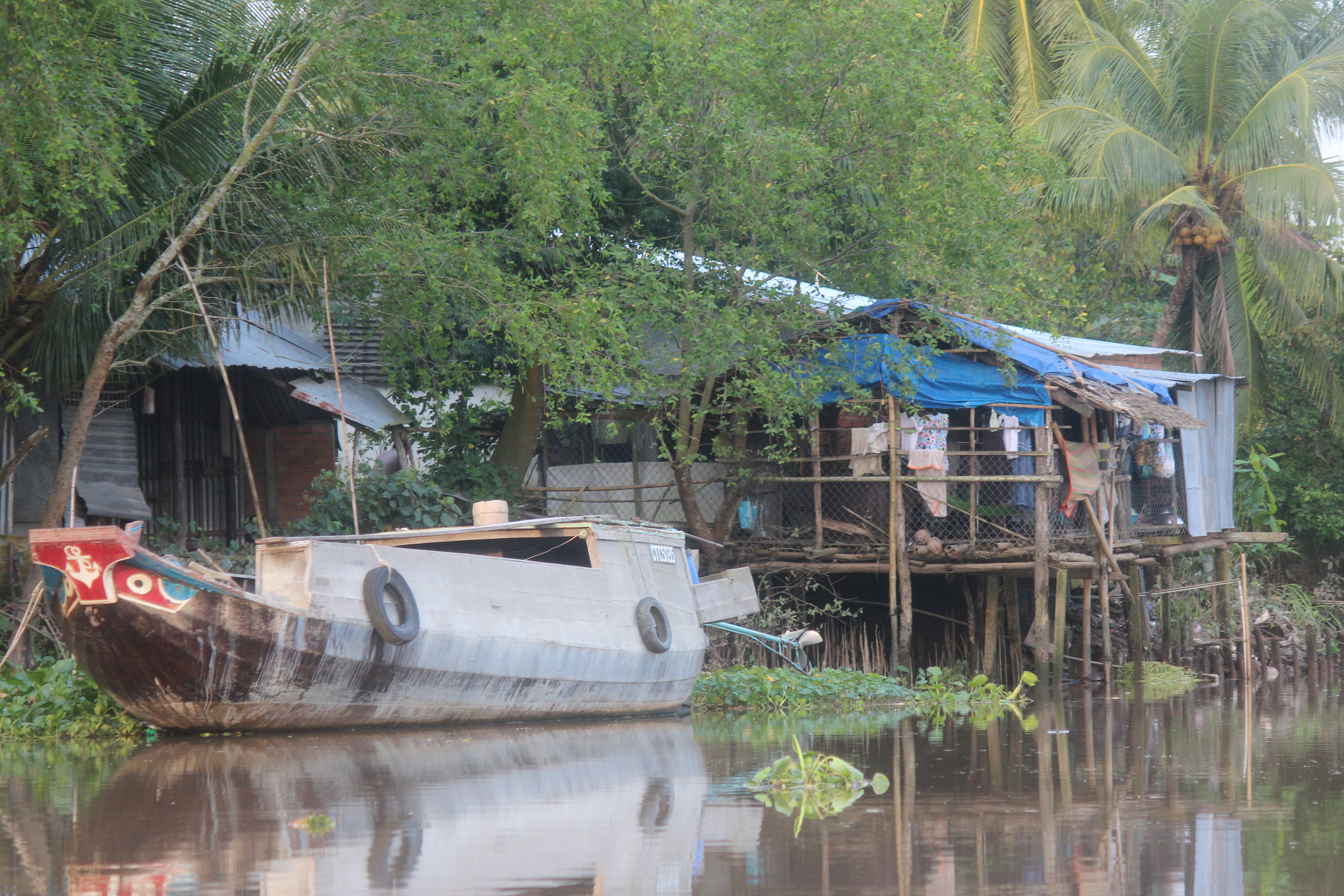
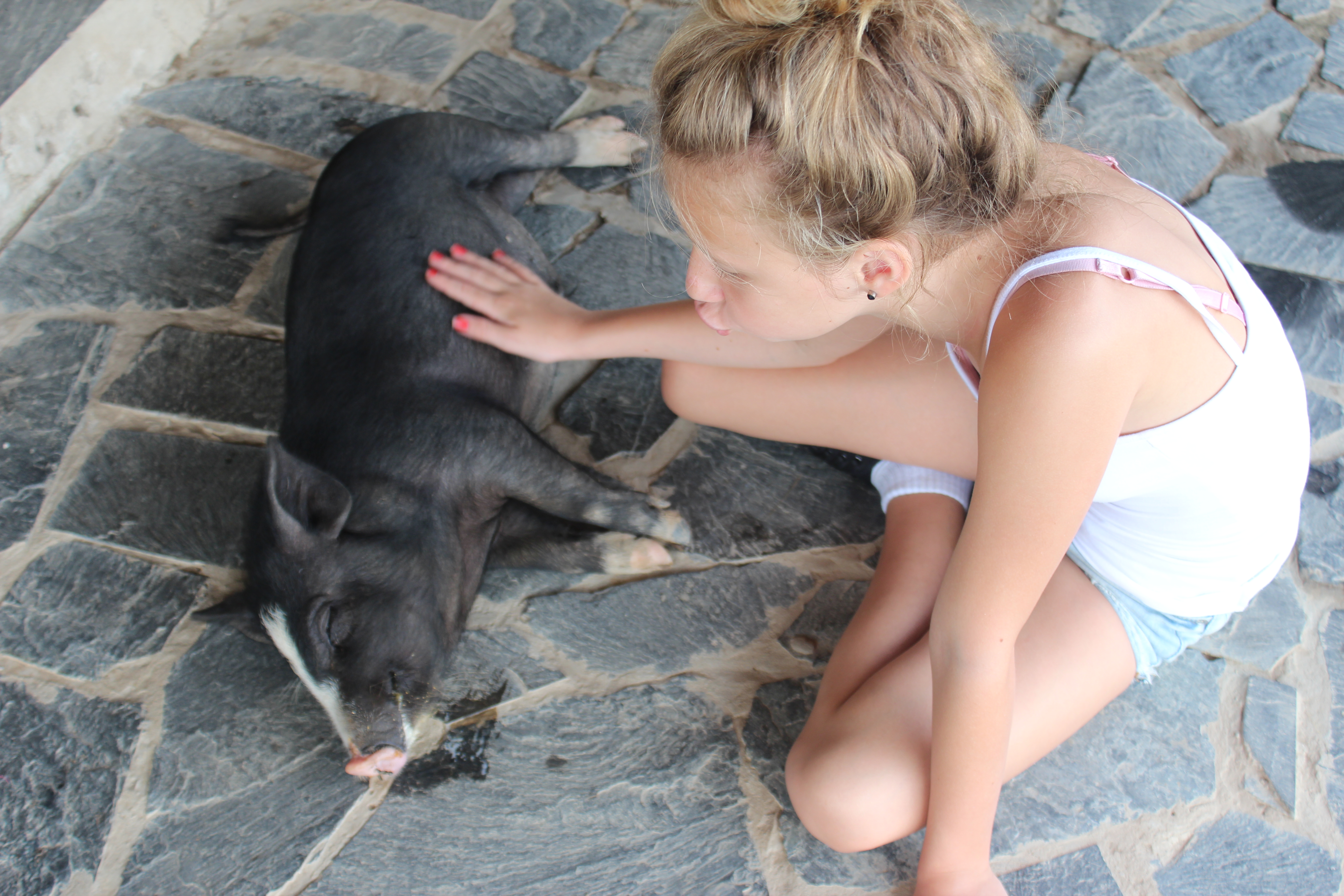
The highlight was our stay in a modest shack on the Mekong Delta was a humble yet charming structure, built of weathered wood and bamboo, with a thatched roof. It sat just on the edge of the river, elevated on sturdy stilts to protect it from the seasonal floods. From the porch, you could see the water stretching out endlessly, dotted with the occasional boat carrying goods or passengers. The outdoor dining area, where we spent most of our time, was one of the most inviting spots. It was an open-air platform, with a wooden table at its centre, surrounded by benches that looked out over the river. Bacon the resident pet pig was part of the family. Every day, he would happily trot around the shack, snuffling through the grass and mud before settling down in the dining area with us.
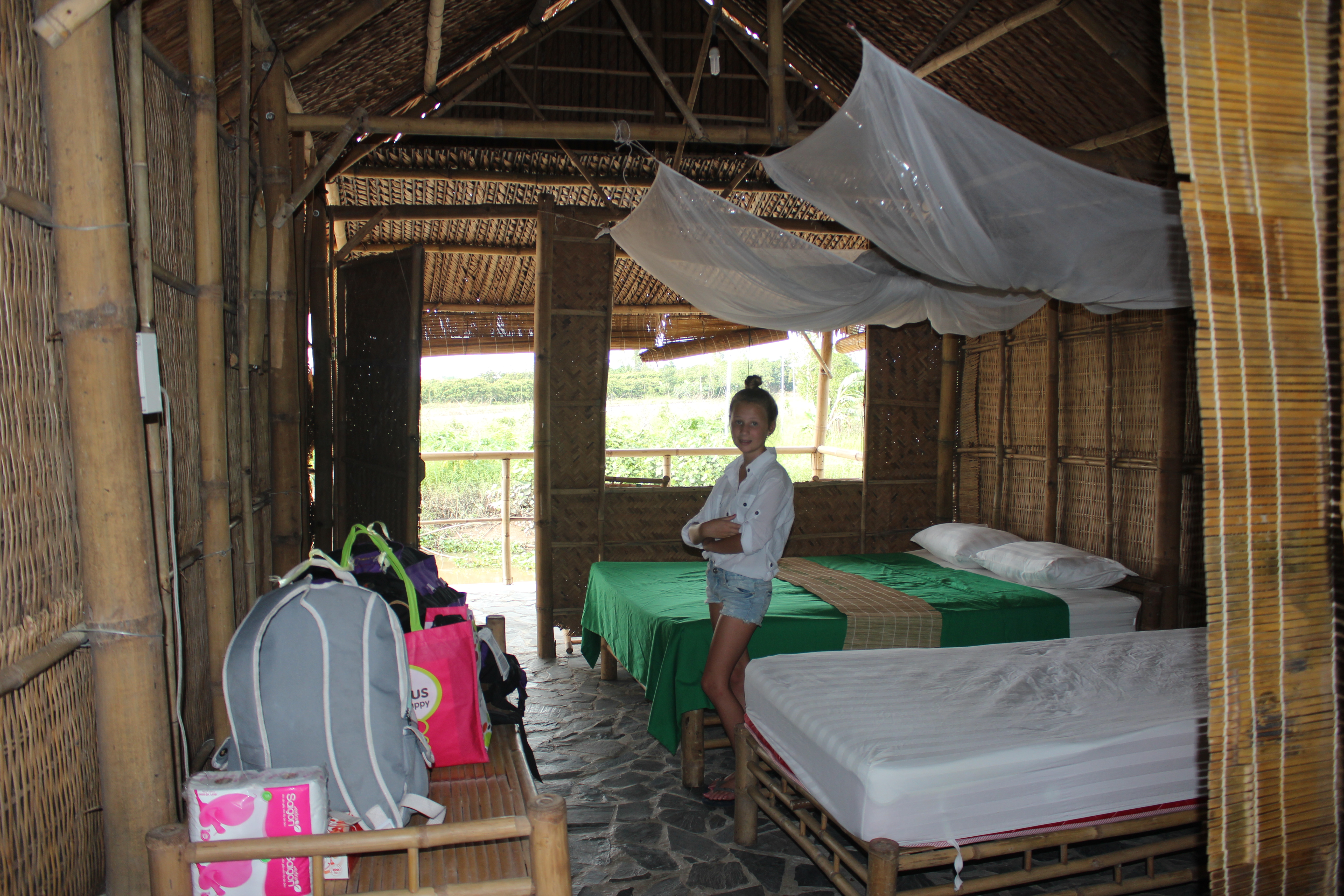
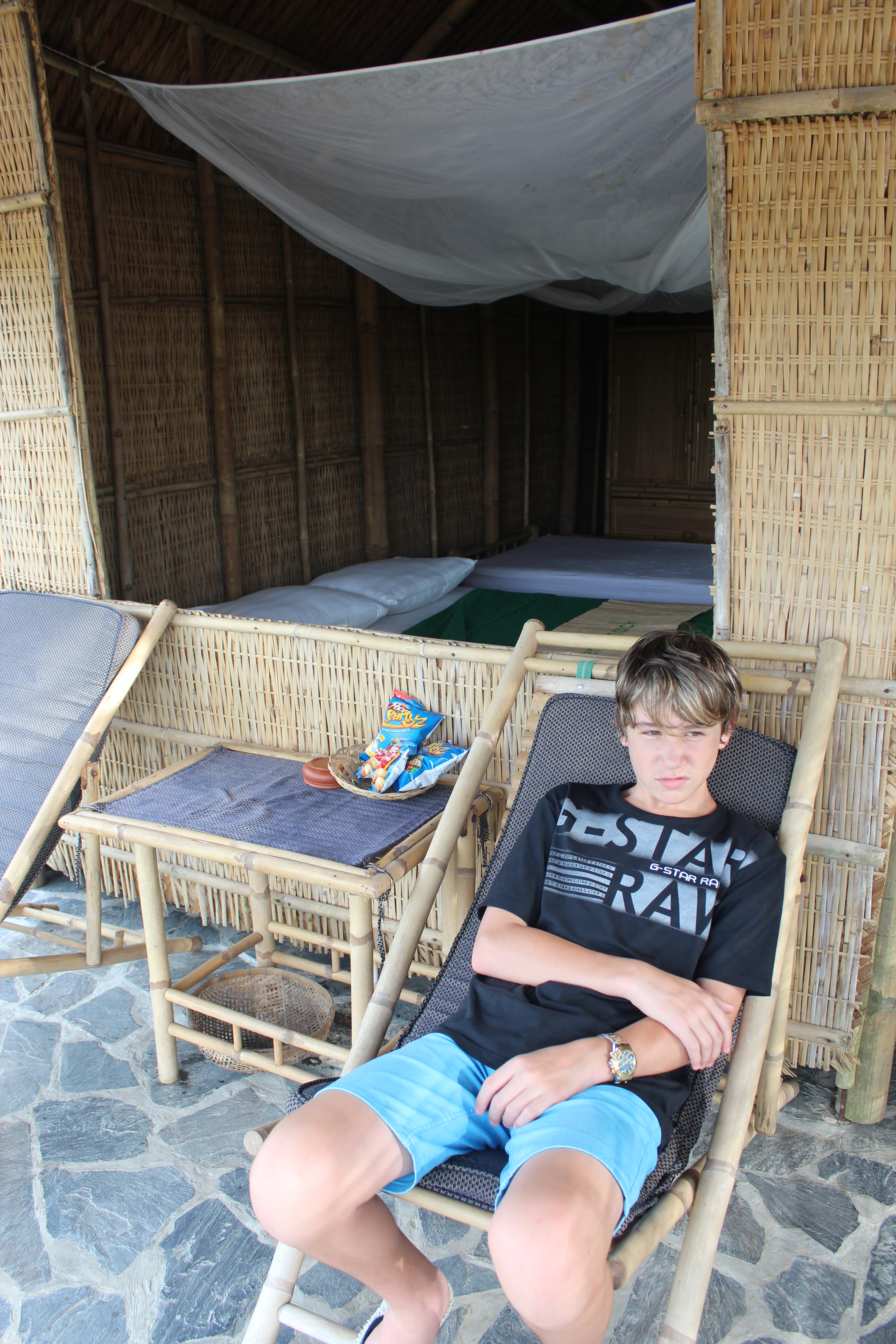


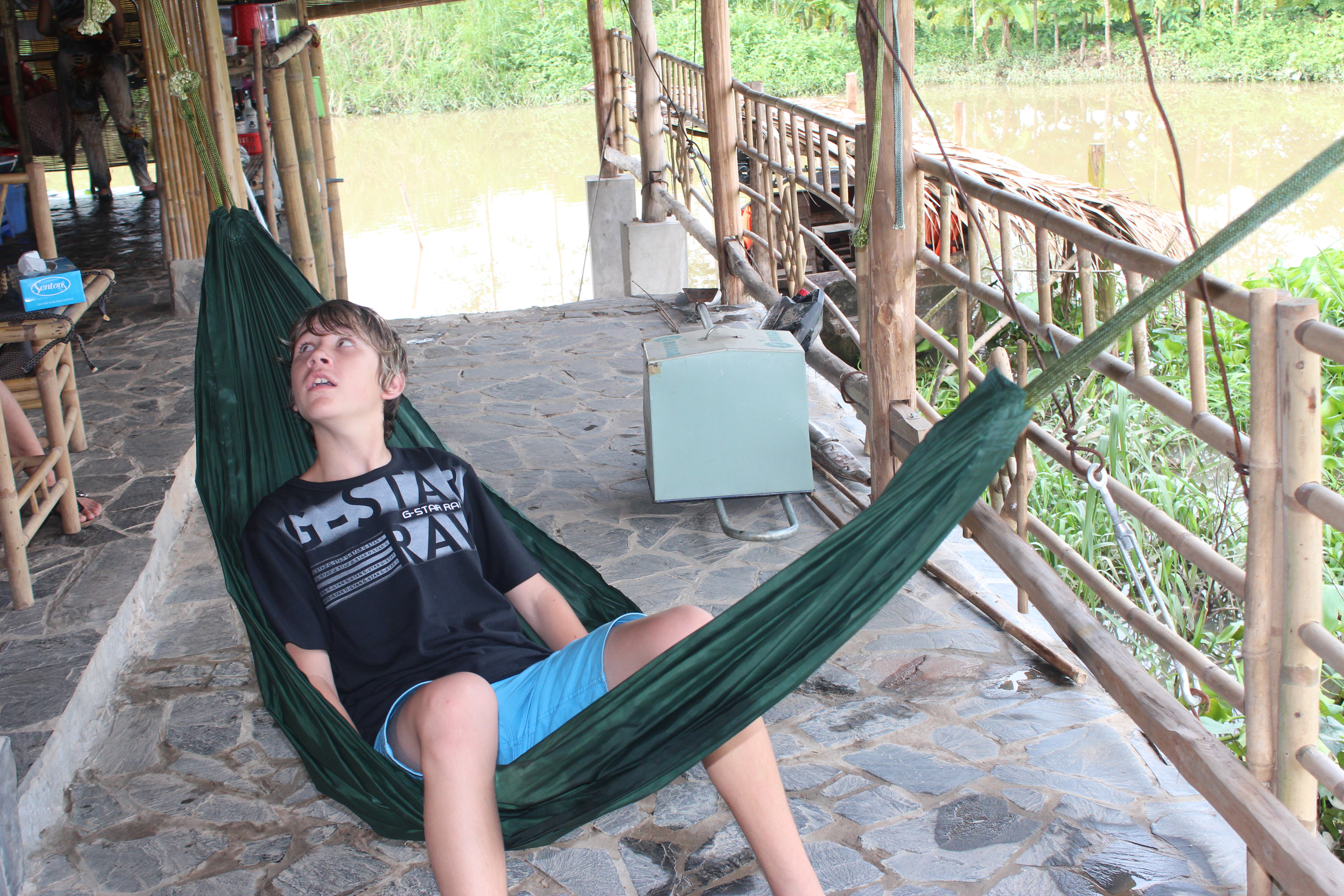
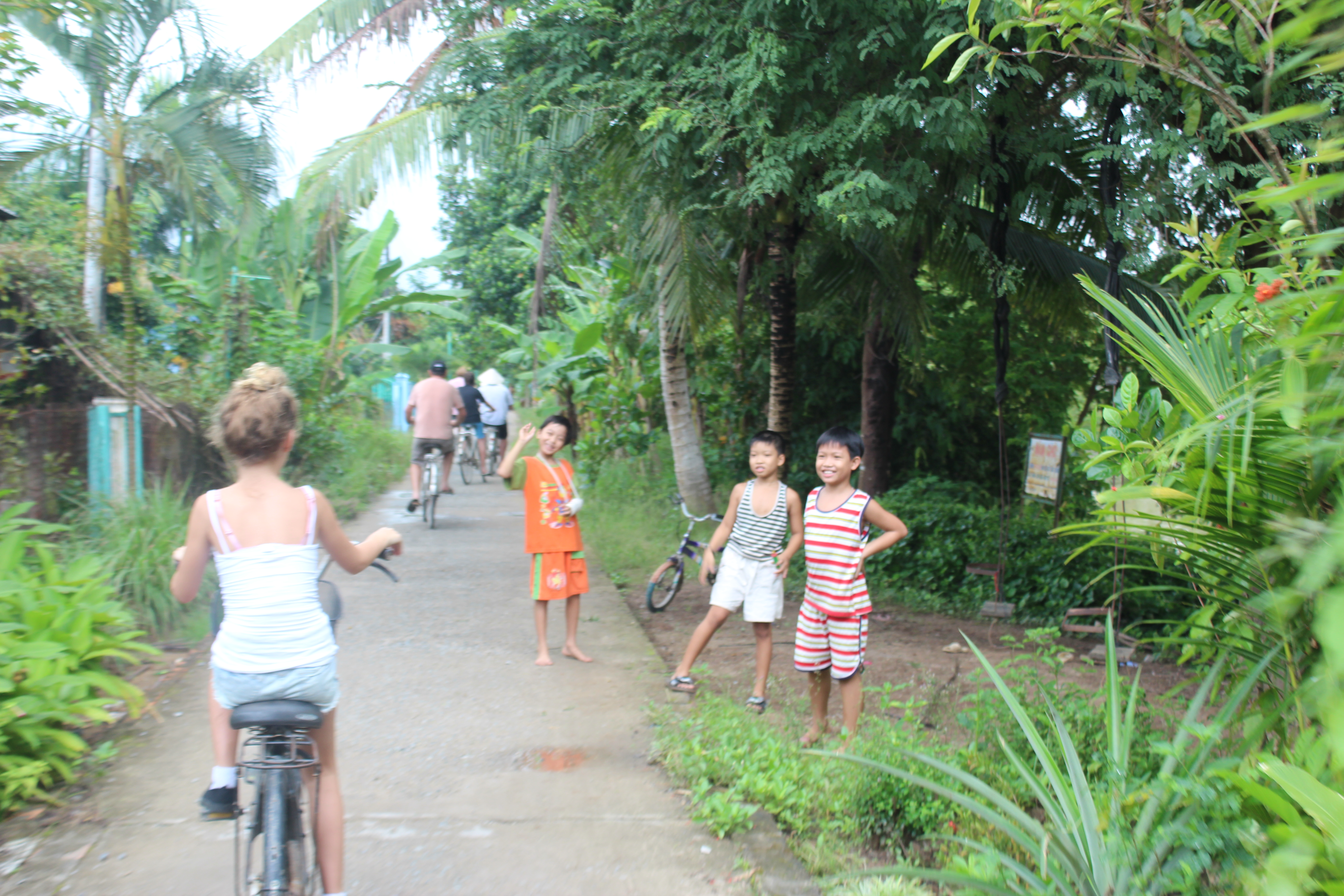
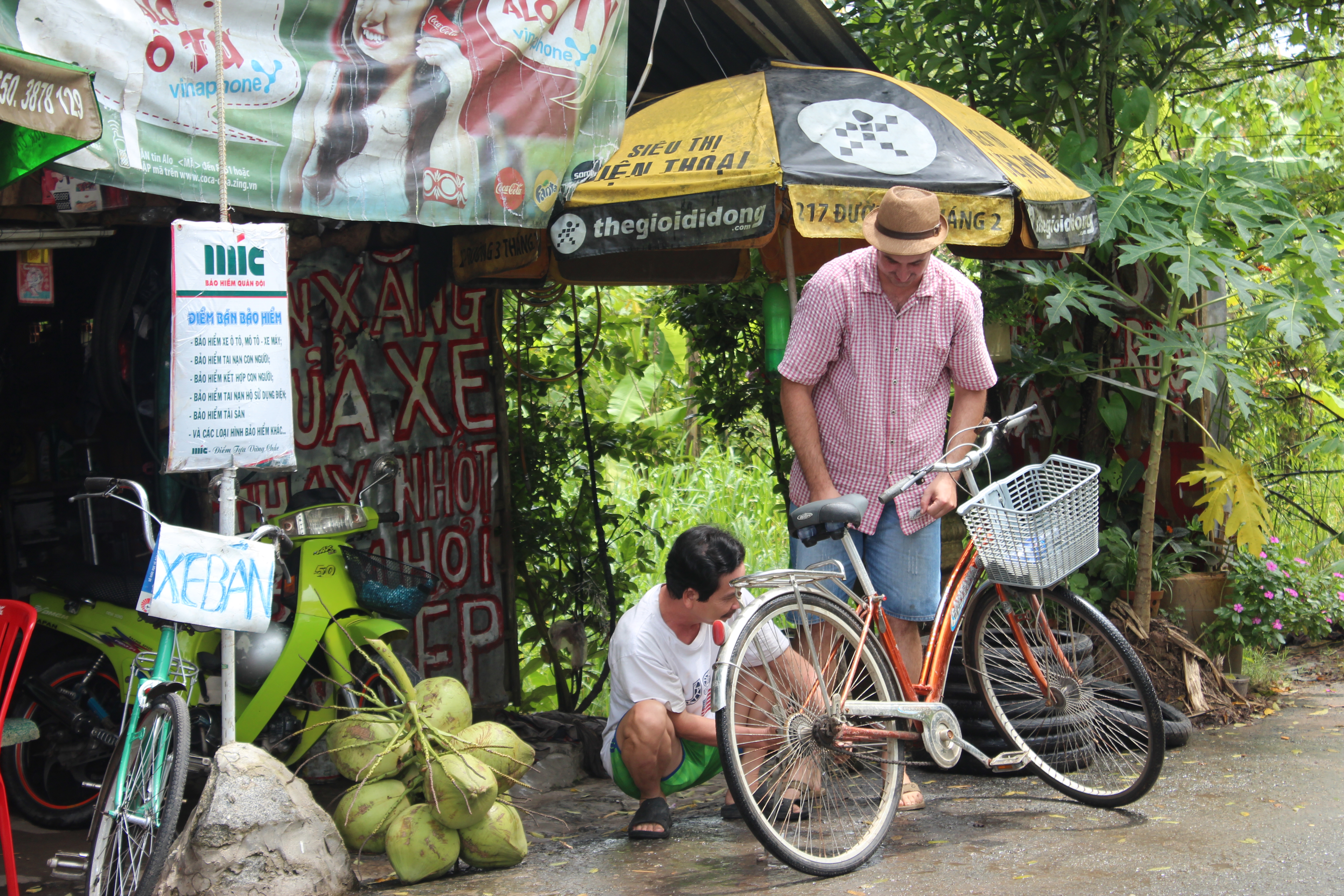
Our host was a French man who had settled years earlier here with a local Vietnamese woman and they welcomed tourist all over the world like us to experience what life was truly like living on the Mekong River. The experience was unique and authentic with only five shacks on the property and less than ten of us at any one time. Our friendly host took us on a tour of the neighbouring village on bikes where we met the locals and he described stories and experiences of the people we met, it gave us a deeper understanding of the village and its way of life. The ride through the village was not just a simple bike tour; it was an immersive journey into the heart of life in the Mekong Delta—a life built on cooperation, respect for nature, and a deep sense of community. Each person we met had their own role in the ecosystem, contributing in their own way to the delicate balance that sustained their world.

In Conclusion
The Vietnamese mastery of motorbike transportation is nothing short of legendary. It’s one of the most unforgettable sights for anyone visiting the country, especially if you’re not used to seeing how much can be carried on just a single motorbike! They’ve mastered the art of transporting the most unlikely things with such nonchalance, leaving me fascinated and the kids amused on multiple occasions on a daily basis.
Vietnam is a land of contrasts, where ancient traditions are preserved in rural villages while dynamic, modern cities thrive. From the peaceful beauty of rice paddies and karst islands to the vibrancy of street markets and lively urban centres, the country offers a rich tapestry of experiences. The Vietnamese people, with their deep resilience, warmth, and pride in their heritage, make Vietnam an unforgettable destination. Whether it’s exploring historical landmarks, enjoying world-class food, or experiencing the rhythm of life by the river, Vietnam is a country that provides endless opportunities to embrace your Sense of Adventure and leave a lasting impression.


 Sense of Adventure Required - by Jen
You must be logged in to post a comment.