

Ancient Ruins, Cultural Delights & Natural Wonders
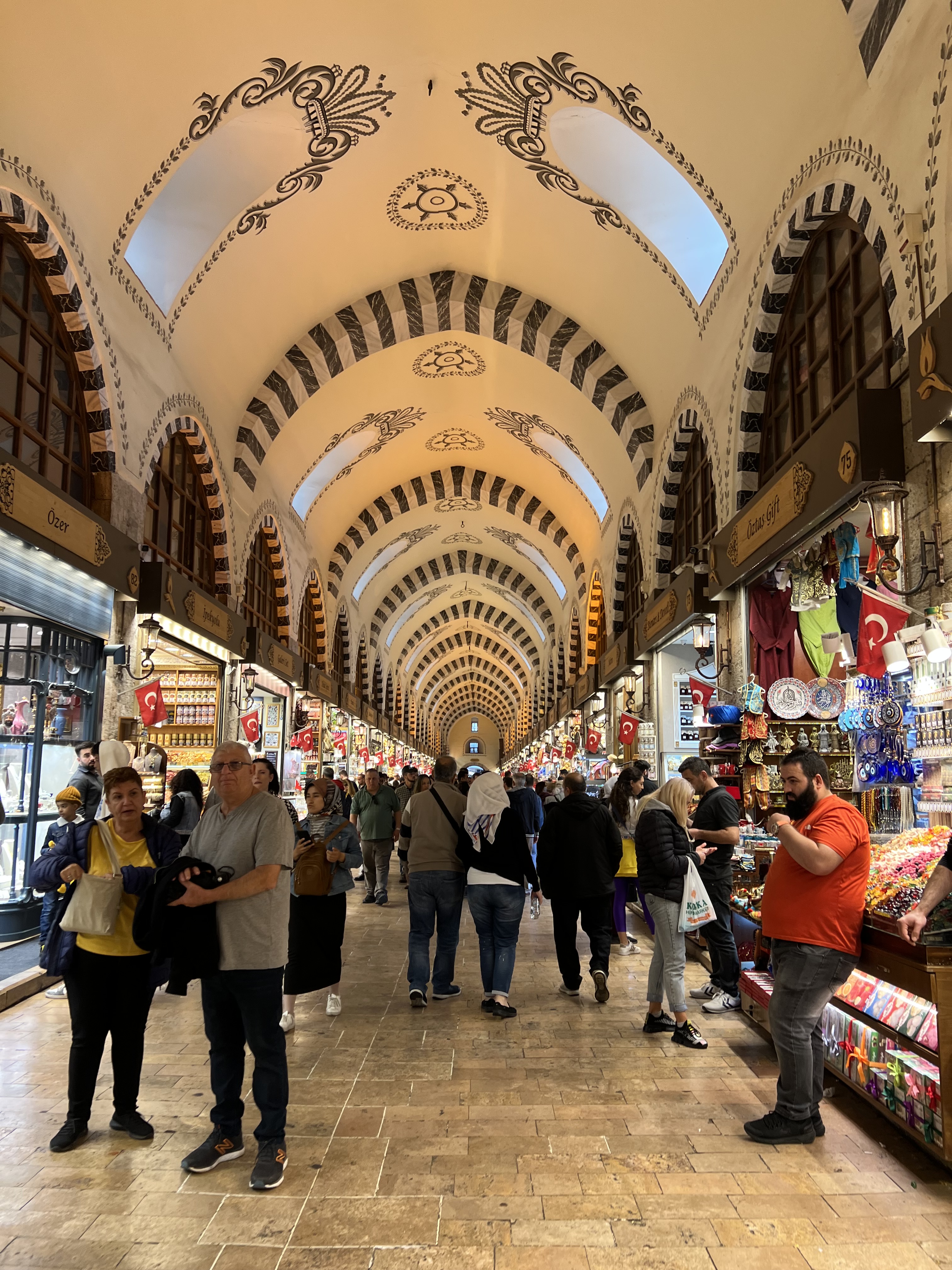
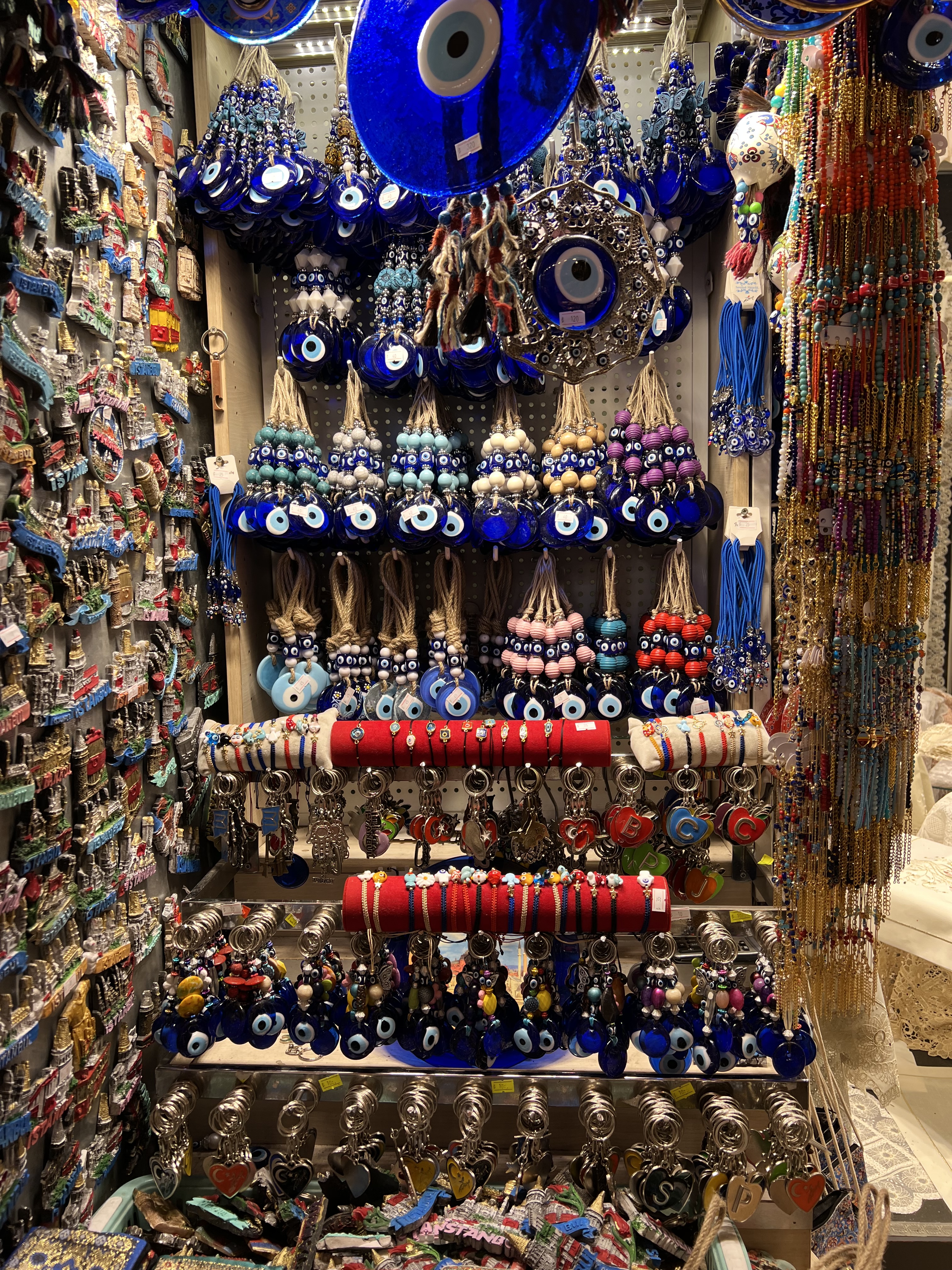
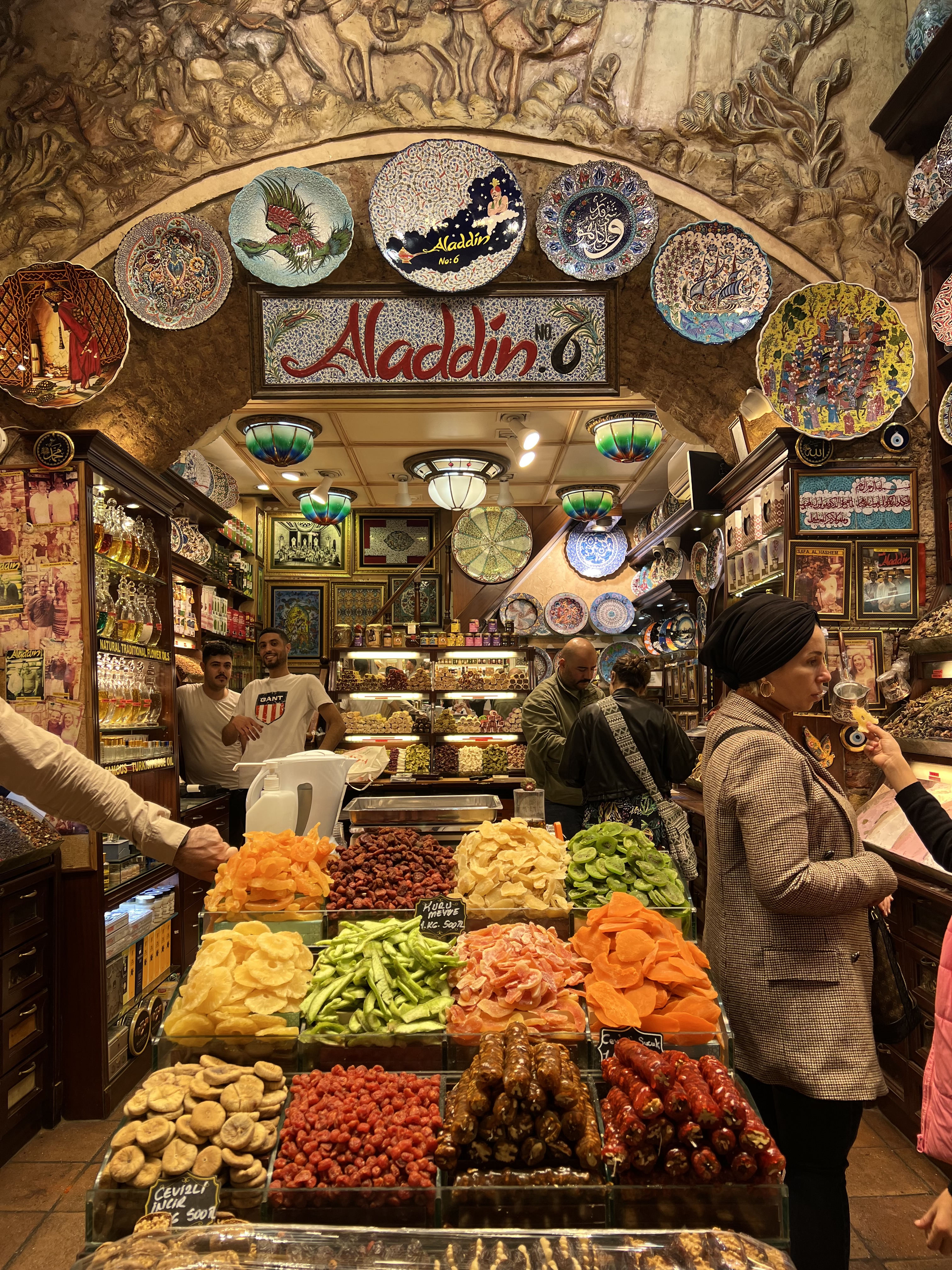
This was an unforgettable adventure that combined land and sea. Our journey started in Turkiye where East meets West and crosses two continents: Europe and Asia. You become immediately immersed in exotic culture, rich history and breathtaking landscapes. Our adventure began in the vibrant city of Istanbul mesmerized by the bustling markets where the colors and smells provide instant sensory overload. We browsed the great halls of a famous spice bazaar admiring authentic gifts, Turkish coffee, herbs, spices and handicrafts.



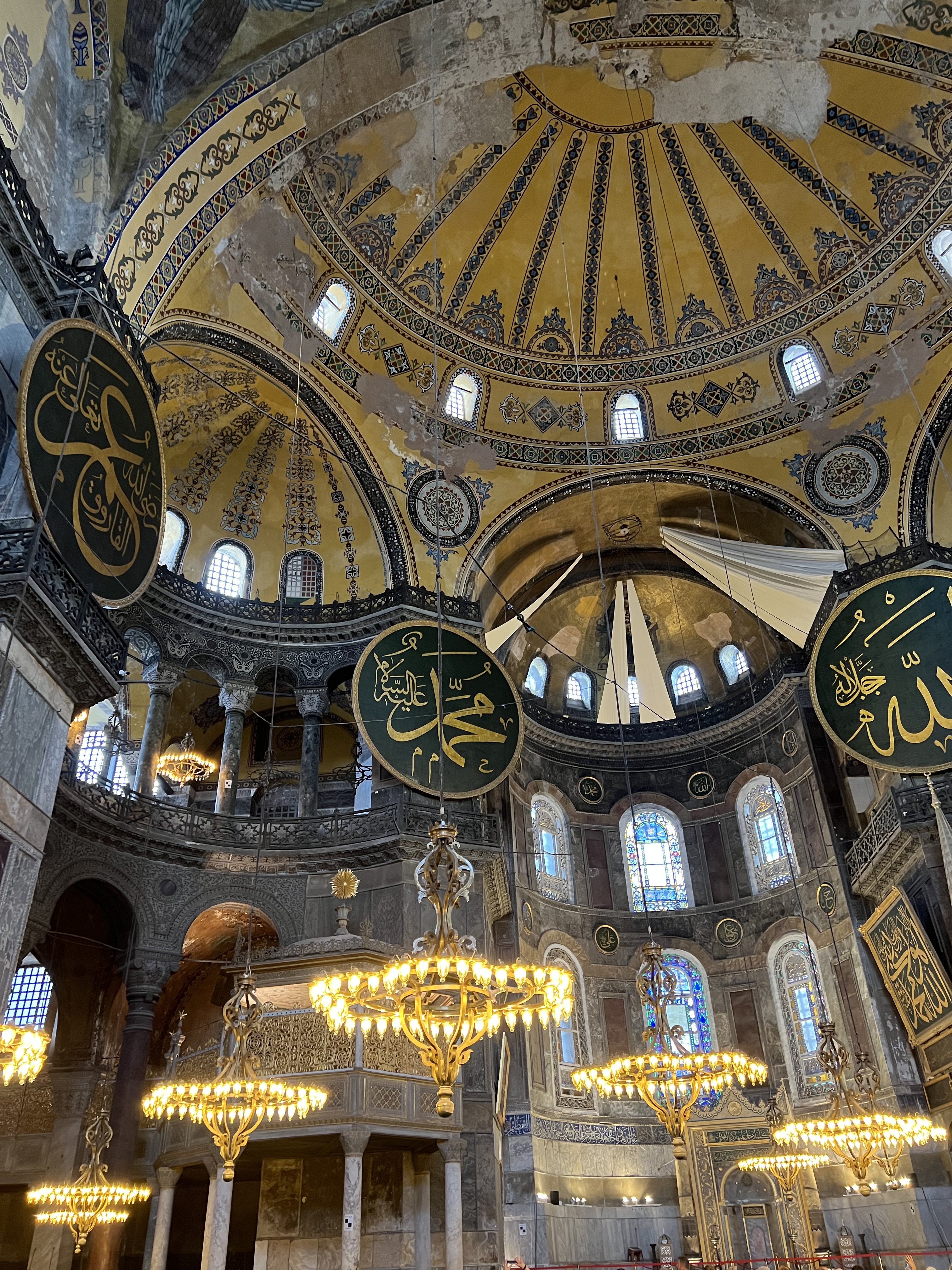
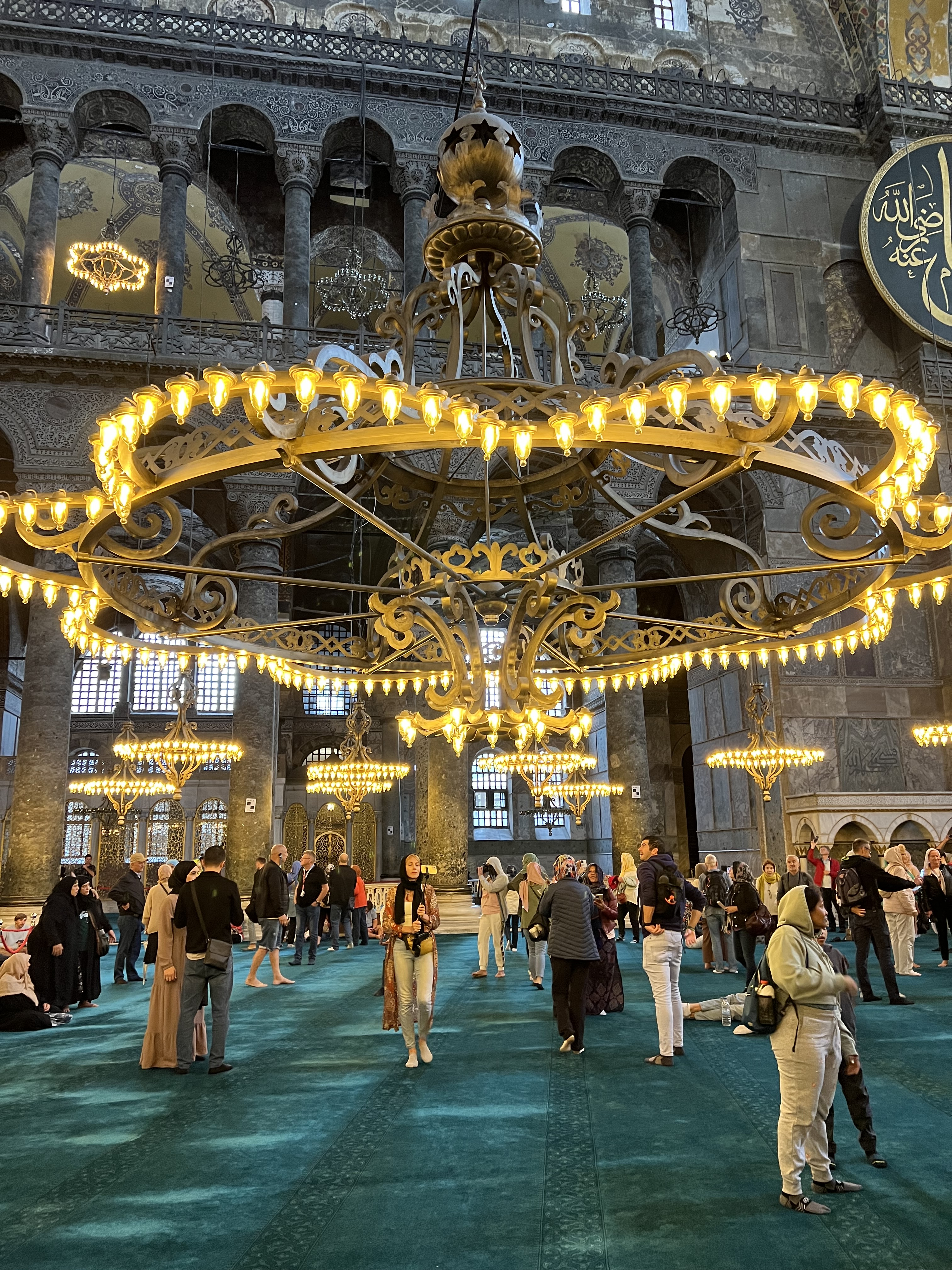
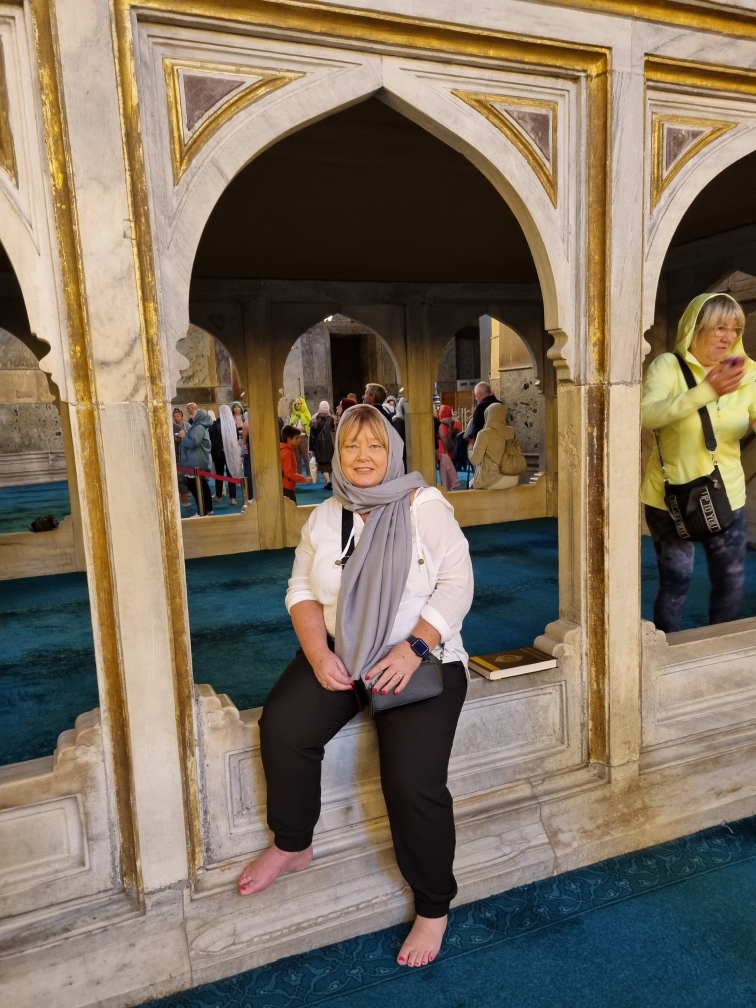
The mystical city Istanbul hosted many civilizations for centuries, of which Byzantium and Ottoman Empires were both the most famous ones. The city today carries the characteristics of these two different cultures and Hagia Sophia is a perfect synthesis where one can observe both under one great dome. Hagia Sophia is a symbol of harmony, peace and tolerance in Turkey. It is an important symbol of Istanbul as it is the meeting point for world’s religions. The walls of Hagia Sophia represent a mixture of Islamic art and Christianity symbols and is quite spectacular.



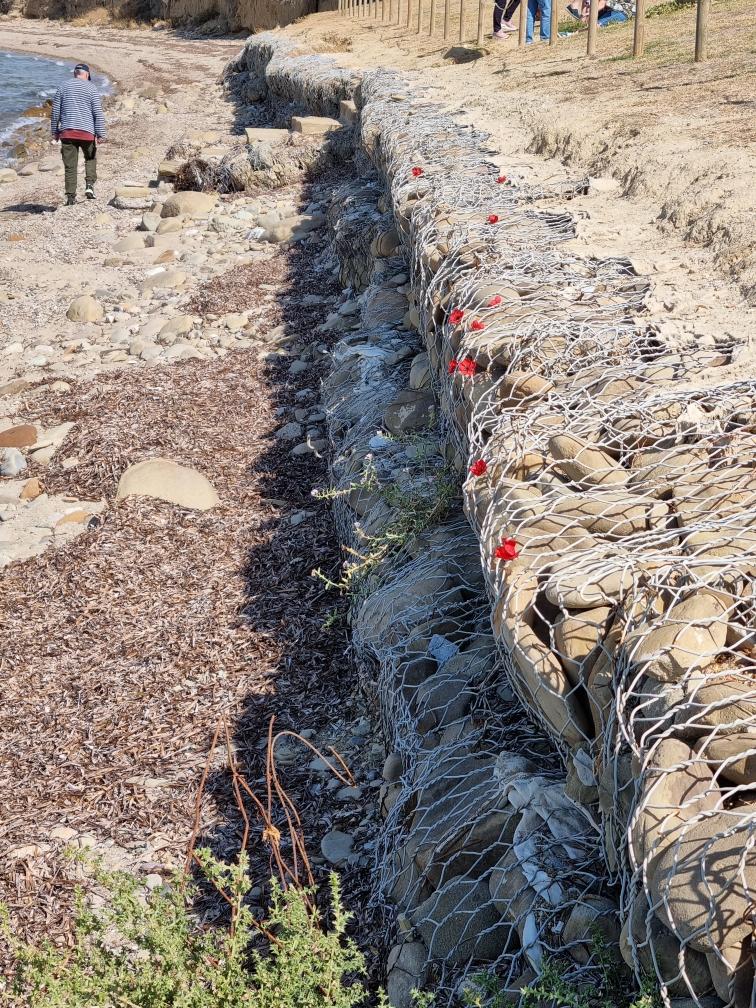
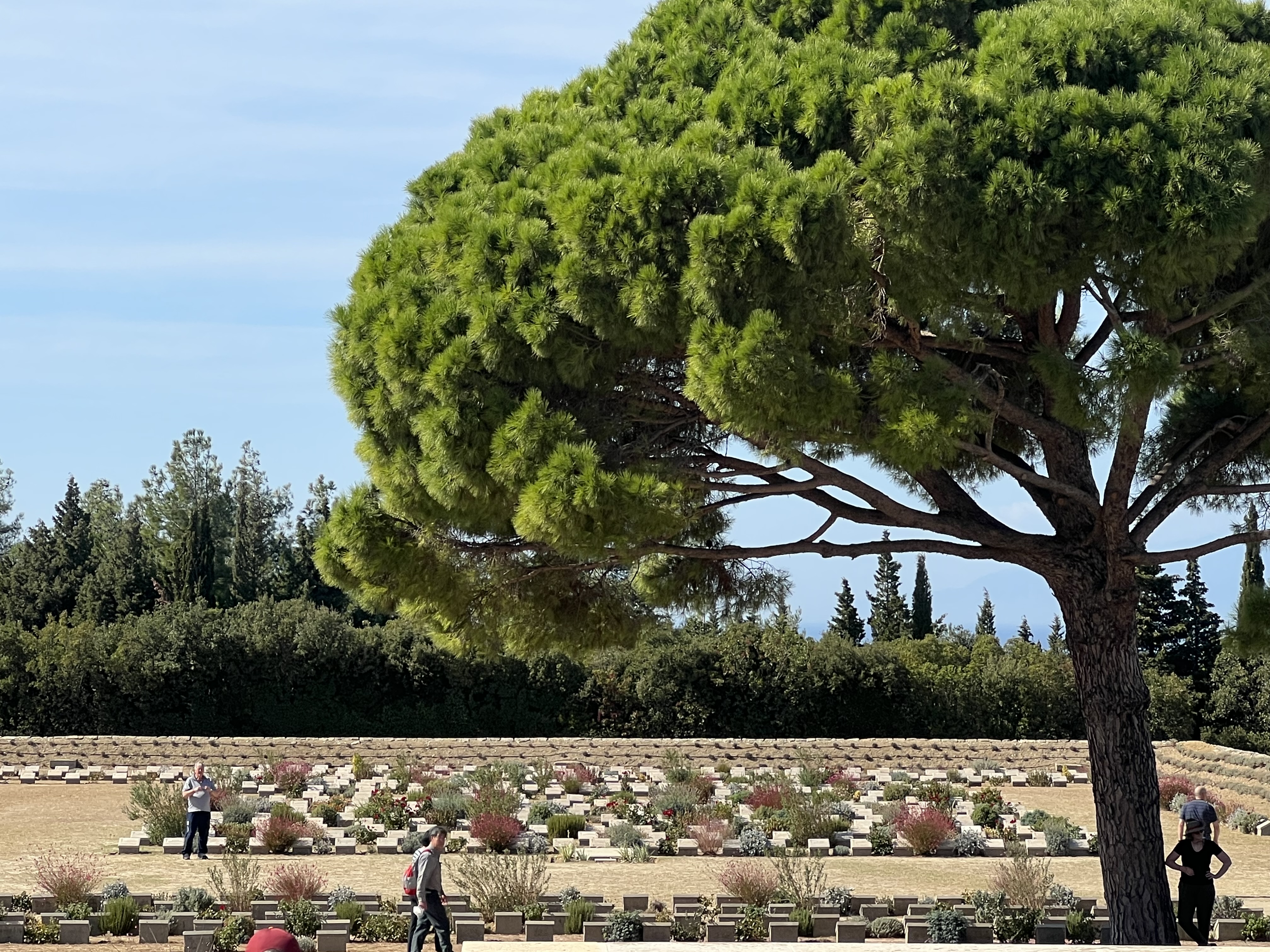
Gallipoli is a place I’ve always felt compelled to visit, the battles fought by the ANZACs established their great military reputation and left a legacy for generations of future Australians. What first struck me was how narrow the beach front is where they landed, and secondly the lack of cover the men had from the towering hills in front of them where the Turkish Soldiers laid in wait. Having researched my family’s war history, there was more than one ancestor who fought at Gallipoli, it was a somber experience but one I’m grateful for. To read more about this Bucket List experience Click Here.


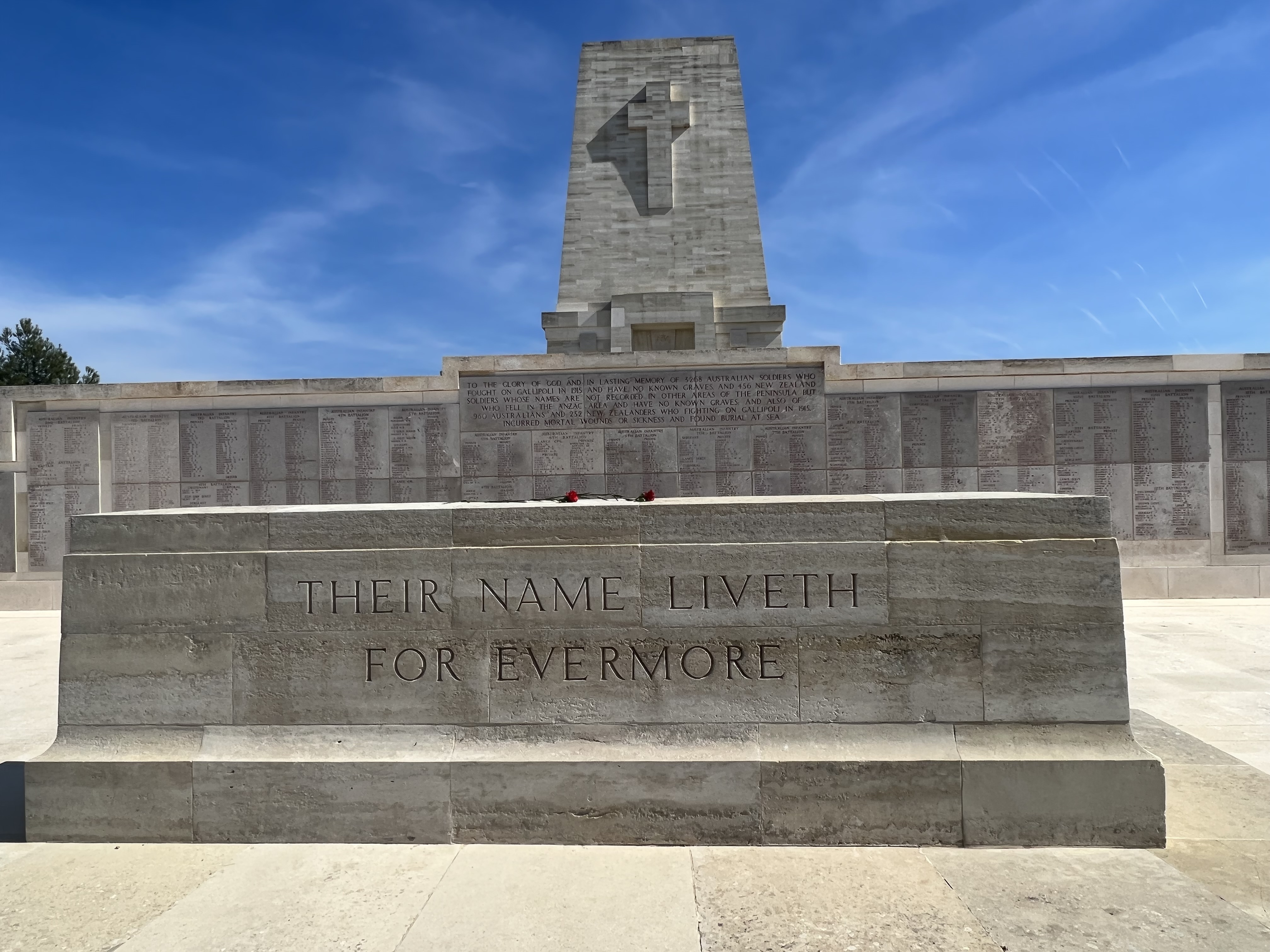
Lone Pine is the main ANZAC commemoration site in Gallipoli. It honor’s both the Australian and New Zealand troops who died in the campaign with no known grave and those who rest at sea. It is a moving experience walking among rows of humble gravestones set in front of a large limestone memorial, engraved with the names of 4,932 men who perished and were never found. The day on a whole was a solemn reminder that freedom and peace come at a cost.

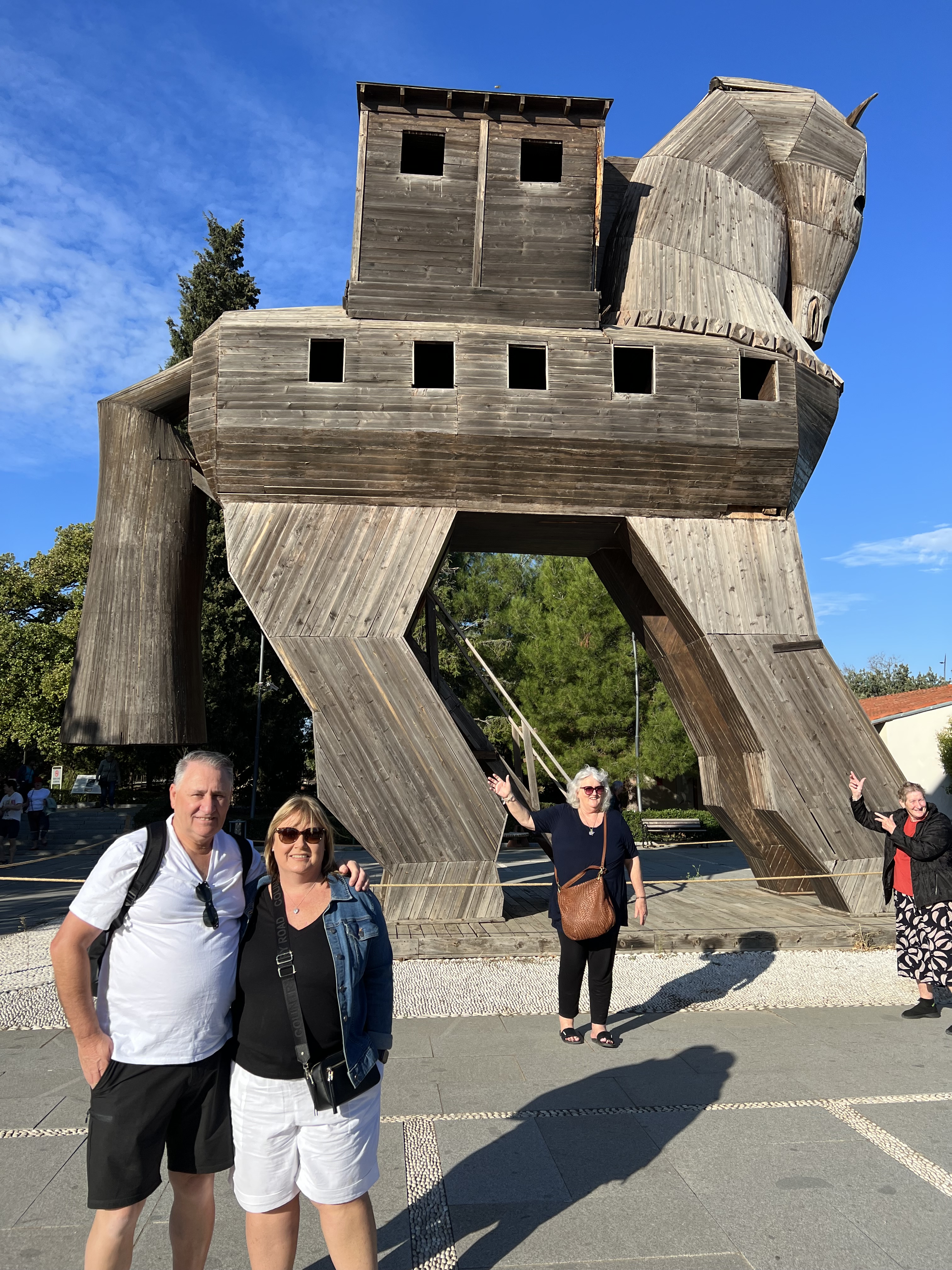
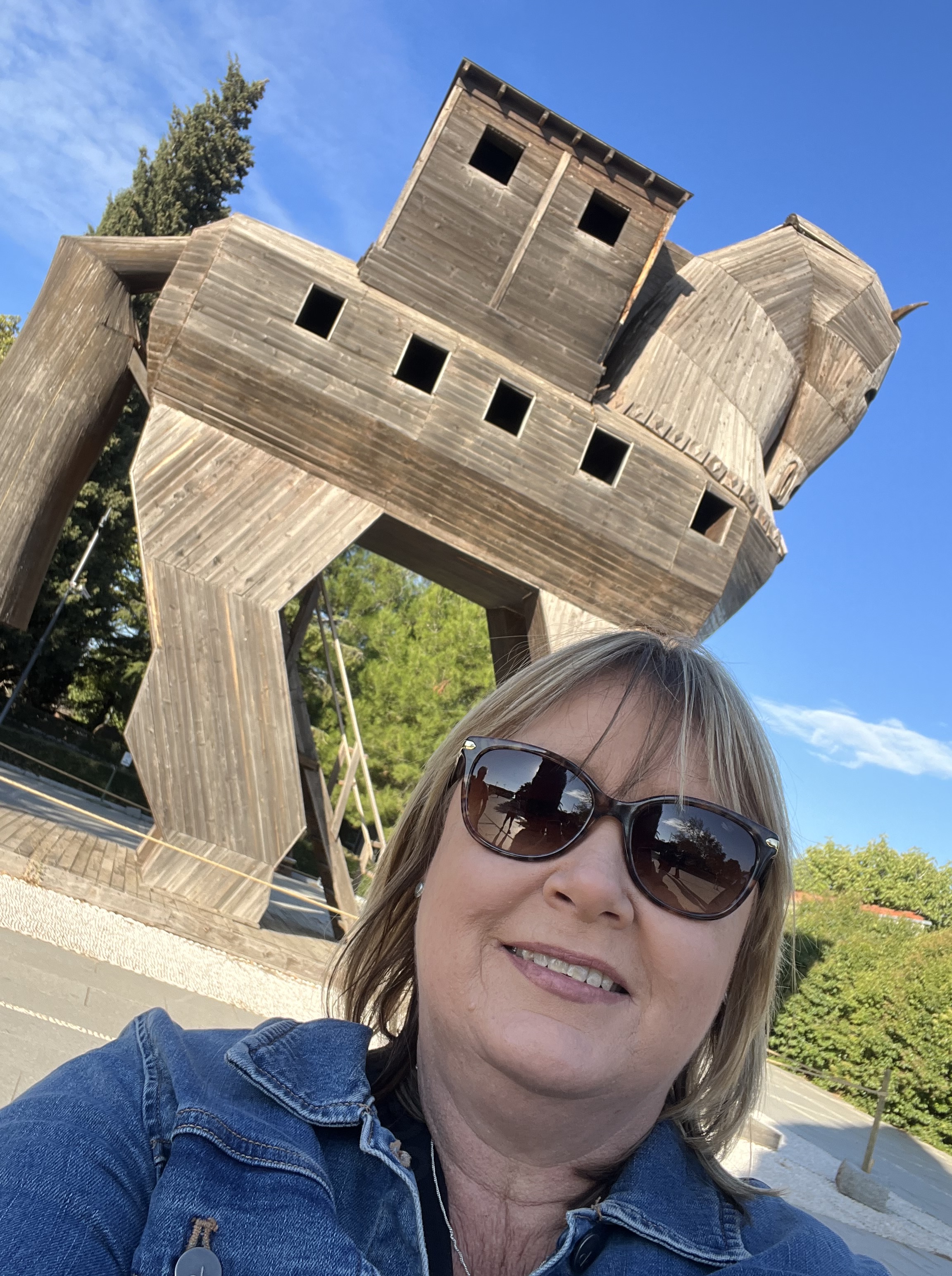
The next day we were on route to Kusadasi and visited the famous archaeological site of Troy, known for the legends of the Trojan Horse and Helen of Troy. The Archaeological Site of Troy has 4,000 years of history. Excavations started more than a century ago have established a chronology that is fundamental to the understanding of this seminal period of the Old World and its cultural development.

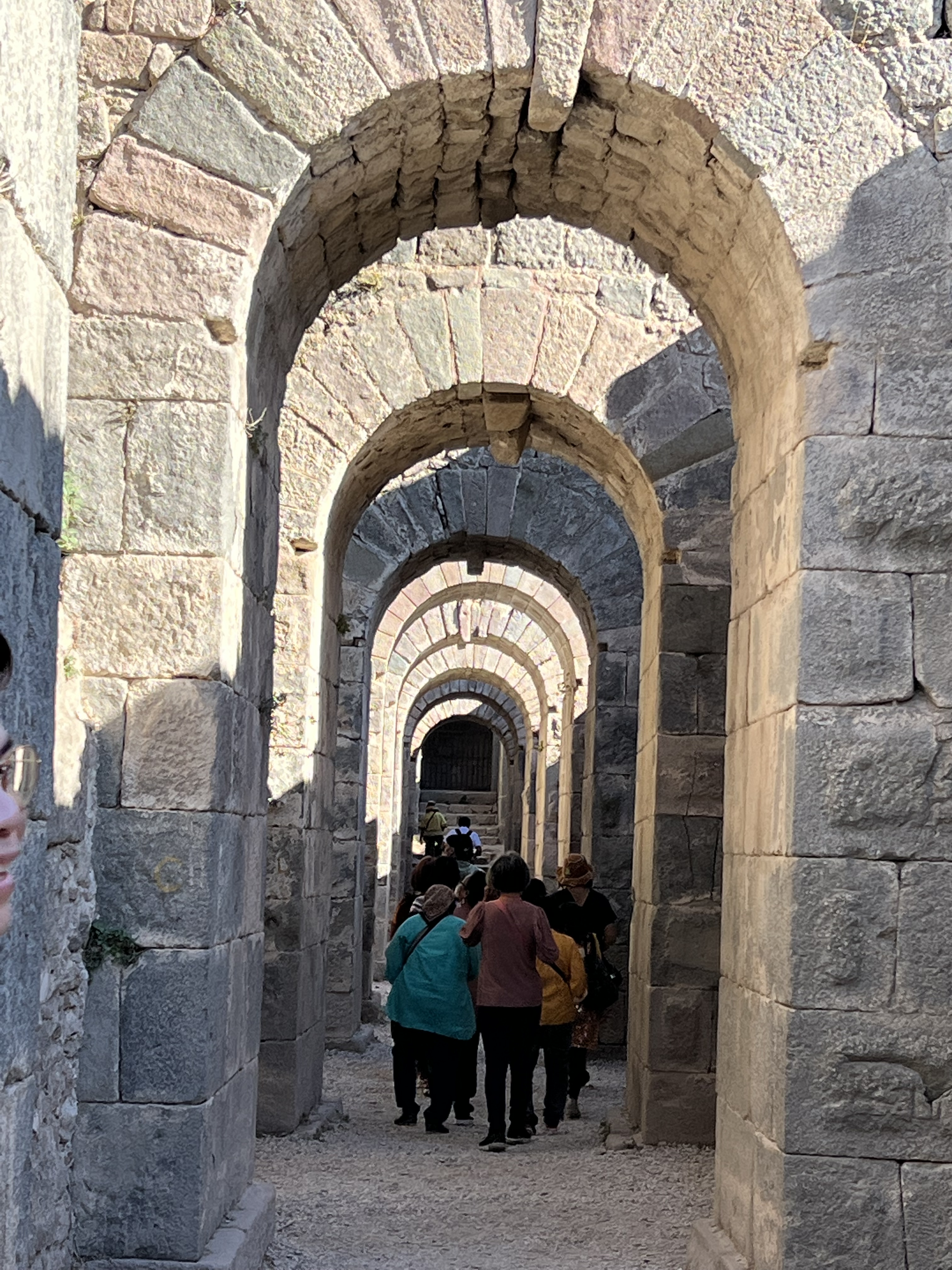
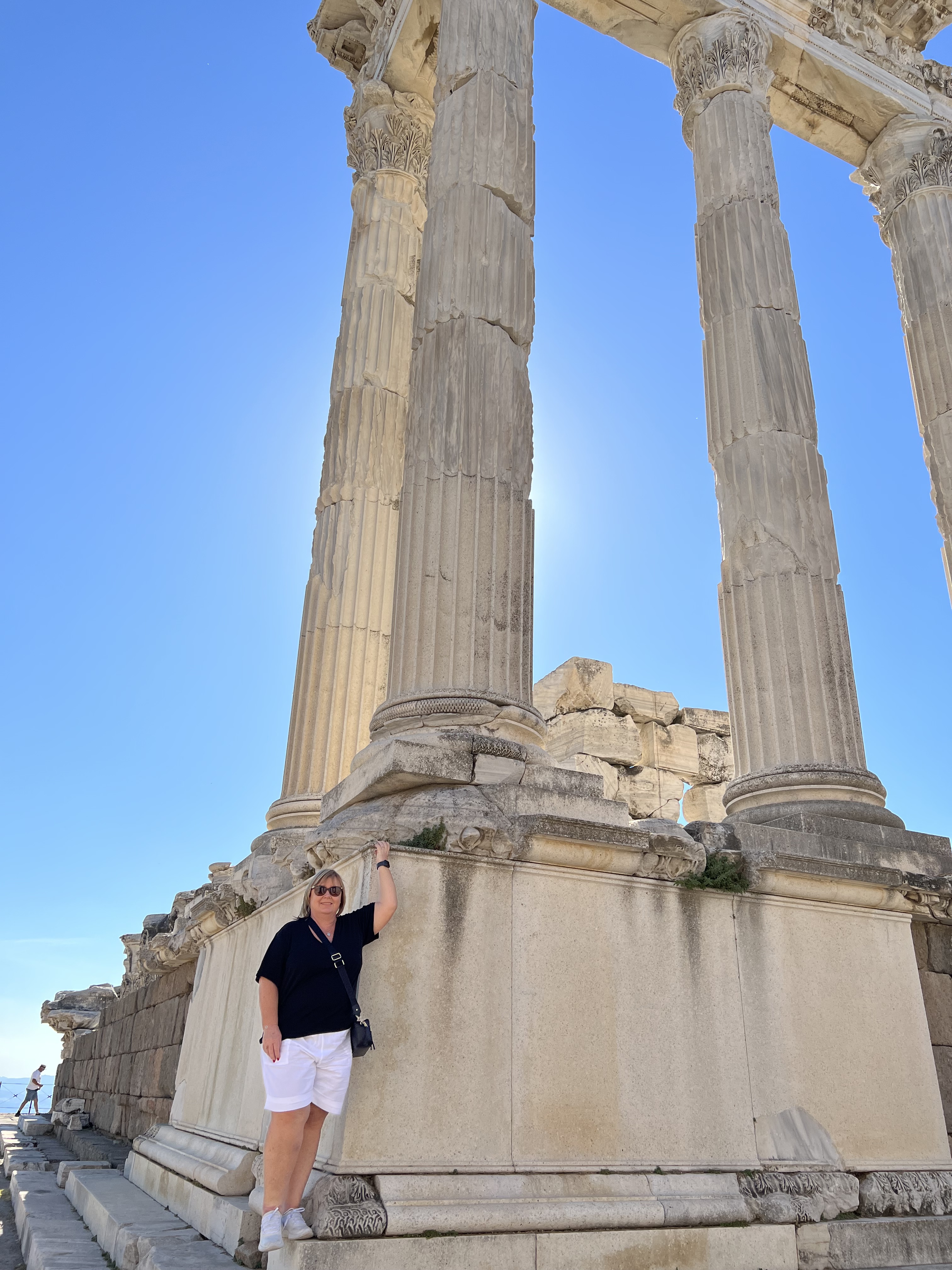
In the afternoon we made a stop at the amazing Acropolis of Pergamon. Rising high above the plains in the northwest Turkey is a 335m high mesa on which the Acropolis of Pergamon was situated. Buildings here date back to 281BC. Today, a cable car takes visitors to wander and marvel at the impressive ruins of temples, homes and libraries. Art, music and theatre were important to the ancient citizens of Pergamon. With a stunning, but steep, seating arrangement of 80 rows, around 10,000 people could be entertained at one time. Today, nothing is left of the stage that was built around 3BC, except for the magnificent view over the valley and the modern city of Bergama.

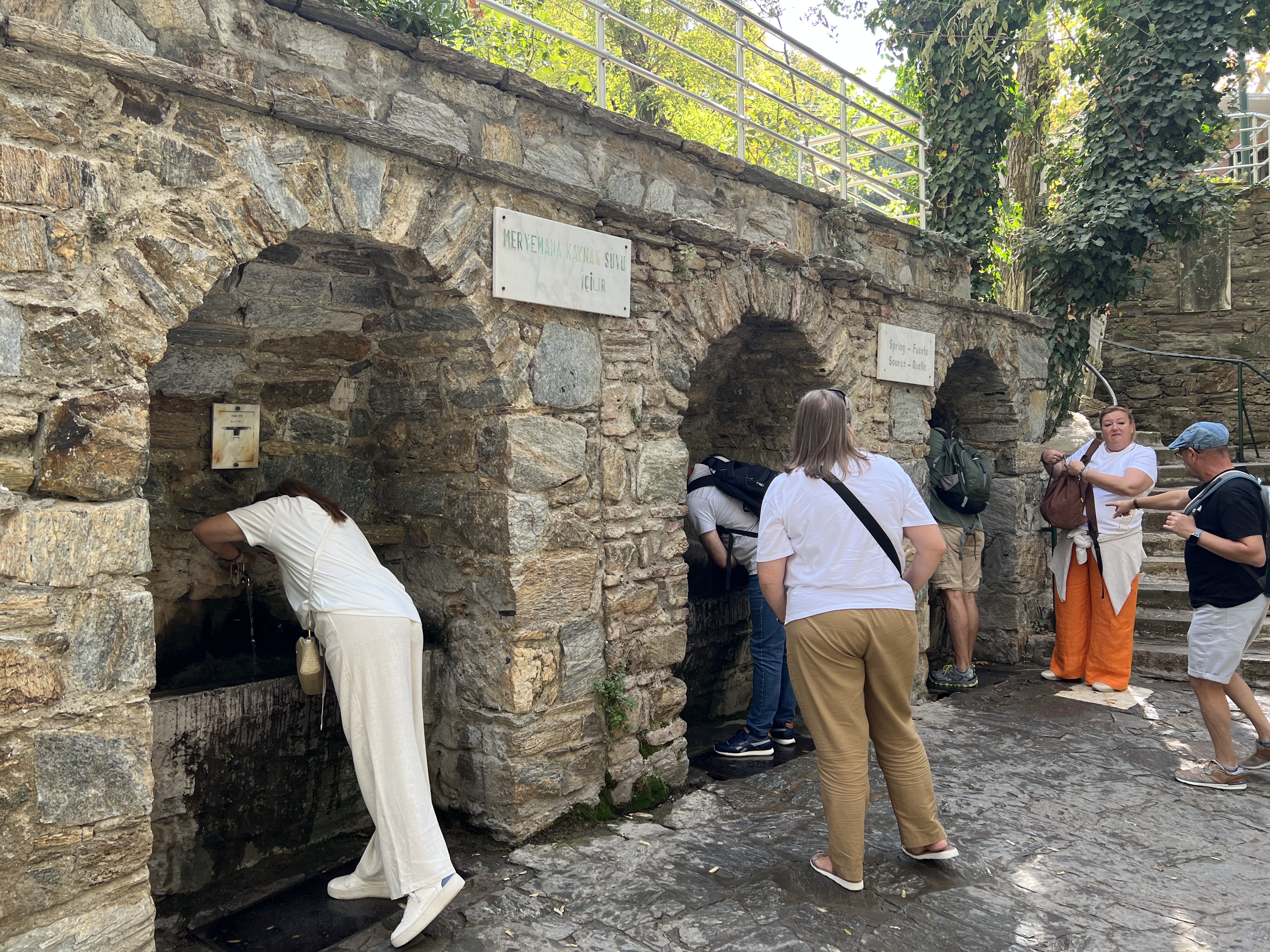
Ephesus has had a long tradition of being a center of religious pilgrimage. Nestled in the picturesque hills of Selcuk, Turkey, lies a place of profound religious significance: the House of the Virgin Mary. This sacred sanctuary, believed to be the last residence of Mary, the mother of Jesus Christ, attracts countless pilgrims and tourists from all corners of the world. According to Christian tradition, after the crucifixion of Jesus Christ, the apostle John took Mary to Ephesus for safety. The House of the Virgin Mary is a humble structure made of stone and brick, reflecting the simple life Mary is believed to have led in seclusion. The interior consists of a central room and a small altar, while the exterior features a courtyard and a prayer wall where visitors leave their petitions and prayers.




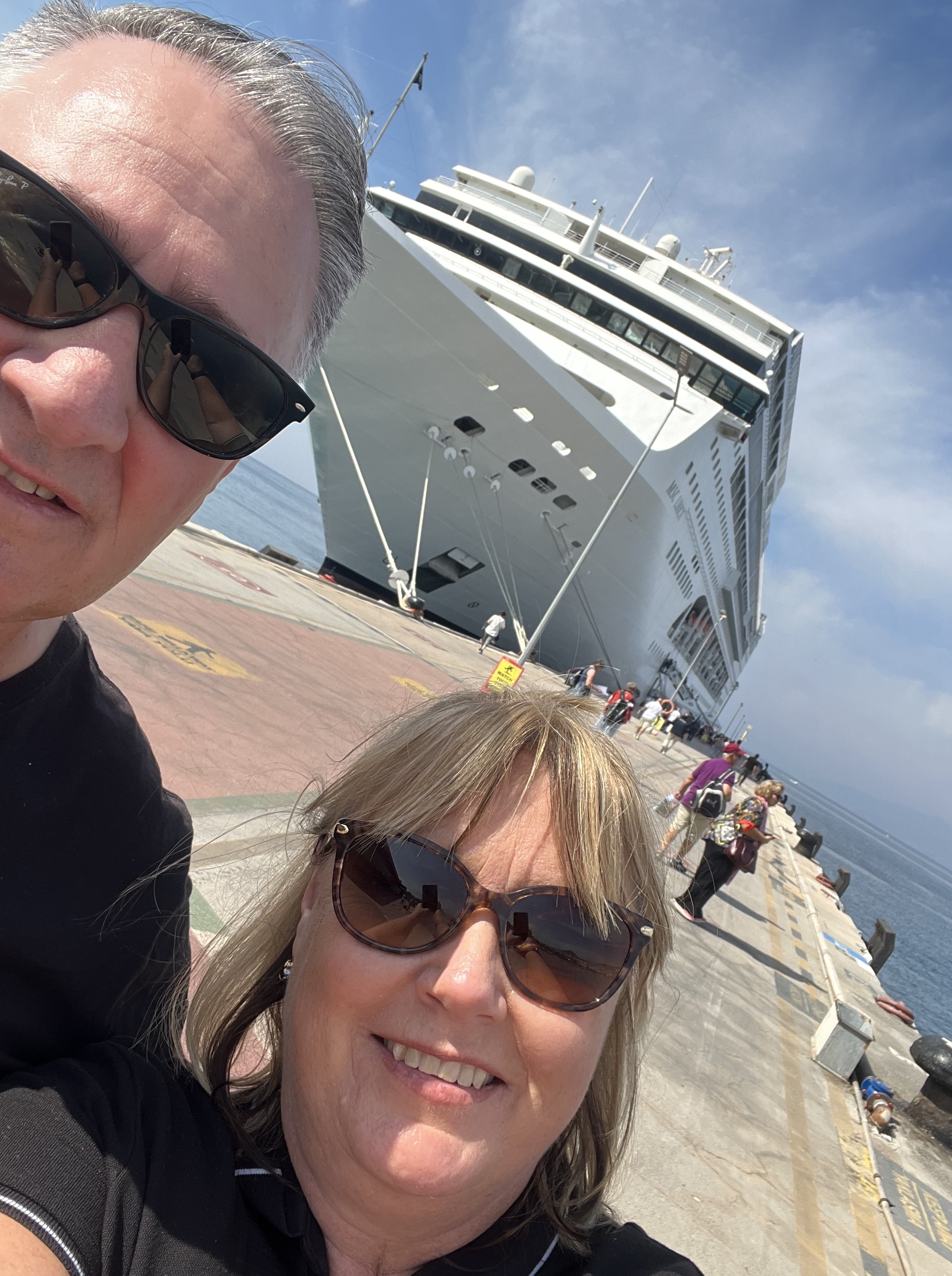
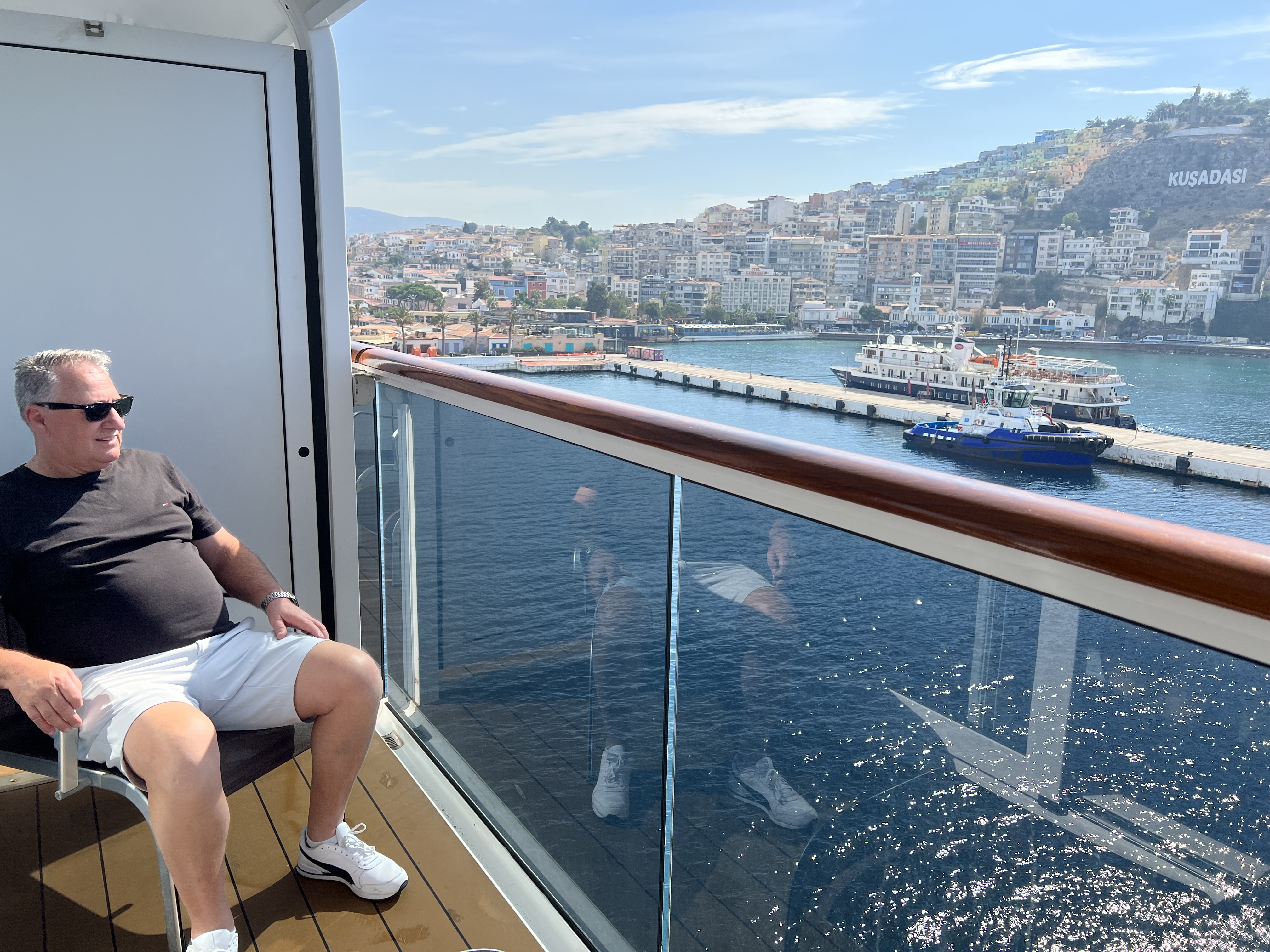
As we concluded our day touring the area it was time to make our way to Kusadasi where we paused touring Turkey for seven days and boarded our MSC cruise to Israel and the Greek Islands. Waking up in a new place every morning is what I love about a cruise, and I was particularly excited about our first stop at the port of Haifa, Israel. Here I would tick off two Bucket List experiences visiting the holy land of Jerusalem.

After a 2-hour drive to Jerusalem, we were promised one of the most inspiring cities in the world renowned for its historical significance, spiritual symbolism, and visual splendor, and that is exactly what we got. Our first stop was the Western Wall – the remains of the second temple destroyed by Romans in 70 AD and the most sacred Jewish shrine in Jerusalem. To add to the spectacle of what was already breathtaking, it was the Jewish celebration of Rosh Hashanah which means “Head of the Year,” Rosh Hashanah marks the beginning of the Jewish calendar. It begins a 10-day period of repentance and prayer, and we bore witness to thousands of people celebrating this special day in this place of spiritual significance.


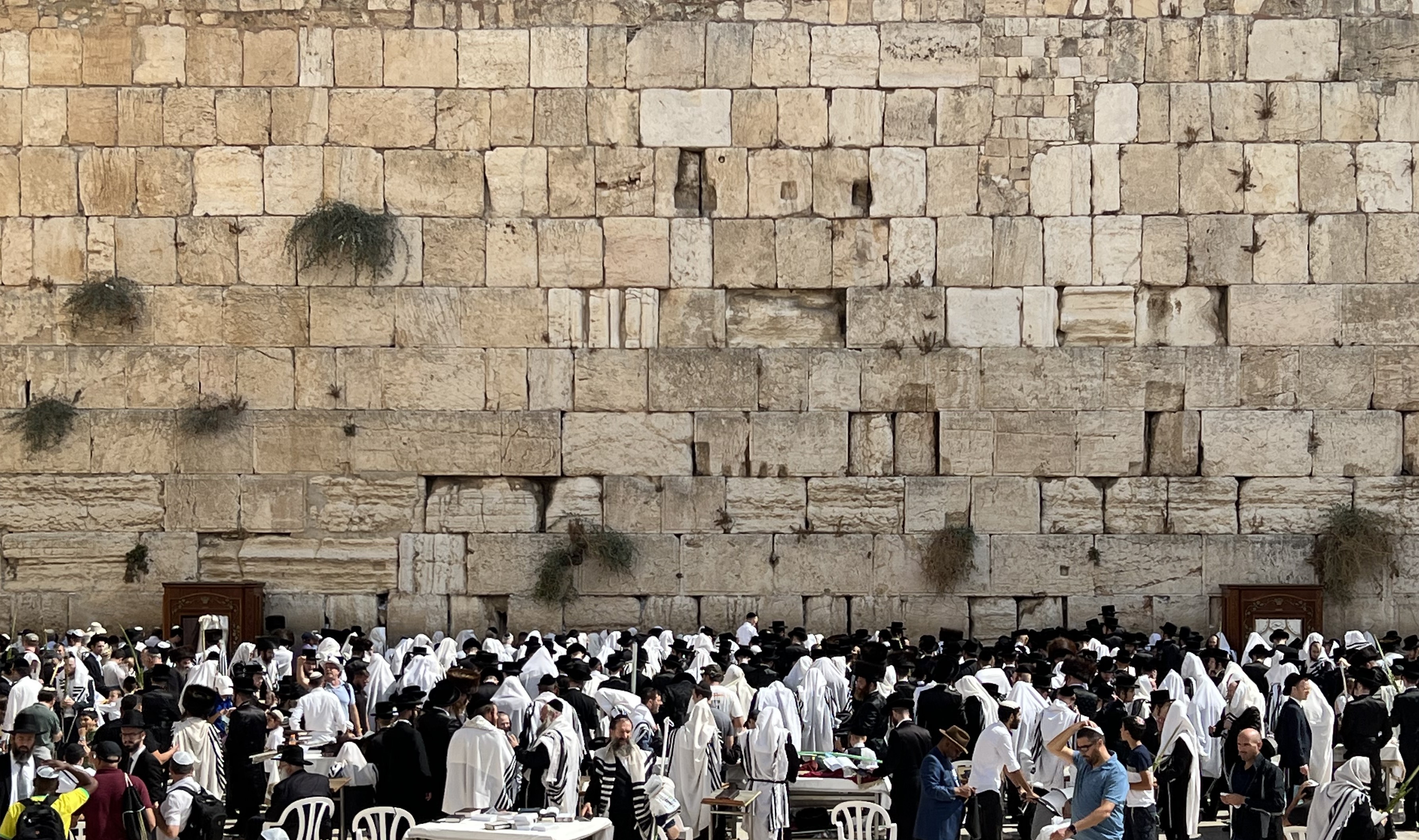

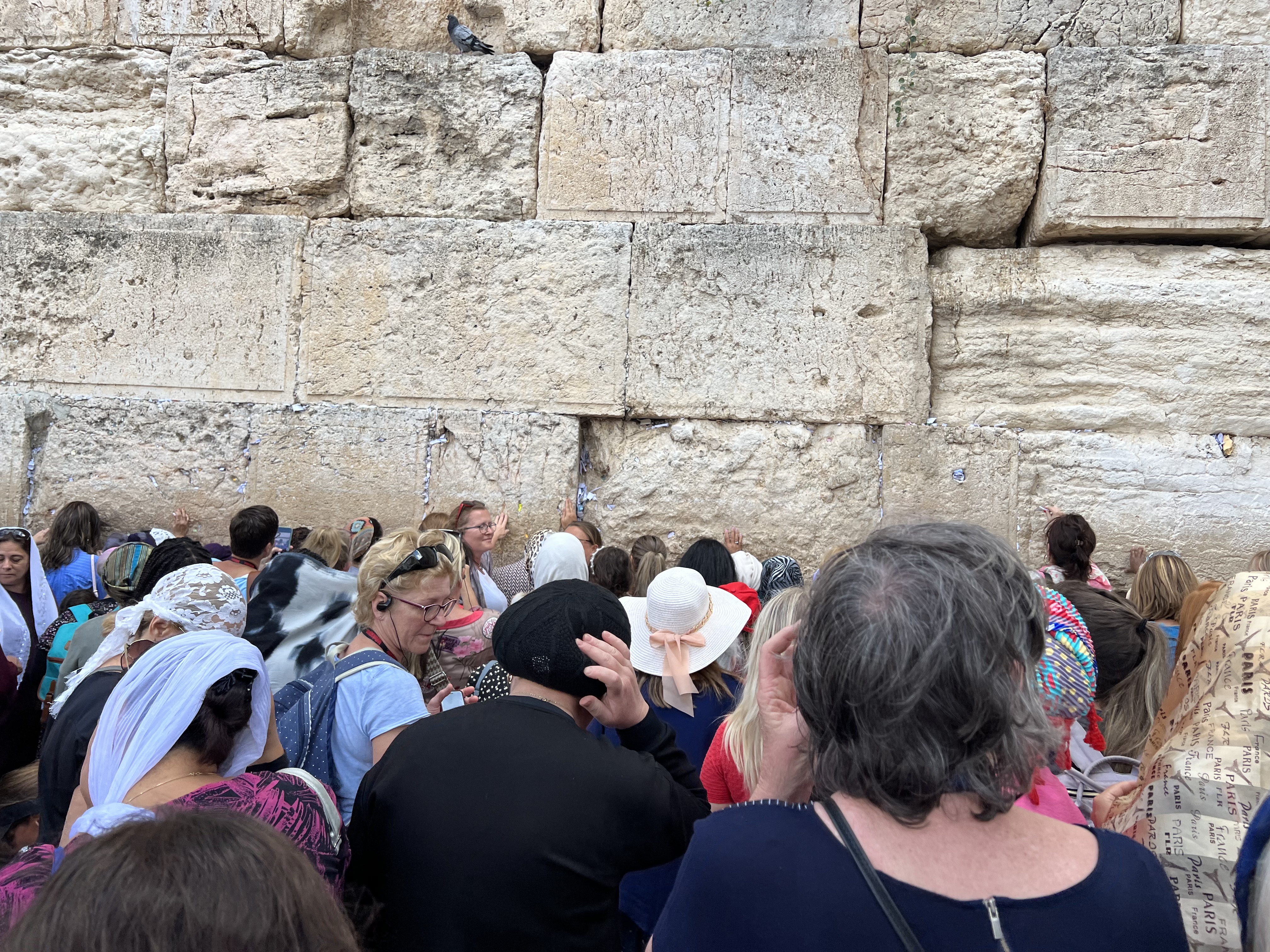
As we approached the wall our guide advised the women and men had to separate to different sections divided by a cyclone fence. As I made my way through the crowd of praying women, I paused to take in the pronounced nature of what was happening around me. When I touched the wall, it had a much bigger impact on me than it would have on any other ordinary day as I watched those around me resting their heads and silently praying. With that ticked off my bucket list I respectfully moved on curious to watch the men in prayer from a distance. To read more about this Bucket List experience click here.

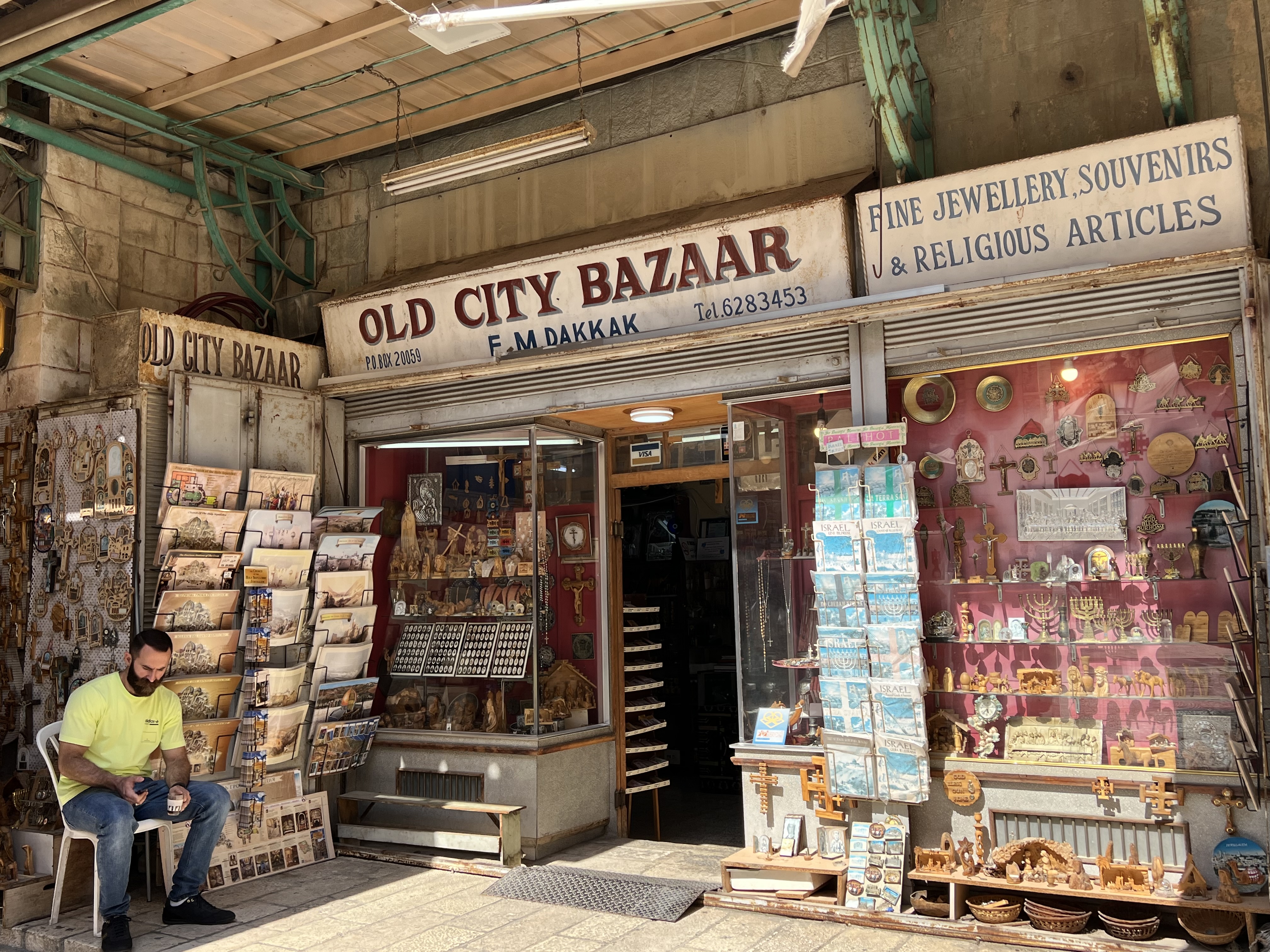
The visit continued with a walking tour through the old town of Jerusalem. Jerusalem is the religious and historical epicenter of the world. A surreal and vibrant city that made me feel like time had stood still. We walk along a part of the “Via Dolorosa”, considered by Christians to be the holiest road in the world, the path where Jesus was led to death. We followed our guide through a maze of narrow cobblestone streets in the Christian Quarter of the old city and the feeling was a profound one that is difficult to describe. There was something sacred and spiritual walking the path that Jesus took, forced by the Roman soldiers, on the way to his crucifixion.


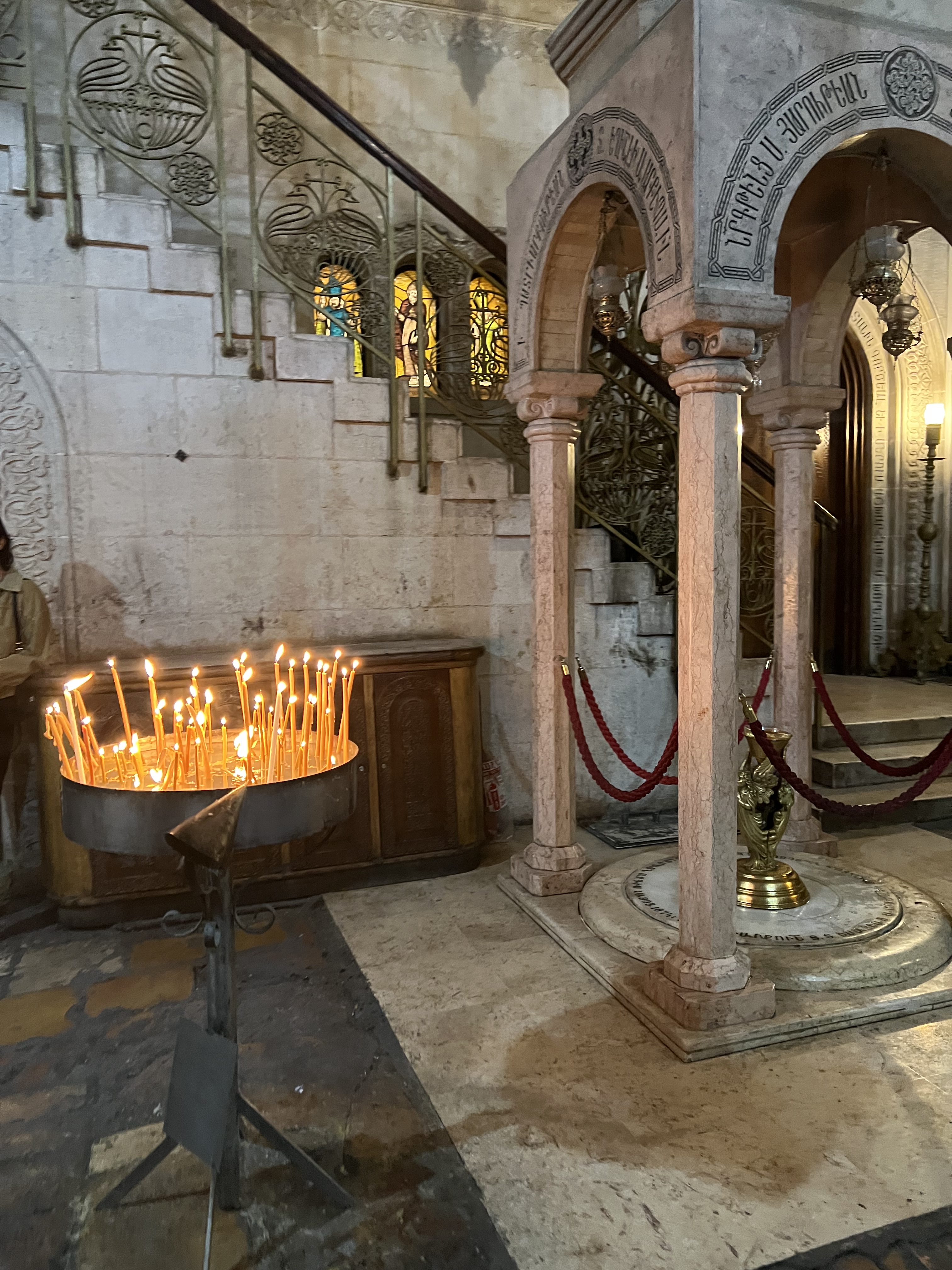
We reached the Church of the Holy Sepulcher, a fourth-century church considered the holiest site in Christianity in the world and has been the most important pilgrimage site for Christians since the fourth century. Home to two of the holiest sites in Christianity – the site where Jesus was crucified, known as Calvary, and the tomb where Jesus was buried and then resurrected. The Stone of Unction is a large slab of stone inside the church’s entrance and by local tradition, on this rock, Jesus’ body was laid and prepared for burial. We observed people leaning on the stone praying and one woman washing it with rose water. As we moved quietly through the church the unexplainable feeling of being connected to something sacred deep in your soul continued. As the tour concluded and we made our way back to the ship, I reflected on the day and knew this was one of those unique travel experiences that would stay with me for reasons I cannot explain or do justice trying to describe. Read more about this Bucket List experience here


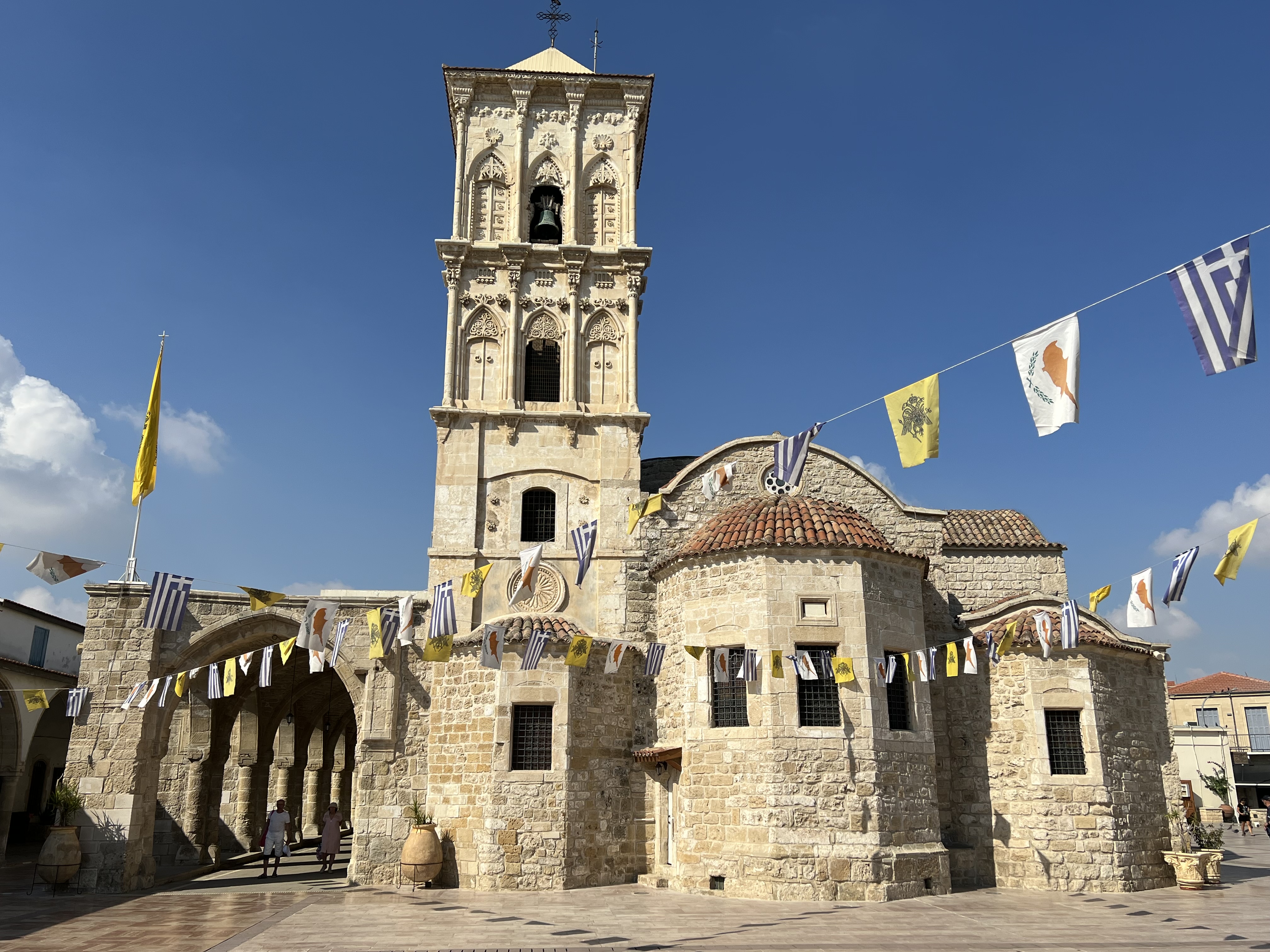
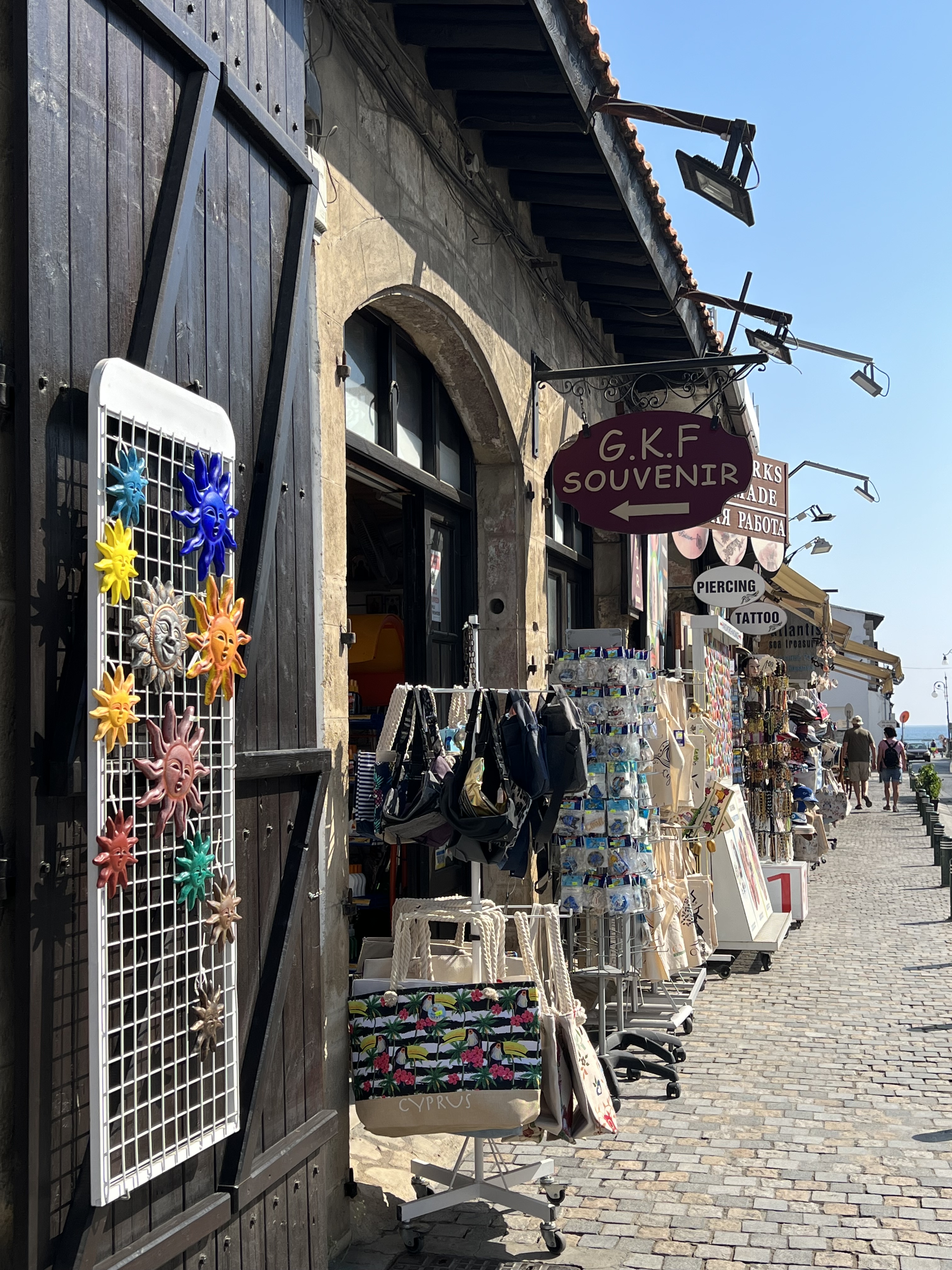
The next day we woke up in the eastern Mediterranean island of Cyprus, which is most famous for its rich archaeological sites, beautiful beaches, crystal clear waters, and of course for being the birthplace of Aphrodite – the ancient Greek goddess of beauty and love. We opted to do the shore excursion that allowed us to independently explore Larnaca and Lefkara. Compact, easily accessible and truly authentic, Larnaca is the island’s oldest city, with a history that dates back 4.000 years. Finikoudes Beach, is a sandy strip in the city center backed by a palm-lined seaside promenade, and the 9th-century Church of Saint Lazarus contains the tomb of the saint said to have risen from the dead. We wandered around the cobblestone streets and explored the inside of the church before making our way to the beach, passing souvenir shops and beautiful old buildings that added to the charm of this quaint seaside town.



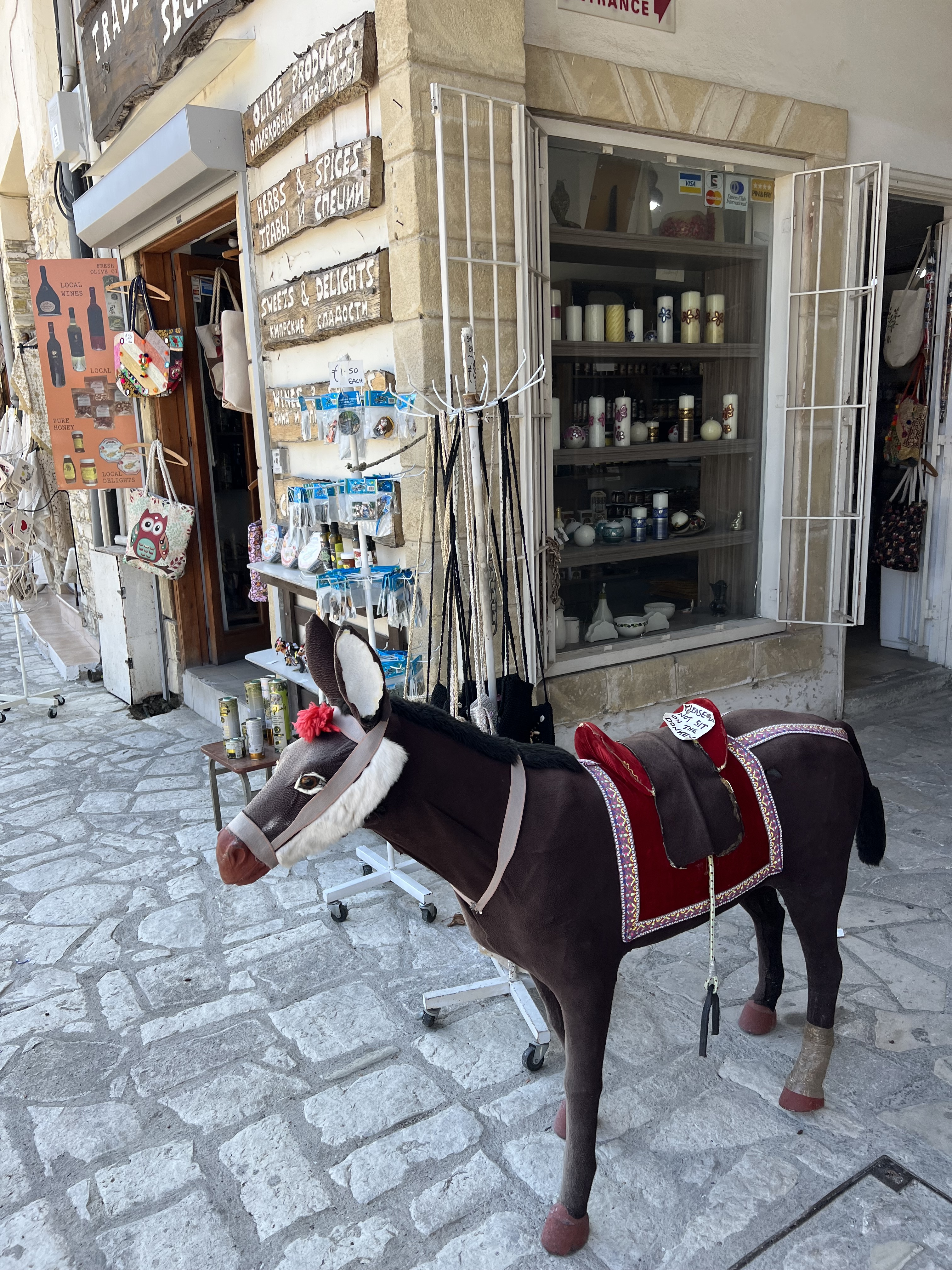
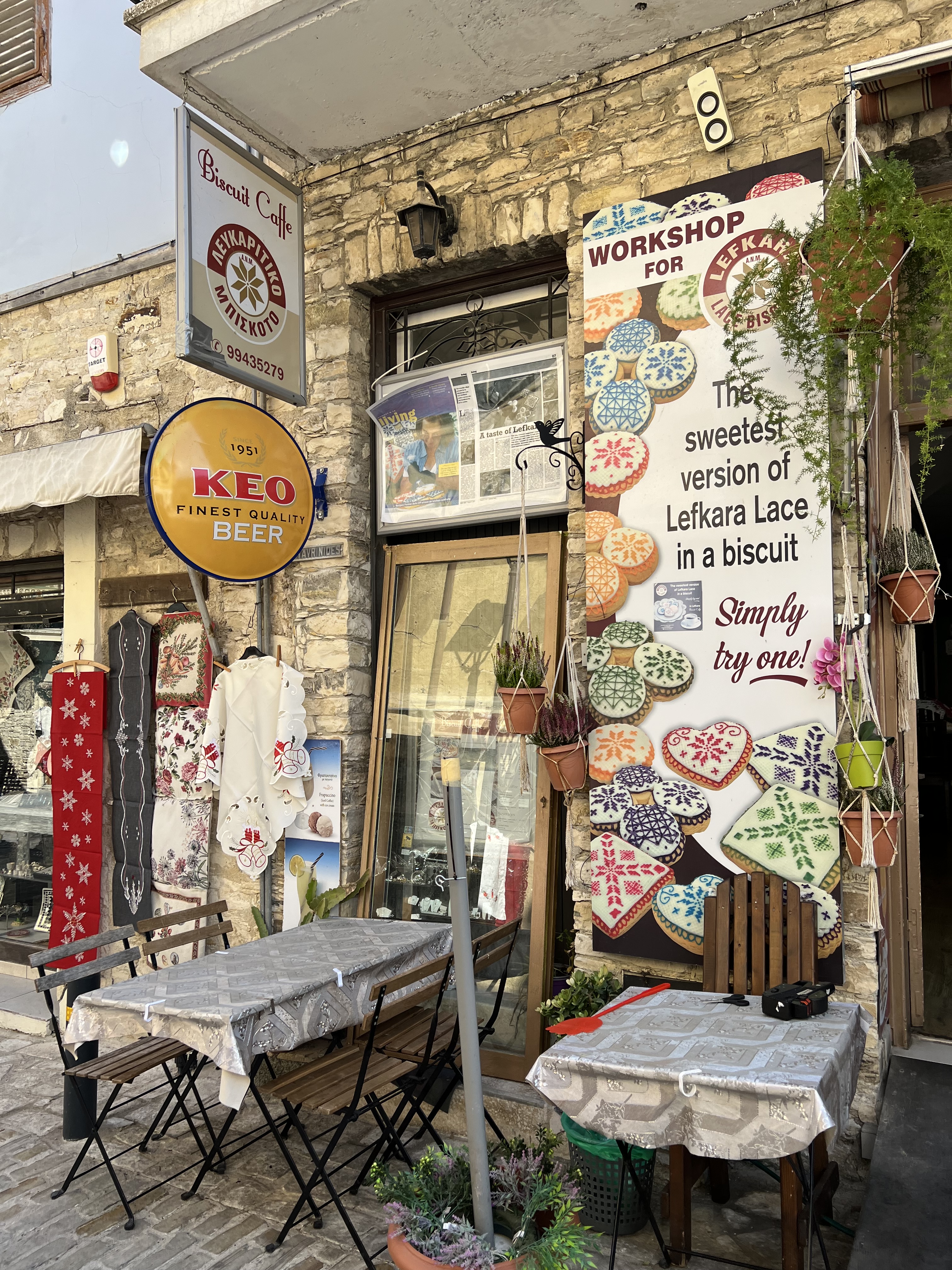
After a short drive we arrived at Lefkara, one of the most famous and most visited villages in Cyprus. It is known for its stunning architecture and for the tradition of producing lace and silver products, all handmade. We wandered around the village, and if you like photography, be prepared to take a lot of pictures because its quaintness and charm had me clicking the camera every corner we turned. The village is not big, but the architecture is incredible, and it has many shops that draw you in as you aimlessly meander around the streets. What added to the charm was watching local women sitting out the front of their stores sewing lace table clothes and other beautiful pieces of hand-crafted homewares. I was reminded of myself as a young girl watching my great grandmother create similar pieces with pride. This was an art I thought was forever lost in this modern world, but here it is like time has stood still and it was pure joy watching something being made with such meticulous care.


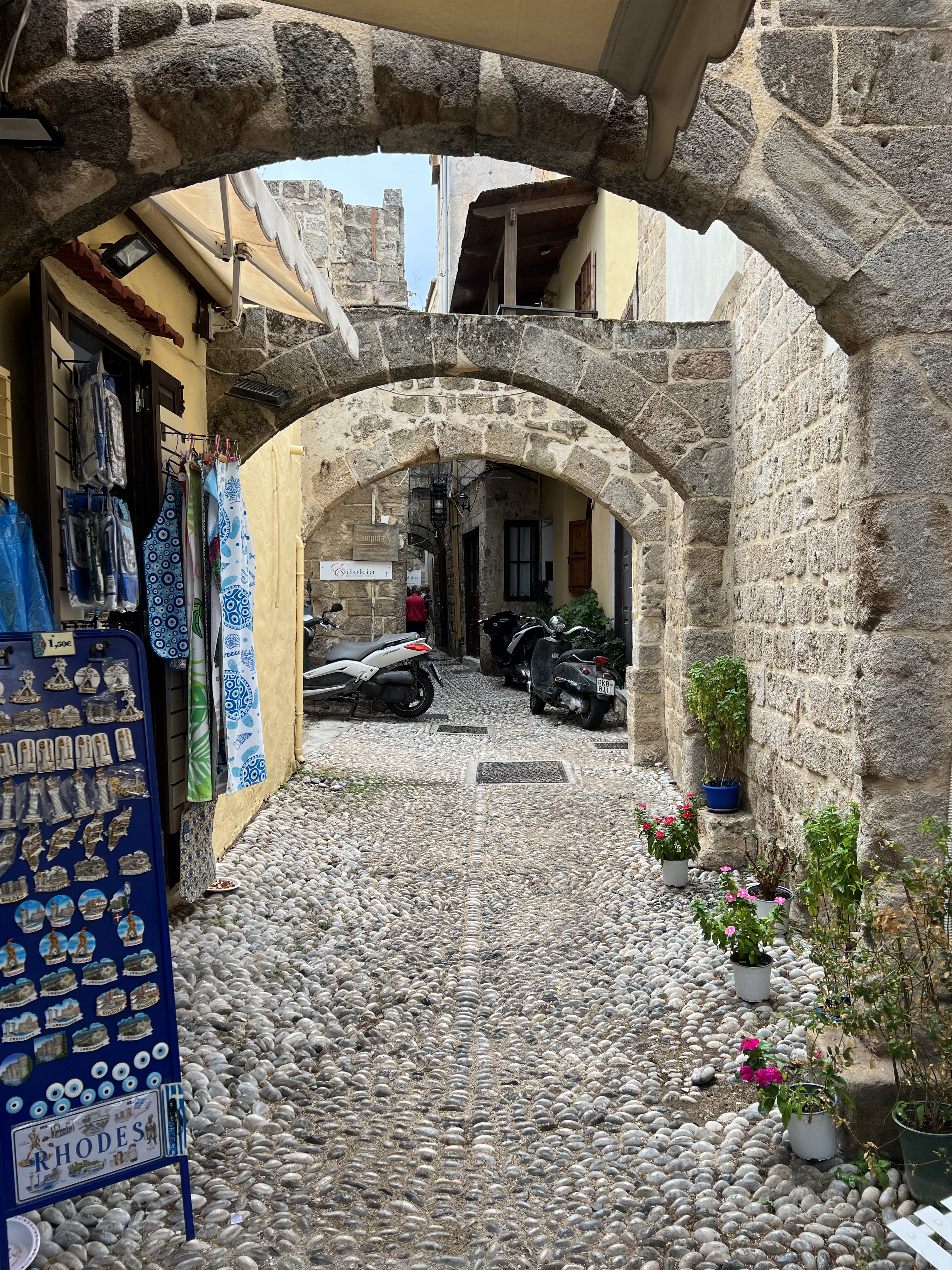
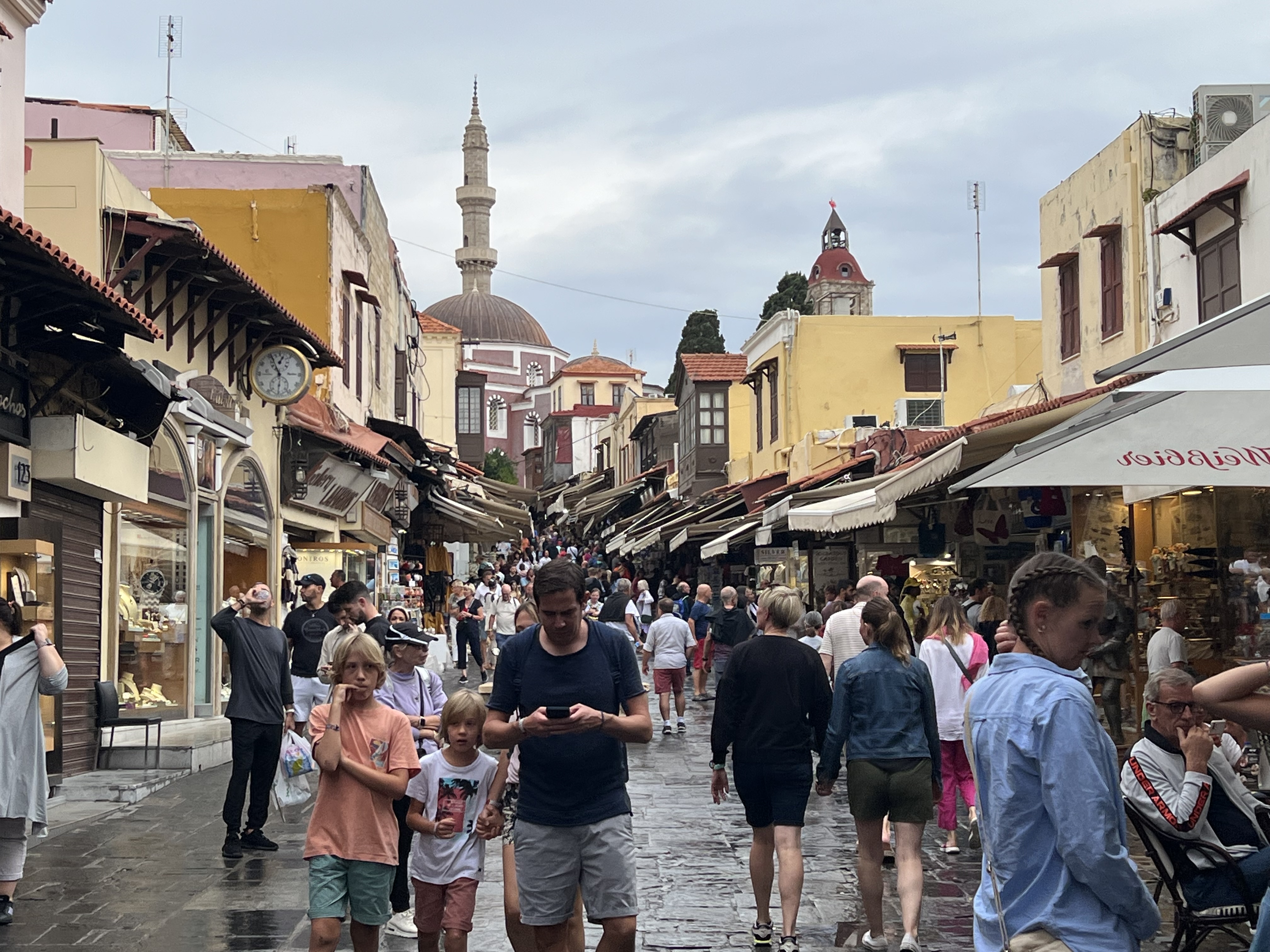
After another entertaining evening on the MSC Lirica we woke in Rhodes, the largest island of its group of 15 in the Dodecanese islands. The medieval old town of the city of Rhodes has been declared a World Heritage site and is one of Europe’s most popular tourist destinations. Given the close proximity of the port to the town we opted to wander on our own and not join an official shore excursion. We disembarked the ship and encountered some rain so decided to find our way to the local market to find cover. We came across a Greek café where we ate Taramasalata dip with warm Turkish bread and watched the world go by. By the time we had finished indulging in this traditional delight the rain had subsided we wandered the streets marveling at the ancient ruins and remnants of its occupation by the Knights of St. John during the Crusades. The city of Rhodes has an Old Town featuring the medieval Street of the Knights and the castle-like palace of the Grand Masters. What struck me about Rhodes was its ability to make you feel like it’s cosmopolitan and traditional, timeless and modern all at the same time.


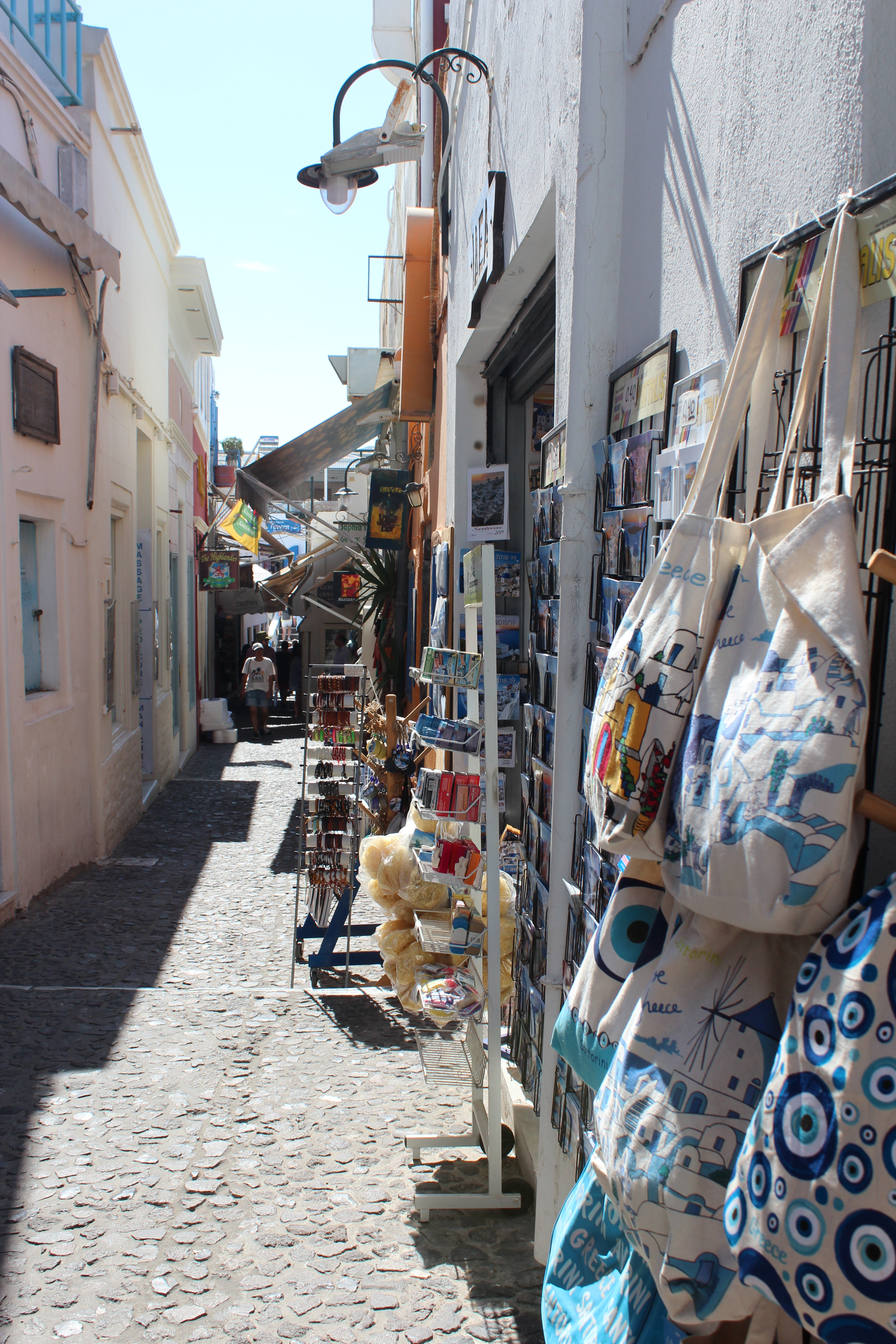
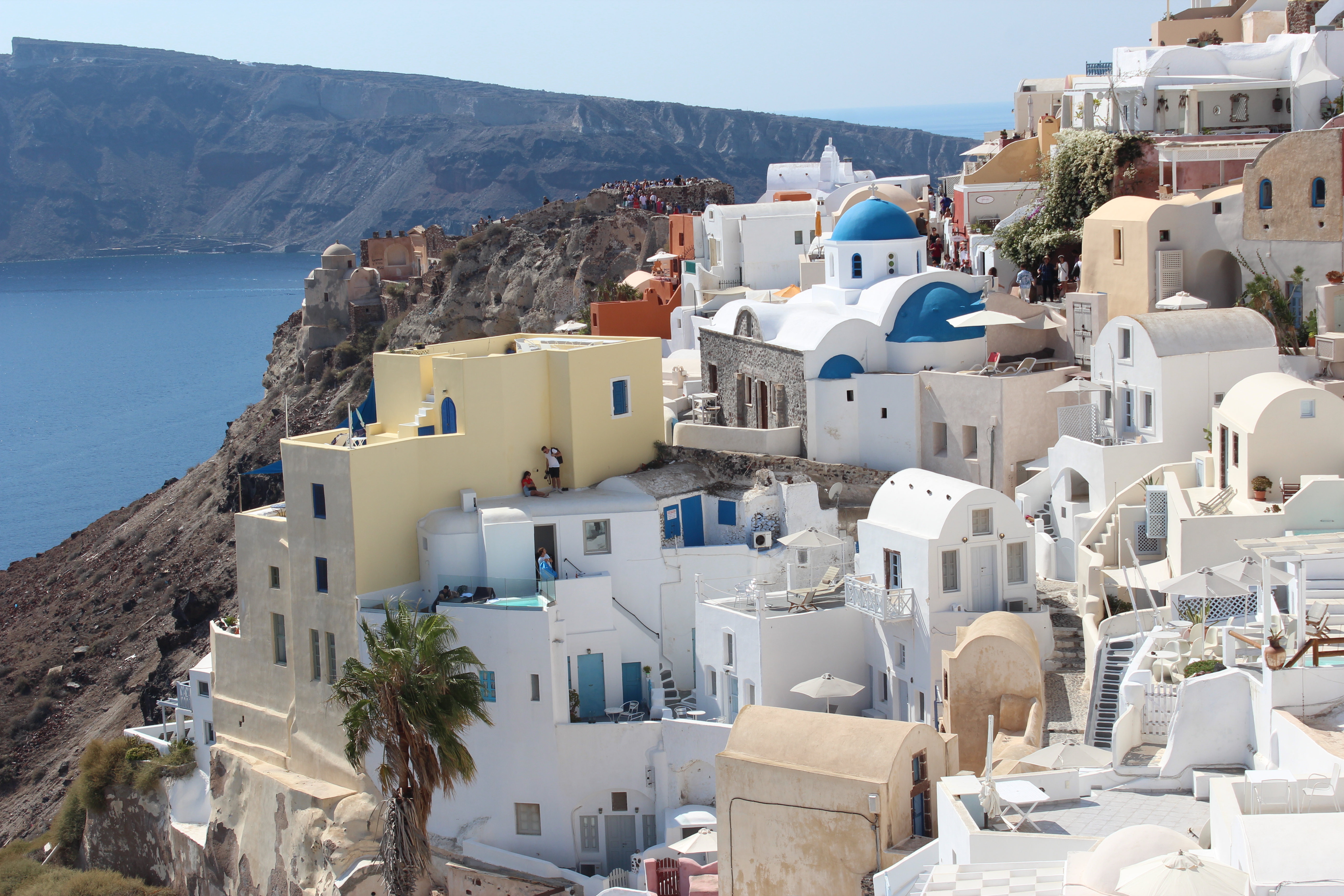
The next morning, we woke in the Greek Island of Santorini, we had been here a few years earlier so felt confident spending the day independently exploring the island and opting not to do a shore excursion. Santorini is instantly recognizable around the world, its multicolored cliffs soar out of a sea-drowned volcanic crater, topped by whitewashed buildings. With its reputation for dazzling panoramas, romantic sunsets and volcanic-sand beaches, it’s hardly surprising Santorini features on so many travelers’ bucket lists. A cable car ride from the port to Fira is the quickest and easiest way to reach this vibrant town, which is a combination of natural beauty, social life, shopping, and where you can feel the liveliness of the island and where all the action takes place. You can get lost for hours meandering around the narrow cobblestone streets and walking the caldera edge to take in those breathtaking views.


After marveling in the amazing views and taking in a traditional Greek lunch we boarded a local bus to the town of Oia. On the drive you pass many traditional villages before arriving at the Northern part of the caldera rim which in my opinion provides some of the most majestic and stunning scenery you will ever see. Oia is the quintessential Greek Island location to admire all you ever imagined the Greek Islands to be. Oia is a rather peaceful and idyllic village that comes alive as the sun comes down and hundreds of people line the caldera to watch one of the most famous sunsets in the world.


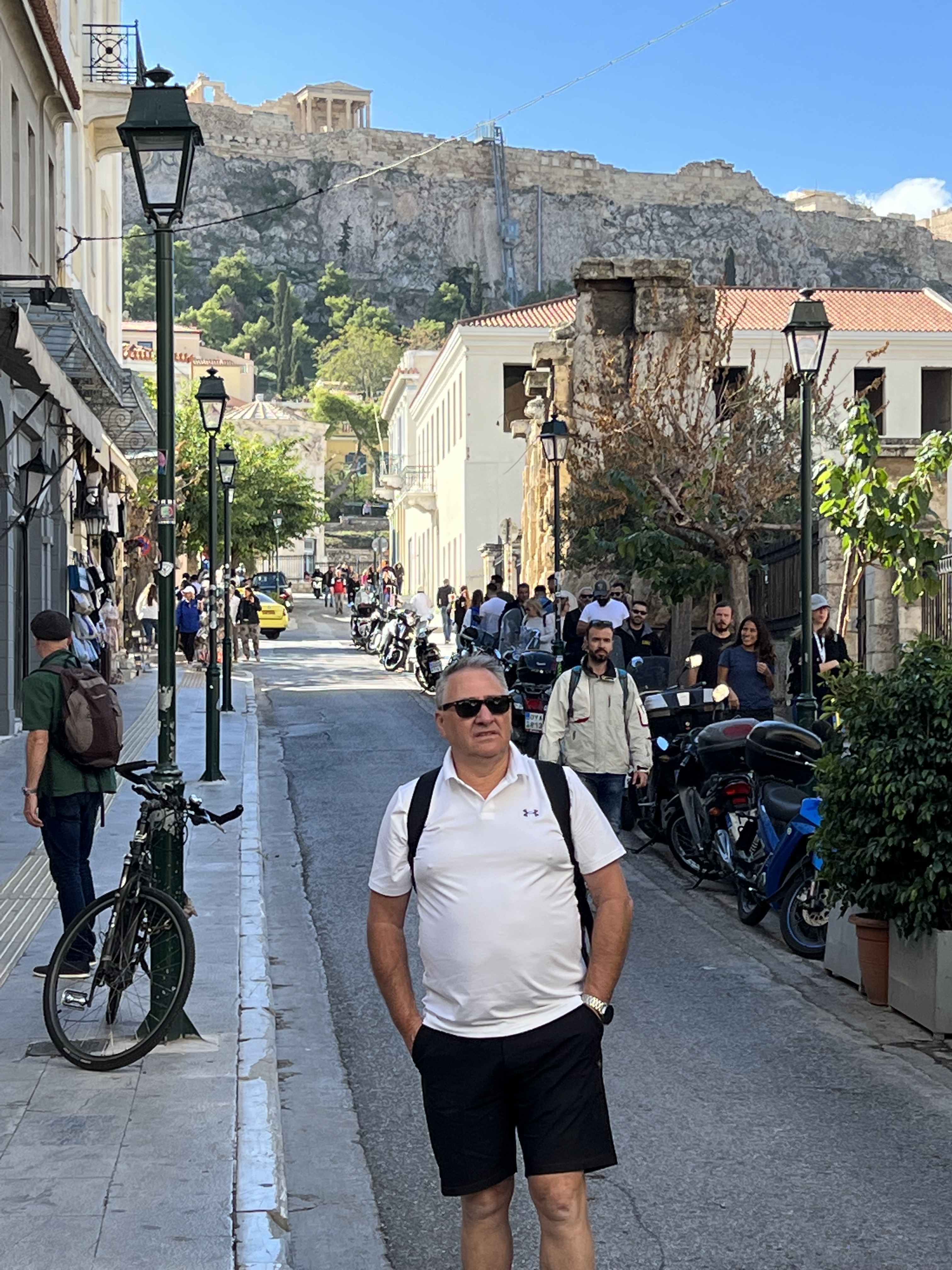
The final leg of our cruise saw us arrive at the port of Piraeus in Athens. One of our favorite things to do in a big city is jump on a hop on hop off bus to explore all the sites a place has to offer. Conveniently there is a stop at the port where we joined the tourist route into the center of Athens. Having been to Athens before, one of my favorite neighborhoods is in the shadow of the Acropolis, the Plaka. The Plaka is the oldest section of Athens and most of the streets have been closed to traffic. The area is full of restaurants, Jewelry stores, tourist shops, and cafes, though it is quite commercialized it is still arguably the nicest neighborhood in central Athens. Whether you like hanging out watching people, shopping, eating, or wandering around, the Plaka was the perfect place for us to spend our day in Athens. The Acropolis of Athens sits high on a rocky outcrop above the city of Athens and contains the remains of several ancient buildings of great architectural and historical significance and is a must see on the hop on hop off bus route.


This concluded our 7-night MSC cruise on the Lirica to Israel and the Greek Islands, the next day we would wake up back in Kusadasi and continue our overland trip in Turkey. It had been an adventure-filled week with so many highlights. Every stop provided something different, so it was hard to pick a favorite, but our tour of Jerusalem provided so many emotionally stirring moments when you reflected on the major historical events that occurred in the very place where we were standing.
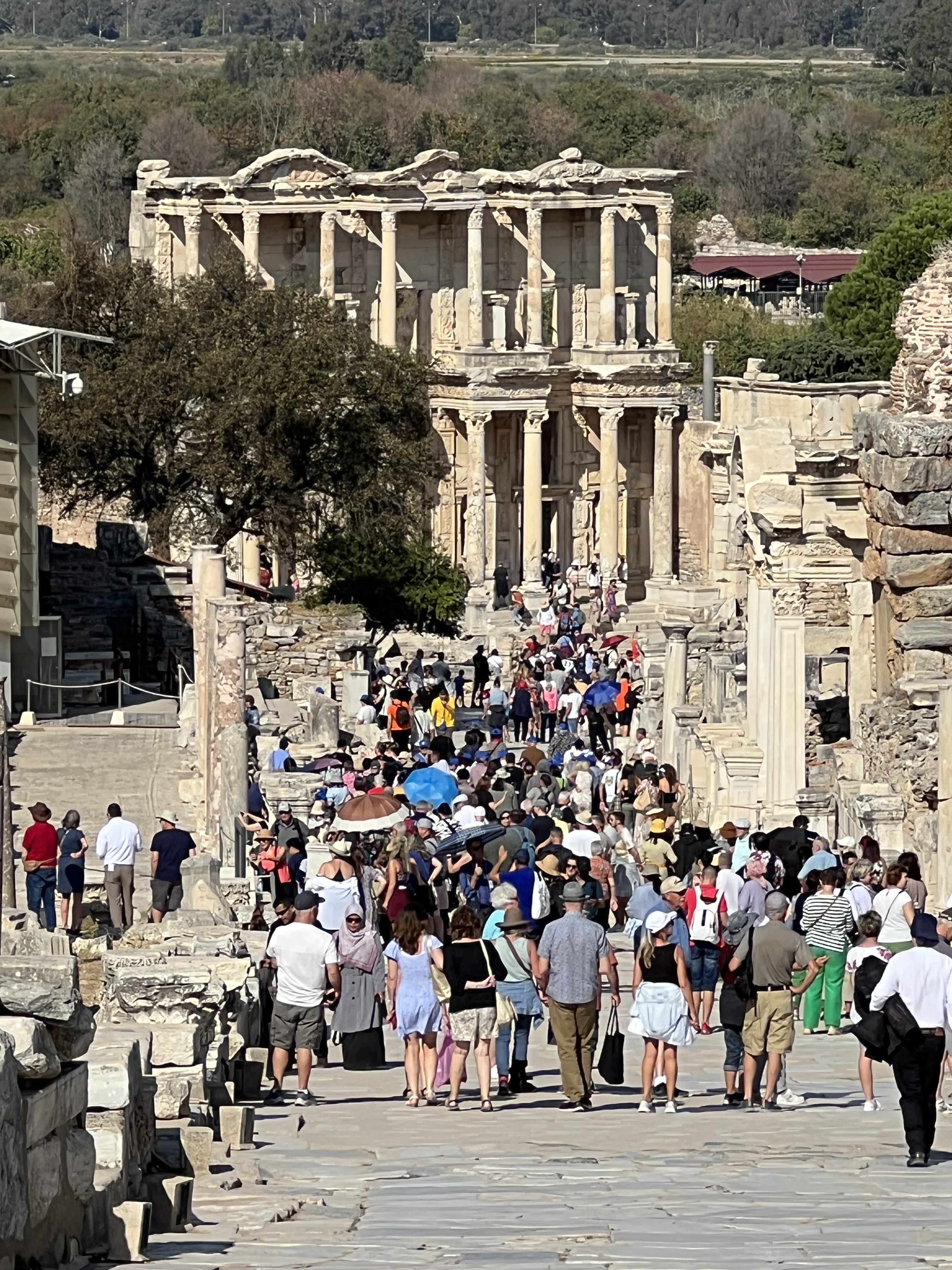
After disembarking the MSC Lirica it was time to board the bus again and make our way to Pamukkale, where we experienced both ancient structures and natural wonders of the world. Our first stop in the region was at the ruins of Hierapolis. The name Hierapolis is of Greek origin, meaning “Sacred City,” and it was founded around the 2nd century BC by the Pergamene Kingdom. Today, visitors to the site can explore the well-preserved ruins that include the Roman theater, the Temple of Apollo, the Nymphaeum, and the Plutonium. The ruins themselves are quite spectacular and were my favorite on this trip. The success of the city is still visible in its impressive arched entrance gate, its colonnaded main street and its beautifully restored amphitheater.


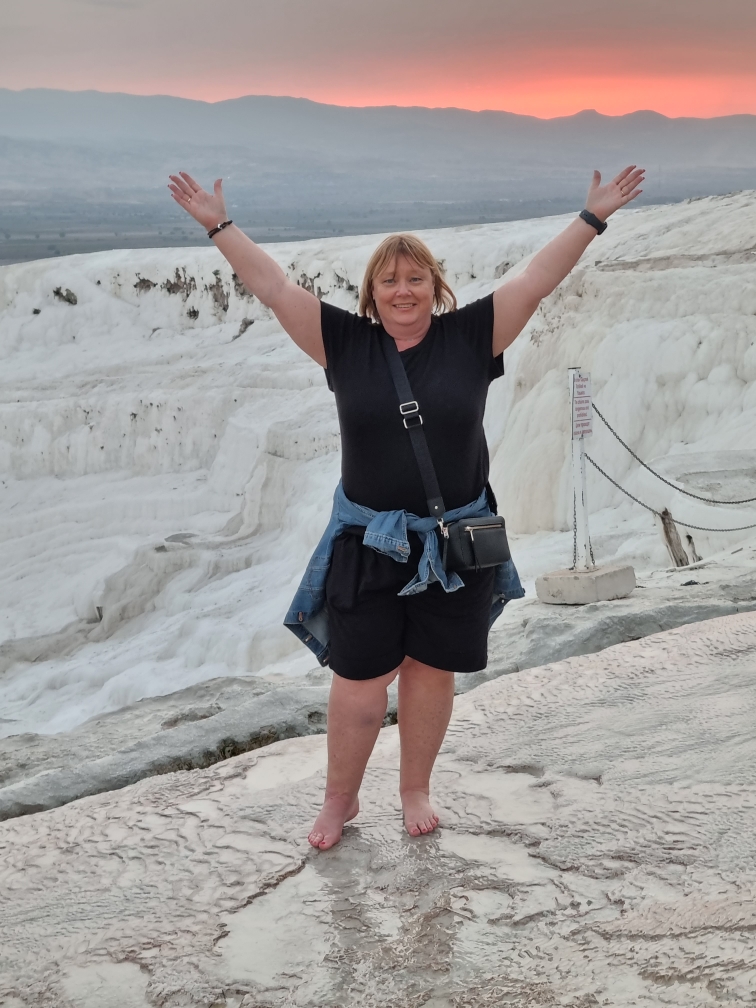
Pamukkale is also famous for the white travertine terraces that have bright blue pools of thermal springs draping down a hill. It is breathtaking and actually looks like snow. The formations of the rocks look like cotton, hence the name Pamukkale, which means “cotton castle” in Turkish. These limestone walls were formed by the calcium-rich water from the springs. Eventually, the calcium carbonate in the water hardens into limestone.
The thermal pools are the main attraction of the area and is one of the most unique things you will see in the world. Once you get to the pools, you will need to take off your shoes and walk barefoot on the travertine terraces. We were fortunate enough to be here as the sun started to set and turn the sky into a beautiful orange color adding to the beauty of this spectacular natural wonder.


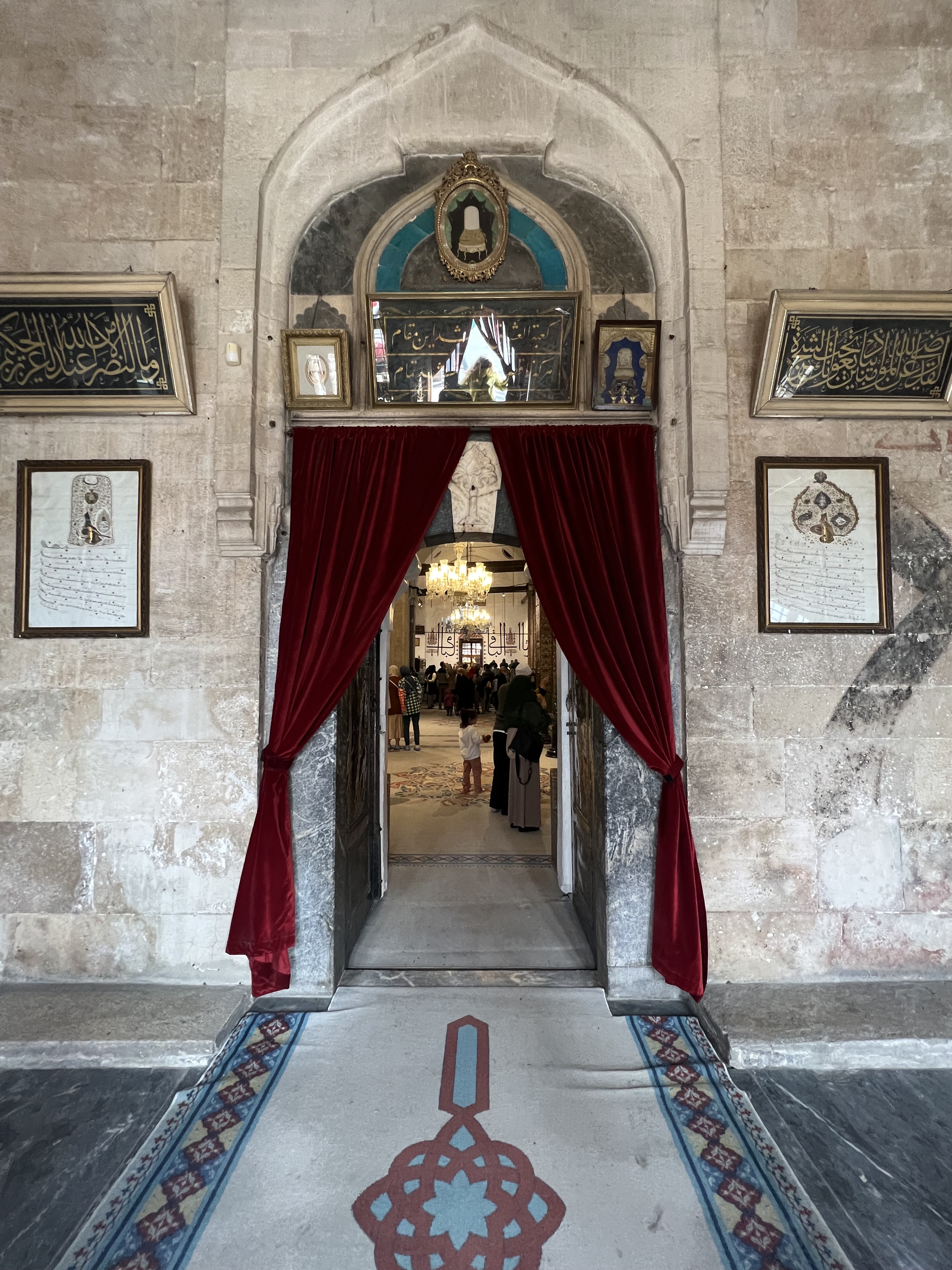
The next day was a big one on the road to the much-anticipated Cappadocia region of Turkey. On the way we made a stop in Kona visiting the imposing, green-tiled Mausoleum of Mevlana, the mystic founder of the Sufi sect the ‘Whirling Dervishes’. Jalal ad-Din Muhammad Rumi or Mevlana, was the 13th century Persian poet, spiritual leader, philosopher and Sufi mystic. Mevlana Jaladdin Rumi included the trance-like dancing as part of his practice of tariqa. Rotating in a precise rhythm, the dance is part of a sacred ceremony where the dancer represents the earth revolving on its axis while orbiting the sun. The purpose of the ritual is to empty oneself of all distracting thoughts and enter a meditative state, so the body conquers dizziness. Others buried at the Mausoleum include Rumi’s family members and the high-ranking members of the Mevlevi order.


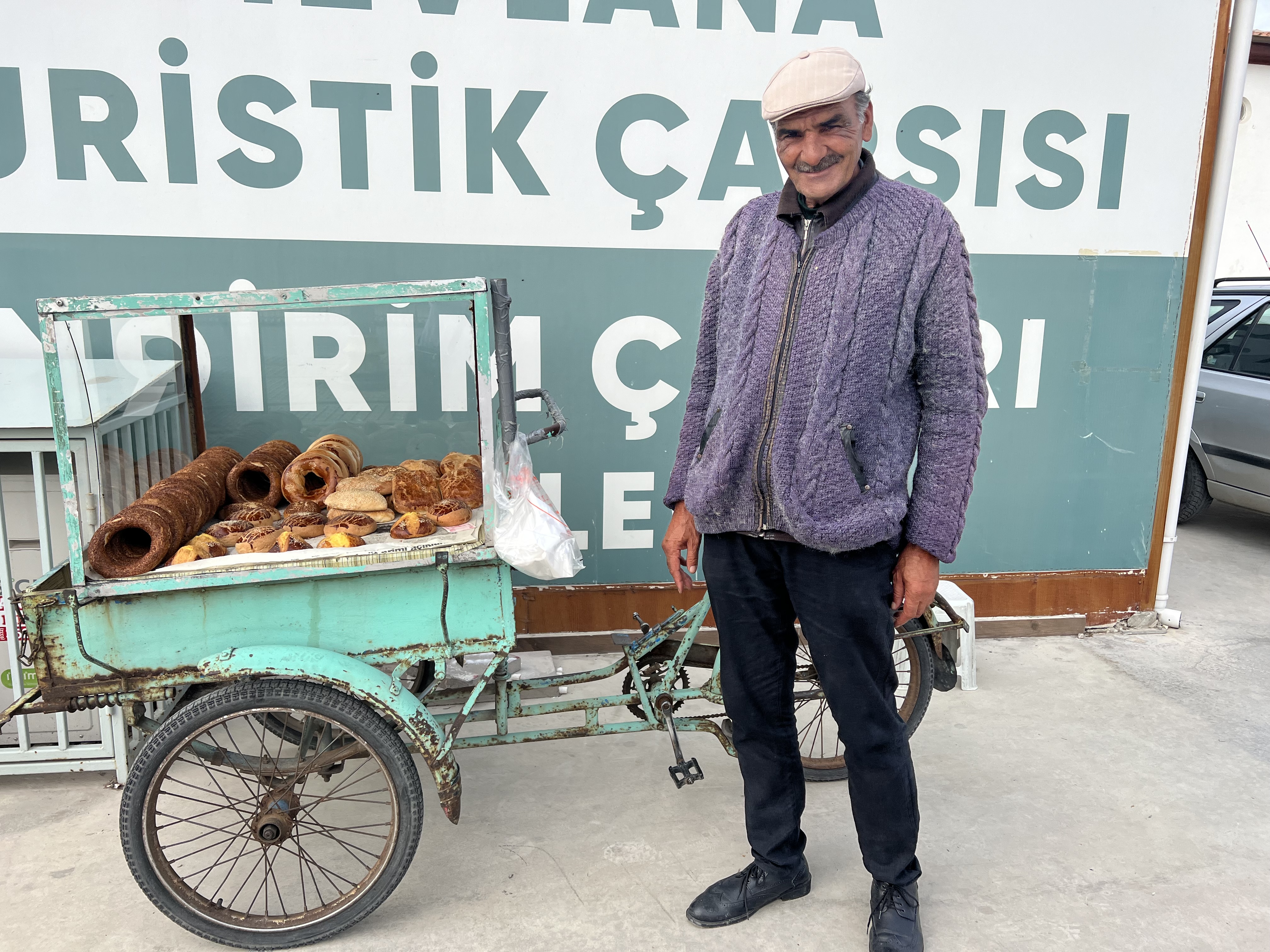
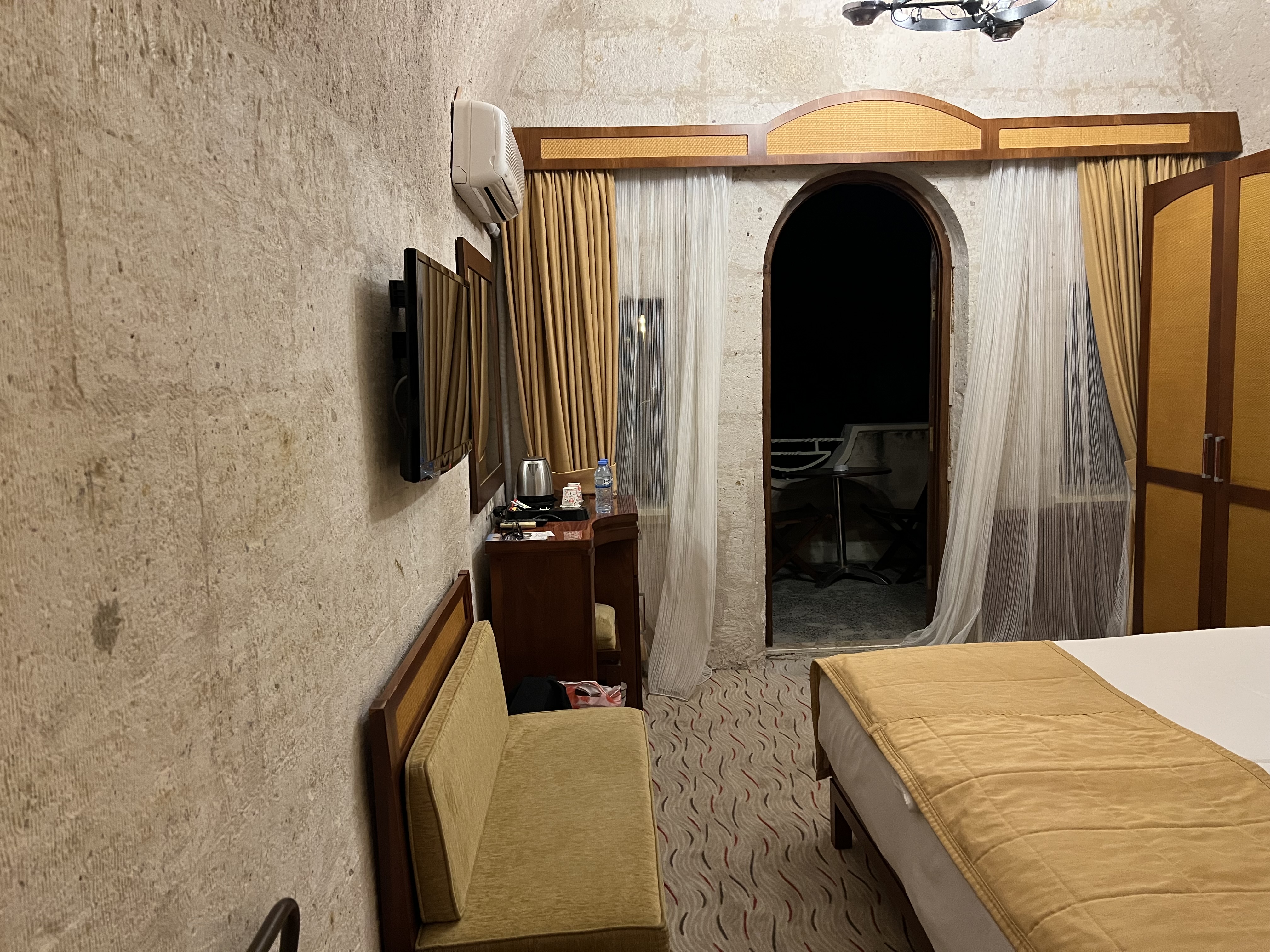
It was late when we arrived in Cappadocia but when we checked into our cave hotel, I immediately knew this was a place that would deliver yet another perspective of this must-visit country with so many things to offer.

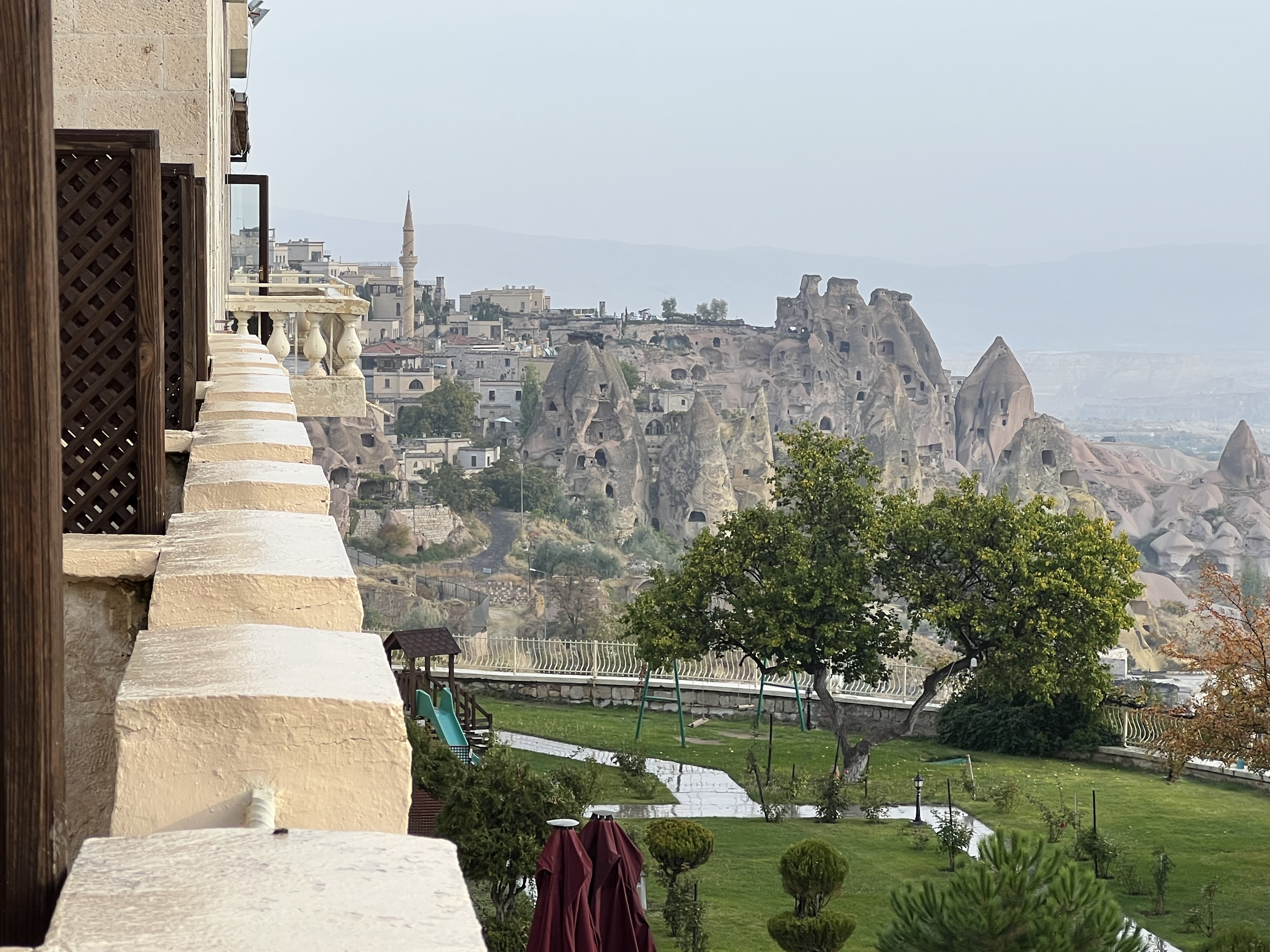
There really is nowhere else on earth like Cappadocia, and I know that’s not the first time I’ve said that about other regions in Turkey, but Turkey just kept delivering. This region in Central Anatolia lies just north of the Taurus Mountains and is characterized by its unique landscape. Soft volcanic rock, here, has been shaped by millions of years of erosion—giving rise to “fairy chimneys” from dust-strewn canyons. Surrounded by this amazing landscape for as far as the eye could see, I was filled with amazement and lost for words. Sadly, this was our last stop before taking an internal flight back to Istanbul where we would stay the night and board our flight back to Melbourne the next day.

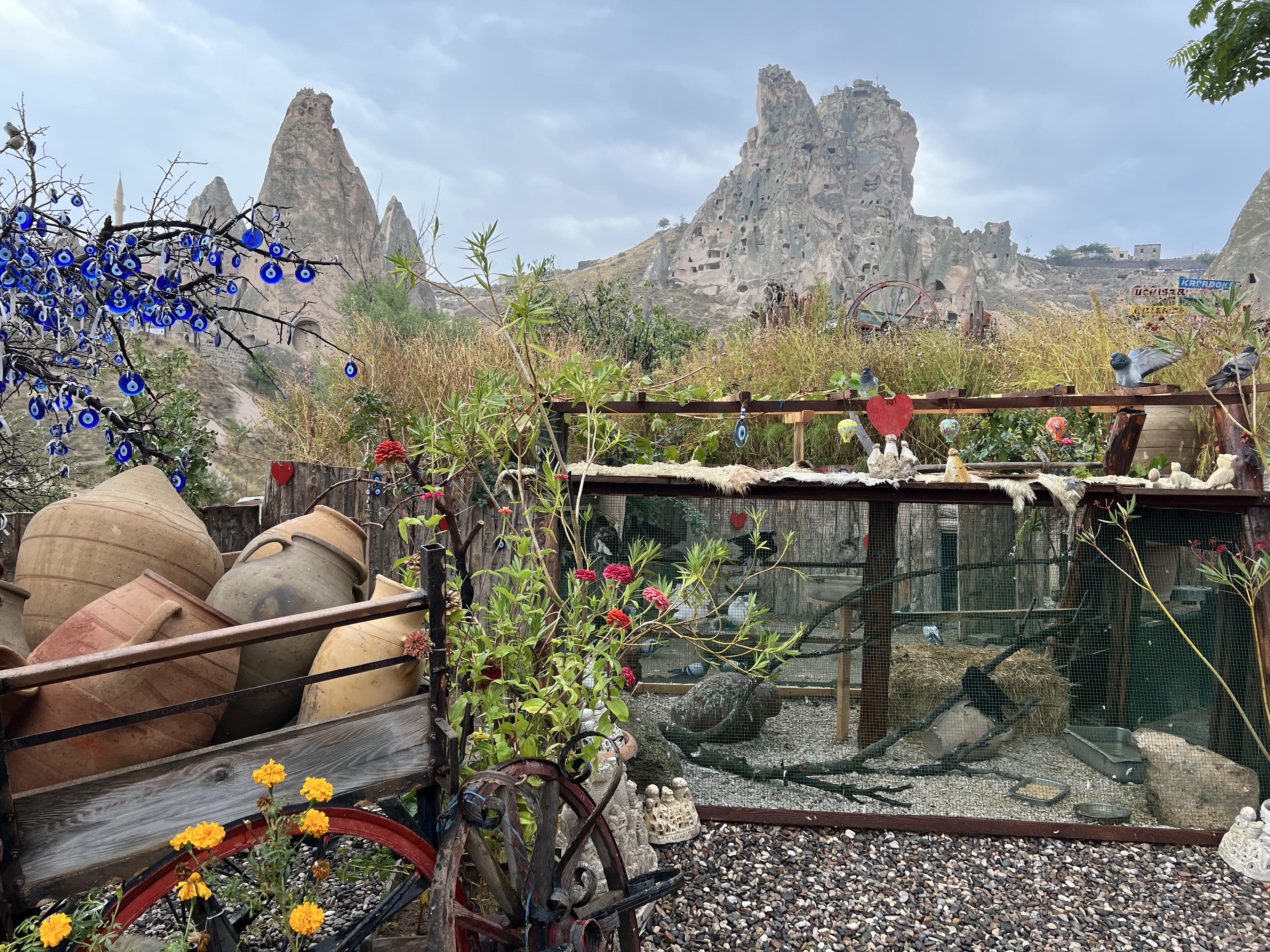


This was a journey through some of the most stunning places in Turkey, showcasing its diverse and enchanting landscapes. Turkey combines lively cities, popular coastal towns, ancient historical sites and some of the most varied natural phenomena on Earth into one diverse nation. Equally as impressive was the seven-day cruise to Israel and the Greek Islands providing exotic locations, beautiful scenic places, un-spoiled beaches and endless restaurants and cafes to delight the taste buds with its delicious cuisine.
This was the first time I had done a cruise and land package and have to say I loved the variety it provided. I will definitely look to do combine future trips with a land and sea element where possible. It elevated the holiday experience and our Sense of Adventure by exploring several incredible countries by different modes of transport in one package deal.


 Sense of Adventure Required - by Jen
You must be logged in to post a comment.