

A Journey of Tea, Trains, and Temples
Of all the places I’ve travelled, Japan was never high on my list. Aside from the bucket list item of seeing the snow monkeys soaking in hot springs and ticking Tokyo Disneyland off the list, there wasn’t much that truly drew me in. In 2025, Japan has become a hotspot for Aussie traveller’s, everyone raves about how much they love it. So, I figured it was time to go see what all the fuss was about.
After spending two weeks travelling from top to bottom, I can now understand what all the fuss is about, and I am obsessed with his country and all it has to offer. Trying to articulate just how perfect this country is in every way is not easy. It begins with the people who are kind, calm and always helpful, to the train system that makes navigating the big cities and countryside so easy. No matter where I went, it felt like every tree in Japan was perfectly manicured, and it is so clean everywhere. Finally, the food was amazing and what struck me was the quality of food and abundance of options in the big train stations. The best part was you could choose to eat cheap or spend a lot, and regardless, the quality and freshness was always there. You are spoilt for options and would be any foodies dream destination.


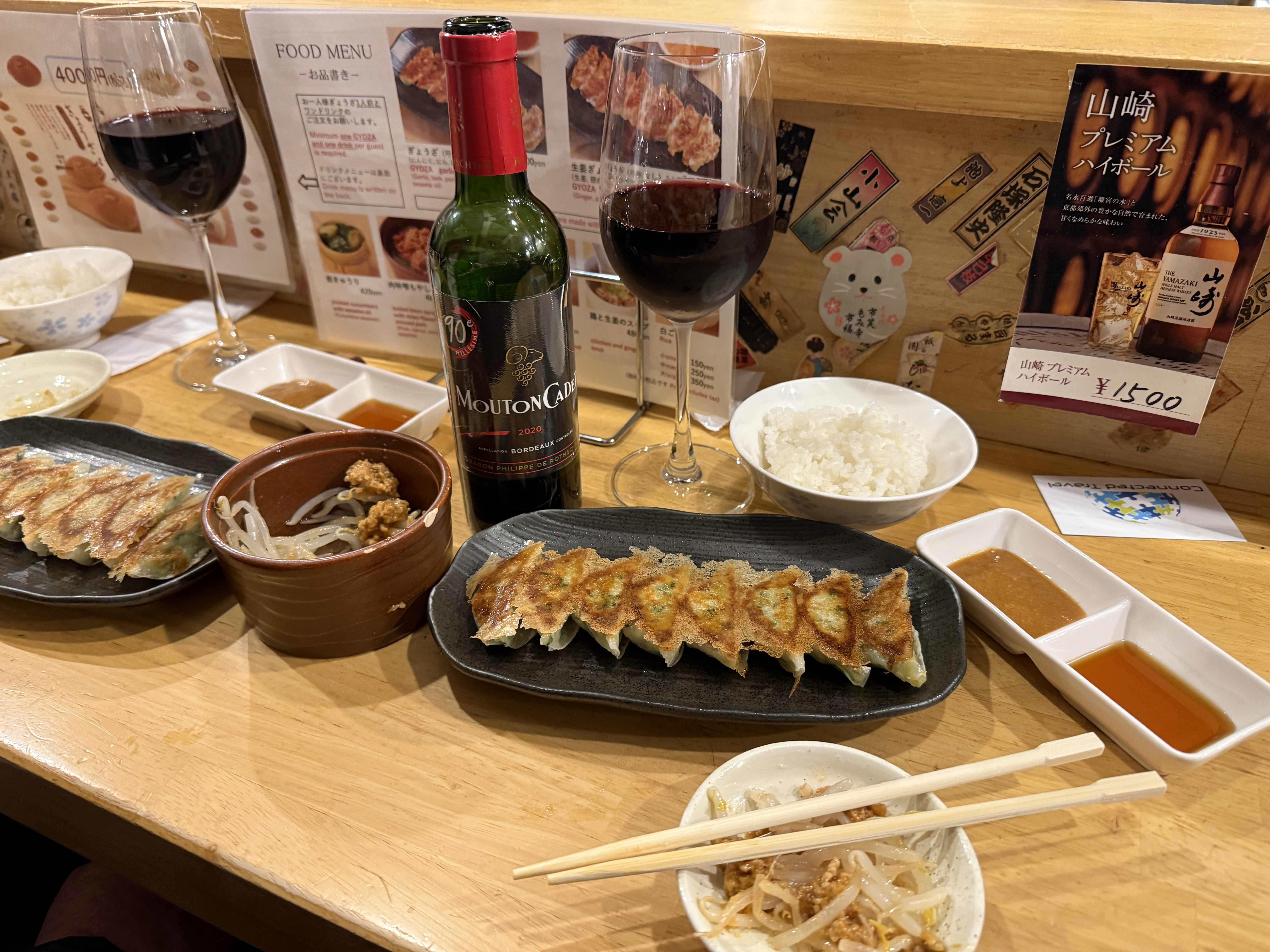
Travelling in late February, early March was a requirement if I was going to see the snow monkeys, I was a little hesitant about going in winter and hoped it wouldn’t play a part in my assessment of Japan. It turned out, the snow only affected half a day in Kyoto, falling all morning during the fifteen days we were there. The main tourist spots were still busy, so I can only imagine how crowded they must get during peak season. The best part, winter provided a breathtaking white backdrop to some of the most stunning scenery I’ve ever seen.
Kyoto
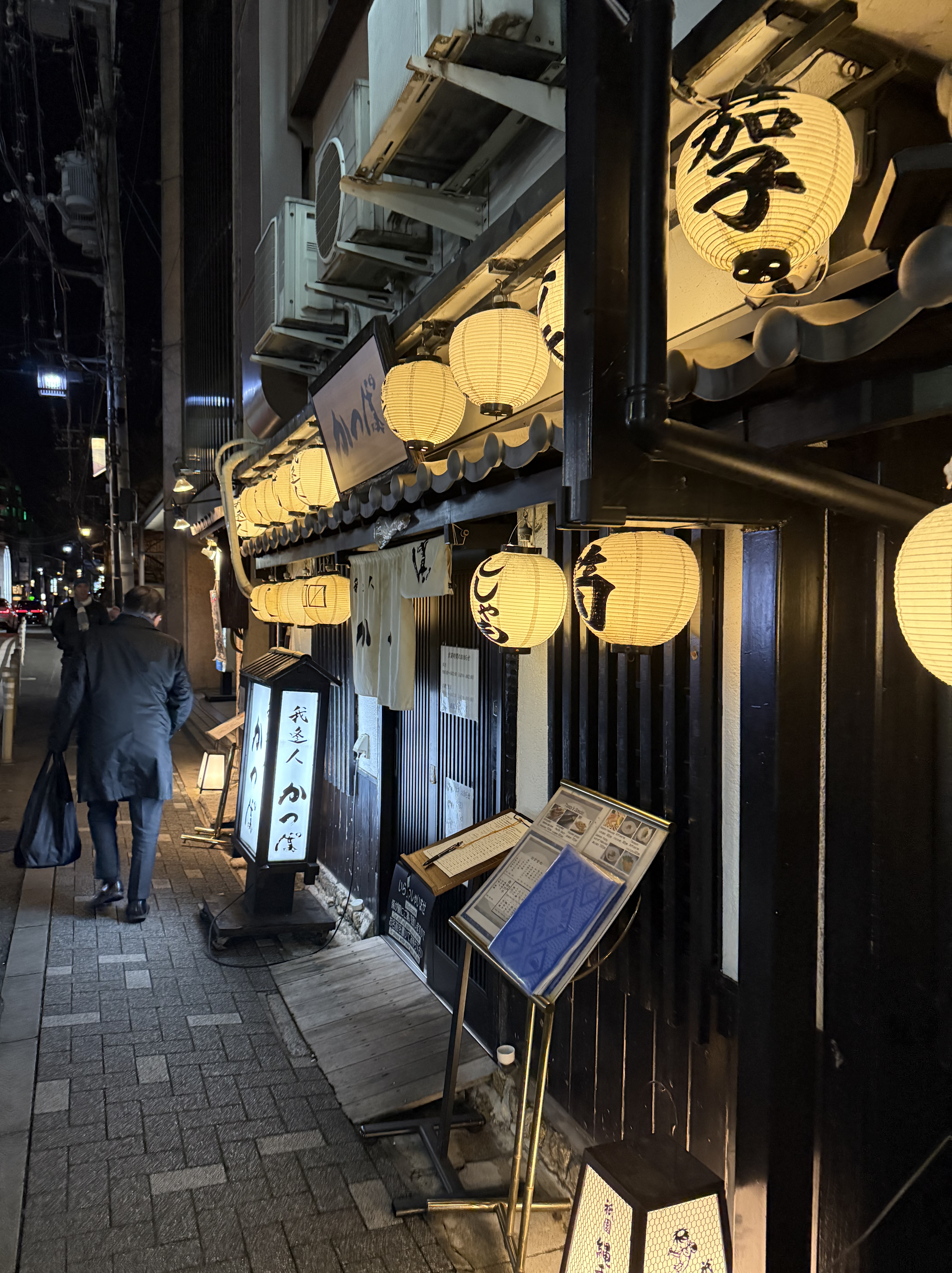
I chose to stay in Gion. It’s a place where the past and present coexist, making it a must-visit for anyone wanting to experience the authentic spirit of Kyoto. . The streets of Gion are lined with a mix of old-world charm and modern-day businesses, giving the area a unique blend of tradition and contemporary life. Hanami-koji Street, in particular, is lined with these traditional houses, and at night, lanterns light up the paths, creating a magical atmosphere.


With a little bit of research,and consistently reading how easy it is to get around on trains, I planned a two-day self-guided tour of the popular Shrines and temples of Kyoto. The Arashiyama District is the epitome of quintessential Japan, where nature and tradition harmonize in perfect balance. Nestled in the scenic western part of Kyoto, Arashiyama is renowned for its breathtaking natural beauty.
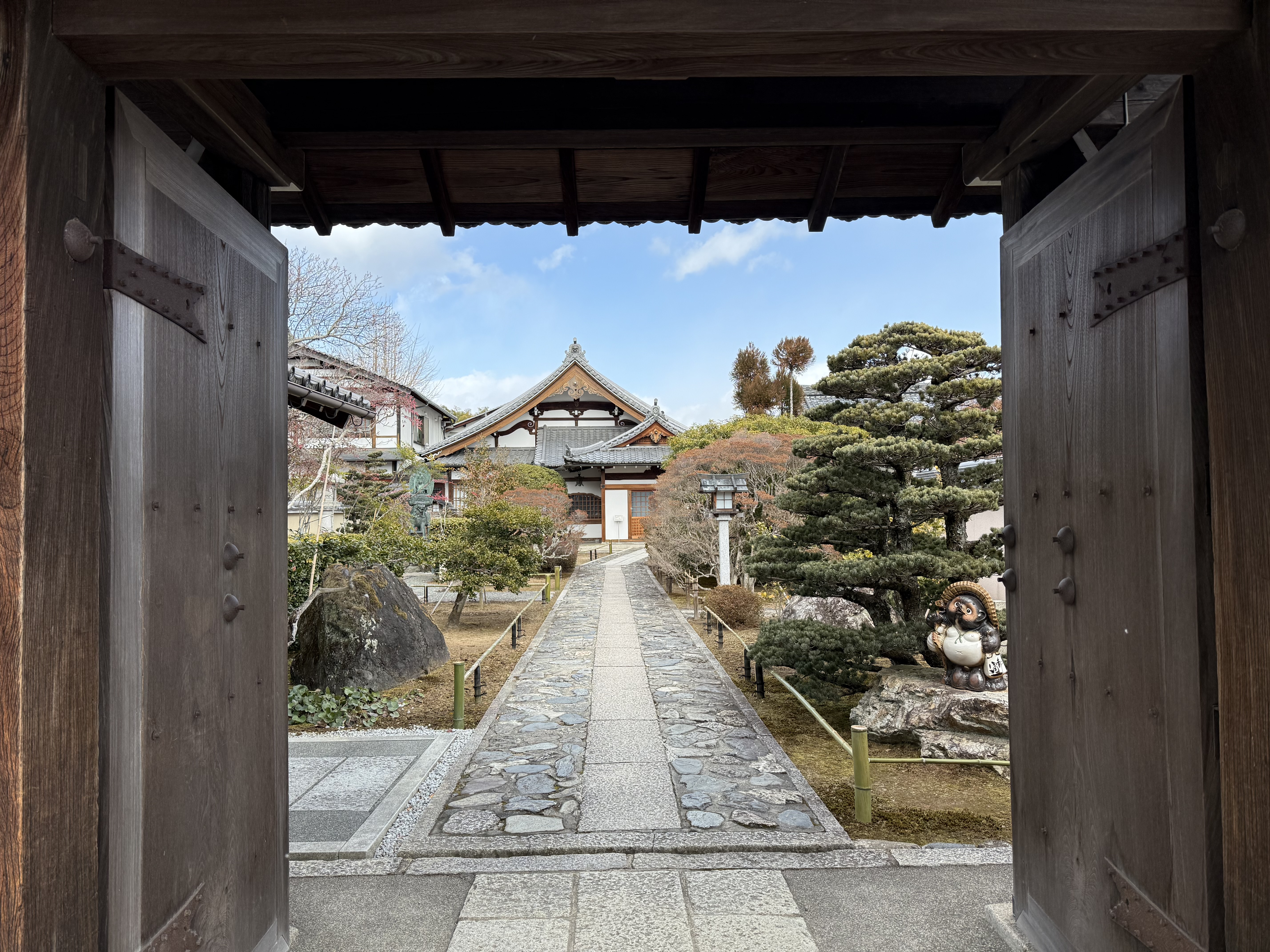
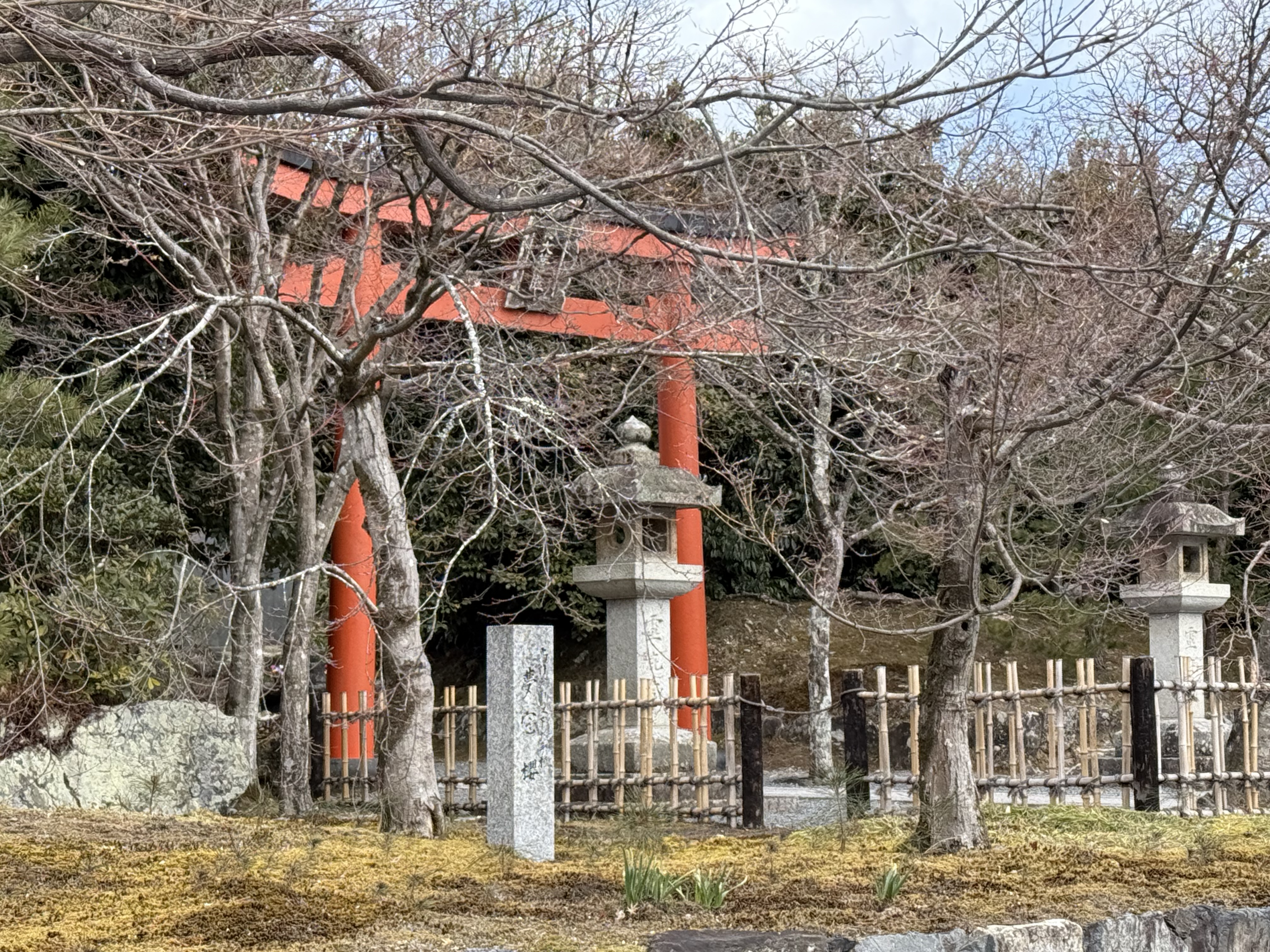

The area’s famous bamboo groves, walking through these serene paths, the rustling of bamboo leaves the tall stalks is an experience that captures the soul of Japan’s timeless beauty. Beyond the bamboo forest, Arashiyama offers mountainside views, tranquil temples like Tenryu-ji, and the iconic Togetsukyo Bridge that spans the Katsura River. The bridge offers a stunning view of the river below, with the surrounding mountains providing a dramatic backdrop.
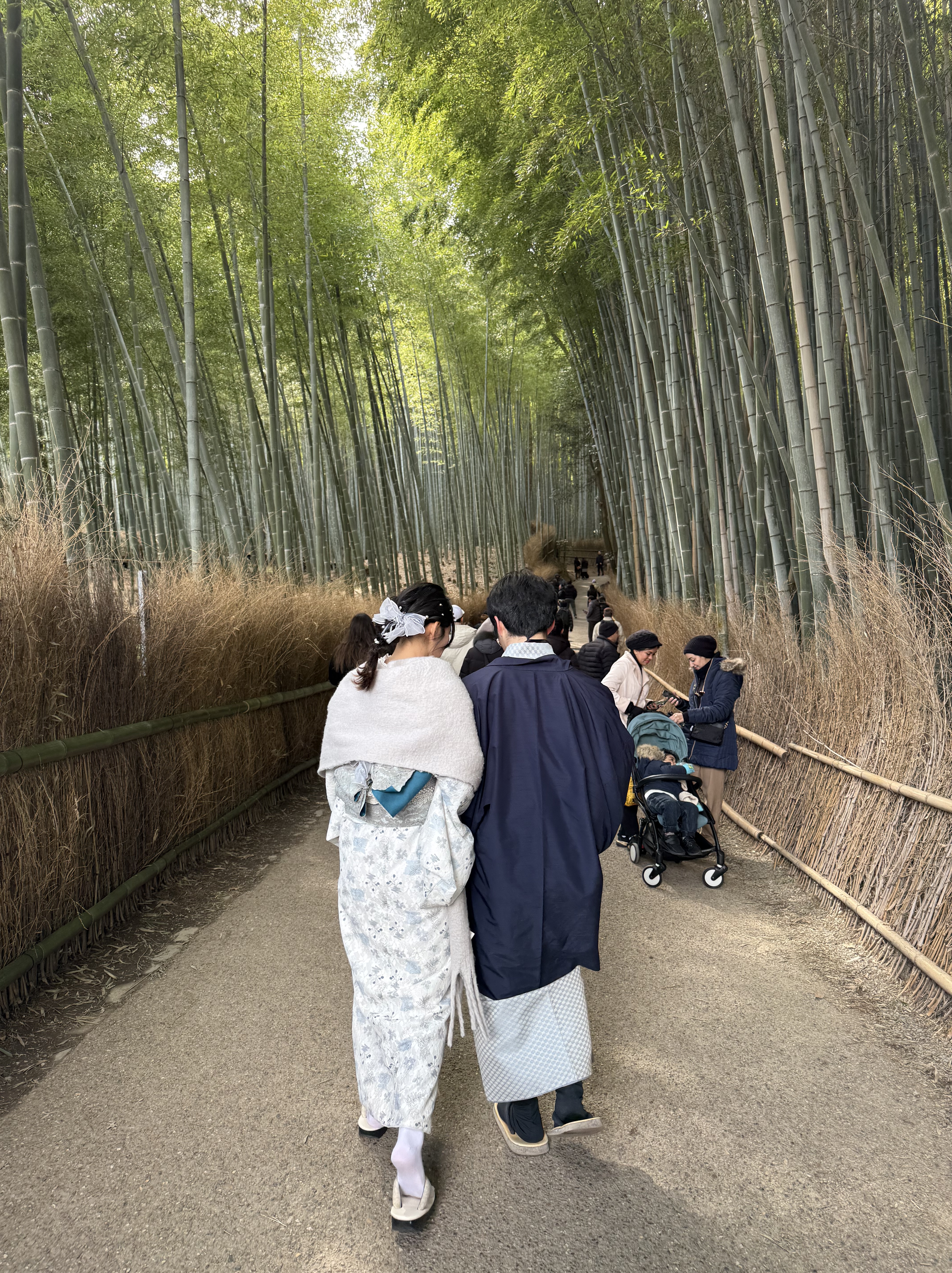

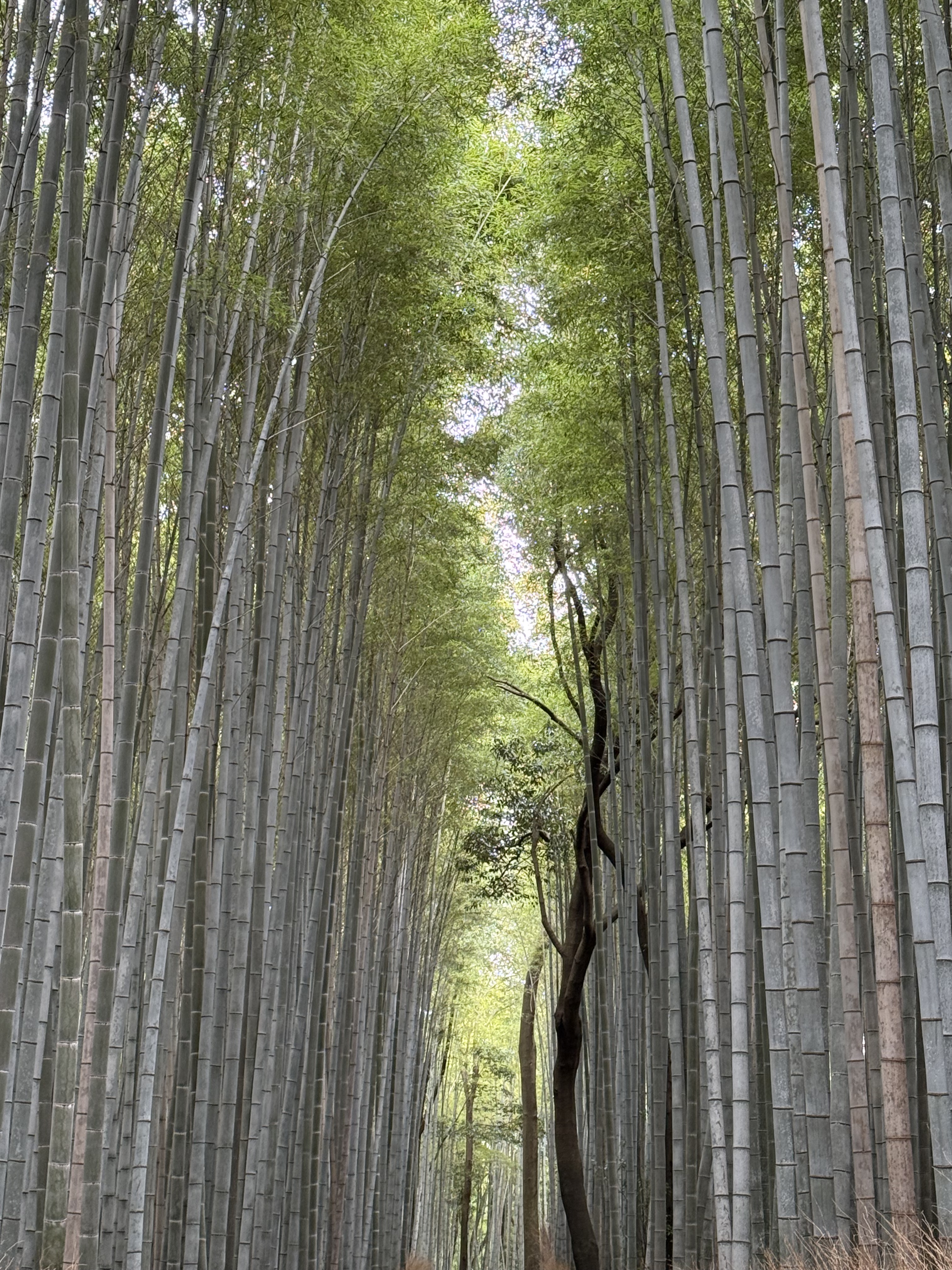
The district’s traditional streets are lined with quaint shops, teahouses, and restaurants offering a taste of local flavours, often overlooking the beautiful natural surroundings. Arashi Yama captures the essence of Japan’s deep connection to nature, tranquillity, and history, making it a place where visitors can immerse themselves in the very heart of the country’s culture.


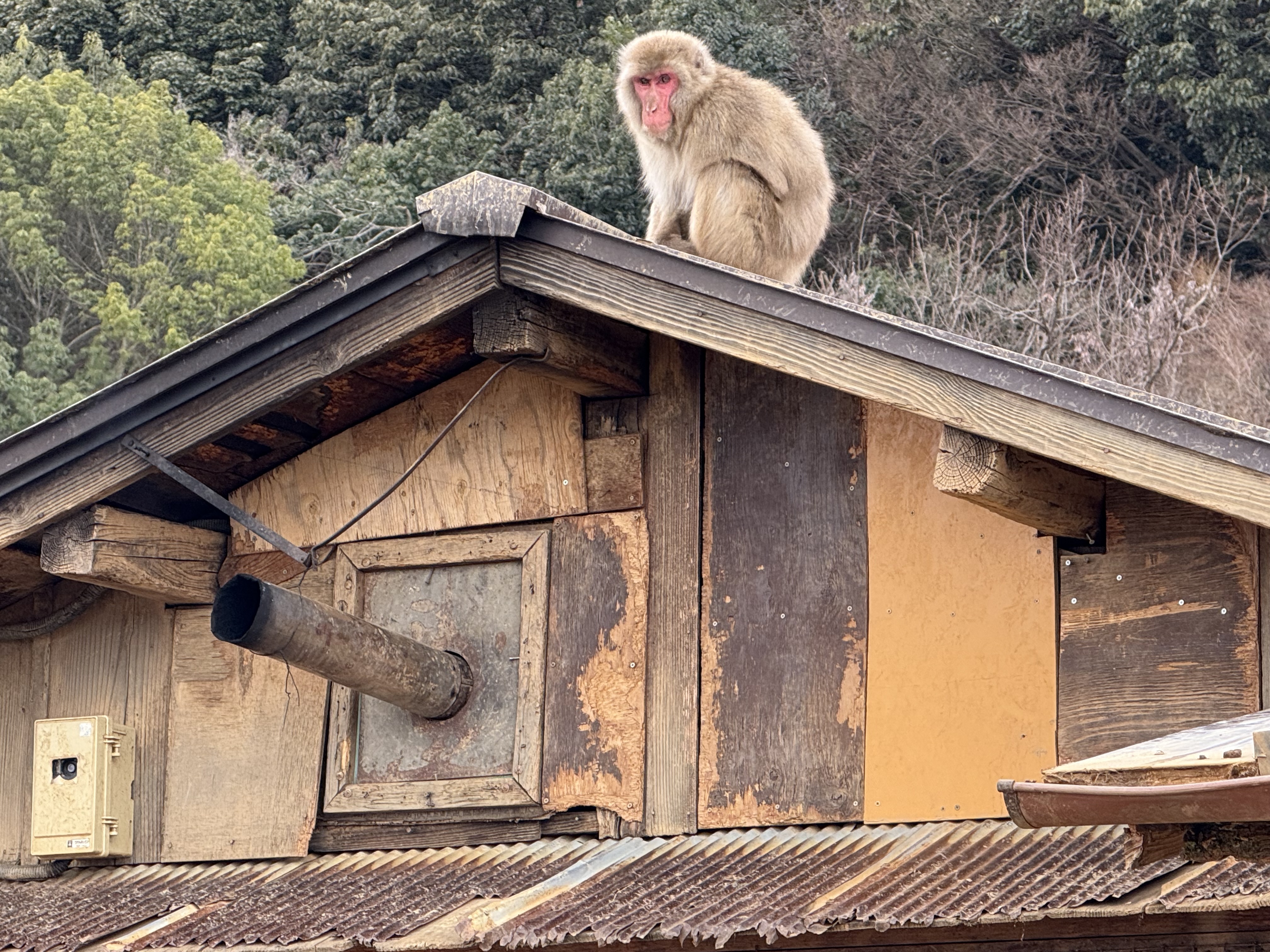
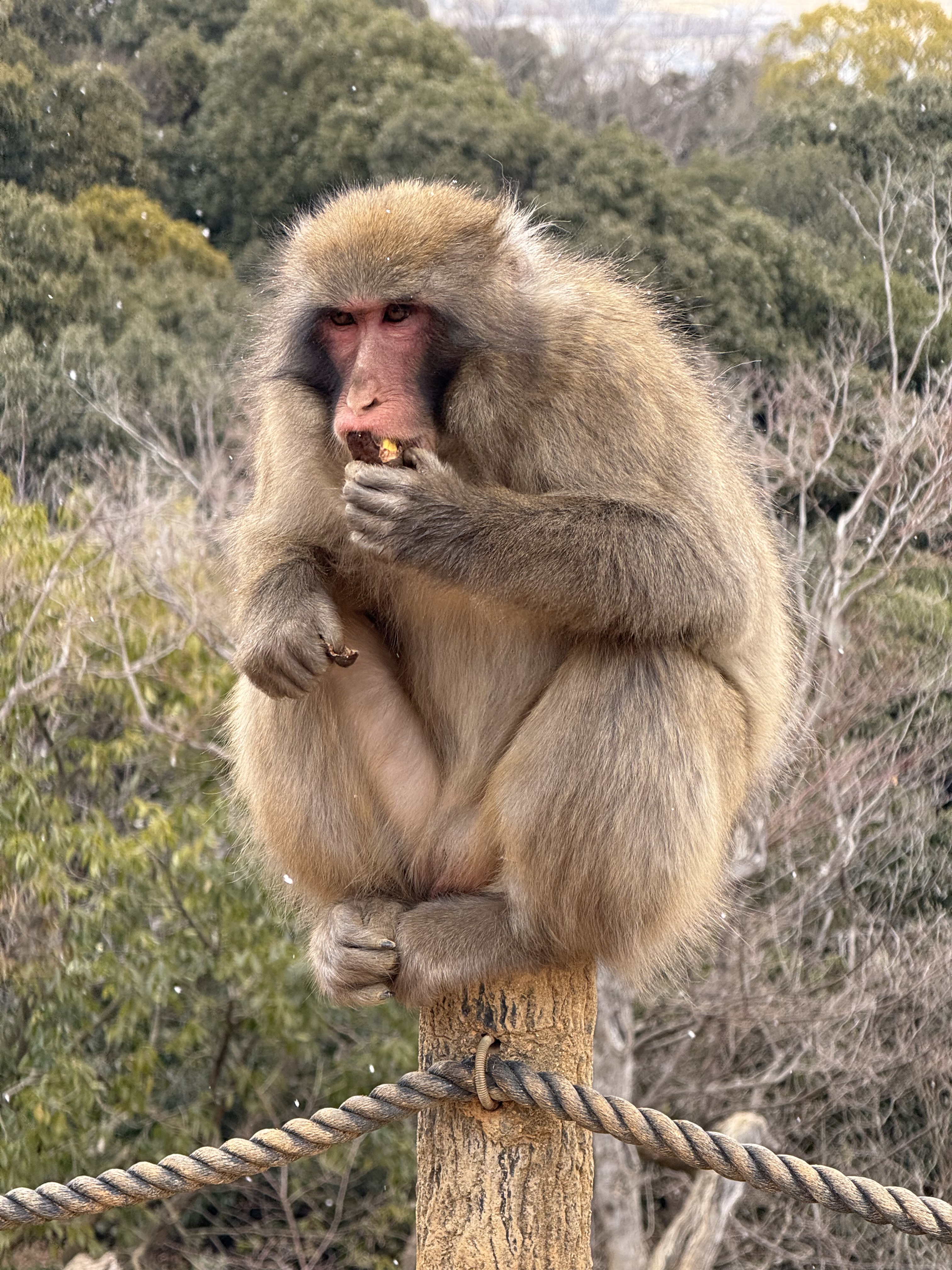
Situated on a mountain, the Iwatayama Monkey Park offers a chance to observe Japanese macaques in their natural habitat. These monkeys are particularly fascinating because they are wild but accustomed to the presence of visitors. The monkeys are playful and energetic, often seen foraging, grooming, or simply relaxing. It was a consistent climb to get there and when I say climb I mean climb in was 30 minutes uphill all the way. The view was spectacular and the irony of watching the monkeys roam free while the tourists went behind cages to feed them wasn’t lost on me and quite amusing. Adding to the magical views just before we embarked on our descent back down the mountain the snow gently started to fall. The trek to the top of the hill was a bit challenging, but the rewarded was breathtaking scenery and the chance to see the monkeys interacting in a way that feels very natural and untamed.


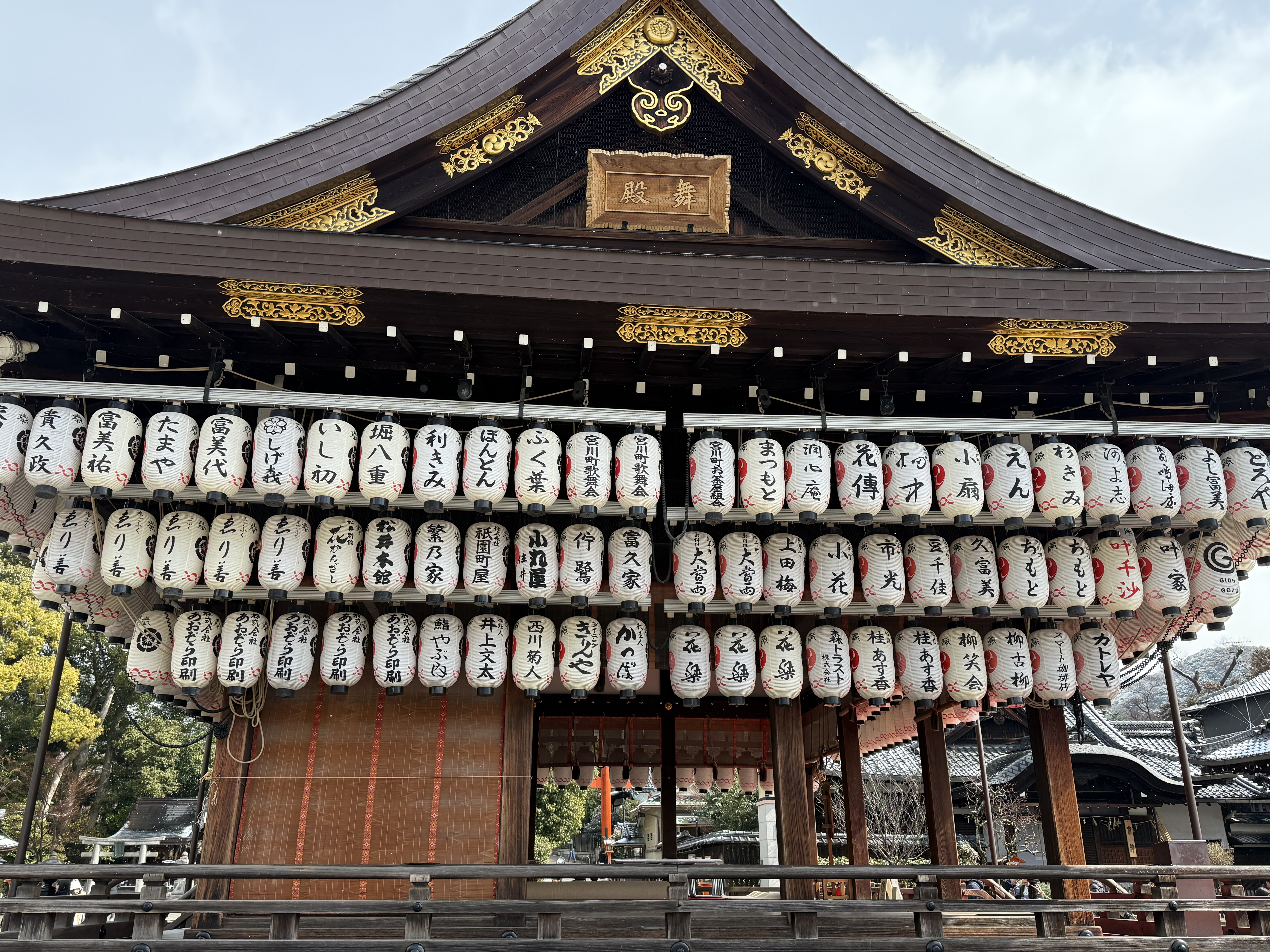
Day two of the self-guided tour got off to a slow start with very heavy snowfall keeping us indoors until lunchtime. Living in Melbourne, where snow is a rare sight, it was a fascinating and mesmerizing experience as I watched the snow fall outside the window. We eventually braved the cold as the snow eased, and visited more beautiful temples and gardens.



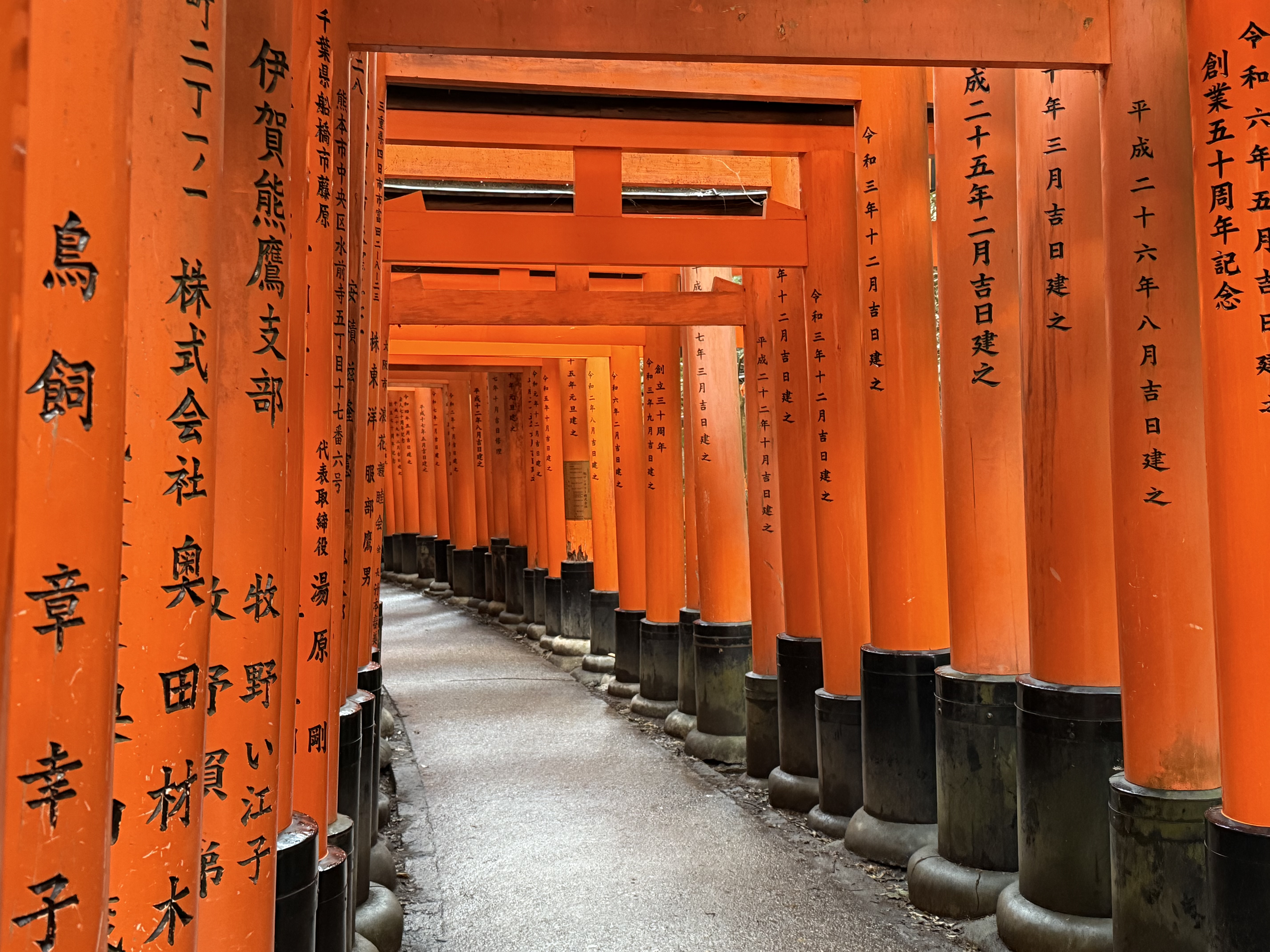
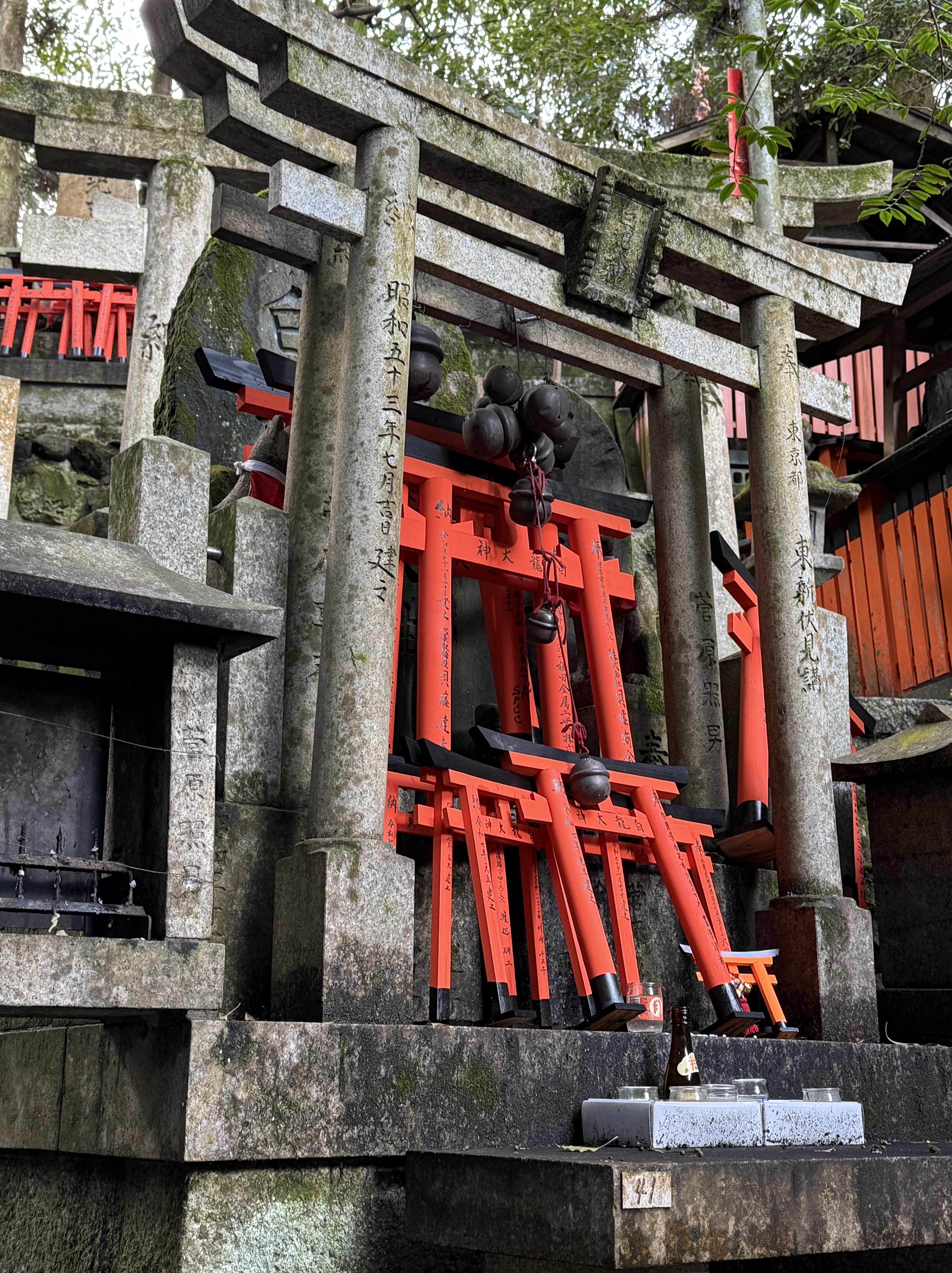
The Fushimi Inari Shrine is an unforgettable sight, with hundreds of vibrant red and black torii gates winding gracefully up the hillside. As you walk through the seemingly endless path, the gates create a tunnel of color and tradition, surrounded by tranquil forest. It’s a spiritual and visually stunning experience that captures the essence of Kyoto’s cultural beauty, a true must-see.



Nara Day Trip
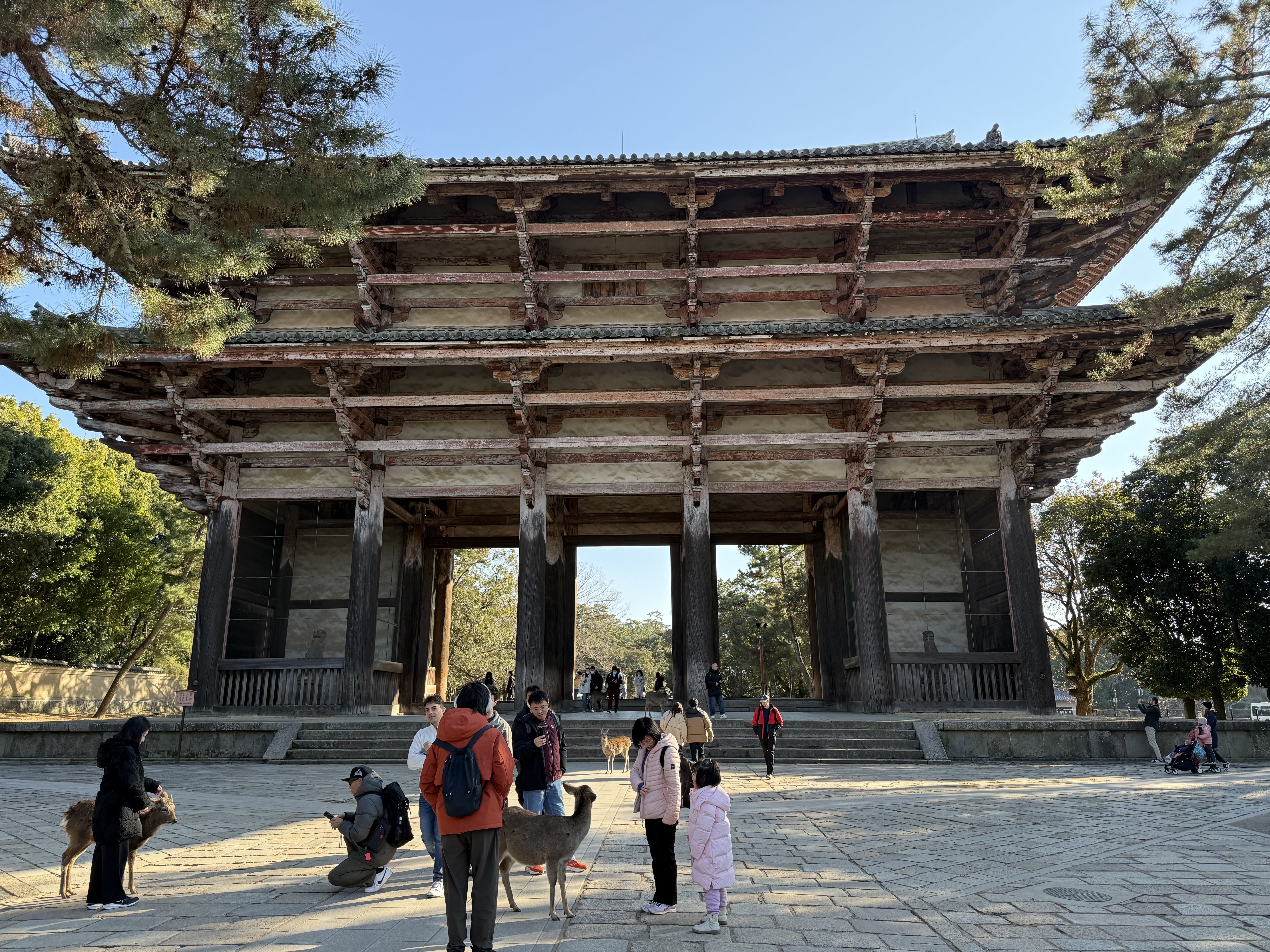
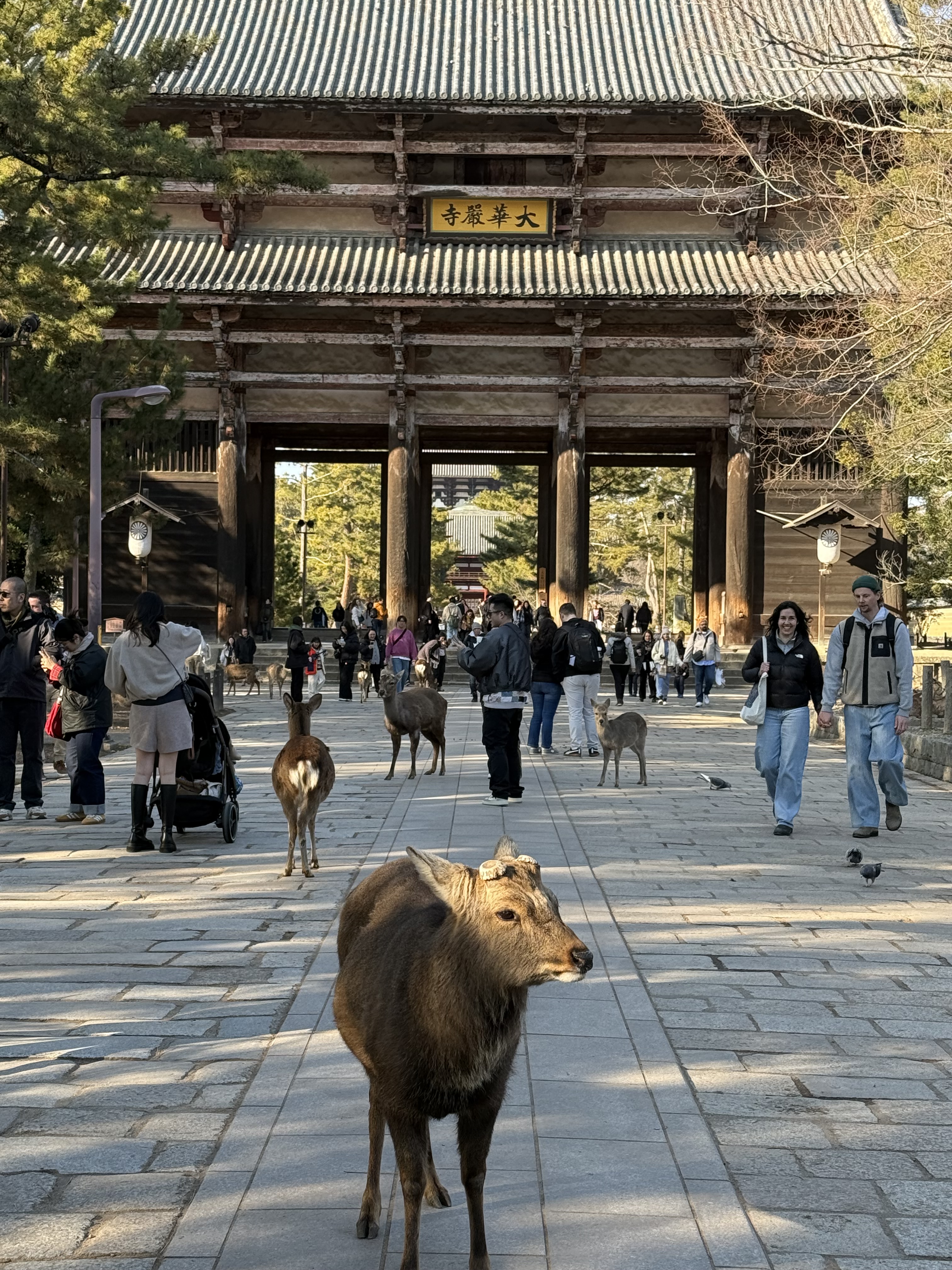
A day trip to Nara was next on the list, a charming and unique town where friendly deer roam freely through parks and temple grounds. These sacred animals are surprisingly polite, often bowing in exchange for special deer crackers. With its peaceful atmosphere, ancient temples like Tōdai-ji, and these gentle creatures wandering beside you, Nara offers a magical blend of history and whimsy.



Interacting with the deer in Nara is both hilarious and heartwarming. As soon as you buy a pack of deer crackers, you’re suddenly the center of attention, they’ll approach you eagerly, some gently nudging or following you around. The most delightful part is watching them bow; a little dip of the head in anticipation of a treat. It’s a playful, almost surreal experience, sharing such close moments with these graceful animals in a place where they’re truly respected and free to roam.

Uji
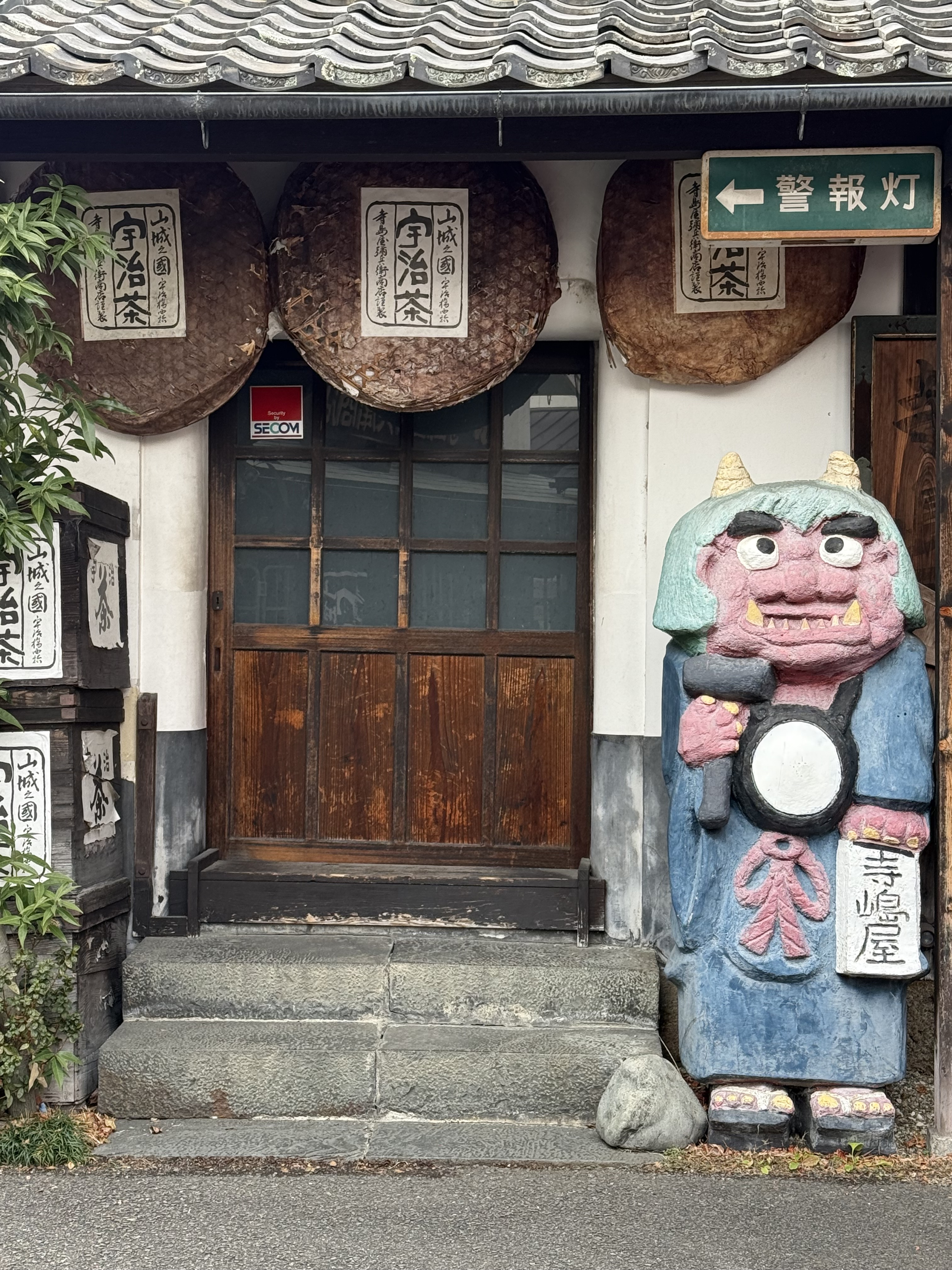
A day trip from Kyoto to Uji is a peaceful escape into a town rich with tradition, tea, and scenic beauty. Just a short train ride away, Uji welcomes you with its calm riverside paths and historical treasures like the stunning Byōdō-in Temple, a UNESCO World Heritage site with its iconic Phoenix Hall. The town is also famous for its matcha, and sipping freshly prepared green tea while overlooking the Uji River is an experience in itself. With serene temples, charming tea shops, and a slower pace, Uji offers a perfect blend of culture and relaxation.


In Uji, one of the most iconic sights is Byōdō-in Temple, famously featured on the back of the Japanese 10 yen coin. Its most striking structure, the Phoenix Hall, seems to float above a reflective pond, with its elegant architecture symbolizing paradise in Pure Land Buddhism. Seeing it in person is surreal, you realize you’ve probably held this image in your hand countless times, but standing before it, surrounded by peaceful gardens and centuries of history, gives it a whole new meaning. It’s one of those moments where history, culture, and beauty all come together perfectly.

Hiroshima
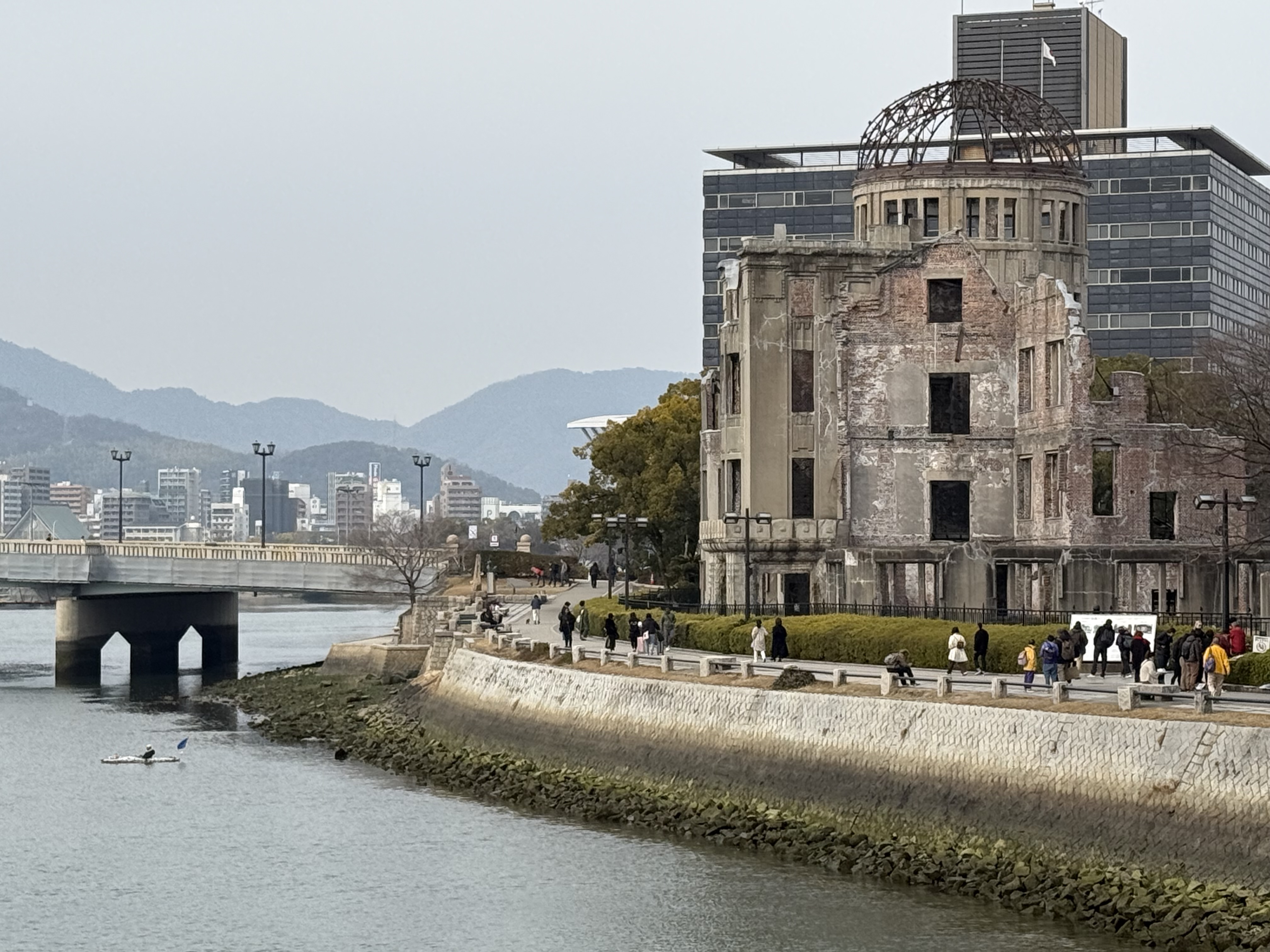
Visiting Hiroshima is an emotional journey through both history and the resilience of the human spirit. As you approach the Hiroshima Peace Memorial Park, the weight of the past immediately becomes apparent. The centerpiece, the Atomic Bomb Dome, stands as a haunting reminder of the devastation wrought by the bombing on August 6, 1945. Its skeletal structure, once a government building, is now preserved in its bombed state, standing tall amidst the park’s tranquil surroundings.
The atmosphere is somber, as you walk through the park, reflecting on the lives lost. The Hiroshima Peace Memorial Museum deepens this sorrow, offering exhibits that detail the horrors of the bombing, photographs of survivors, personal items, and remnants from the day. It’s impossible not to feel a deep sadness as you witness the stories of those who perished, but also a sense of resilience and hope as the city has rebuilt itself with a commitment to peace.

The Cenotaph for the A-bomb Victims holds a central place in the park, with its eternal flame still burning as a symbol of remembrance and the hope for a world without nuclear weapons. It’s hard not to feel a profound sense of sorrow when you visit, knowing that the horrors of war have touched so many lives here. Yet, there’s also a feeling of admiration for Hiroshima’s dedication to peace and its unwavering message of reconciliation, urging the world never to forget and to strive for a future without the threat of nuclear conflict. The visit is moving, a reminder of both the tragedy of war and the importance of healing and hope.


Kanazawa
Taking the bullet train (Shinkansen) from Kyoto to Kanazawa is a smooth and efficient journey, offering a comfortable ride with scenic views along the way. The train departed from Kyoto Station and zipped through the Japanese countryside, moving at high speeds of up to 240 km/h. As the train glides through the rolling hills and lush landscapes, you get glimpses of small towns, farmland, and distant mountains, creating a peaceful and picturesque backdrop. The ride is quick, just about two hours, making it an ideal way to reach Kanazawa, a city rich in history, culture, and stunning gardens.

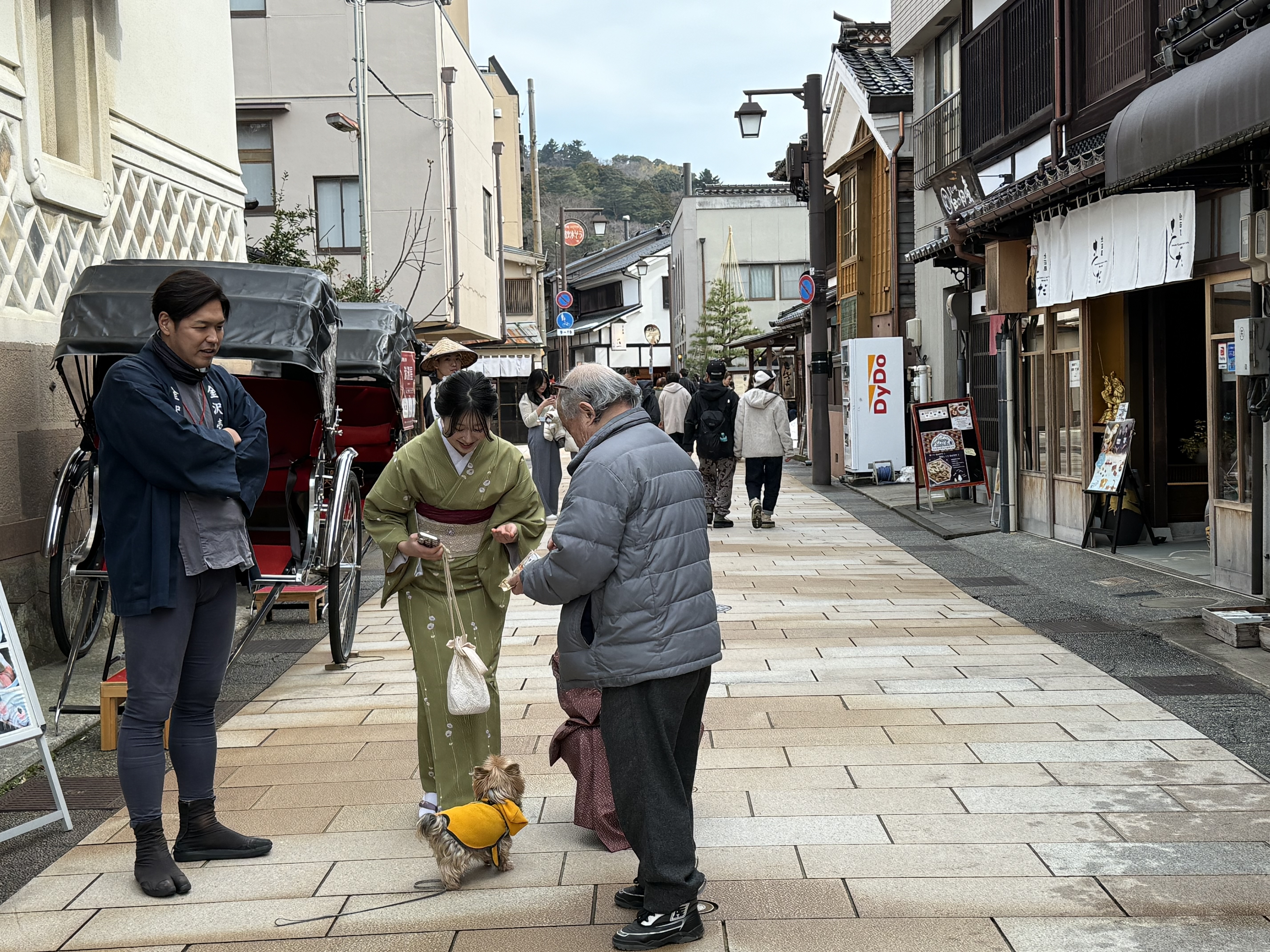
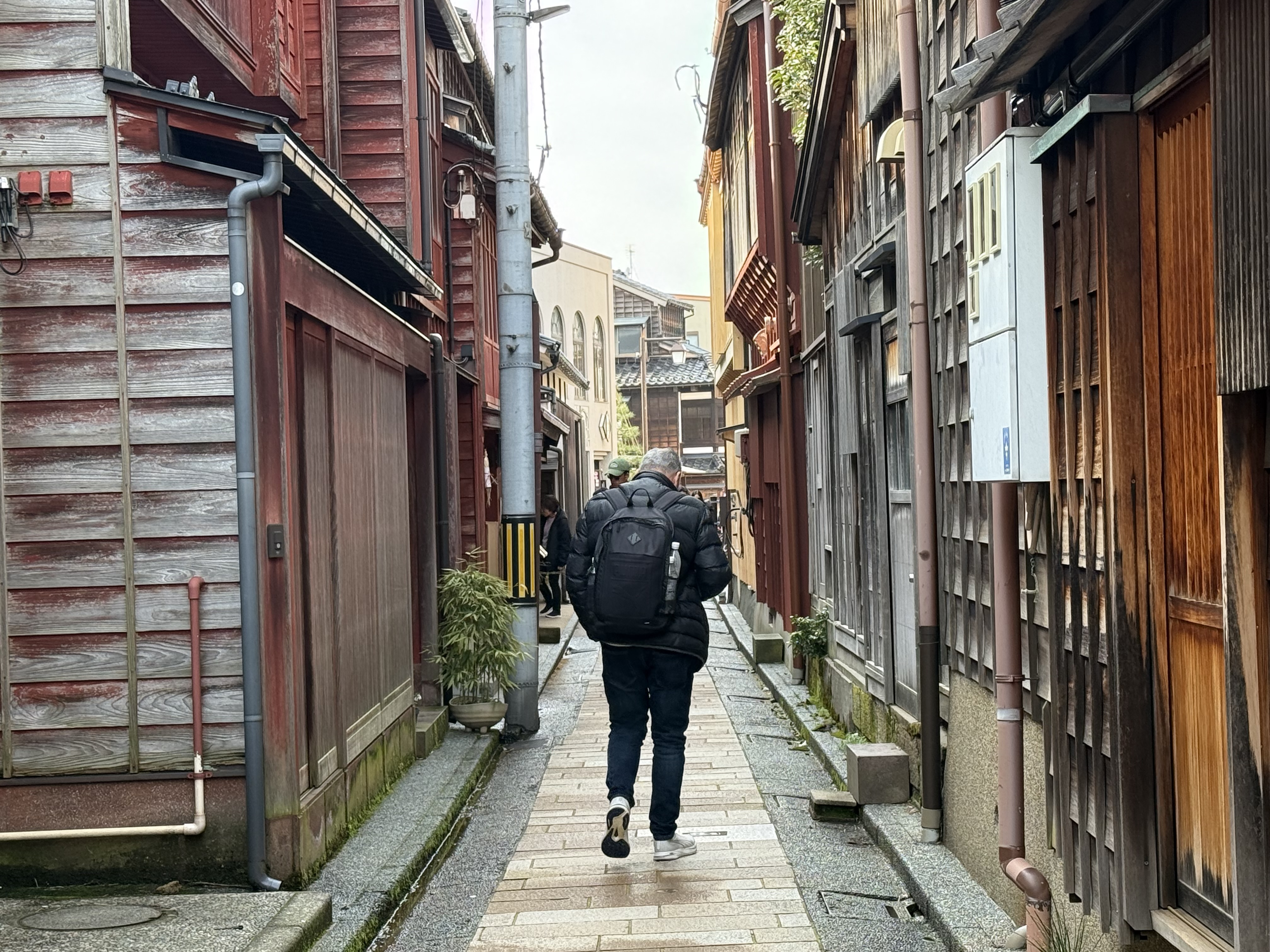

Visiting Kanazawa is like stepping into a living museum where centuries of Japanese history and culture unfold before you. This charming city, once a powerful feudal domain, has preserved its heritage remarkably well, offering a rich tapestry of traditional and modern attractions.
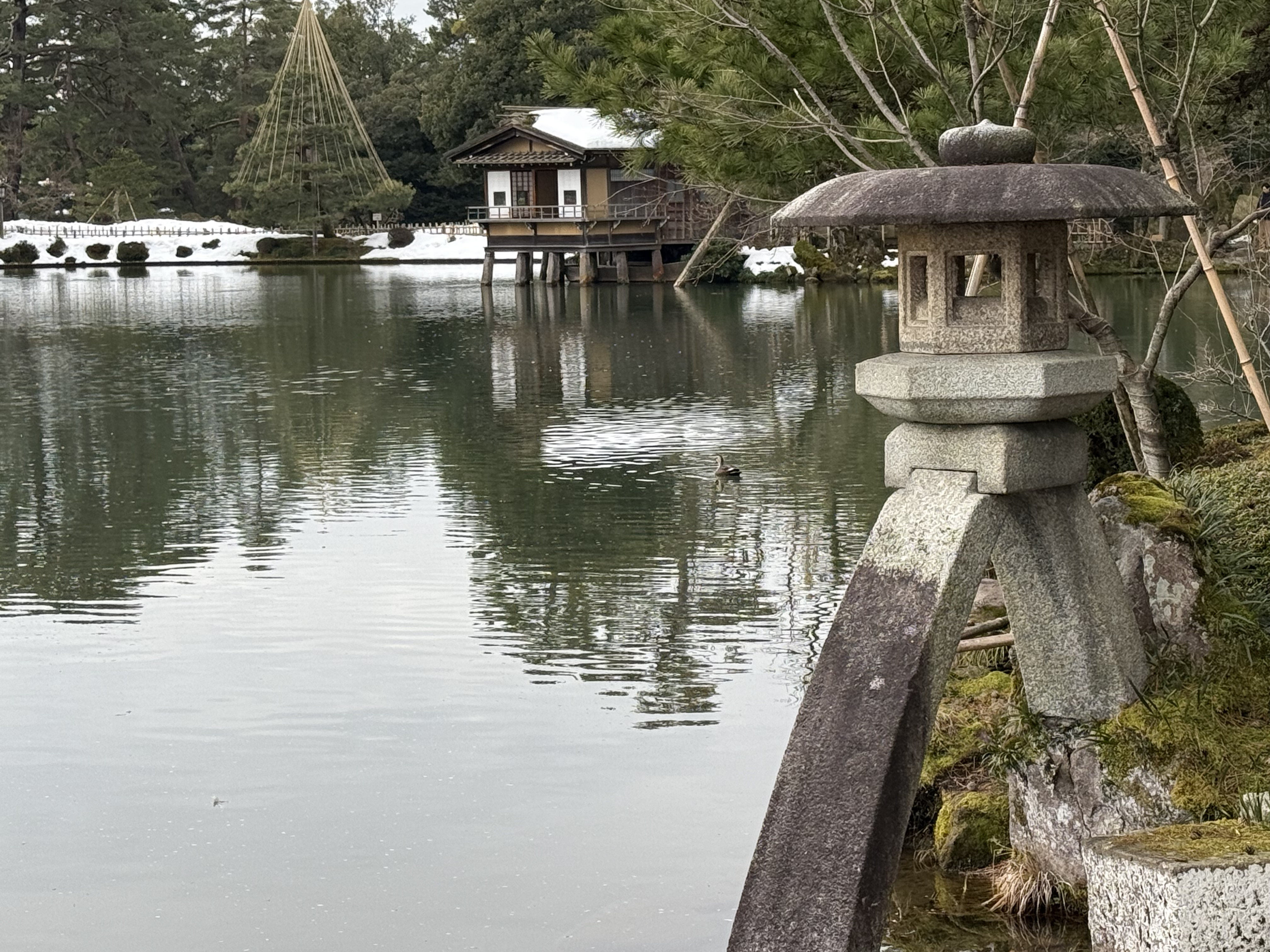
Kenrokuen Garden – Often hailed as one of Japan’s most beautiful gardens, Kenrokuen is a masterpiece of landscape design. Its serene ponds, meticulously pruned trees, and seasonal blooms create a tranquil haven. The garden’s design harmoniously blends six essential elements: spaciousness, seclusion, artificiality, antiquity, watercourses, and panoramas. Each season offers a unique charm, from cherry blossoms in spring to snow-covered landscapes in winter we experienced was breathtaking.


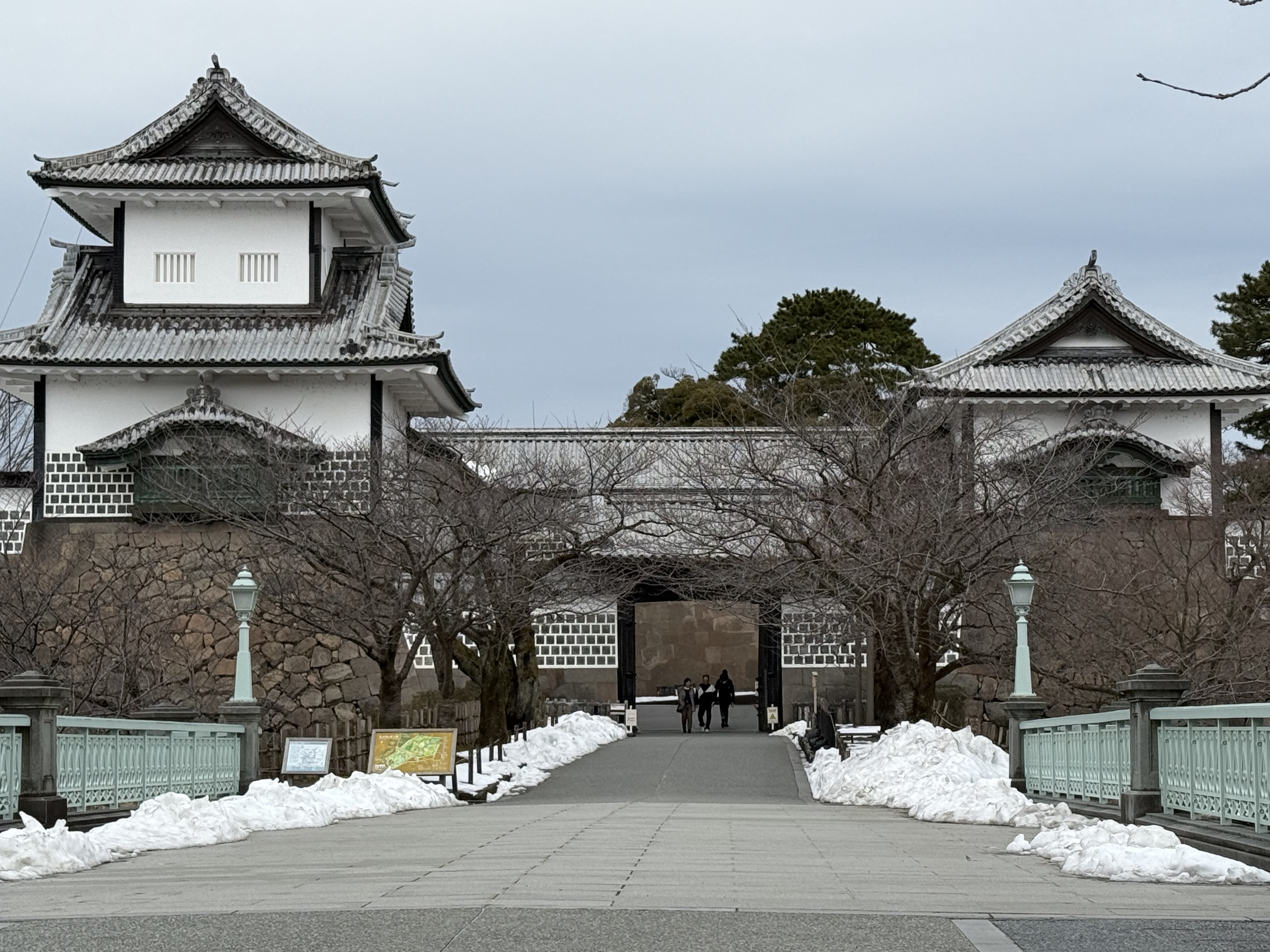
Kanazawa Castle Park – Adjacent to Kenrokuen, Kanazawa Castle Park is a testament to the city’s feudal past. The park features reconstructed turrets and gates, offering insights into the architectural prowess of the Edo period. Strolling through the park, we admired the intricate designs and learnt about the castle’s strategic importance.


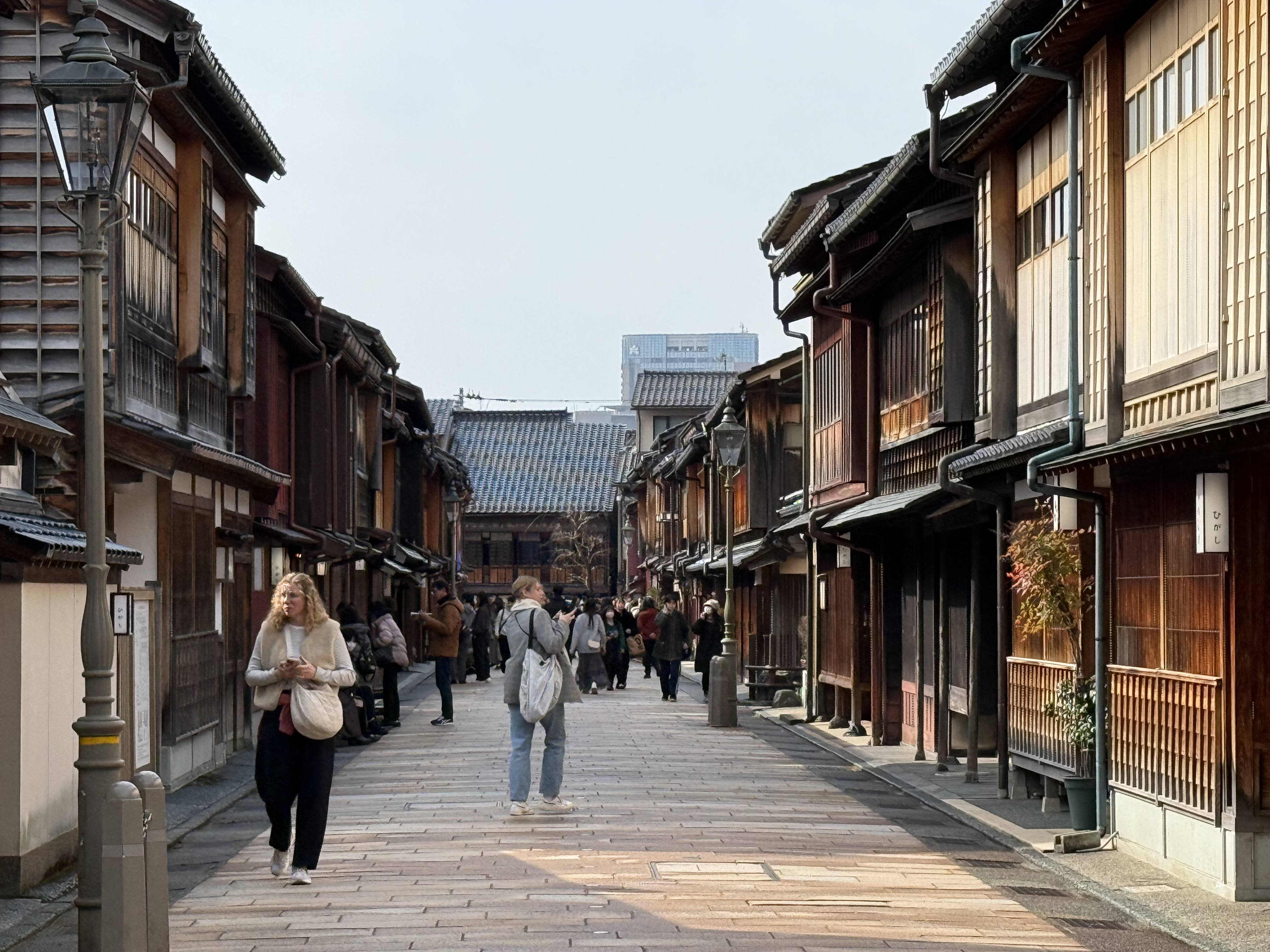
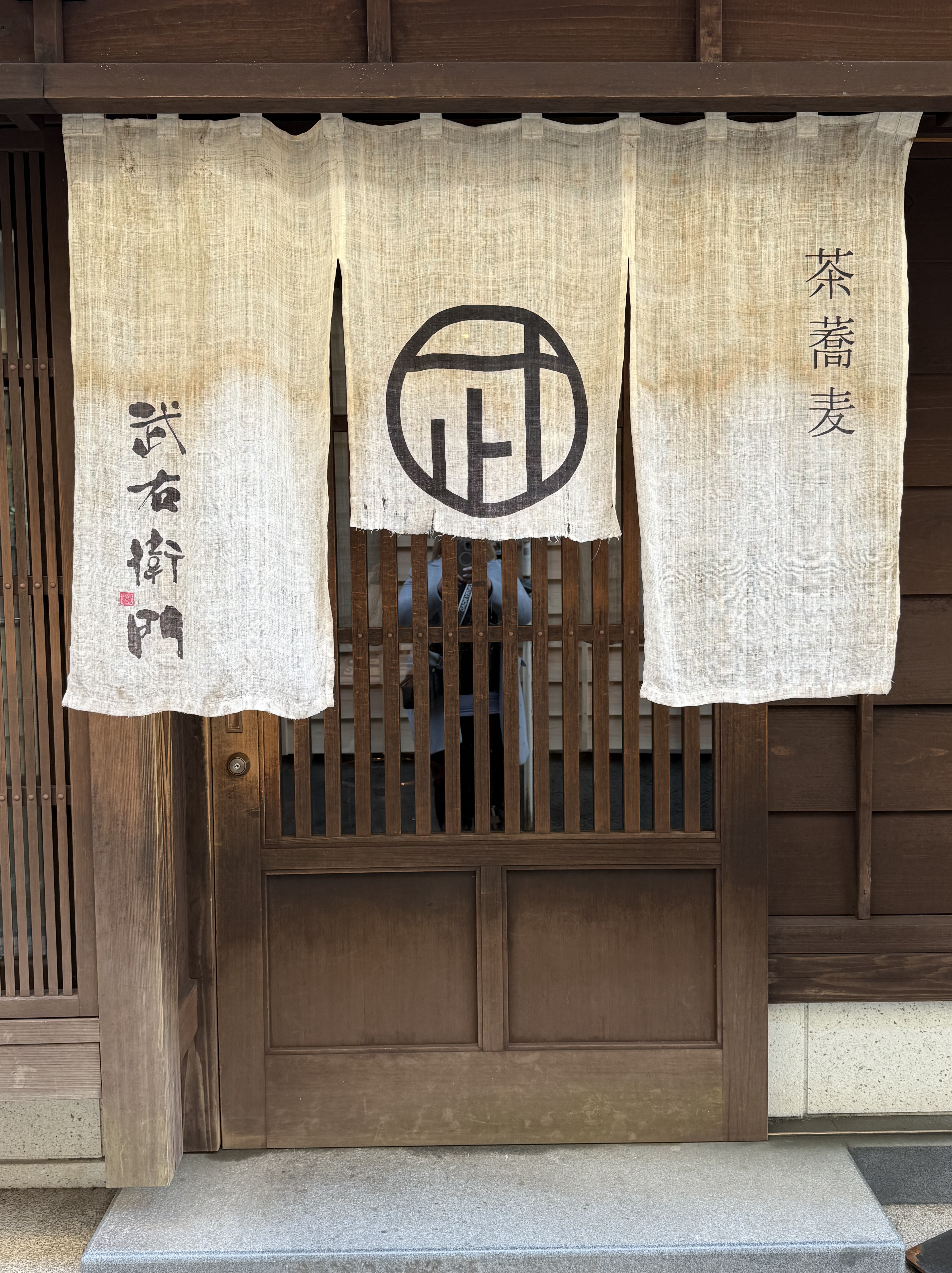
Chaya Districts (Higashi, Nishi, and Kazuemachi) – Kanazawa’s geisha districts, Higashi, Nishi, and Kazuemachi, are vibrant cultural hubs. The historic teahouses, or ‘chaya,’ have been meticulously preserved, allowing visitors to experience the elegance of traditional Japanese entertainment. These districts offer a glimpse into the refined world of geisha performances and tea ceremonies.


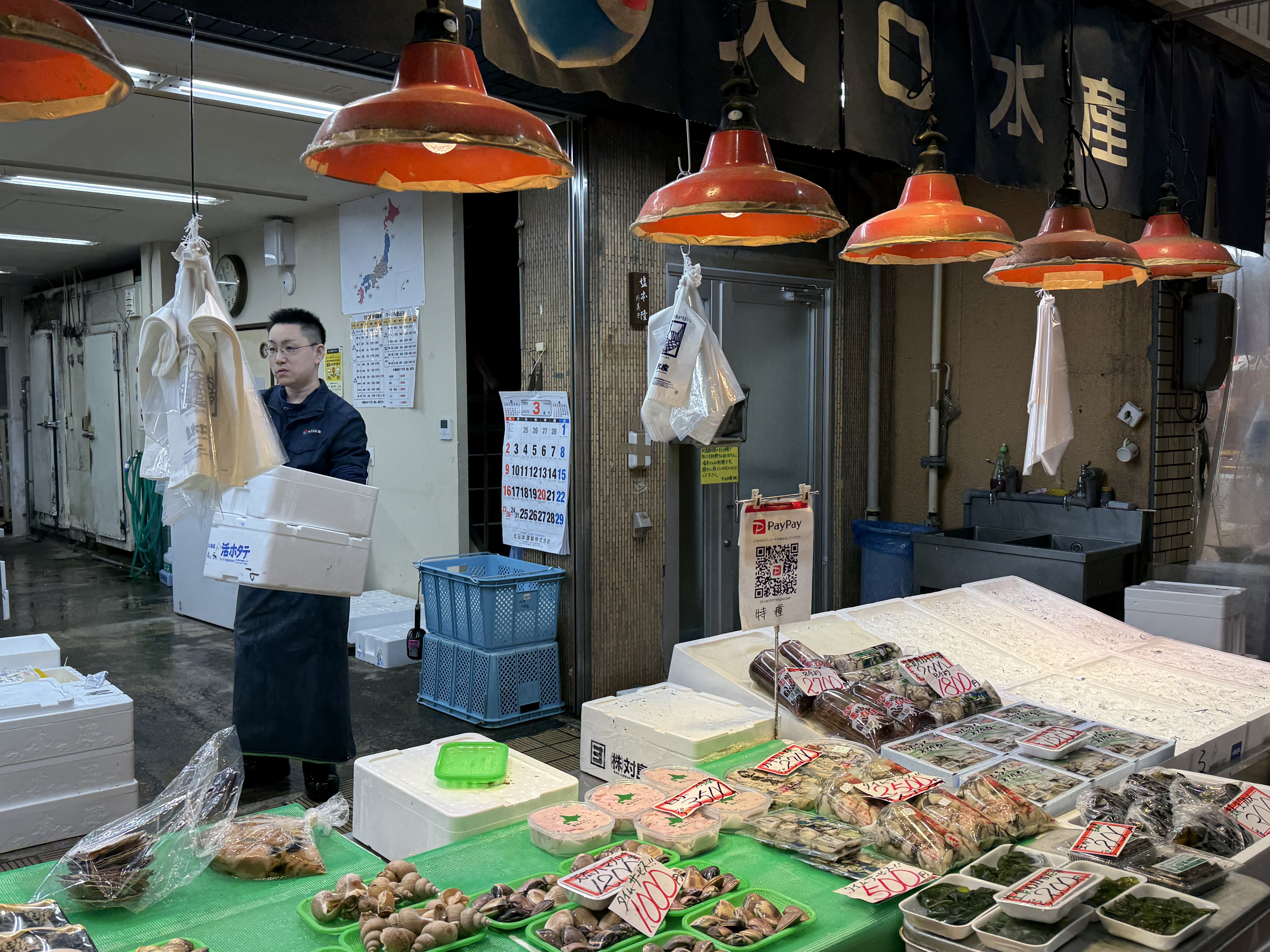
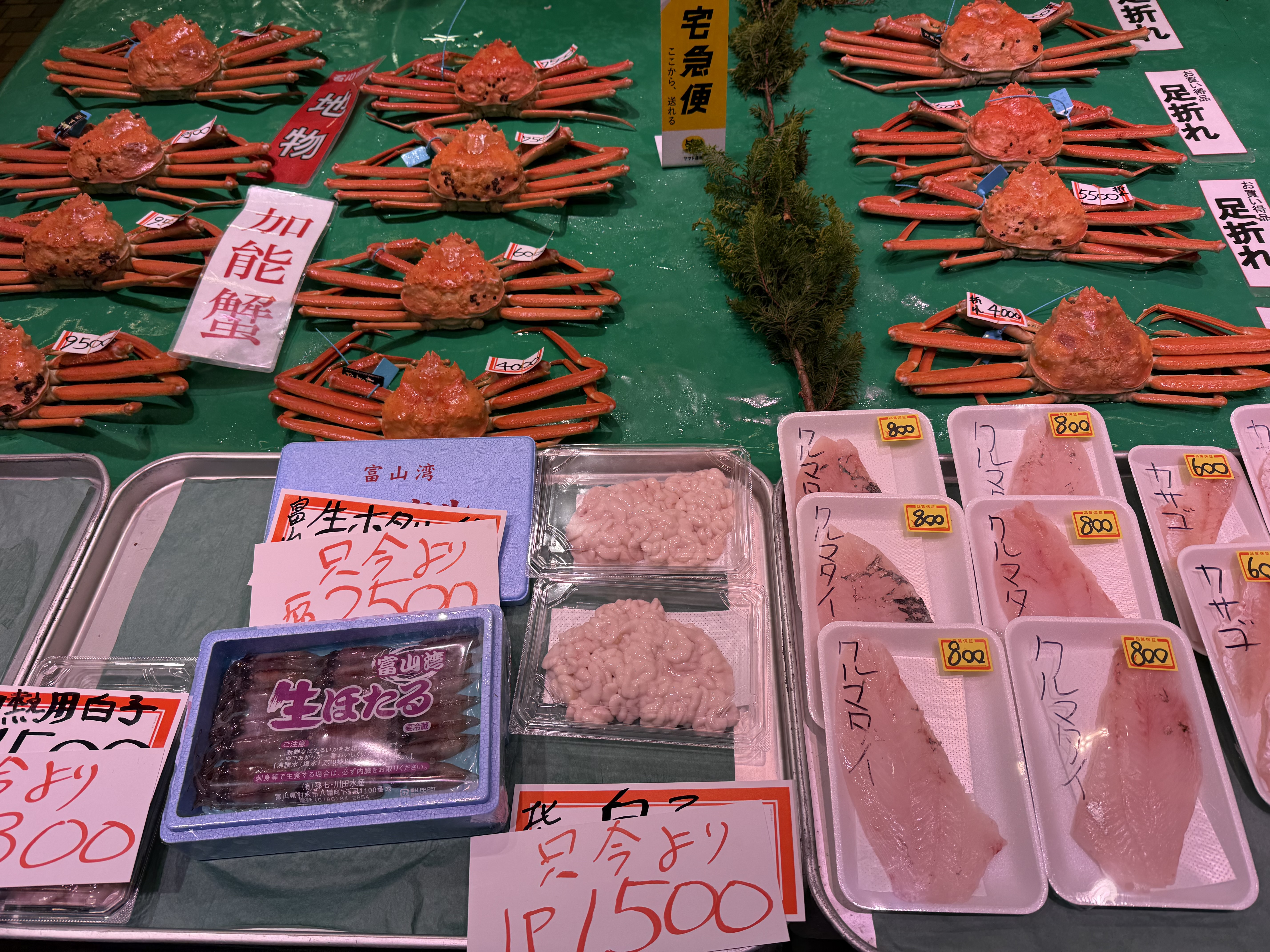
Omicho Market – Known as “Kanazawa’s kitchen,” Omicho Market is a bustling hub of culinary delights. Here, you can sample fresh seafood, local produce, and traditional sweets. The market’s lively atmosphere and diverse offerings make it a must-visit for food enthusiasts.

A Day Trip to Shirakawa-go
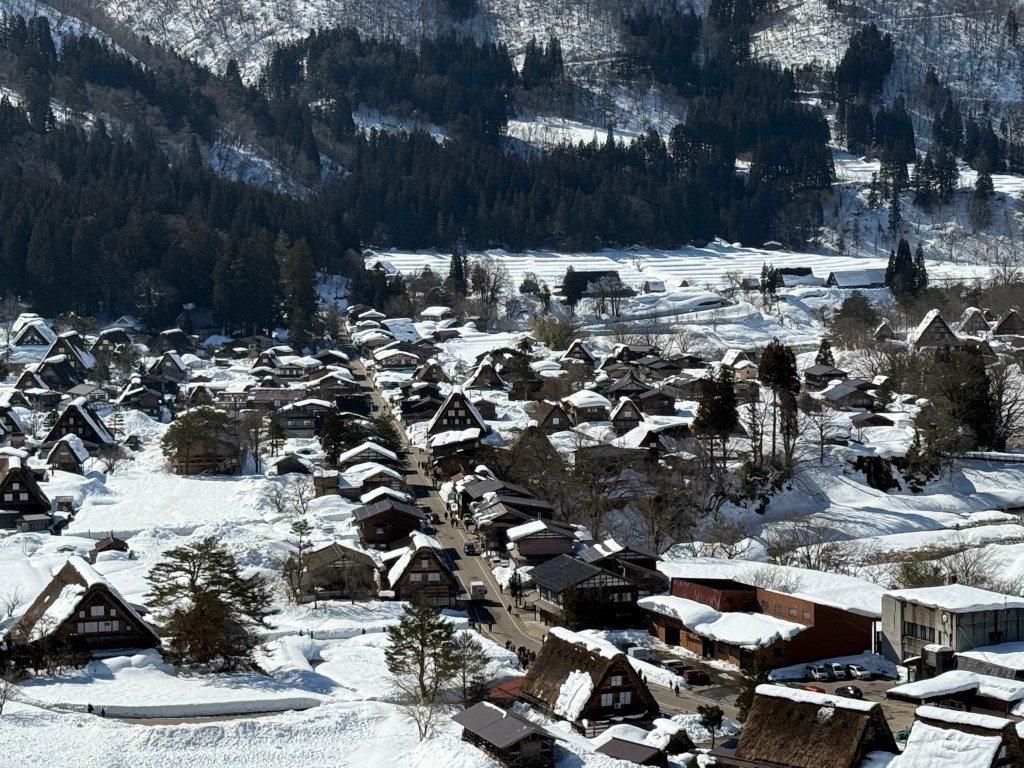
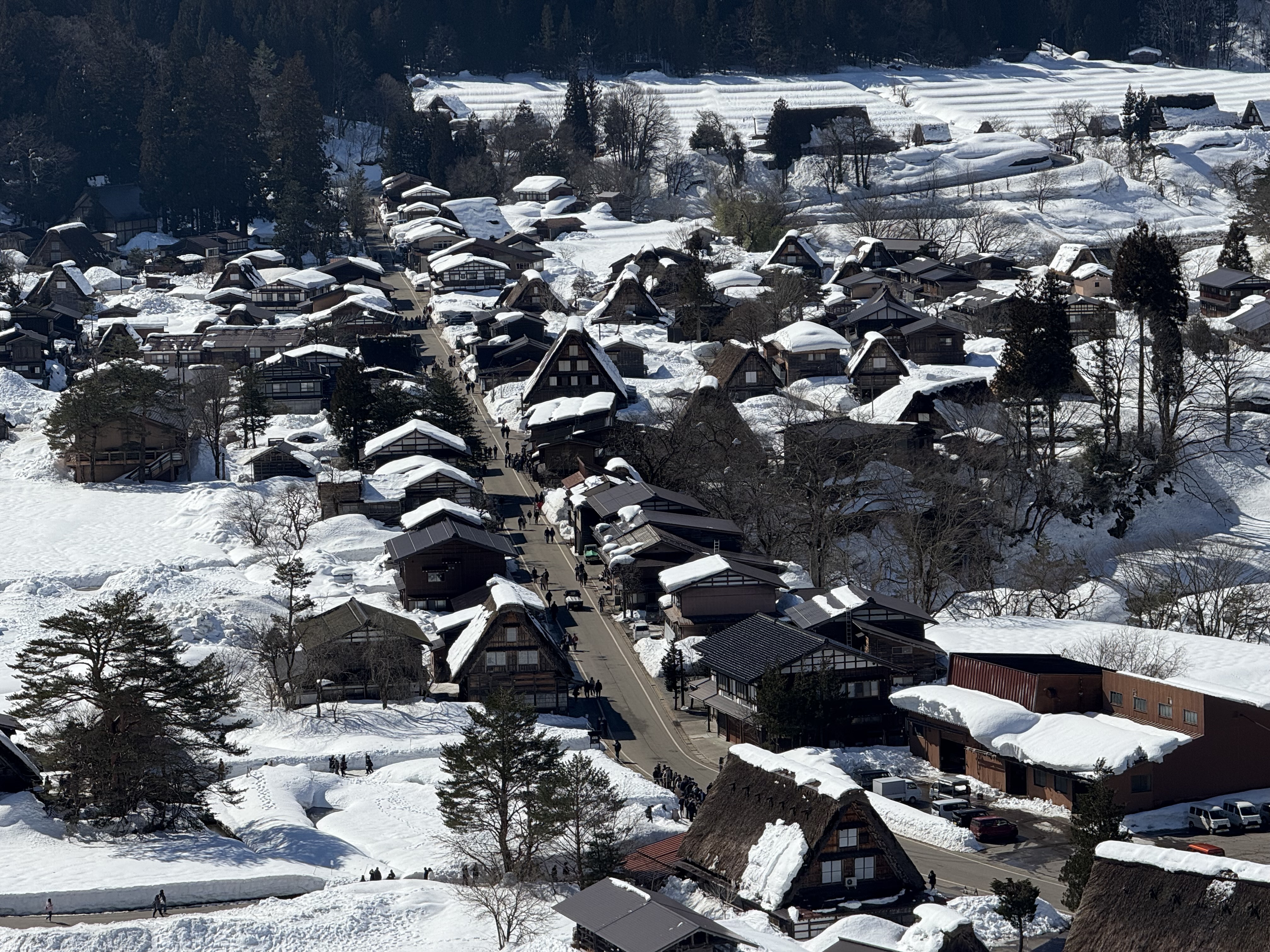
Visiting in winter is like stepping into a winter wonderland, with snow-covered thatched-roof houses and a peaceful, serene atmosphere. This UNESCO World Heritage site, nestled in the mountainous region of Gifu Prefecture, is famous for its traditional gassho-zukuri houses, which have steep, thatched roofs designed to withstand heavy snowfall. The village was blanketed in deep snow, creating a magical and picturesque scene, as smoke rises from the chimneys of the homes.
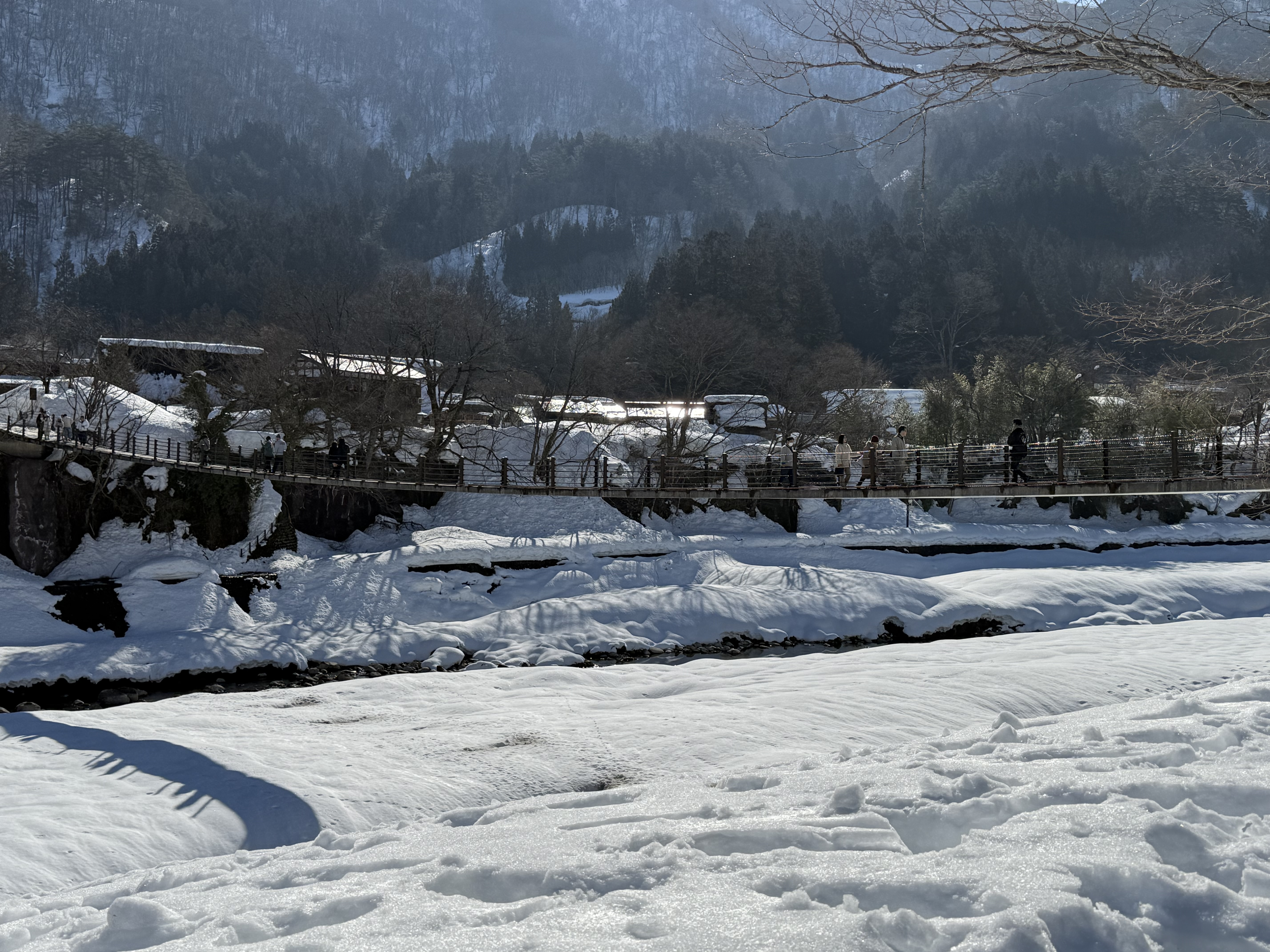
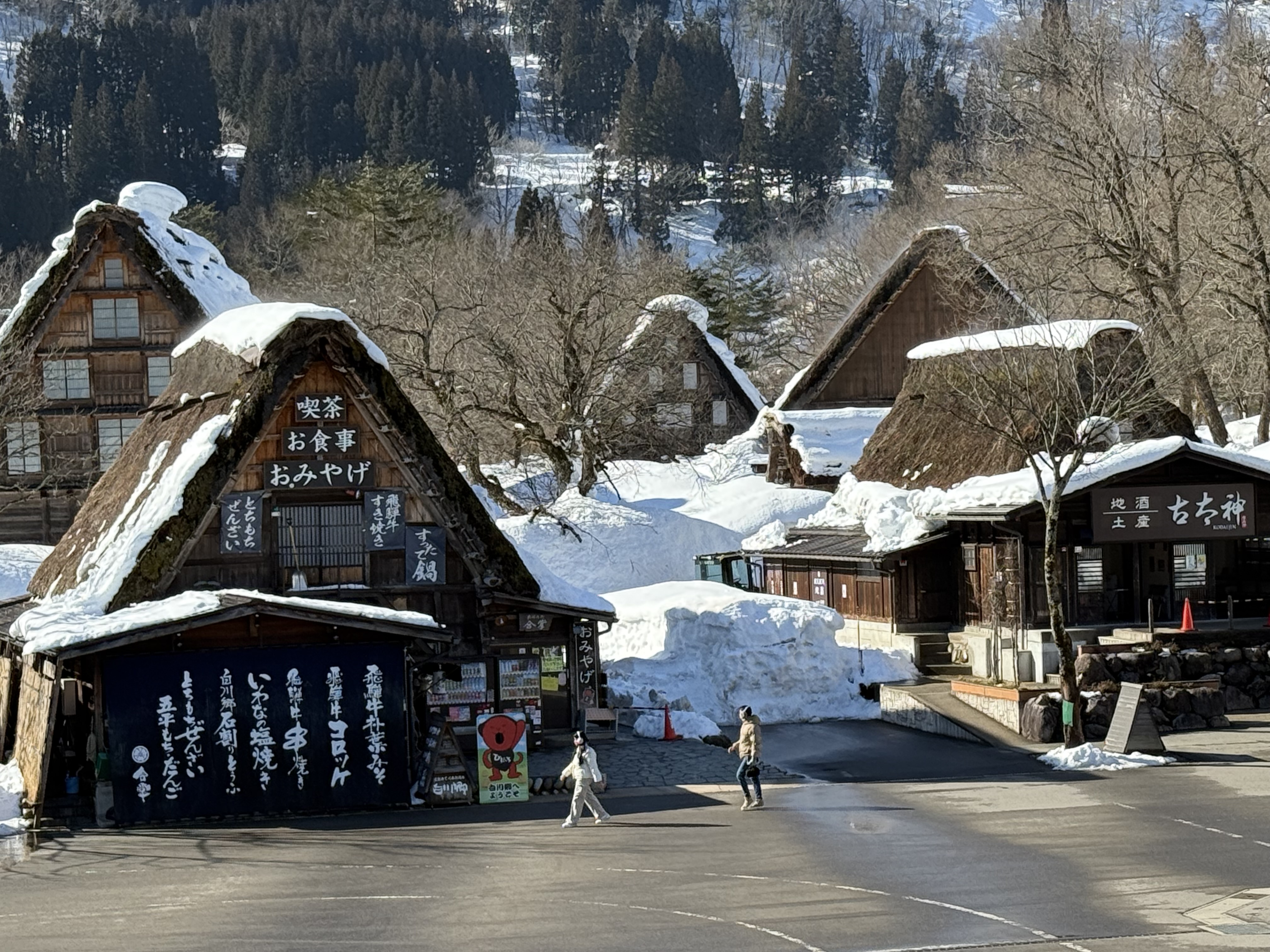

As we made our way towards the main street, the sight of the snow-covered rooftops and the stillness of the village is mesmerizing. We explored the quaint streets, and visited the Shirakawa-go Gassho Zukuri Minkaen, an open-air museum showcasing traditional houses. We made our way on the shuttle bus to the observation deck for a panoramic view of the village. The contrast between the white snow, the traditional architecture, and the towering mountains around you is breathtaking. Of all the unforgettable moments, Shirakawa-go stands firmly as one of the most enchanting and memorable places in Japan.


Yudanaka
As we left the modern, refined feel of Kanazawa behind, the landscape began to shift. Urban scenes gradually gave way to rice fields, small villages and distant mountain ranges. We transferred in Nagano, where the train thinned out and the pace slowed. The final stretch from Nagano to Yudanaka on the Nagano Dentetsu Line was especially charming, a small local train winding through quiet mountain towns.
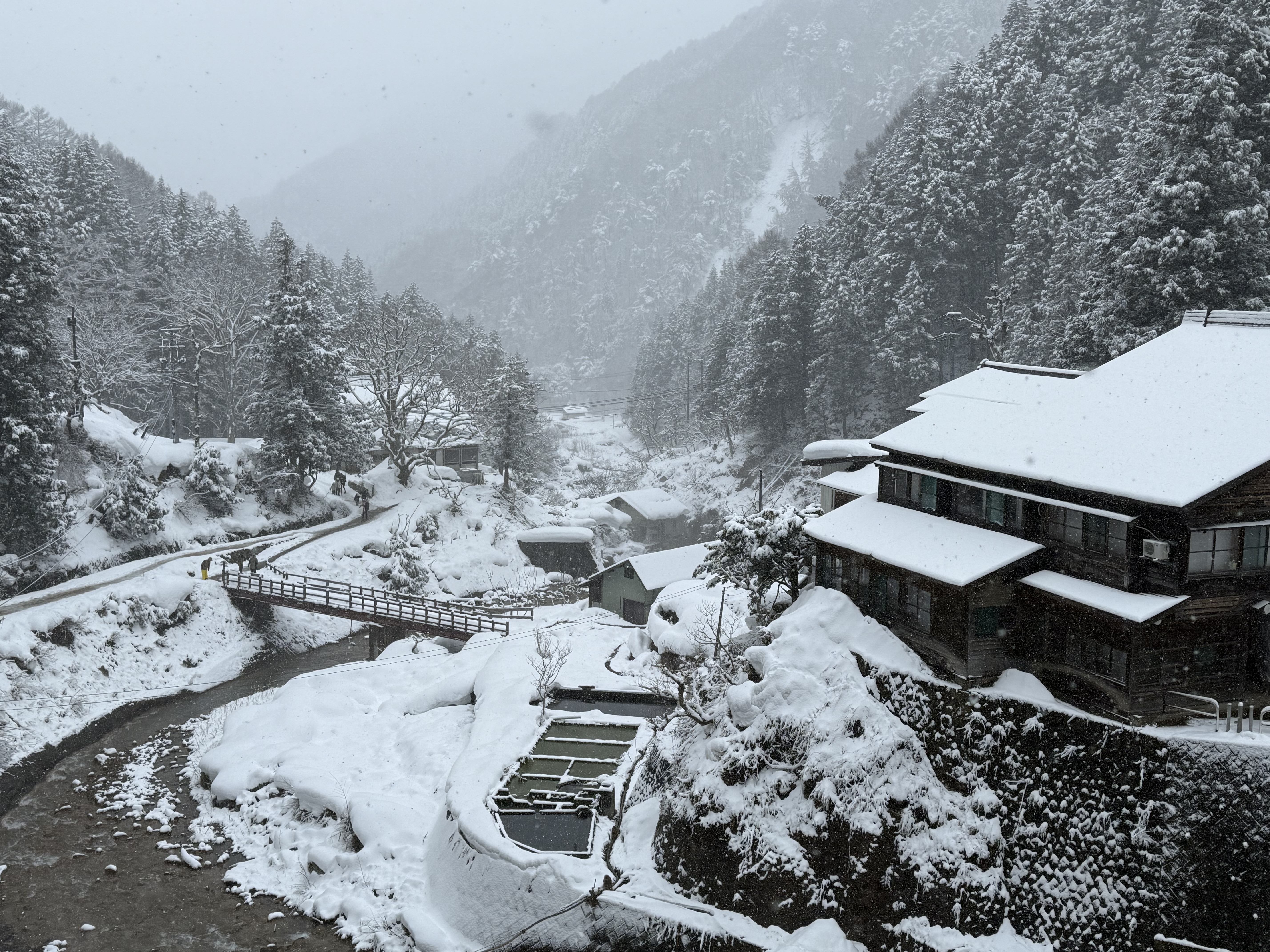
A charming hot spring town nestled in the mountains of Nagano Prefecture, Yudanaka is renowned for its traditional ryokan inns, therapeutic onsen baths, and serene natural beauty. It serves as a gateway to the famous Jigokudani Monkey Park, where you observe wild Japanese macaques soaking in hot springs, especially during the snowy winter months. Yudanaka combines the warmth of Japanese hospitality with the tranquility of a mountain retreat, offering a peaceful escape from the bustle of city life. Yudanaka provided an authentic Onsen experience, relaxation and a glimpse of Japan’s unique wildlife.


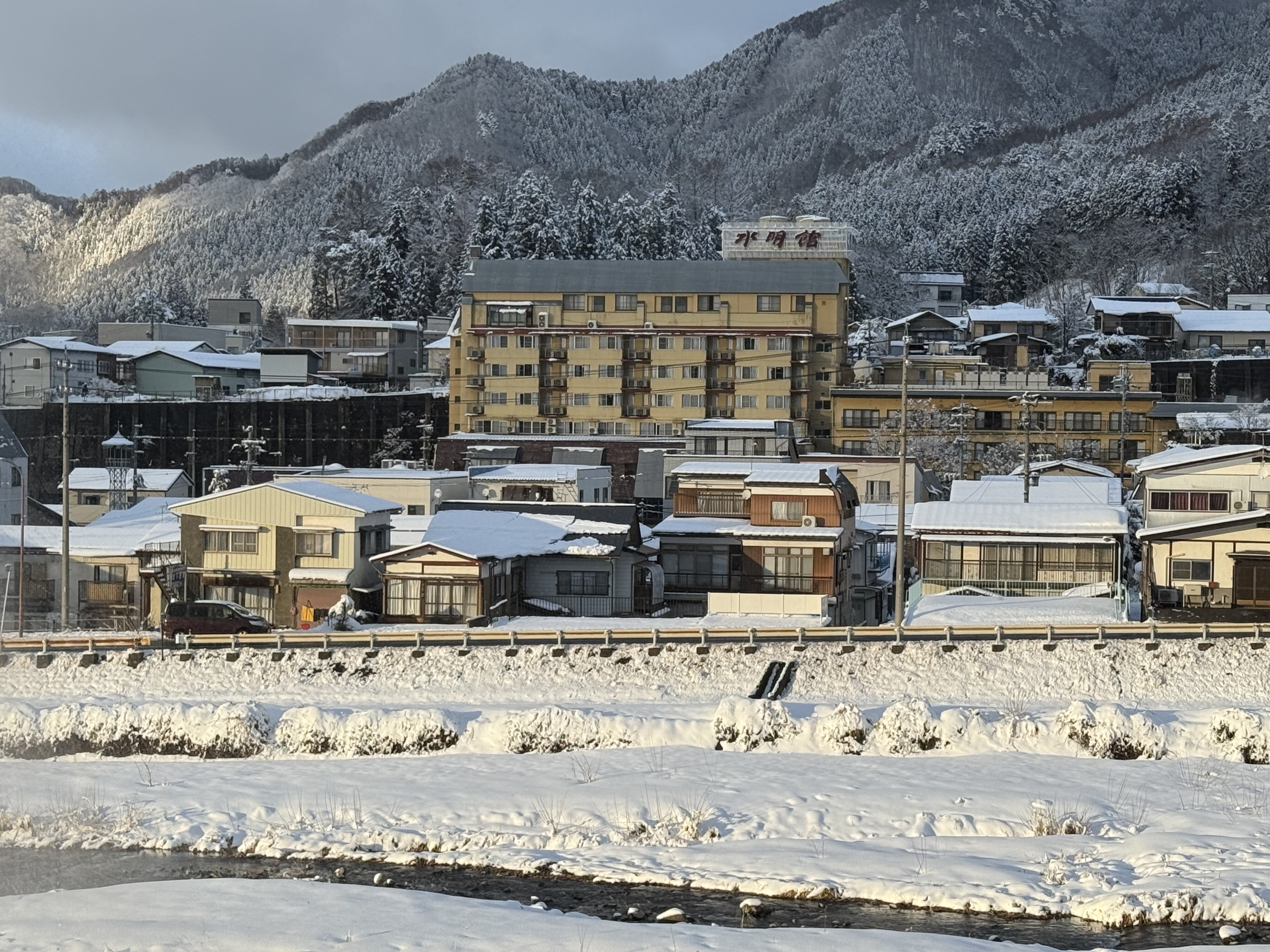
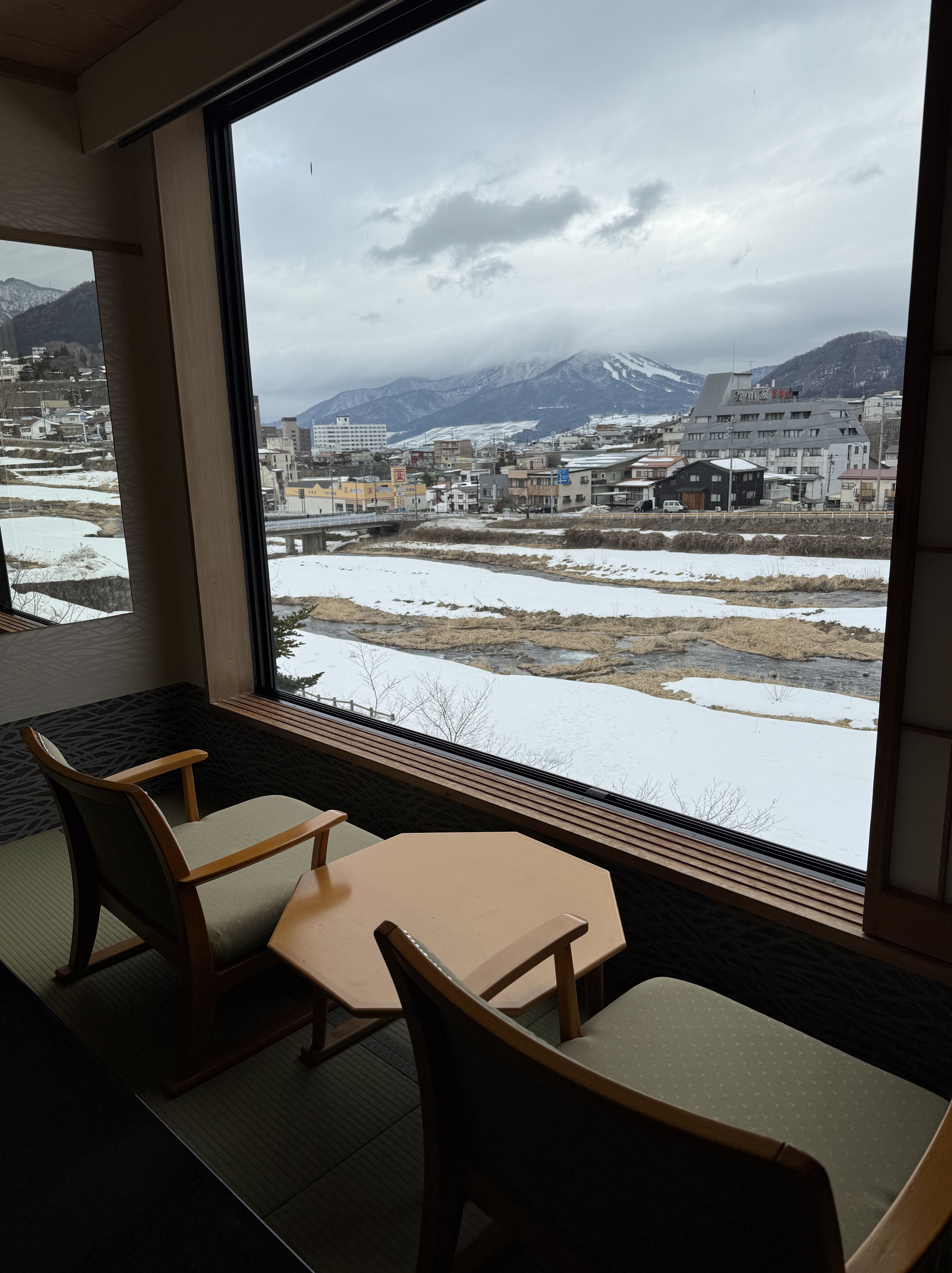
Our stay at Aburaya Tōsen in Yudanaka was nothing short of exceptional. This elegant ryokan seamlessly blends traditional Japanese hospitality with modern luxury. From the moment we arrived, we were warmly welcomed by the attentive staff and guided to our beautifully appointed room which featured stunning views of the mountains and river. The tatami-matted floors, low wooden table with floor cushions, and futon beds neatly laid out on the ground created a warm, minimalist space that felt both peaceful and deeply rooted in tradition. Sitting cross-legged for tea and sleeping close to the floor added to the quiet charm of the experience, a gentle reminder that comfort doesn’t always need luxury. One of the most memorable experiences was our private rooftop dinner inside a cozy, transparent igloo tent. The ryokan also offered relaxing spa services and a rooftop bath with panoramic views, adding to the overall sense of serenity. Staying at Aburaya Tōsen was a perfect way to experience the peaceful charm of Yudanaka in comfort and style.


Jigokudani Monkey Park
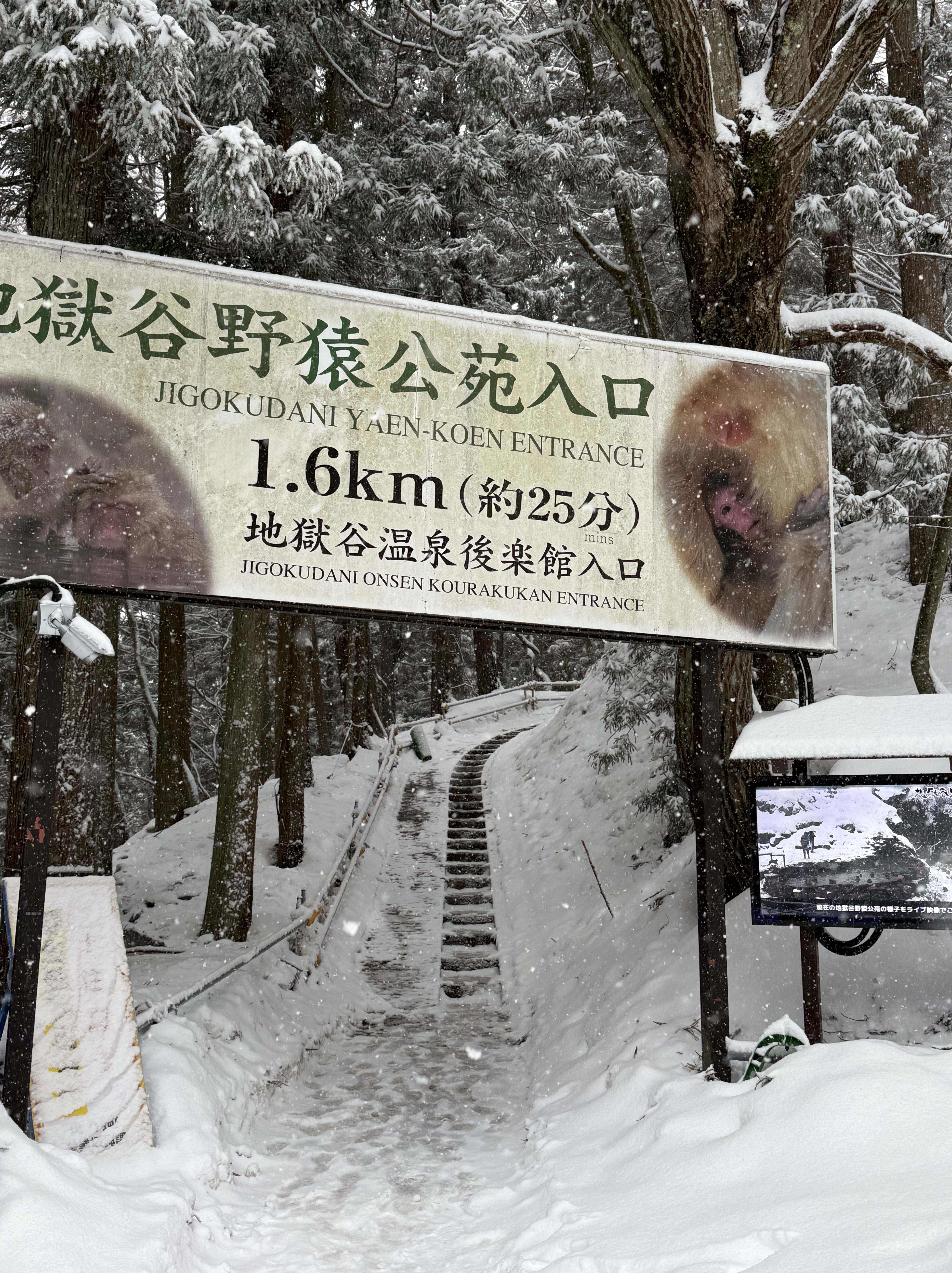
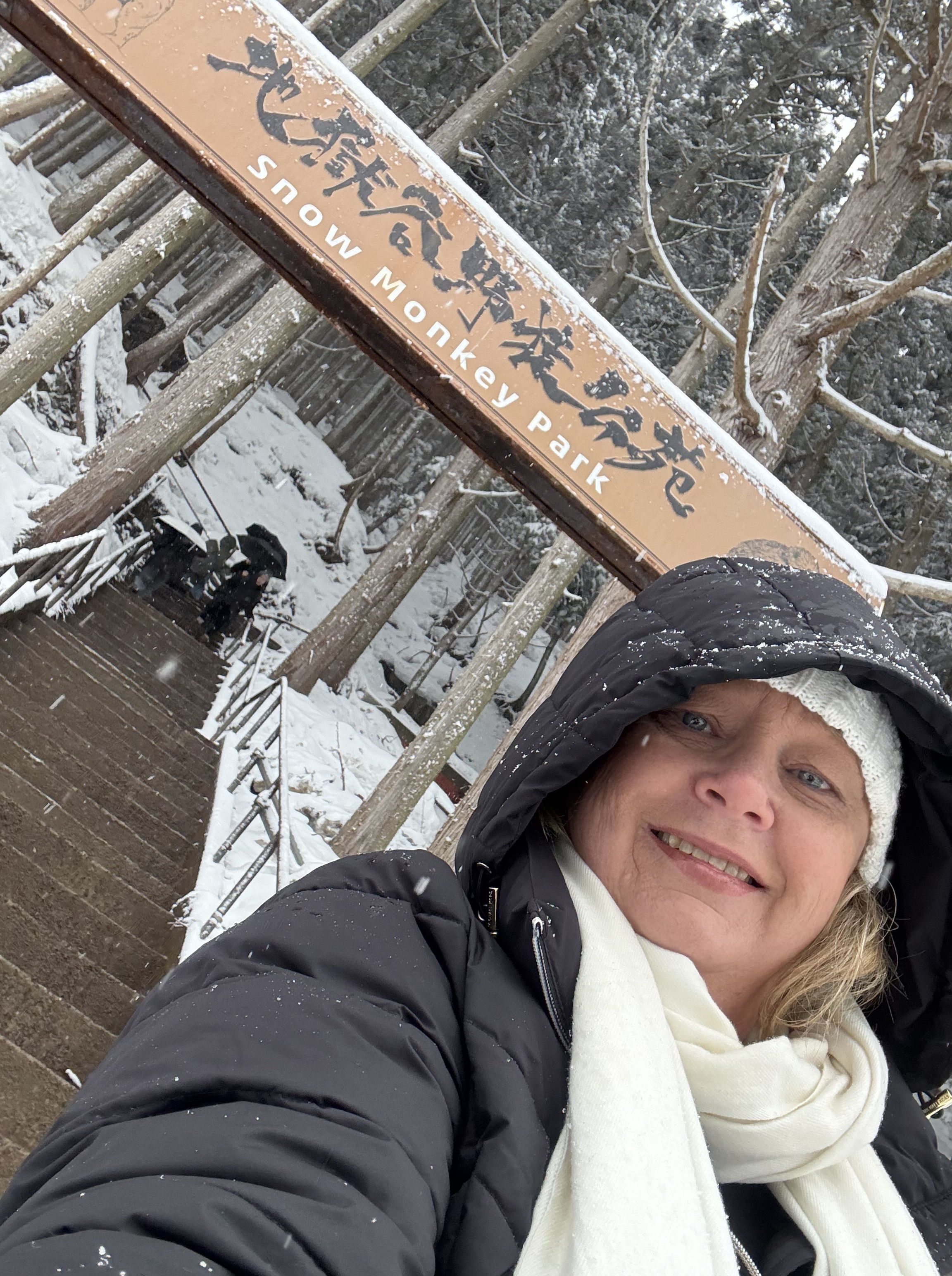
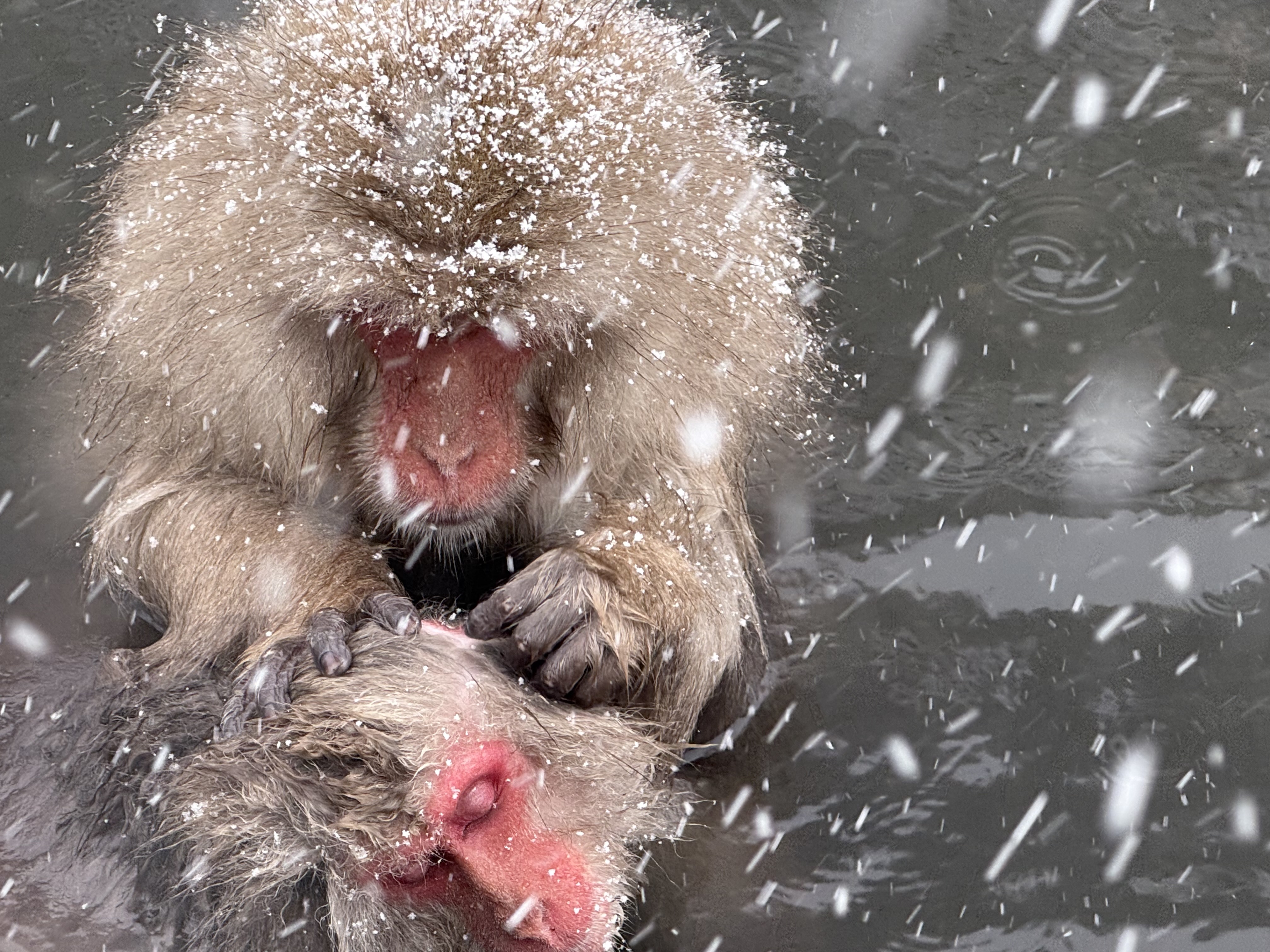
We arrived at Jigokudani Monkey Park just as the morning mist was lifting from the snow-covered valley, to ensure we beat the crowds. The air crisp and silent except for the soft crunch of our shoes on the path. The trail wound through a forest dusted in white, and with each step, anticipation built. Then, as we rounded a bend, we saw them, dozens of Japanese macaques lounging in the natural hot spring, steam curling around their fur like something from a dream.

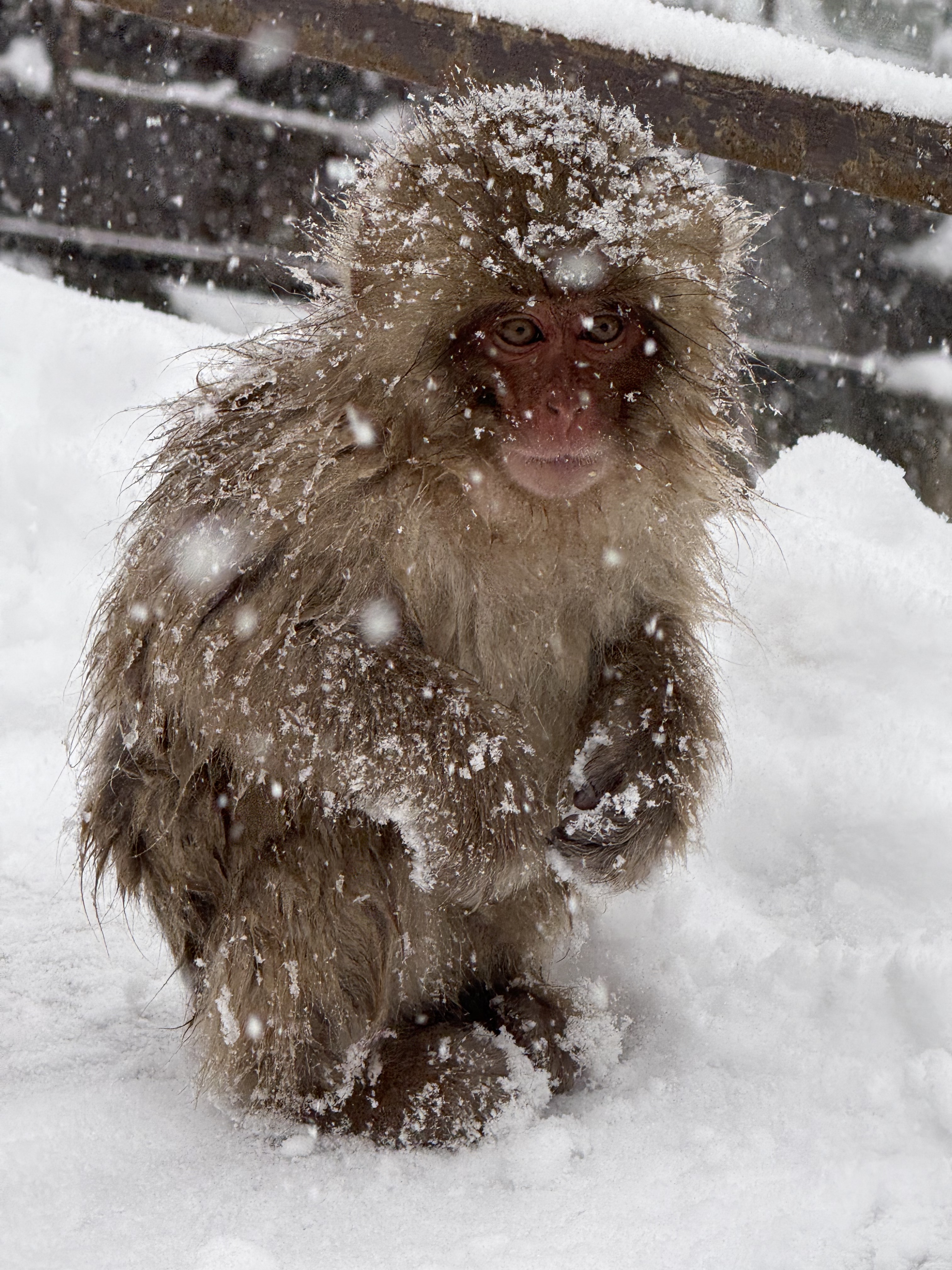
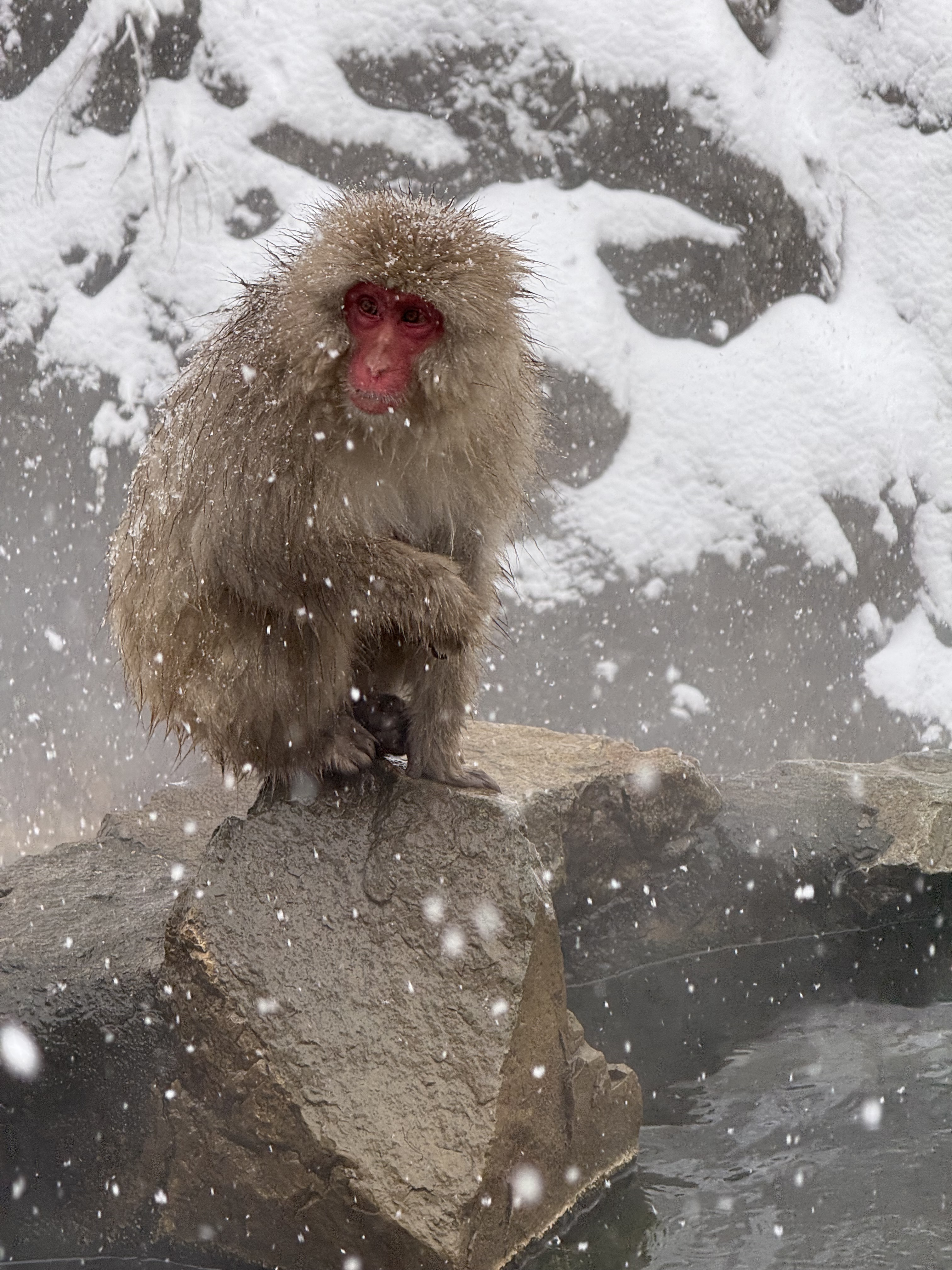
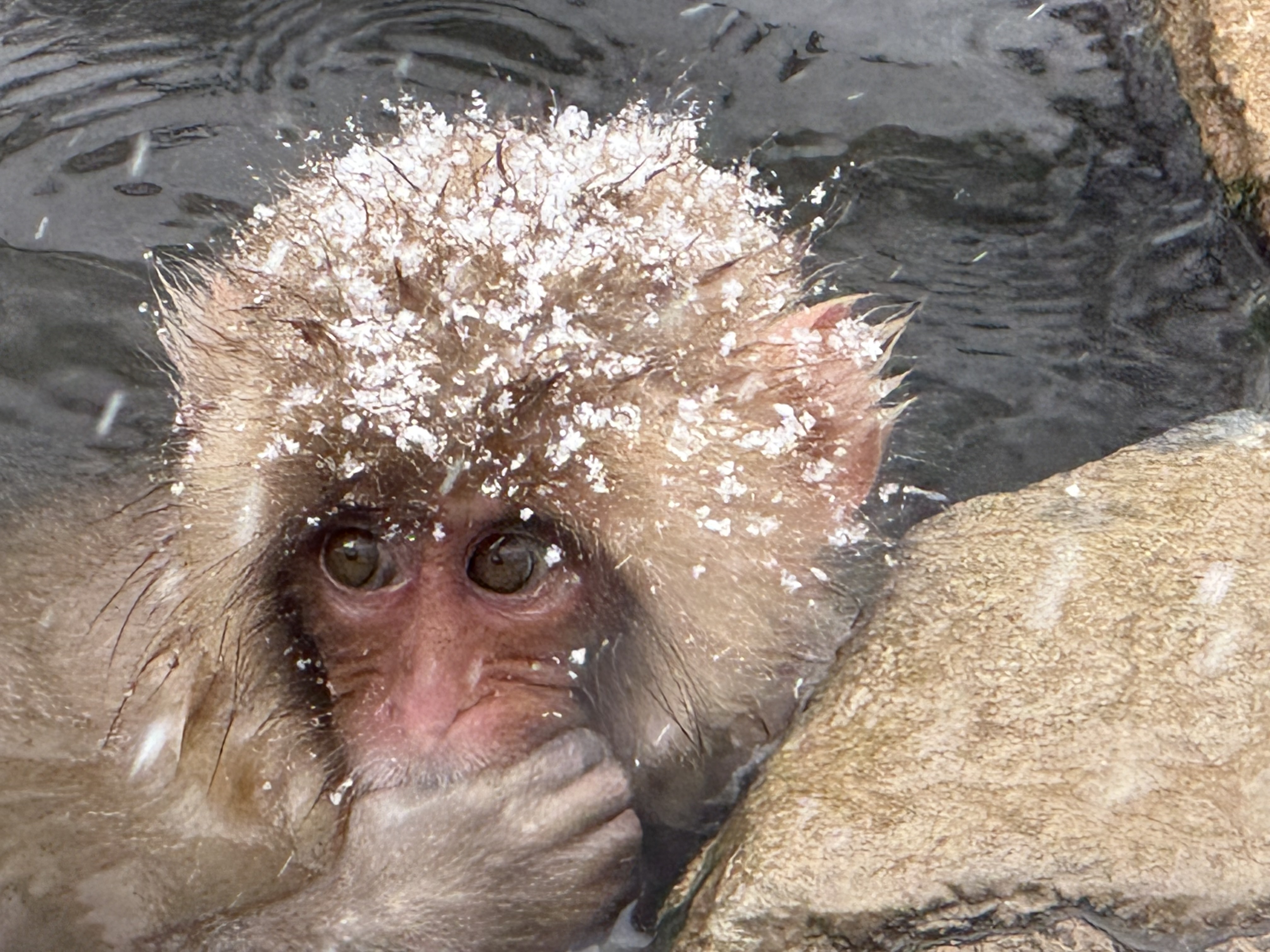
They looked utterly at peace, eyes half-closed, red faces calm and content as if they were the ones on holiday. One monkey lazily scratched its head while another gently groomed its companion. A mother cradled her baby at the edge of the water, dipping her toes into the warmth. It was surreal, wild animals behaving with such human-like ease, completely unbothered by our quiet presence.
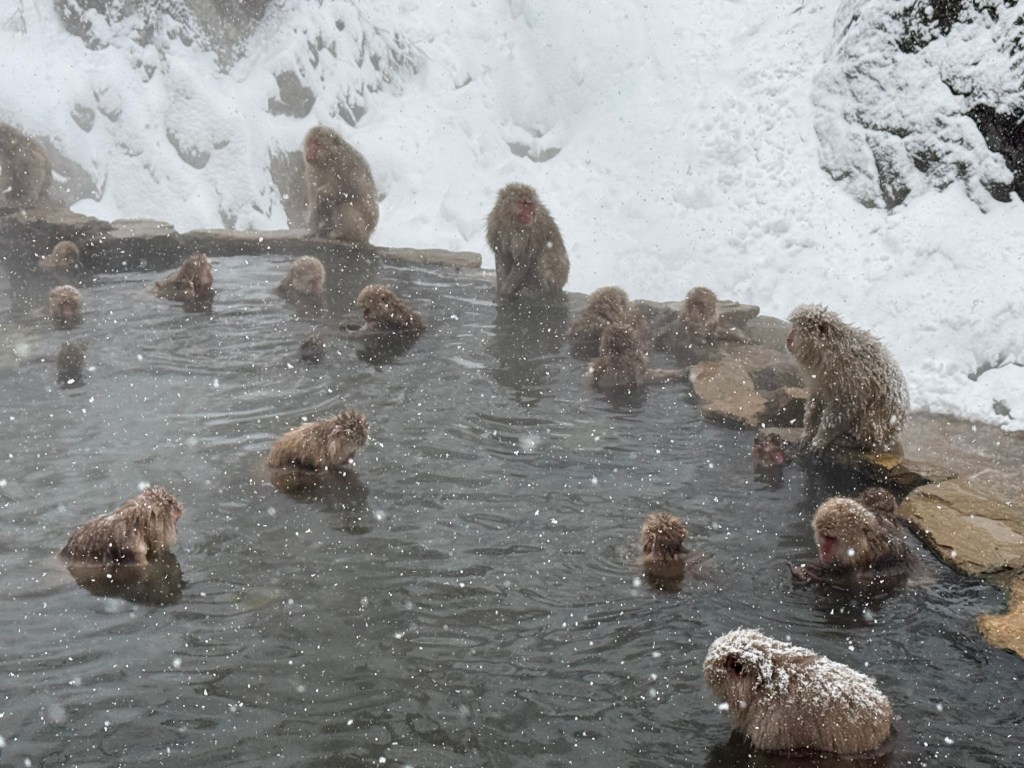
Time seemed to slow as I watched them, mesmerized by the contrast of snowflakes falling onto their warm, damp fur. It wasn’t just the novelty of monkeys in hot springs that made the scene so unforgettable, it was the feeling that, in that moment, I was sharing something timeless and experiencing nature in its purest form. I found it difficult to leave this majestic scene knowing this was a once in a lifetime experience I was witnessing. I left the park with a quiet sense of wonder; the images of the bathing monkeys etched deeply in my mind. Even well into the evening, I found myself reflecting on what I had been privileged to witness, wild creatures so at ease in their element, coexisting with the elements in a way that felt almost sacred. It left a lasting impression, not just as a travel memory, but as a gentle reminder of how beautiful and harmonious the natural world can be when left undisturbed.





Tokyo
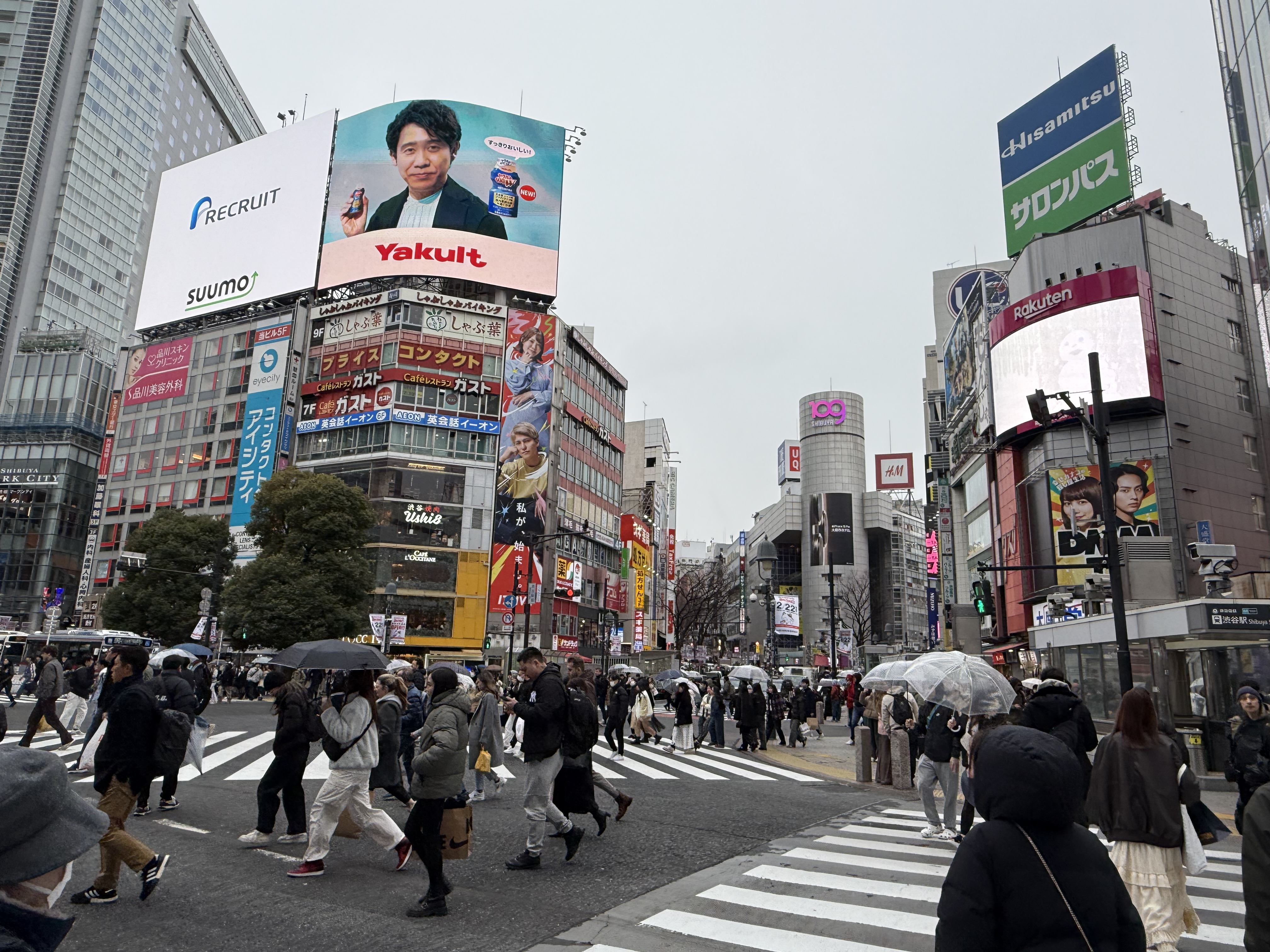
After a few restful days, the next leg of our trip took us to our final destination: the vibrant, fast-paced city of Tokyo. Shinjuku, one of Tokyo’s busiest and most iconic districts, is a vibrant hub known for its skyscrapers, shopping, nightlife, and transportation. Home to the world’s busiest railway station, Shinjuku Station, it serves as a major gateway for commuters and travellers alike. This was an introduction to a city I had seen and heard so much about.
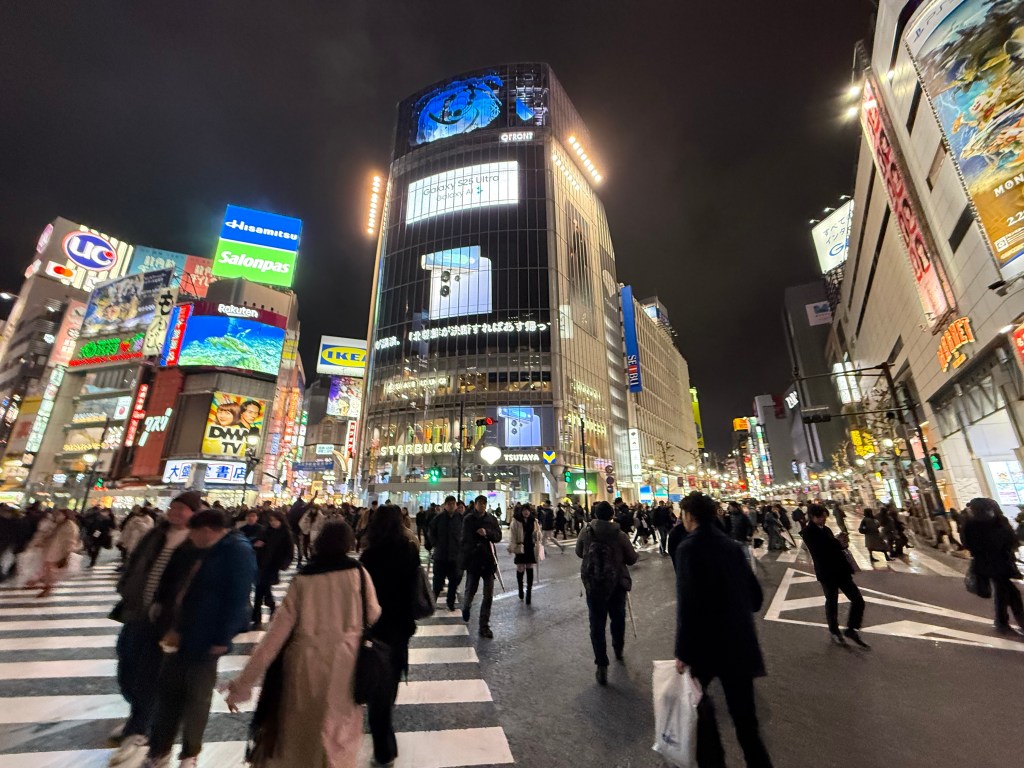
Our accommodation was just a short distance from the famous Shibuya Crossing which captures the energy of Tokyo in motion. Often featured in films and media, the crossing sees hundreds of people surge across from all directions when the lights turn green, creating a mesmerizing display of organized chaos. Together, Shinjuku’s dynamic atmosphere and Shibuya’s iconic scramble crossing embody the fast-paced, electric spirit of modern Tokyo. One of the best views is just around the corner is the brand new shiny Hikarie building, with views stretching across the city. The modern skyscraper is the 40th tallest building in Tokyo and has views of Shibuya and beyond, especially impressive at night thanks to the eye-watering levels of neon. The view is best from the 16th floor sky lobby which is part of the theater complex. There are also cafes and a Lawson convenience store up there, so you can enjoy the view with a drink. The floors are open until 11pm thanks to the restaurants, so it makes a great stop-off after dinner!

Just outside the city buzz of Tokyo lies a world of enchantment, Tokyo Disneyland, where Disney magic meets impeccable Japanese hospitality. Opened in 1983 as the first Disney Park outside the U.S., it’s a near-perfect blend of classic attractions like Pirates of the Caribbean, Splash Mountain, and Cinderella’s Castle, with uniquely local touches.
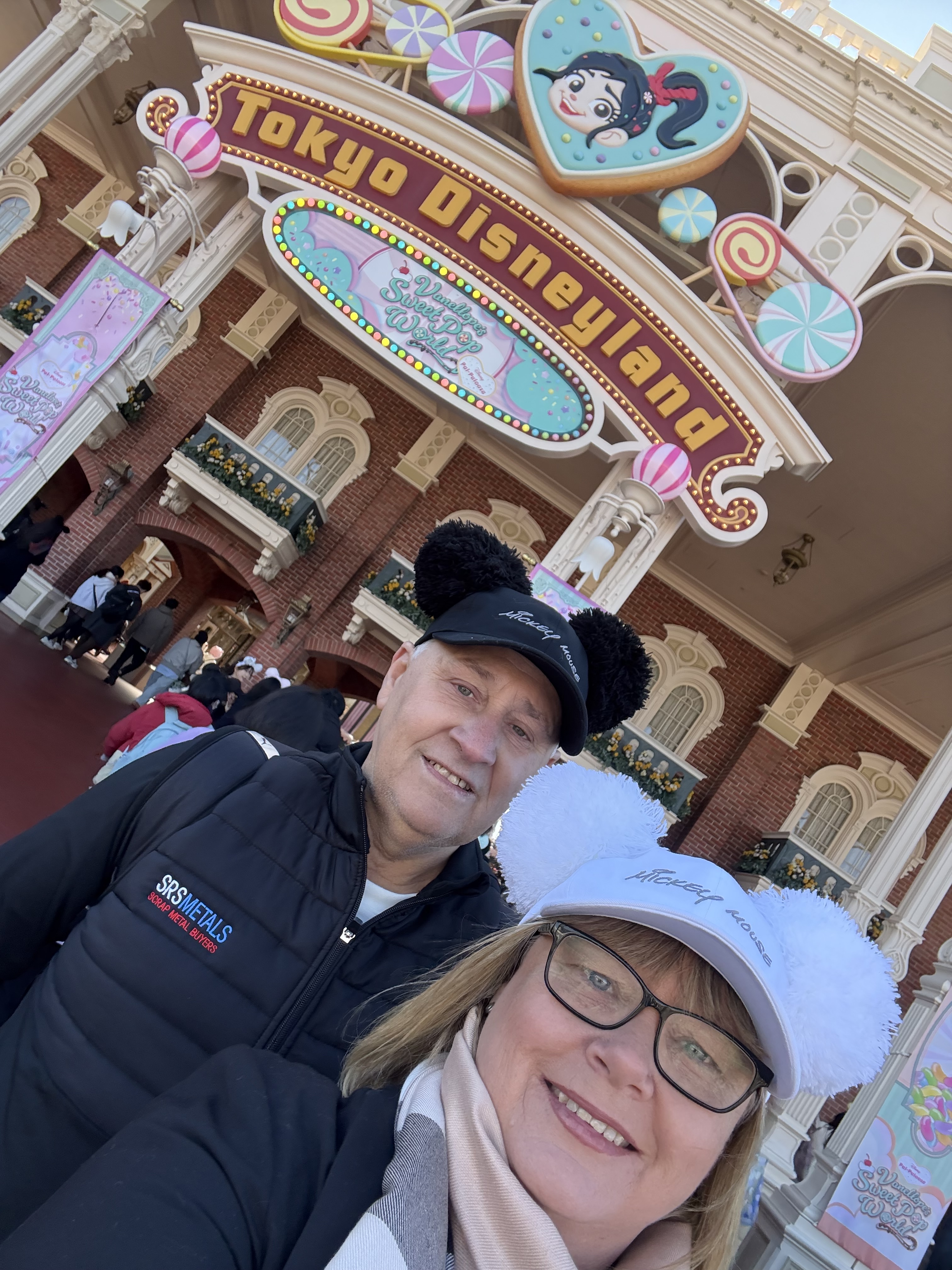


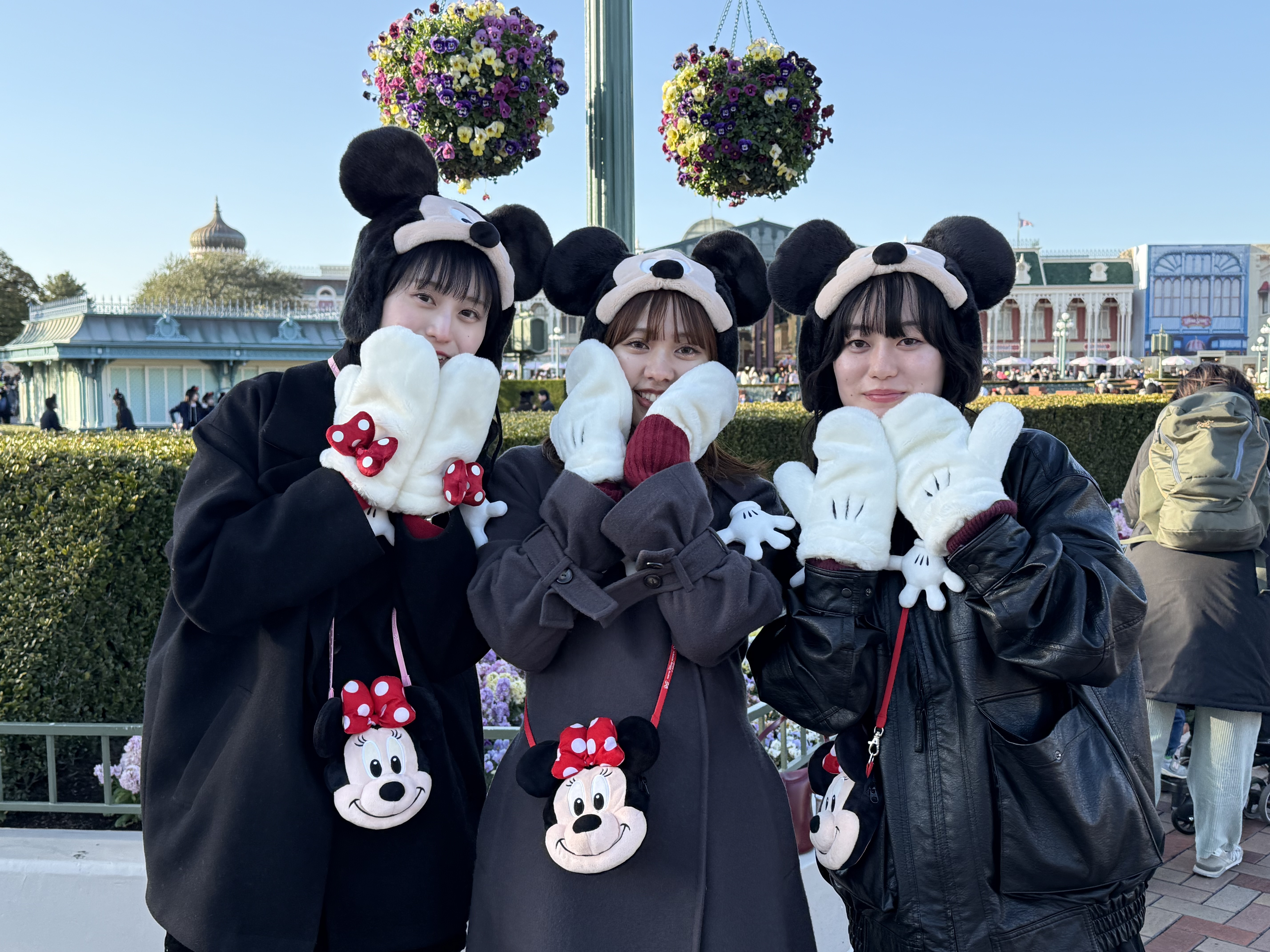
I’ve visited every Disneyland Park in the world except for Orlando, and among them, Tokyo Disneyland stood out as the closest replica to the original in Anaheim. From the familiar layout of Main Street, U.S.A. to the nearly identical design of classic attractions like Haunted Mansion and Jungle Cruise, the park immediately sparked a sense of nostalgia. What truly amazed me, though, was what felt like every single person, from toddlers to grandparents, wore some kind of character ears, hat, or accessory. It wasn’t just kids dressing up; it was a full-on celebration of Disney spirit that everyone seemed a joyfull part of. Add in Japan’s signature attention to detail and crowd etiquette, and the experience became a magical blend of the familiar and the uniquely local.







To balance out the high-energy theme park day, we took a peaceful day trip to Hakone the next morning, a serene town just under two hours from Tokyo. The journey itself was scenic, with lush green hills gradually replacing city towers. Once there, we rode the Hakone Ropeway and hoped to see Mount Fuji, often called the “shy mountain” because it so frequently hides behind clouds, and true to its name, it stayed hidden that day. Still, the misty forests and cool mountain air gave the whole experience a peaceful, almost otherworldly feel. We ended the day cruising across Lake Ashi on a quirky pirate ship. It was the perfect contrast: one day filled with Disney magic, the next with tranquil natural beauty, two different worlds, each unforgettable in their own way.


Tokyo’s animal café culture offers a delightful escape from the city’s fast-paced life, allowing you to unwind with a variety of creatures in cozy, themed settings. These cafés have become increasingly popular, featuring animals ranging from cats and owls to more exotic species. Don’t be fooled by the word café, many tourists like us mistake them for serving food and that is not the case. We chose to visit Chiku Chiku Café, a cozy little animal café home to adorable hedgehogs. The staff were incredibly gentle and informative, making sure both visitors and animals were at ease. It was a uniquely Japanese experience: quirky, cute, and calming in the most unexpected way, and a perfect mid-afternoon escape from Tokyo’s busy streets.






Tokyo feels like stepping into the future, neon-lit skyscrapers, robot cafes, and vending machines that serve everything from hot coffee to umbrellas. But turn a corner, and you might stumble upon a serene Shinto shrine tucked between office buildings or a centuries-old ramen shop with a line of locals. The politeness of the people, the precision of the trains, the quiet reverence in temples, the explosion of flavors in street food, all create a sense of organized wonder I’ve never experienced any where else in the world.
Winter brought fewer crowds, beautiful seasonal scenery, and a quiet charm to every destination. It was a journey of contrasts, cold air and warm hospitality, ancient shrines and futuristic cities, all wrapped in a blanket of white. Japan left me wanting more than any other destination ever has. Travelling through Japan in winter wasn’t just a holiday, it was an adventure that demanded curiosity, courage, and a willingness to embrace the unexpected. Navigating unfamiliar train lines in Tokyo rush hour, trekking through icy paths to reach hidden shrines in Kyoto, or hiking snowy trails to see the famous snow monkeys in Jigokudani, each moment was a reminder a Sense of Adventure was Required to get the most out of our winter journey through Japan.


 Sense of Adventure Required - by Jen
You must be logged in to post a comment.