

There are some parts of the world that, once visited get into your heart and wont go. For me, India is such a place.
It began with the energy of Delhi, where ancient history and modern chaos breathe side by side; unfolded in Agra, where the pale marble of the Taj Mahal seemed to hold time itself in suspension; and deepened in Jaipur, where rose-hued walls and desert light cast everything in a warm, dreamlike glow. But it was in Vrindavan, the birthplace of Krishna, that the journey took on a different kind of magic, as I found myself swept into the joyous chaos of Holi, where colour, devotion, and celebration blurred into something unforgettable. What I expected to be a journey through places became something far more personal, a passage through colour, sound, and spirit that lingered long after I returned home.
Delhi
The first thing I remember is the street food: the sizzle of oil, the sharp tang of spice in the air, vendors moving with practised speed as if part of a choreography only they understood. Then came the cycle rickshaw ride, a blur of horns, laughter, and near-misses, weaving through traffic that seemed to follow no rules at all. And yet, somehow, it worked.
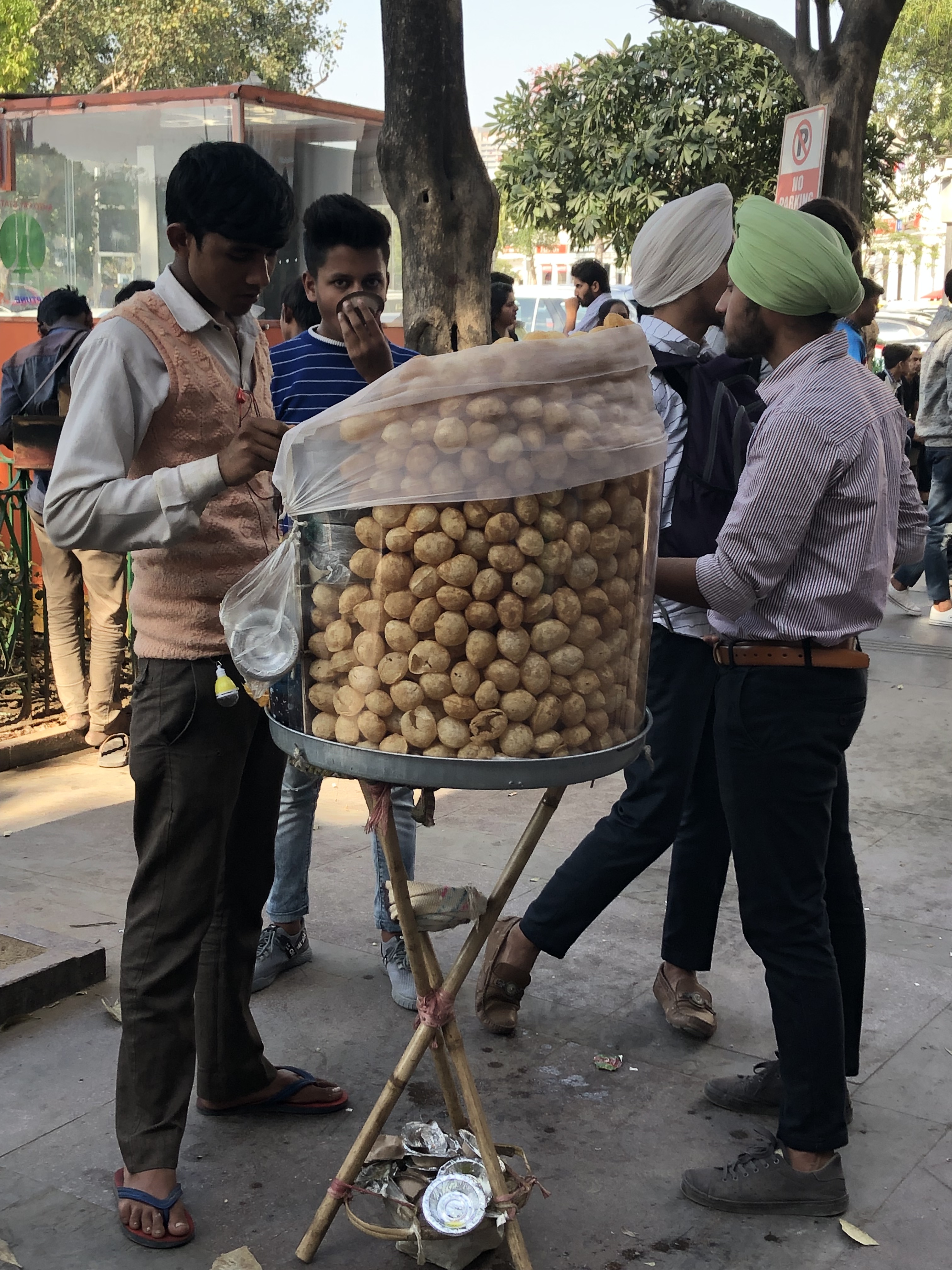
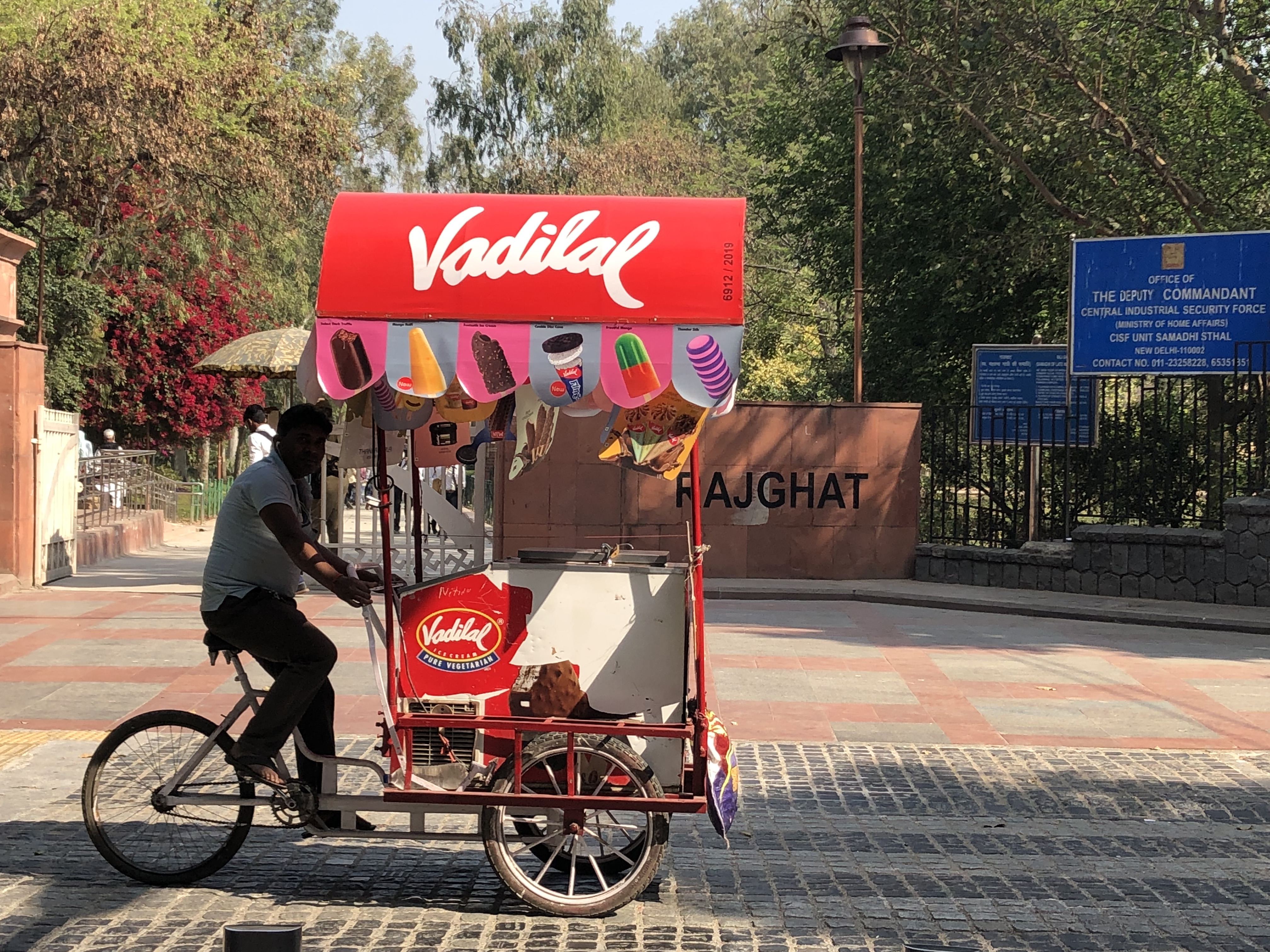
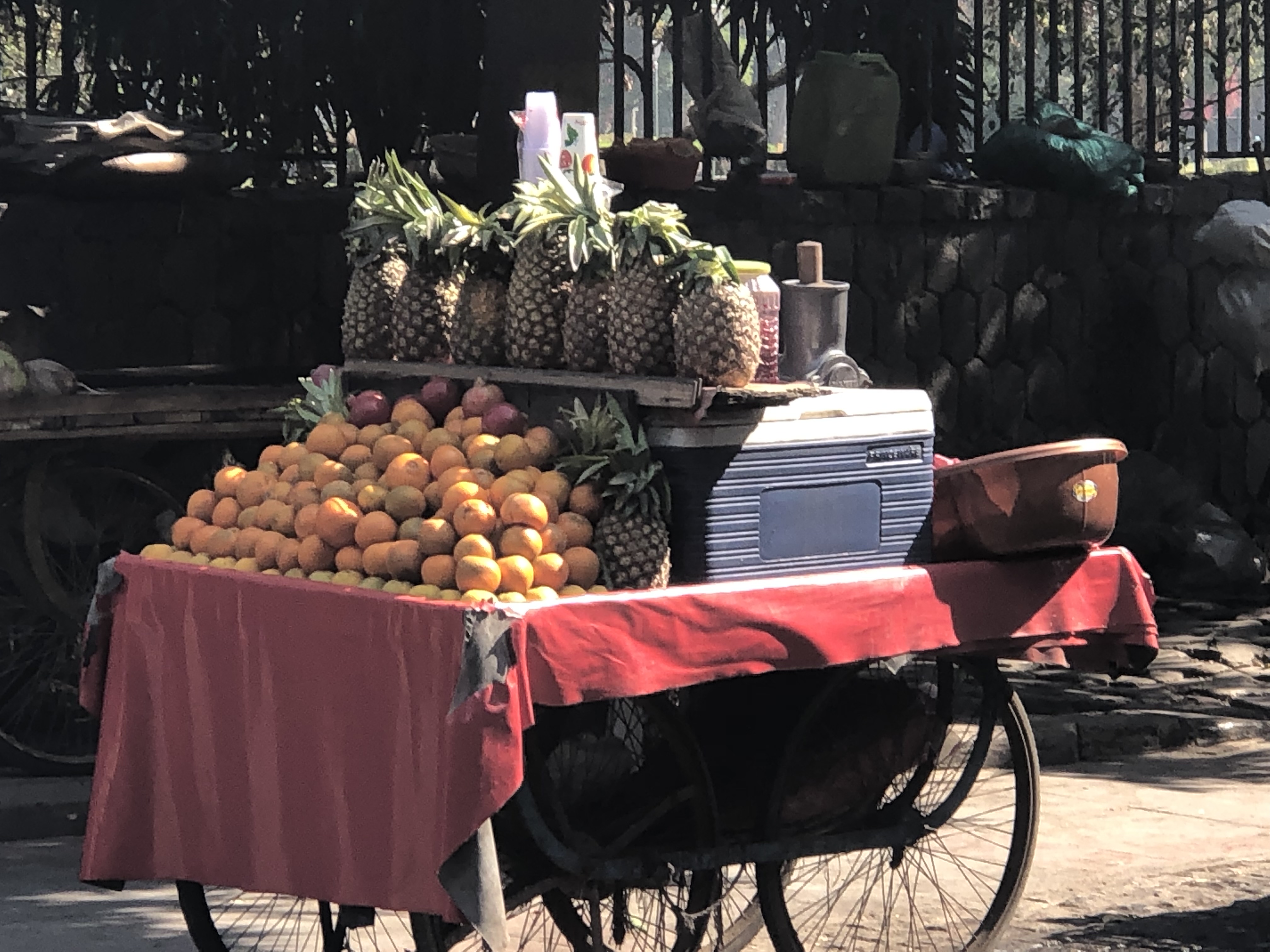
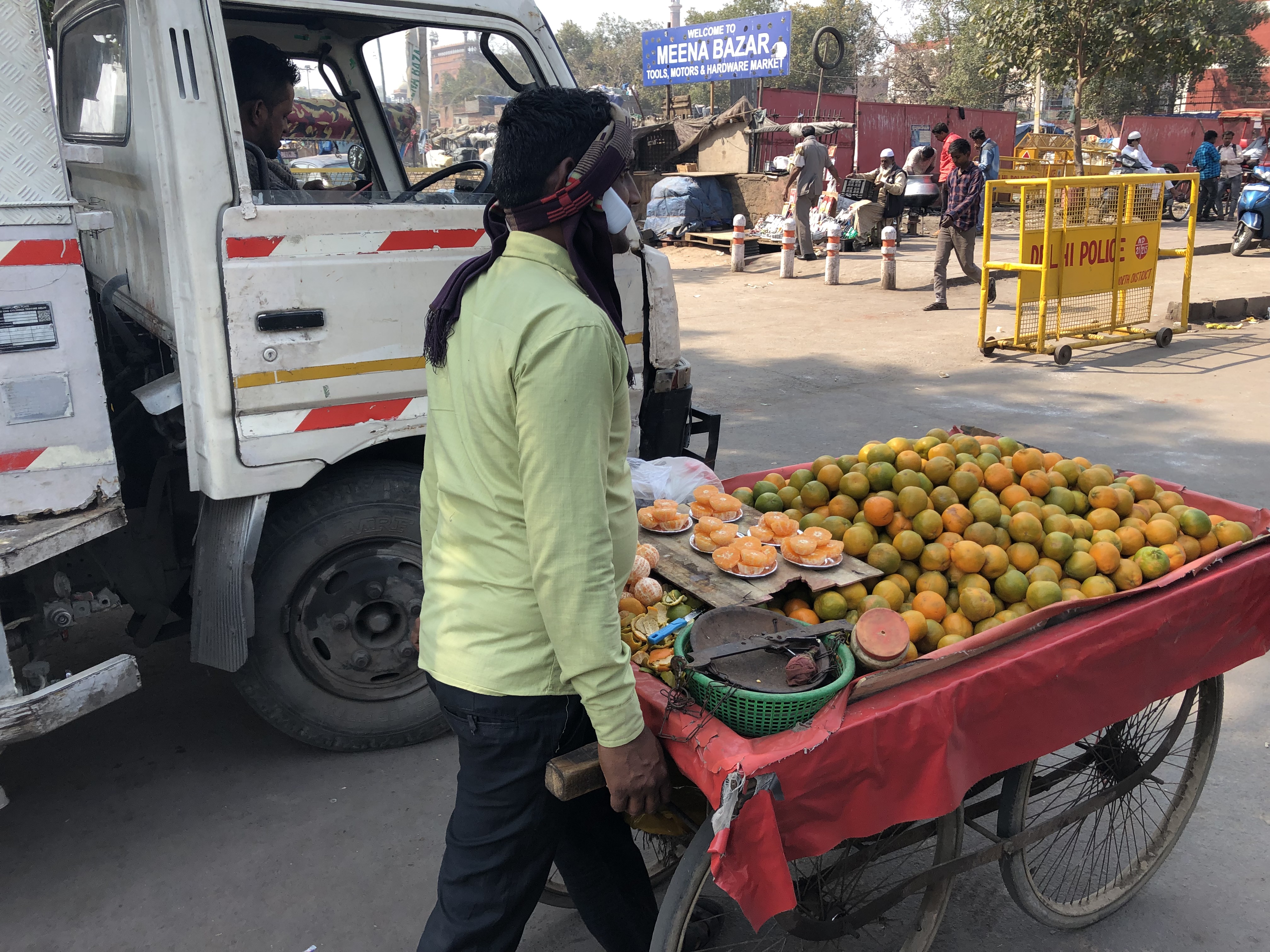
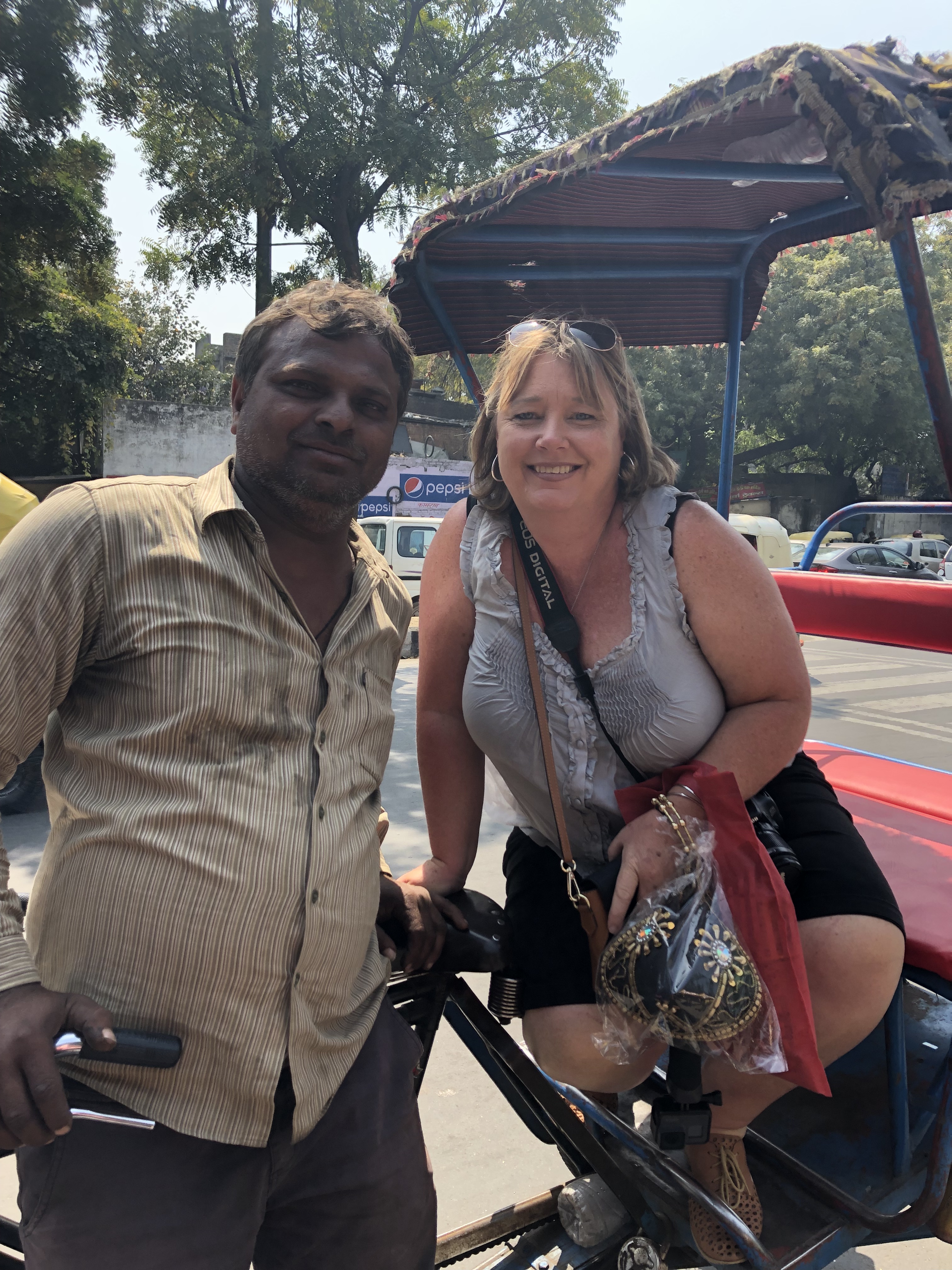
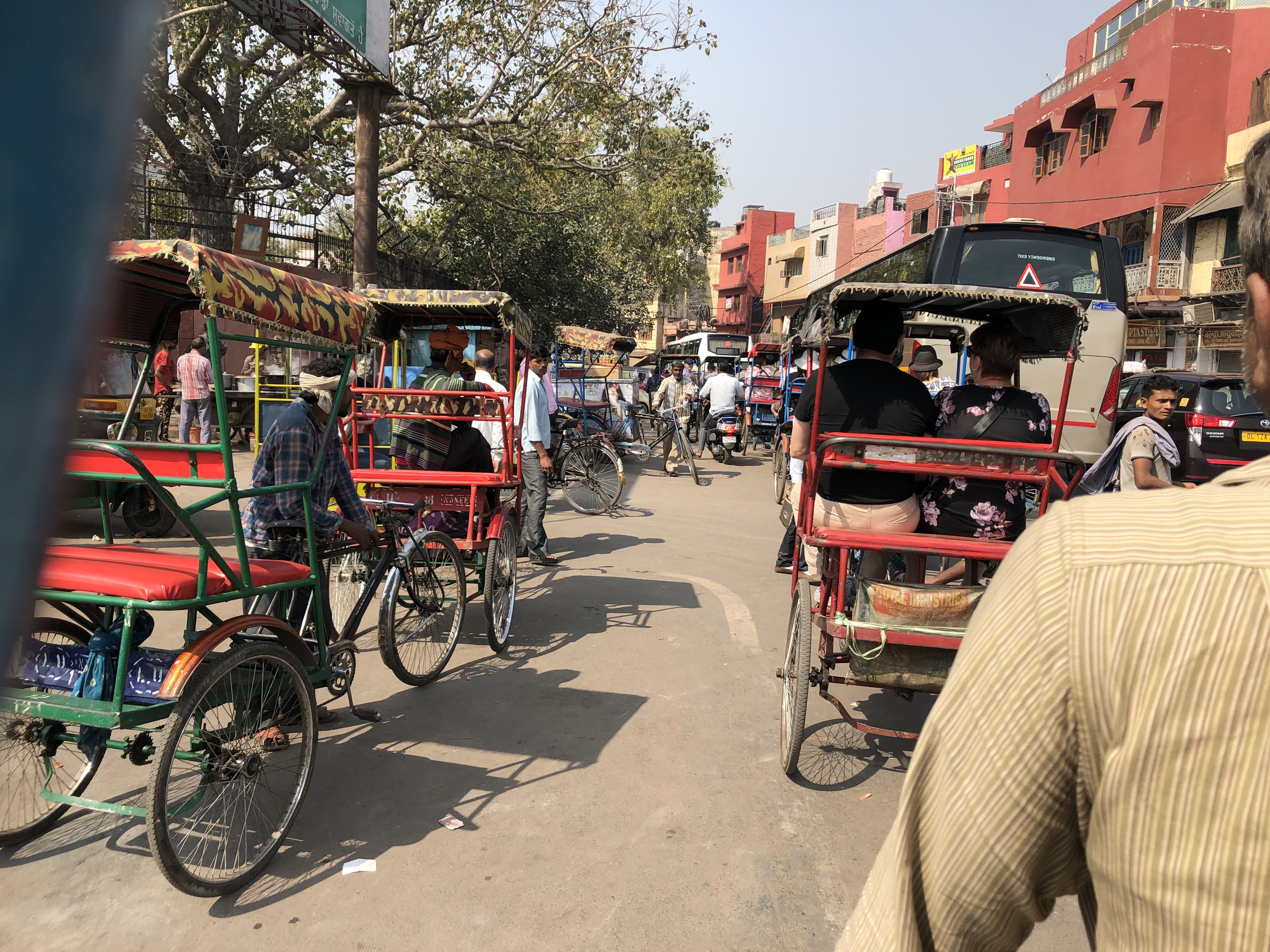
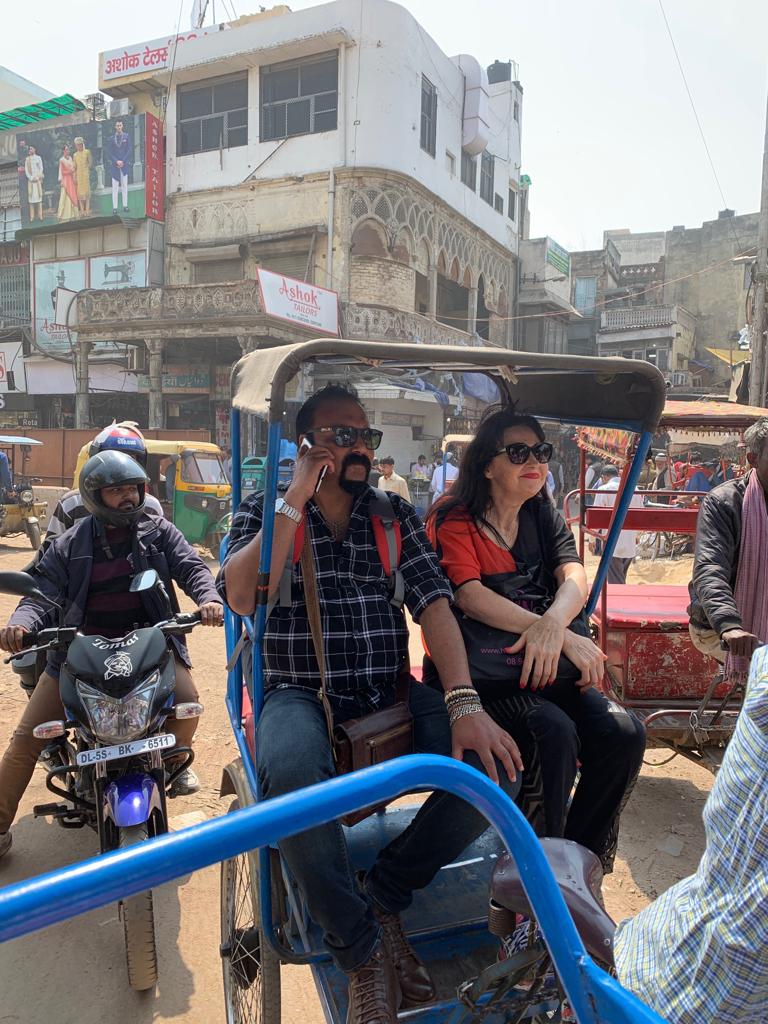
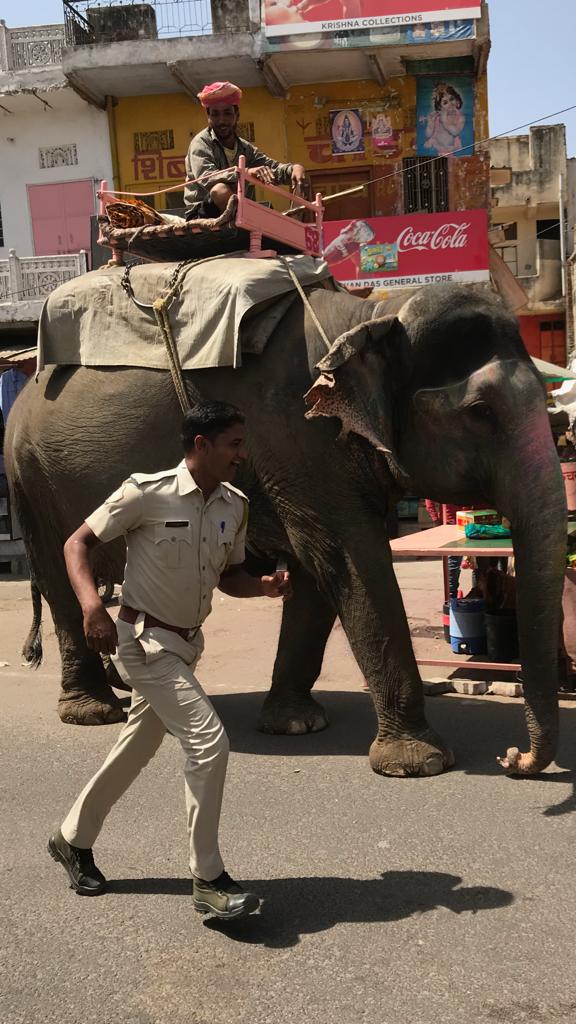
In the heart of Old Delhi, Chandni Chowk unfolded in a riot of colour and sound, but what struck me most wasn’t just the chaos, it was what felt like a different rhythm of time. As we edged through the crowded lanes, no one so much as glanced up when an elephant ambled past, as if it were the most ordinary thing in the world. Around it, life carried on uninterrupted: vendors calling out prices, customers bargaining, scooters squeezing through impossible gaps. Narrow lanes were filled with fabrics, jewellery, and voices calling out from every direction, while the nearby spice market filled the air with the earthy perfume of cardamom, turmeric, and chilli.
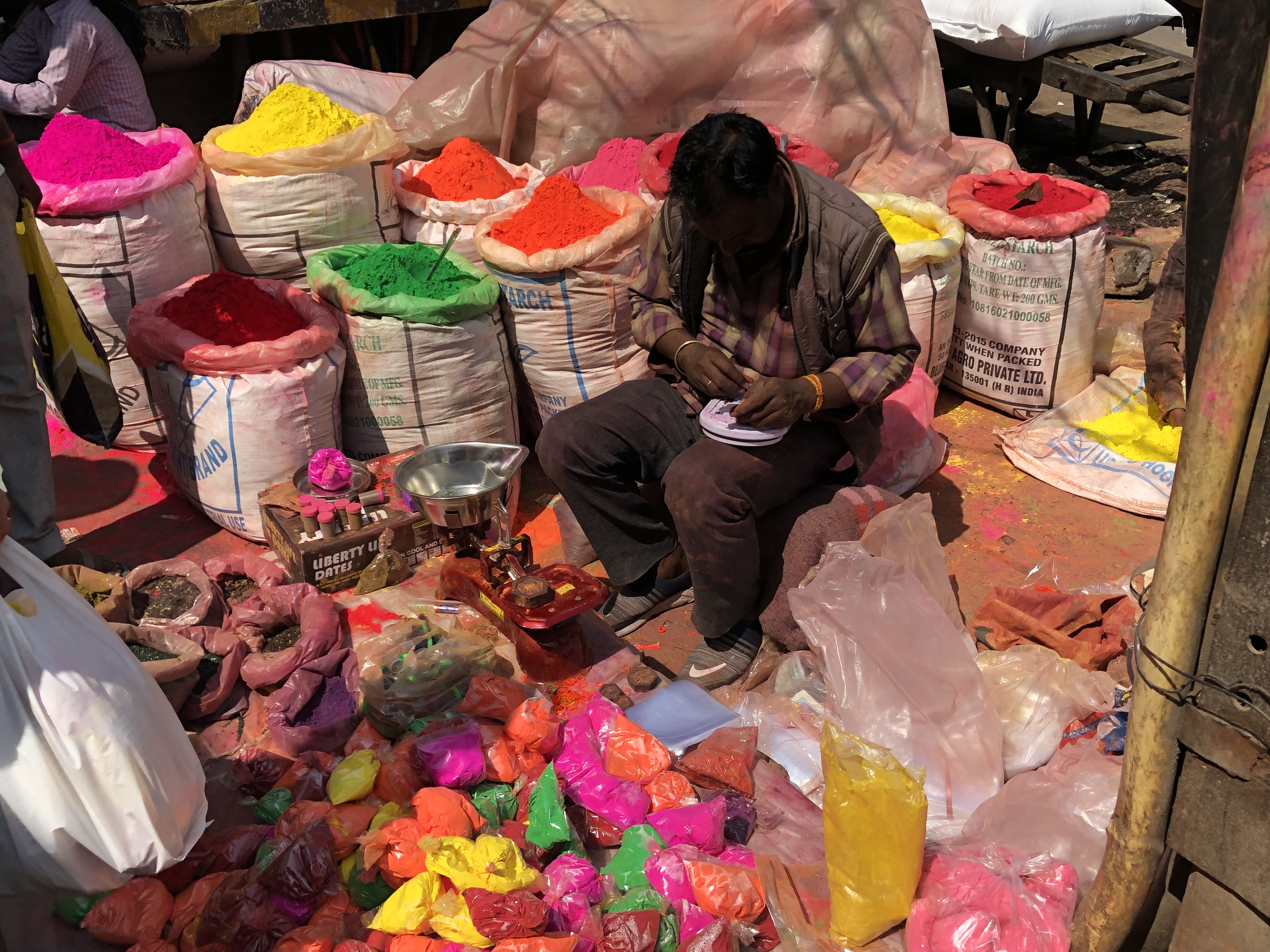
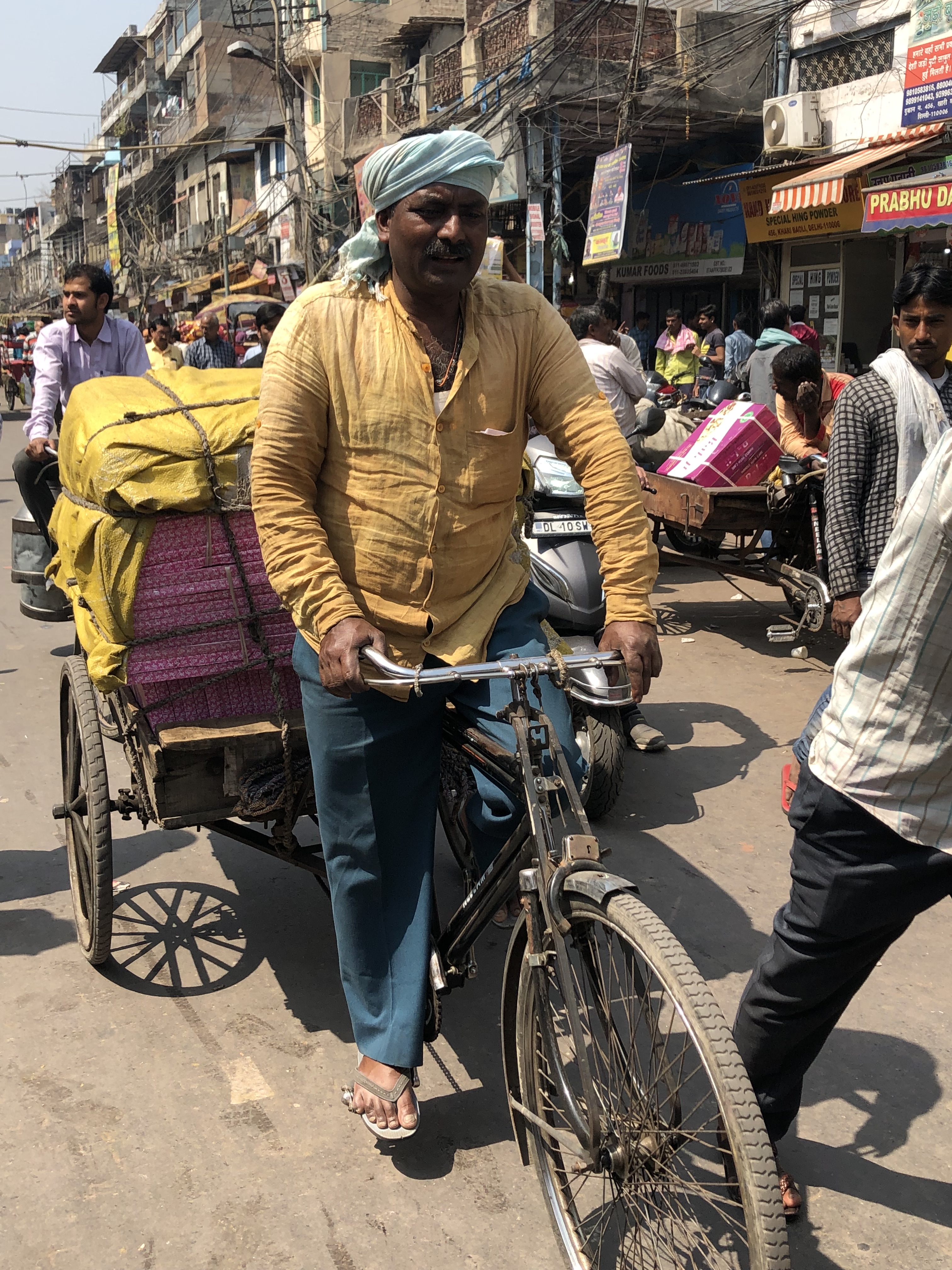
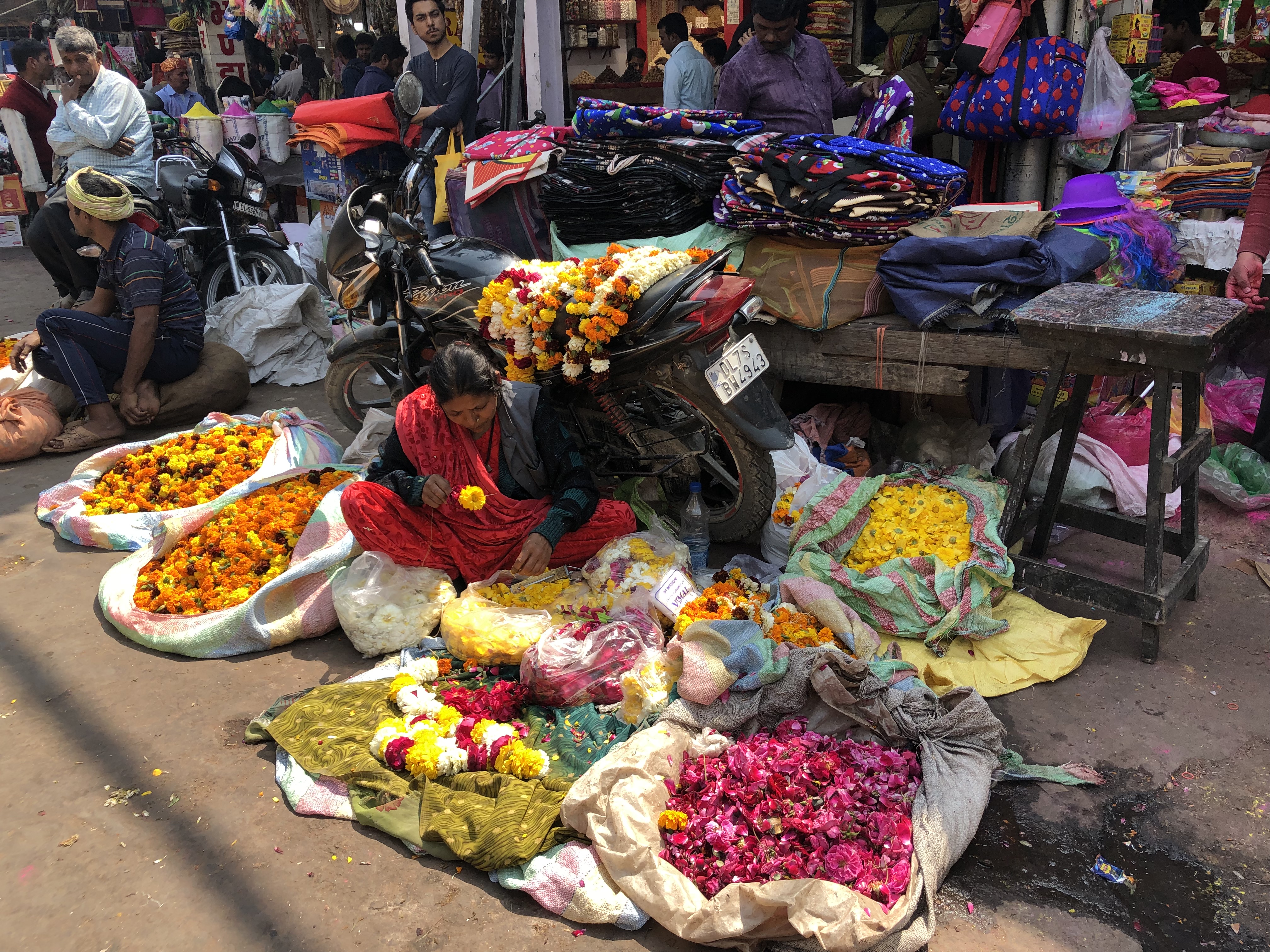
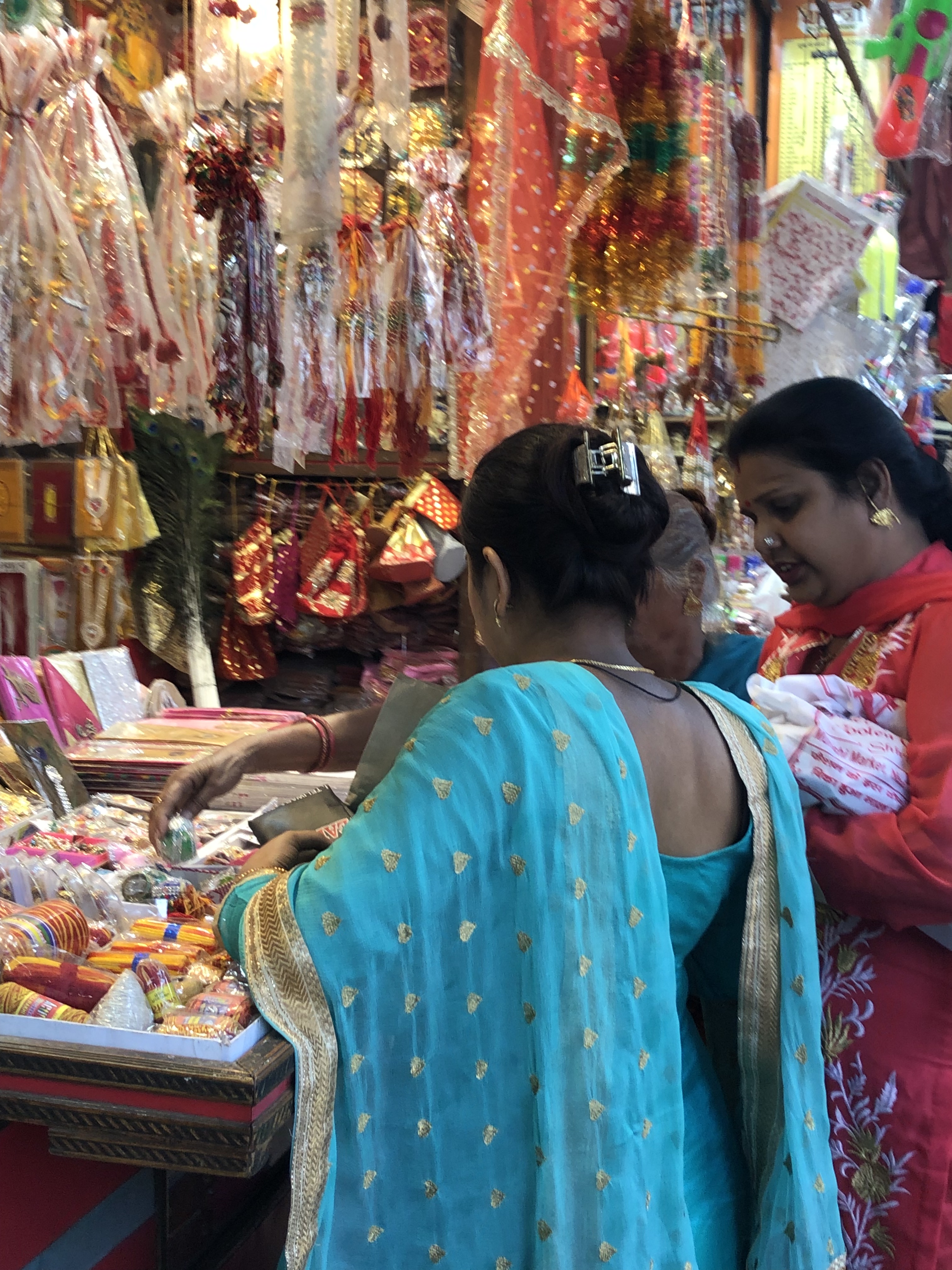
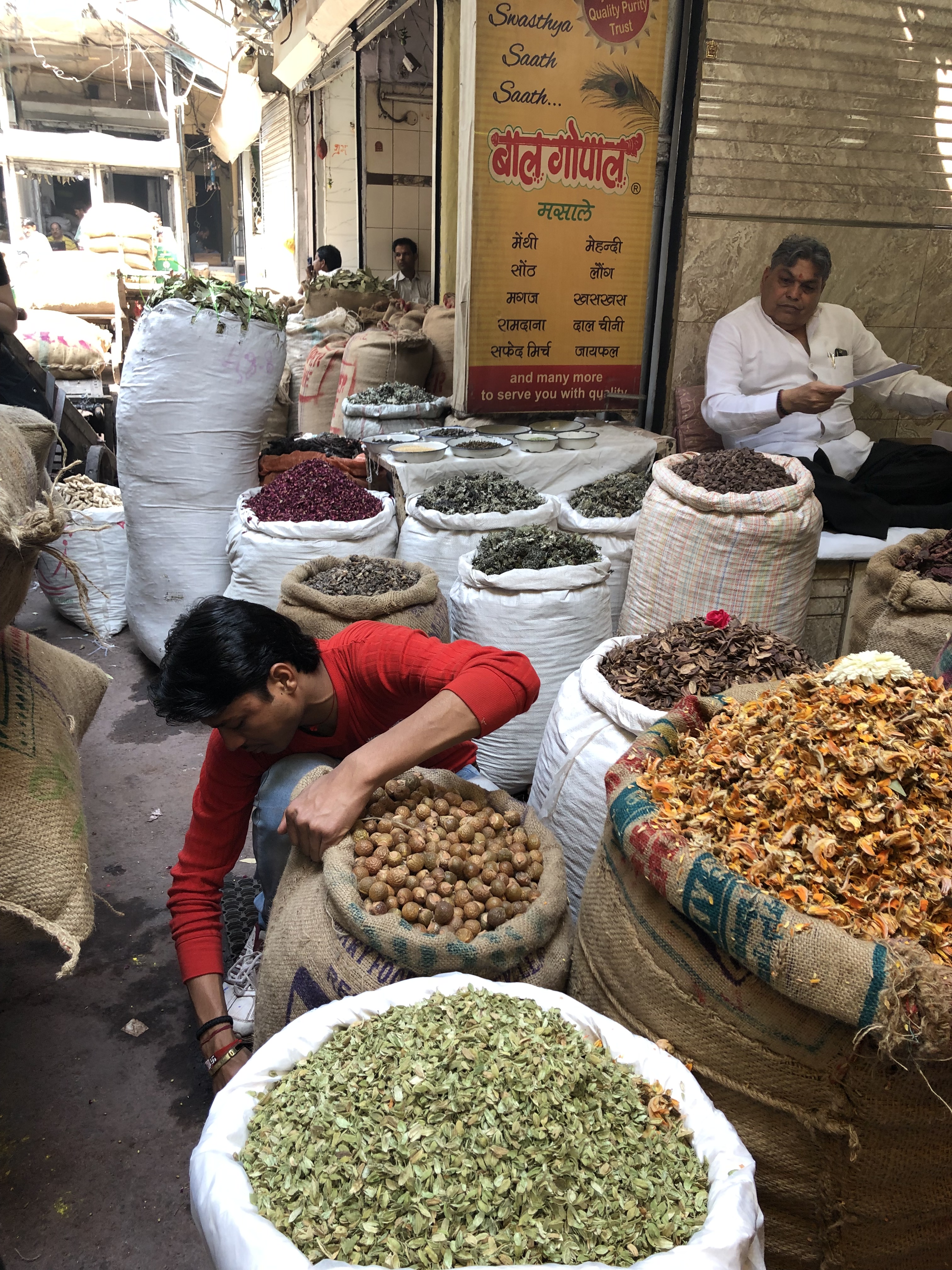
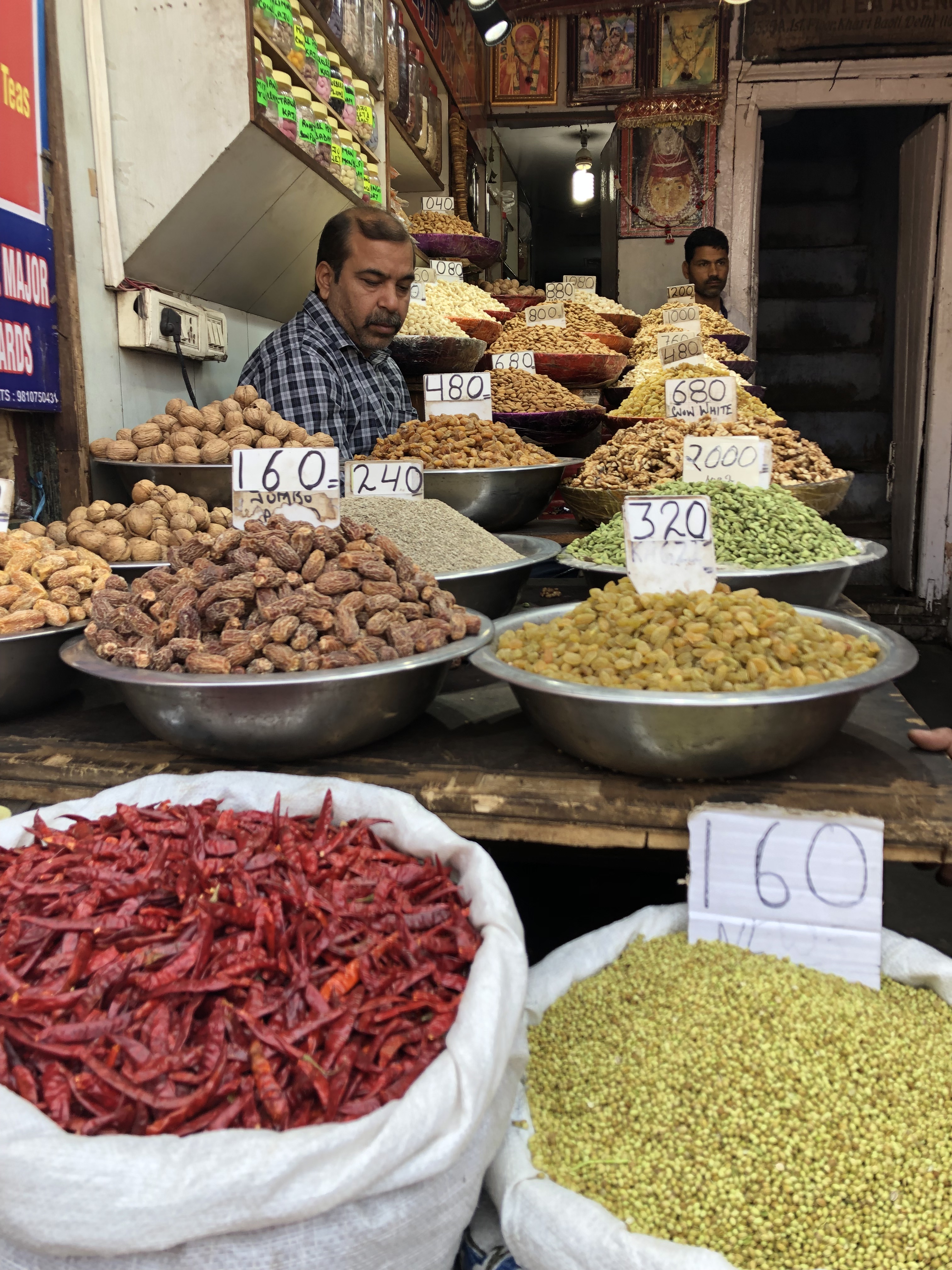
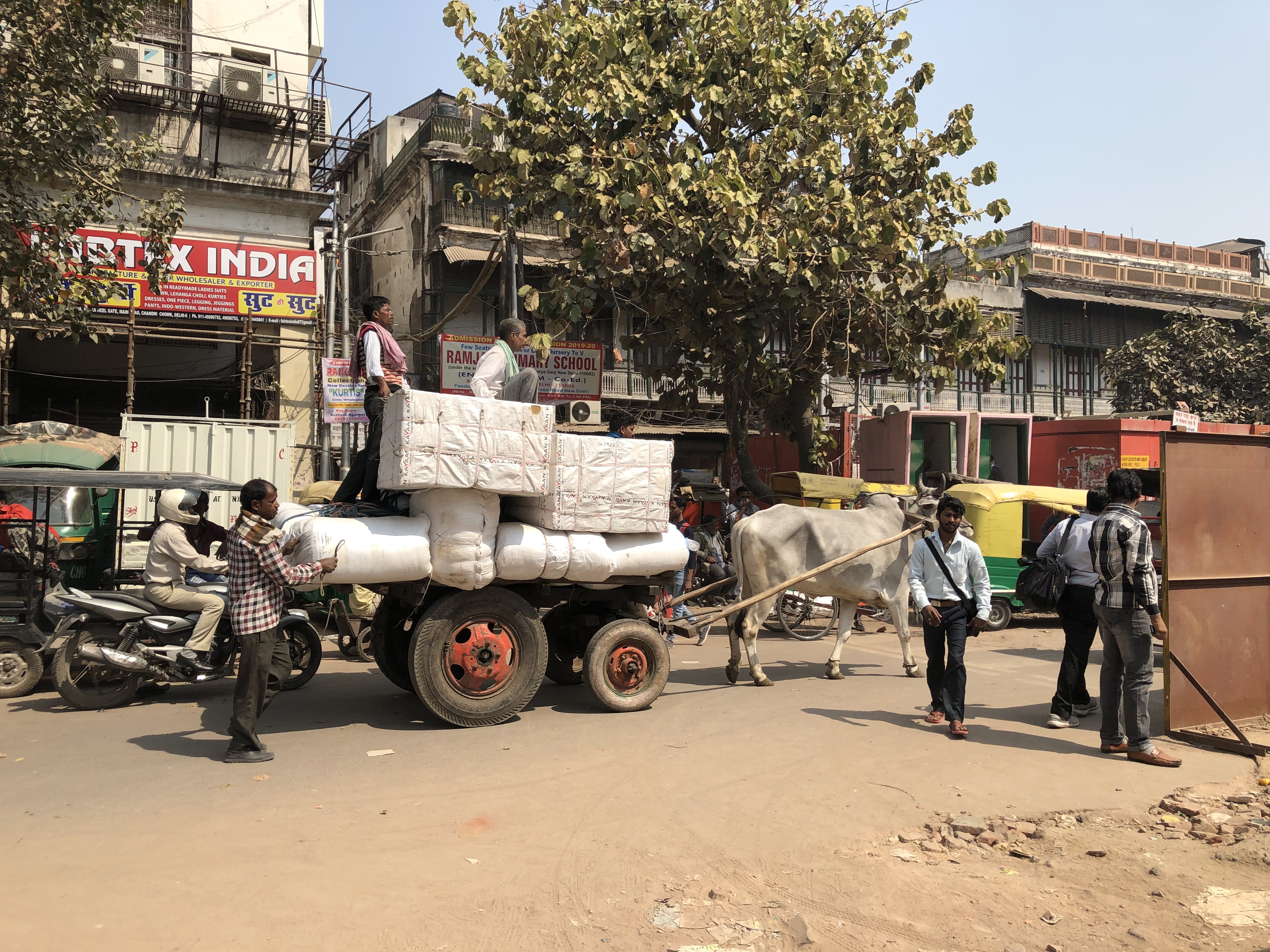
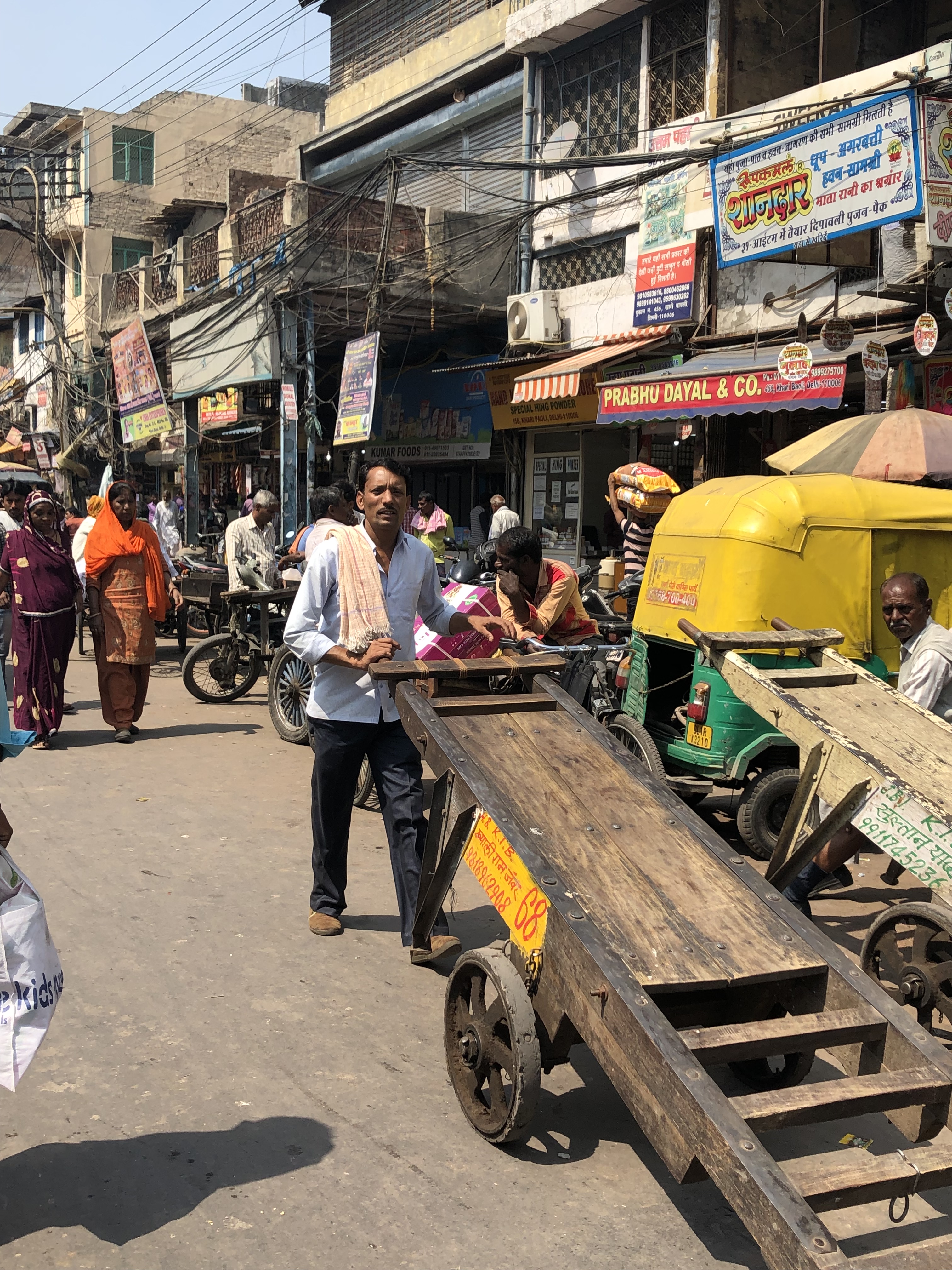
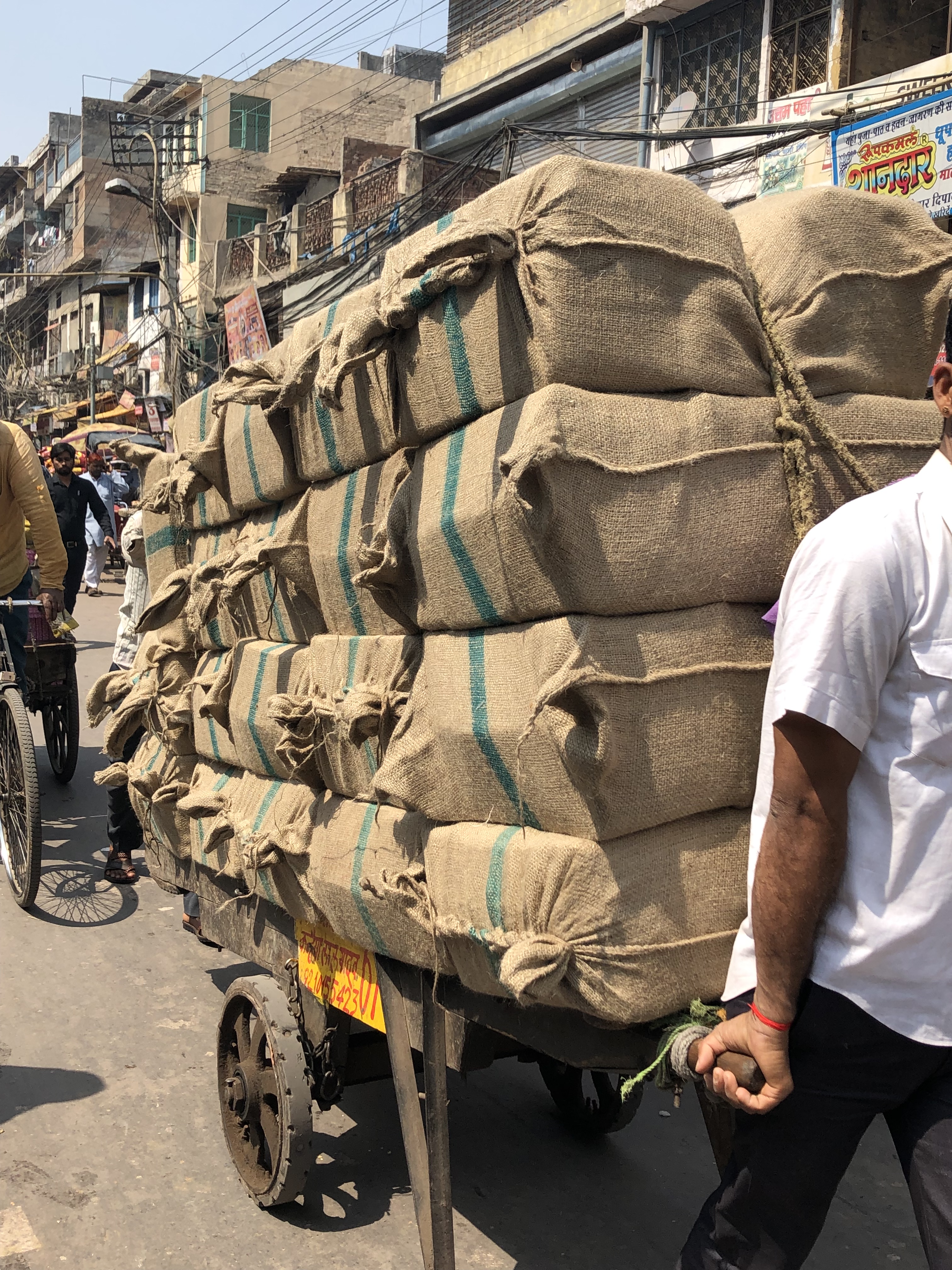
There was something almost surreal in the way tradition and daily necessity seemed to outweigh modern convenience. Wooden carts creaked under the weight of goods, pushed by hand through the throng; cows pulled heavy loads with steady patience; men navigated narrow alleys with techniques that felt unchanged for generations. It wasn’t that technology didn’t exist, it was that here, it didn’t seem to matter. Everyone was so absorbed in the flow of work and trade that there was no pause to question whether things could be easier or more efficient. The market moved the way it always had, driven by human rhythm rather than machines, and somehow, against all odds, it worked.
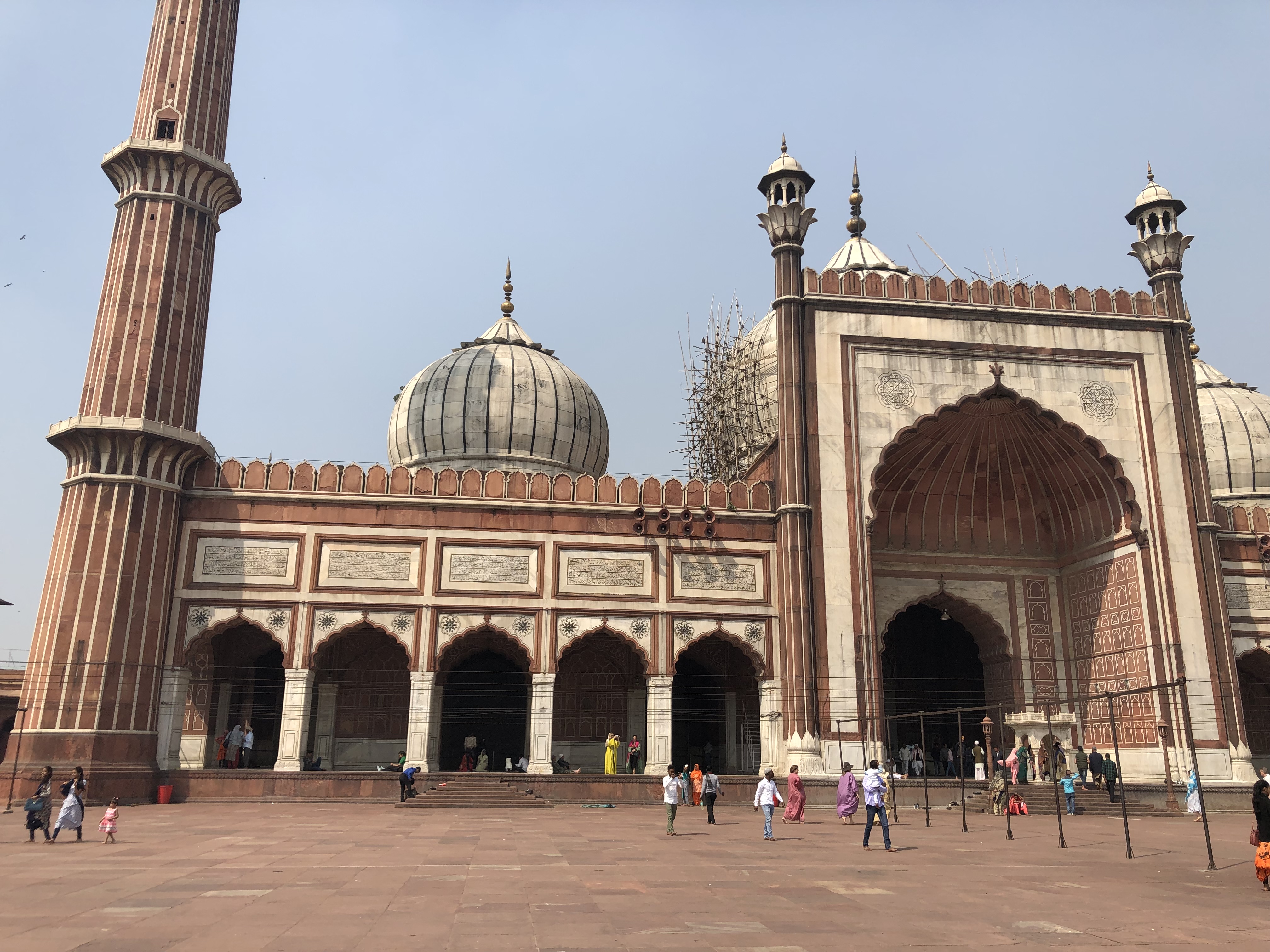
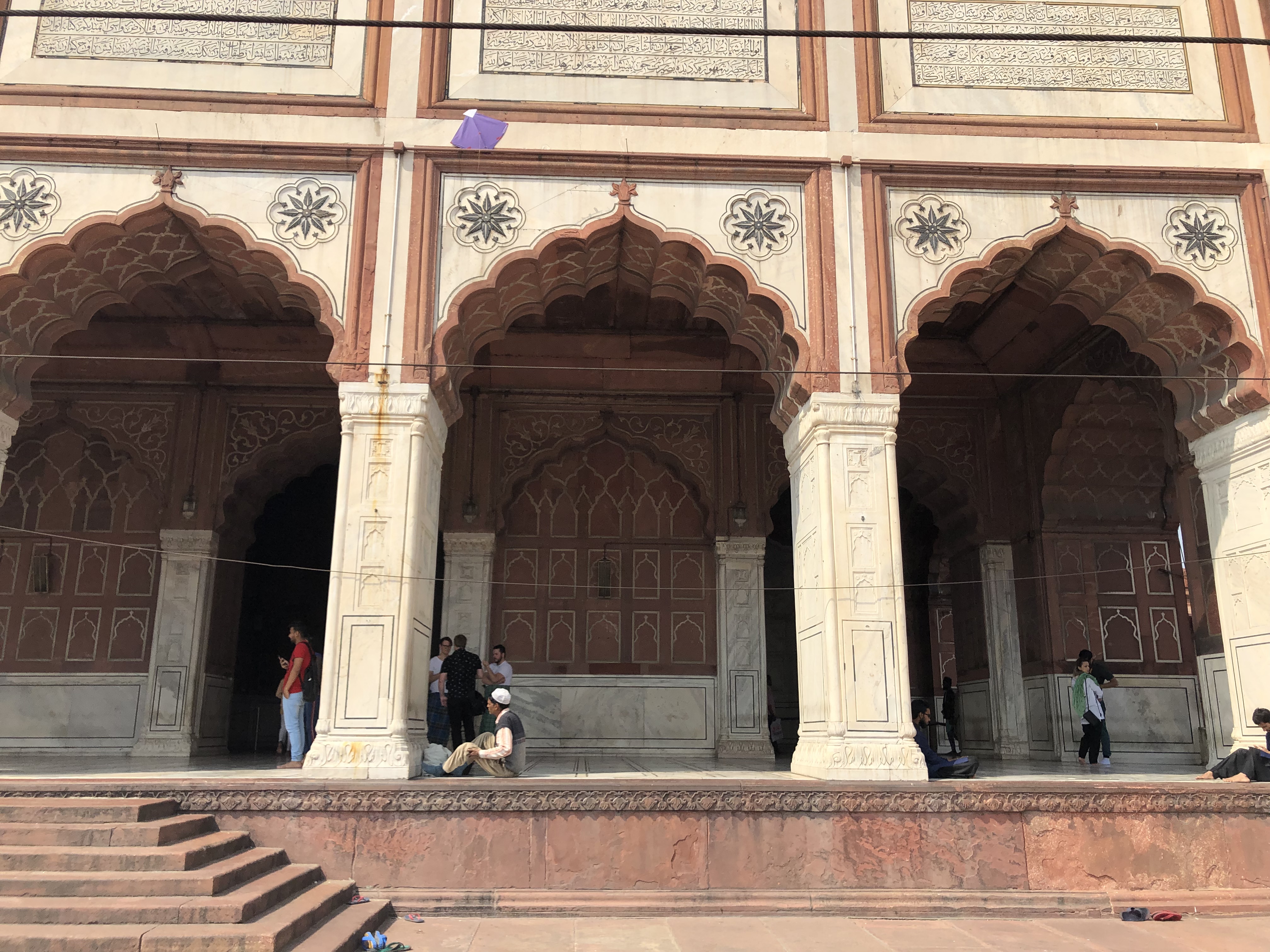
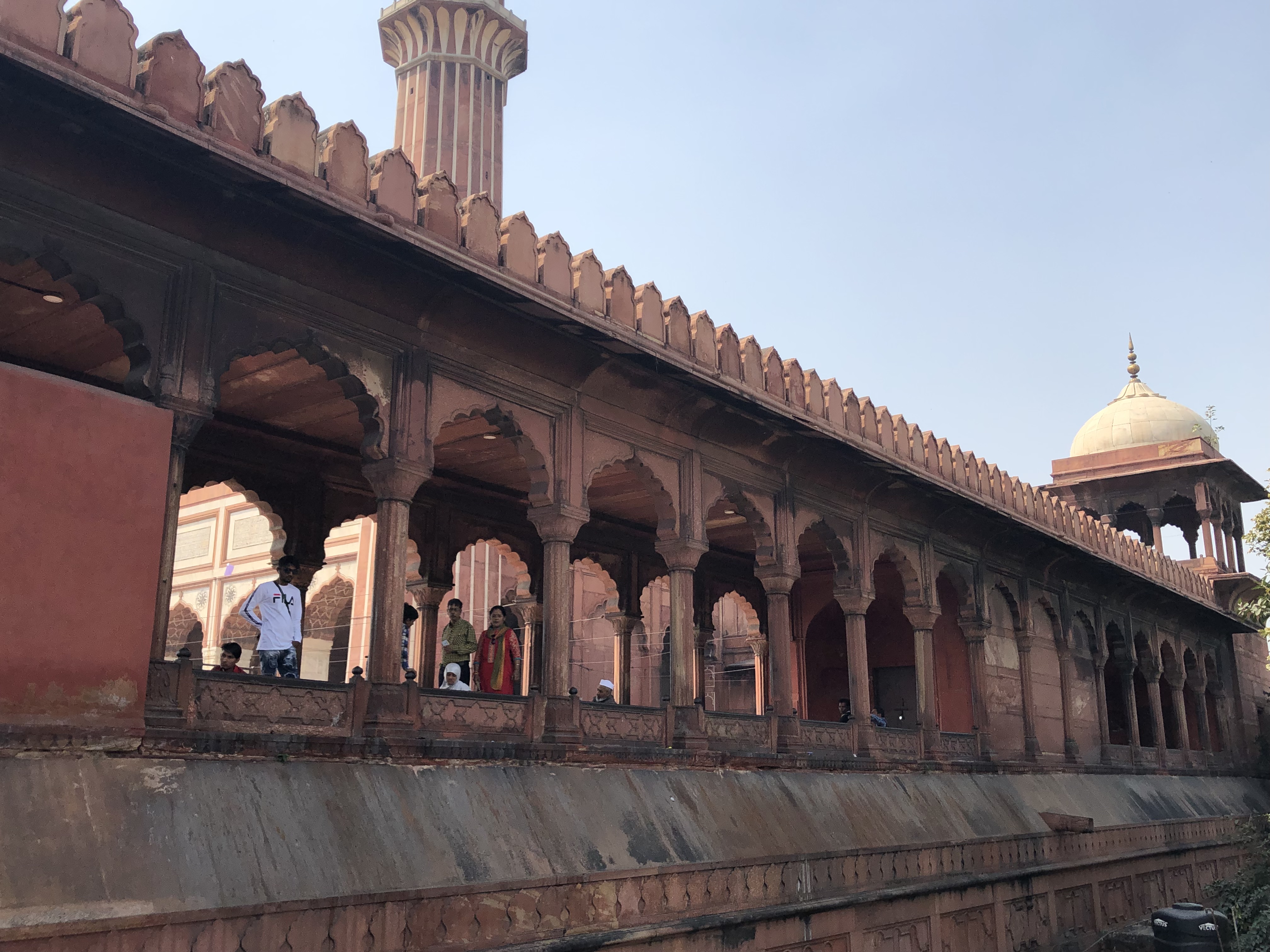
Jama Masjid is one of the largest and most significant mosques in India, built in the 17th century by Mughal Emperor Shah Jahan. It stands as both a spiritual centre and a powerful symbol of Mughal architectural grandeur, overlooking Old Delhi as a reminder of the city’s deep Islamic heritage and layered history. Standing in the vast courtyard of Jama Masjid, I felt a sudden stillness amidst the frenzy, a moment to take it all in from above the noise.
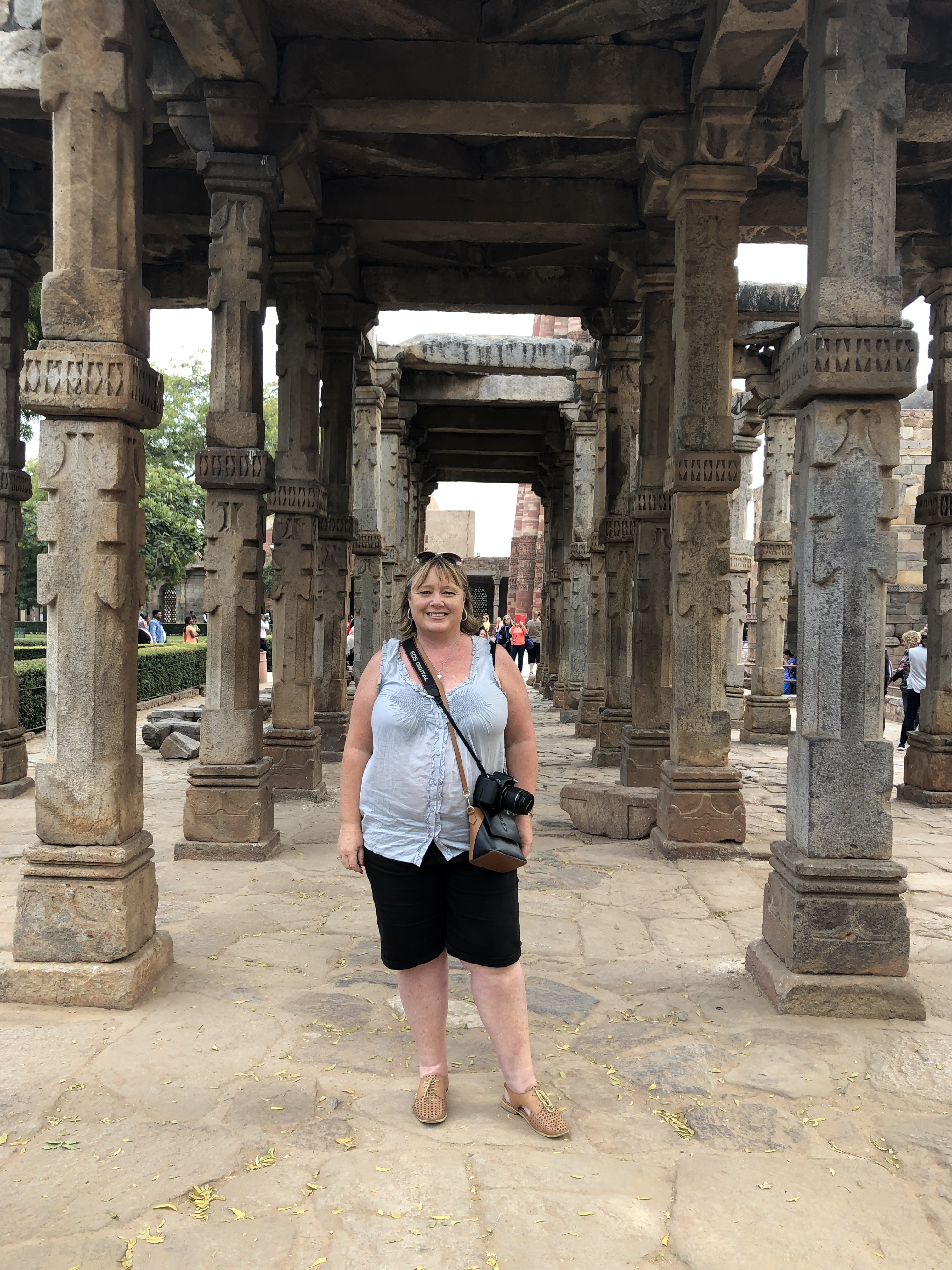
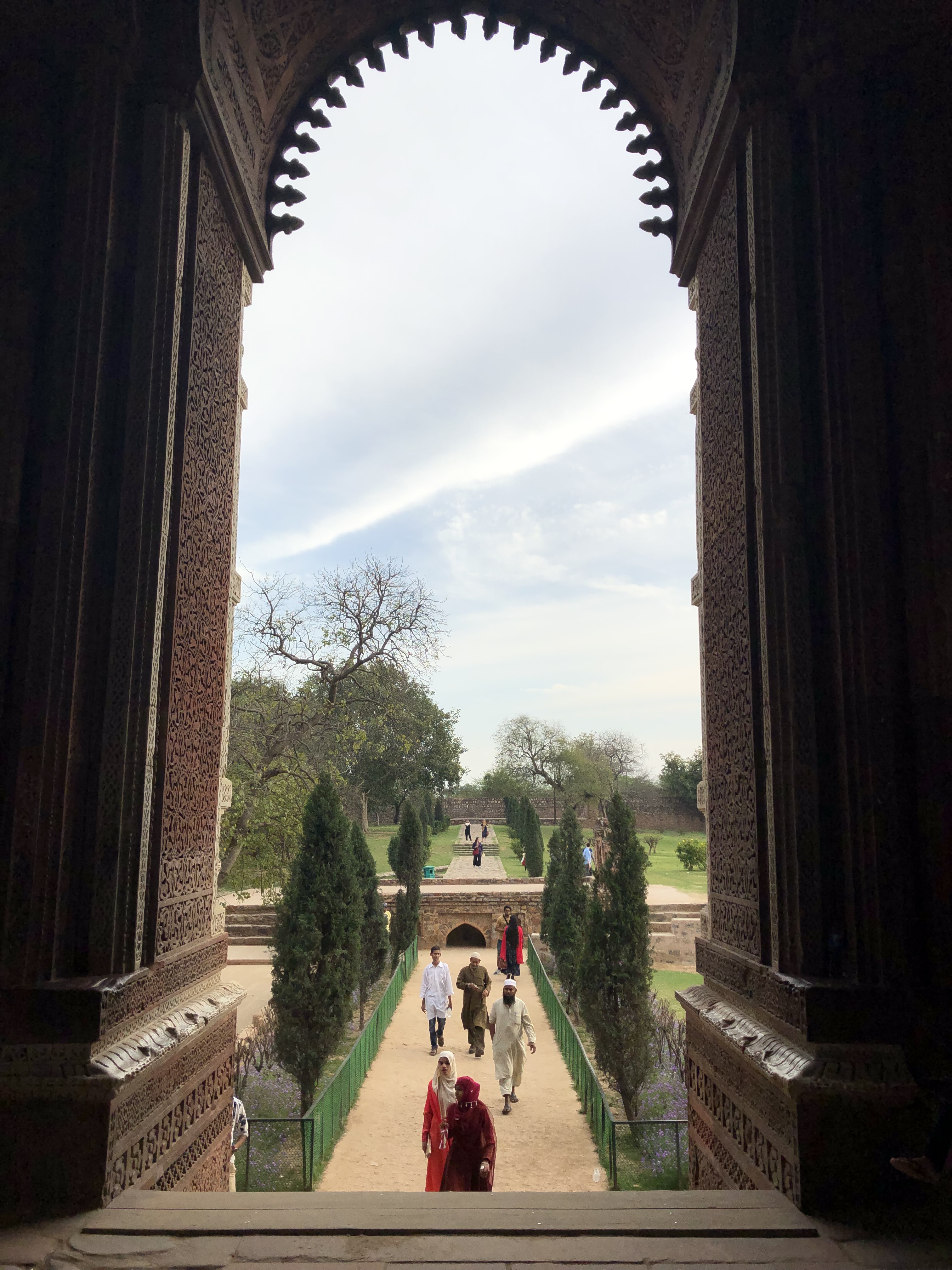
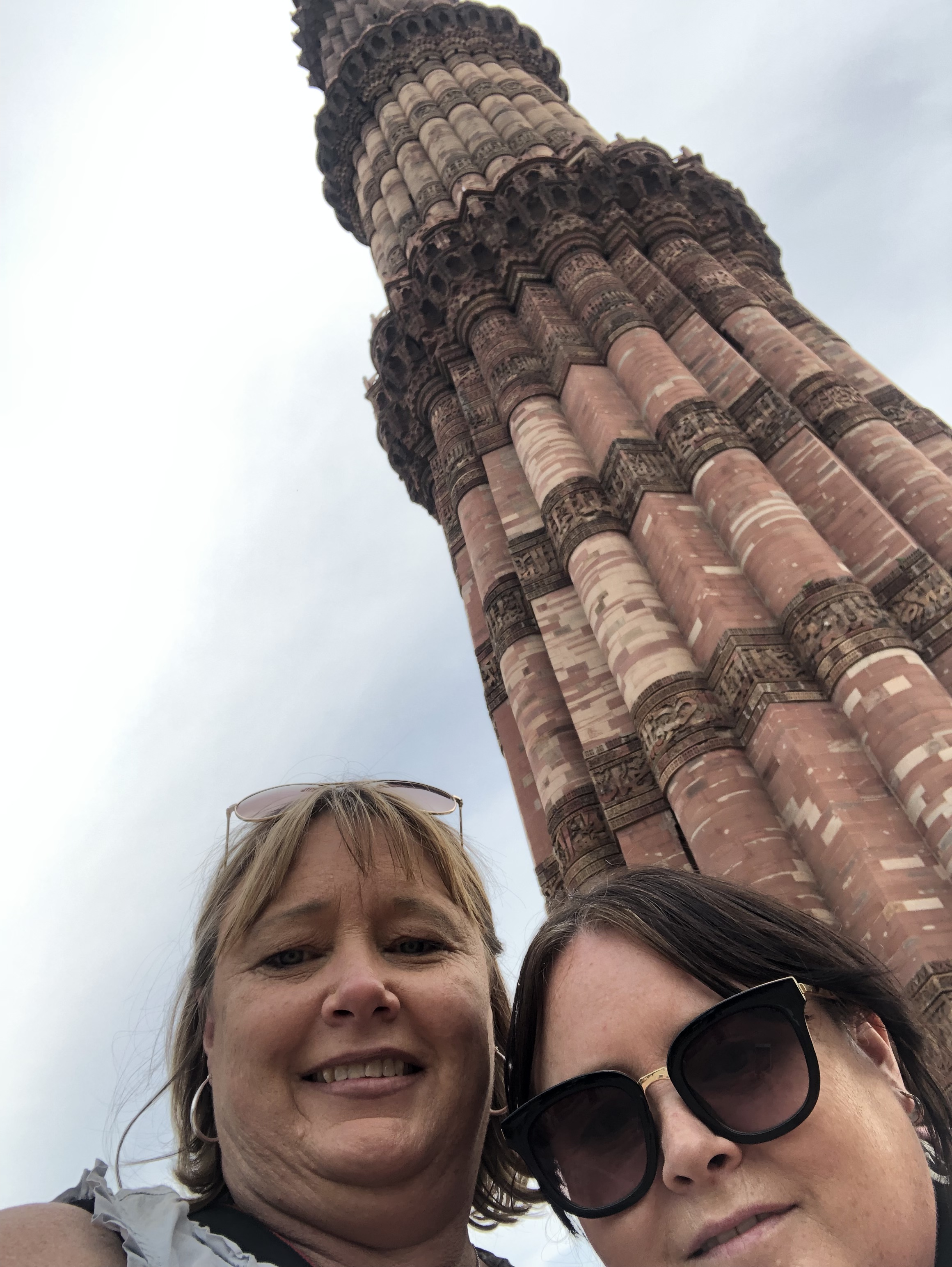
Later, at the Qutub Complex, history rose in stone around me, intricate carvings and towering minarets telling stories that stretched back centuries. Qutub Complex is a UNESCO World Heritage Site and one of the earliest surviving examples of Indo-Islamic architecture in India. Dominated by the towering Qutub Minar, it marks the beginning of Muslim rule in Delhi and stands as a striking blend of conquest, craftsmanship, and centuries of layered history etched into stone.
Agra
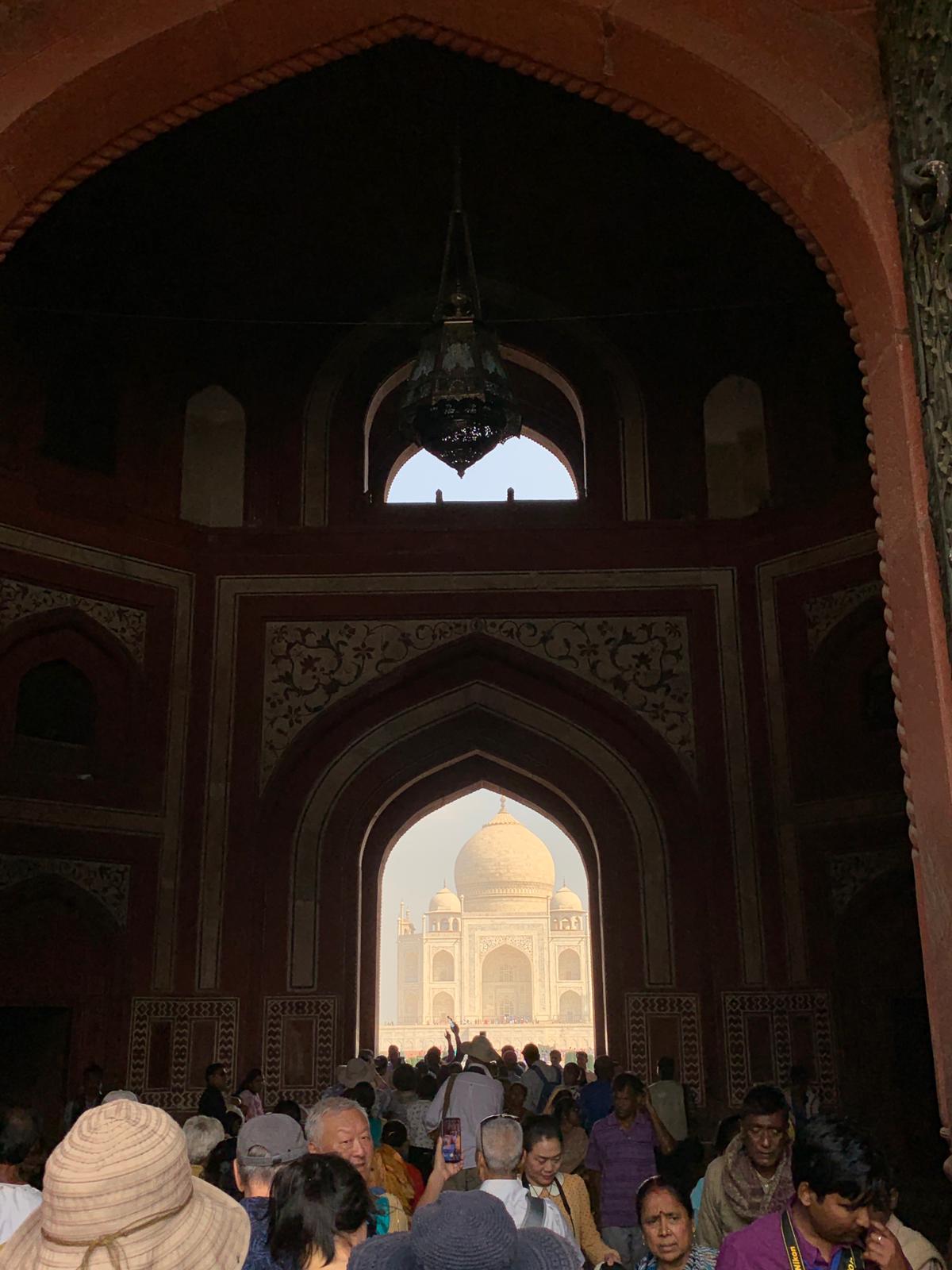
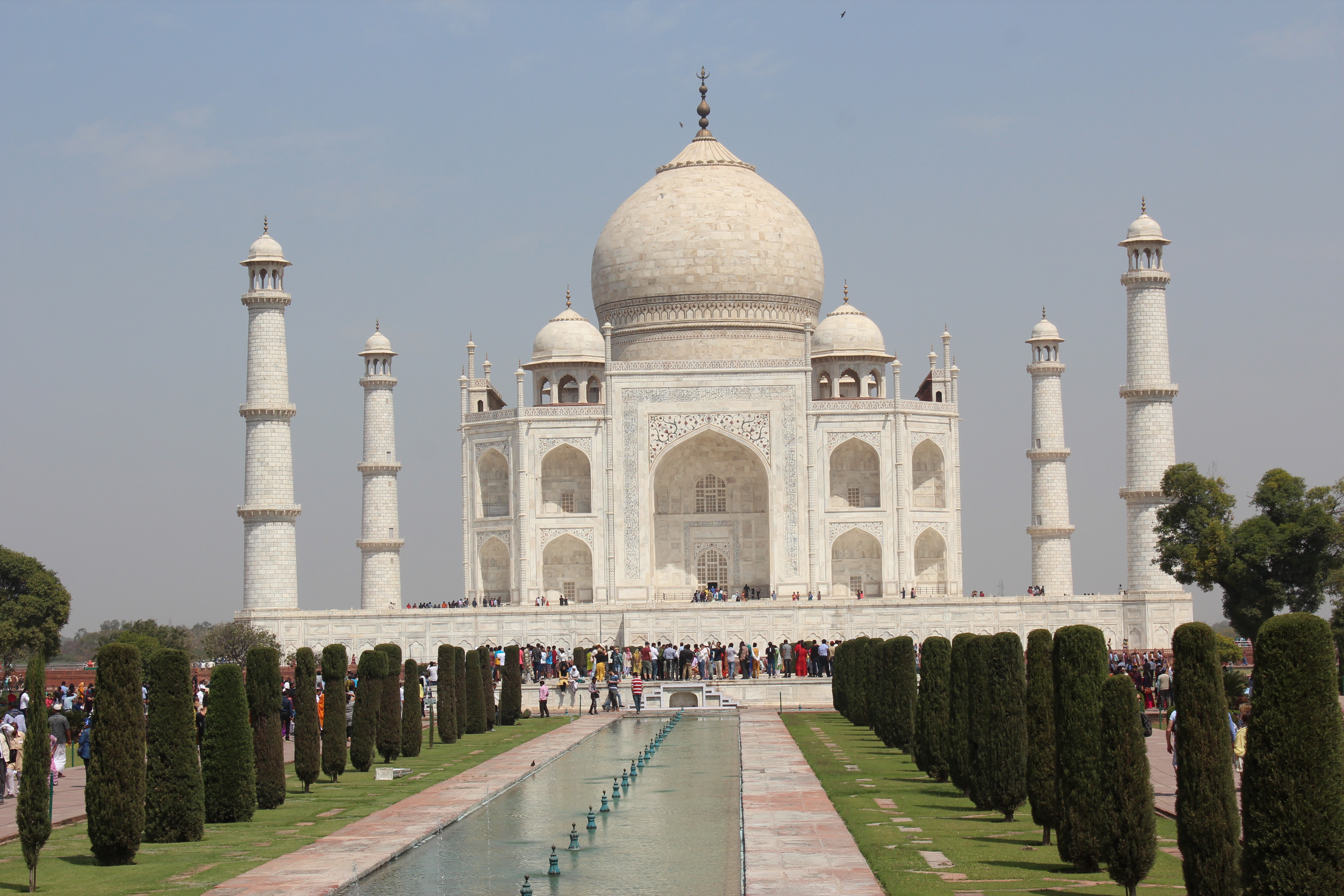
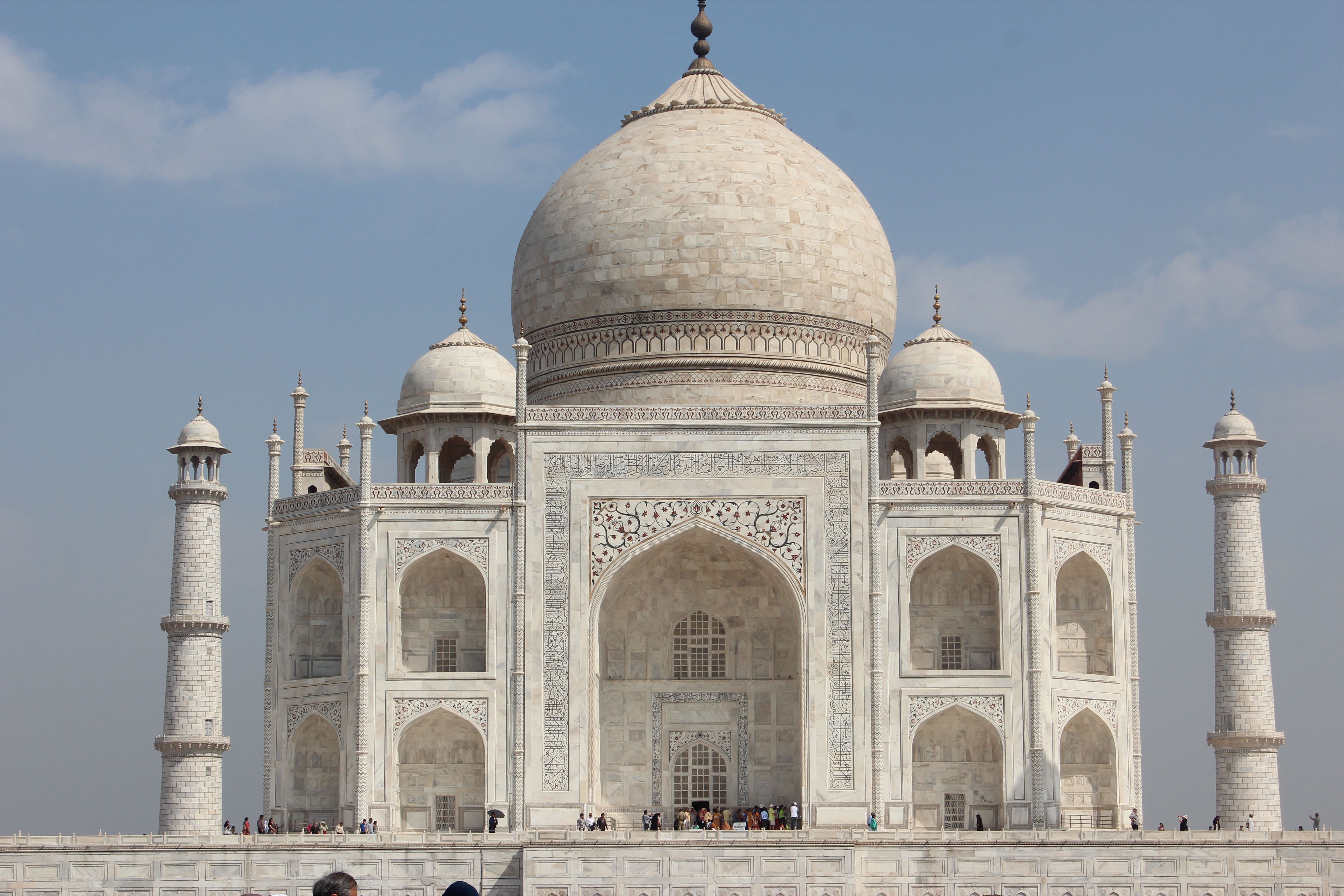
Agra felt quieter than Delhi, but no less powerful in its presence. It is a city shaped by history so immense that you feel it before you even see it. The first glimpse of the Taj Mahal was almost disorienting in its perfection, its white marble glowing in the light, as if it didn’t quite belong to the same world as everything around it. Built by Mughal Emperor Shah Jahan as a tomb for his wife Mumtaz Mahal, it is not just a monument to love, but also a masterpiece of symmetry, craftsmanship, and devotion that has come to symbolise India itself to much of the world. Standing before it, there is a strange stillness, as though time briefly pauses to acknowledge something eternal.
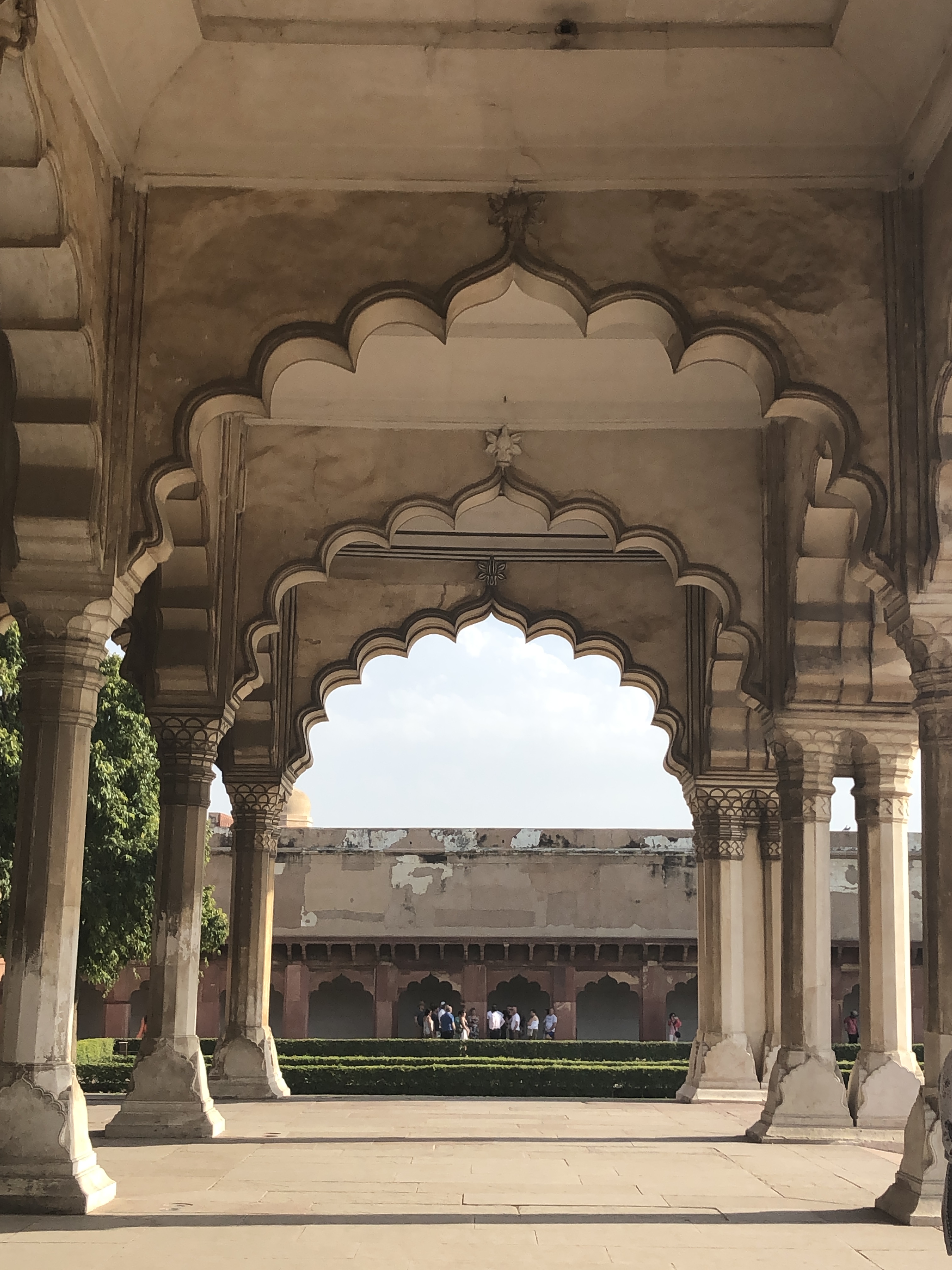
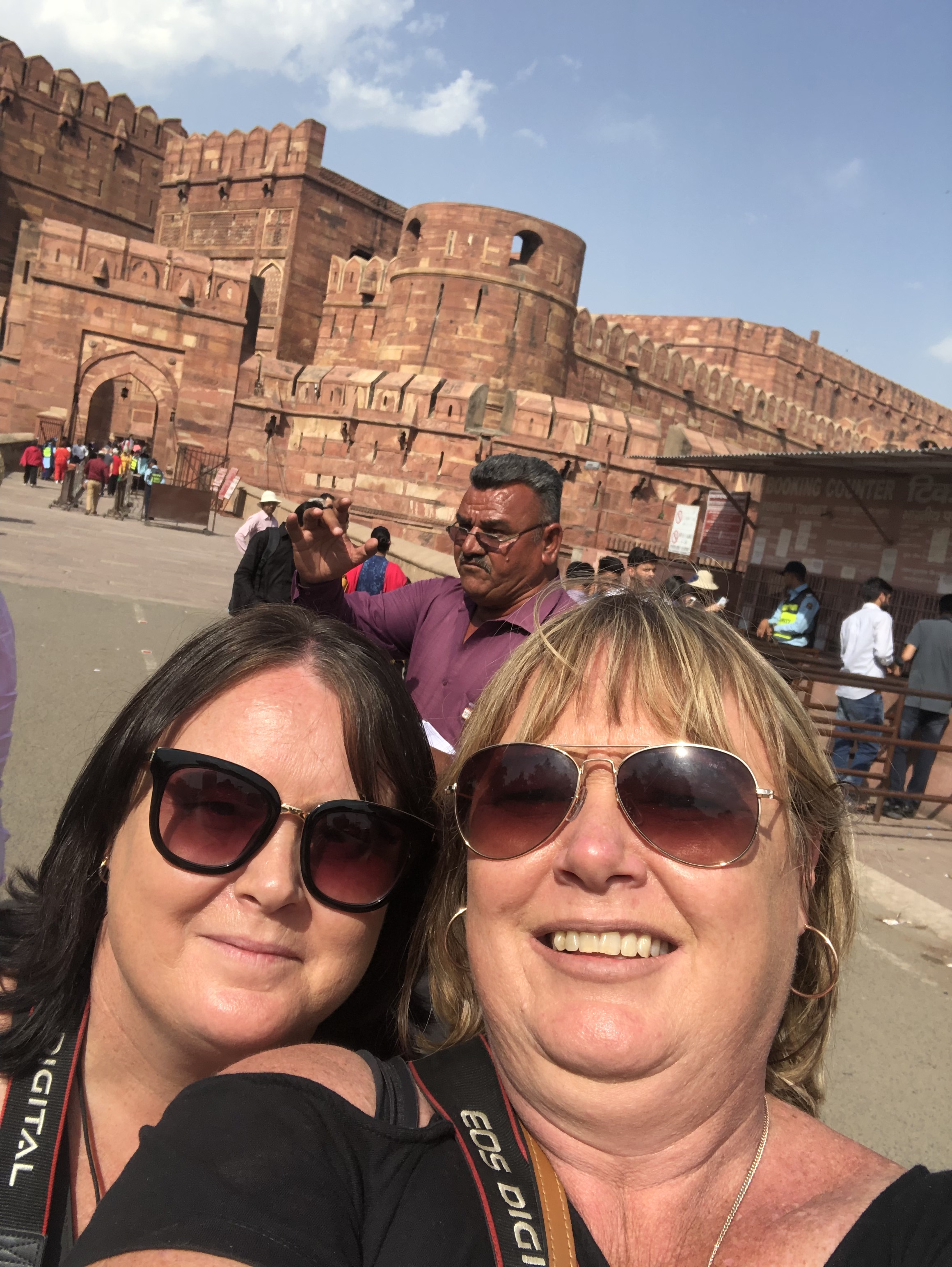
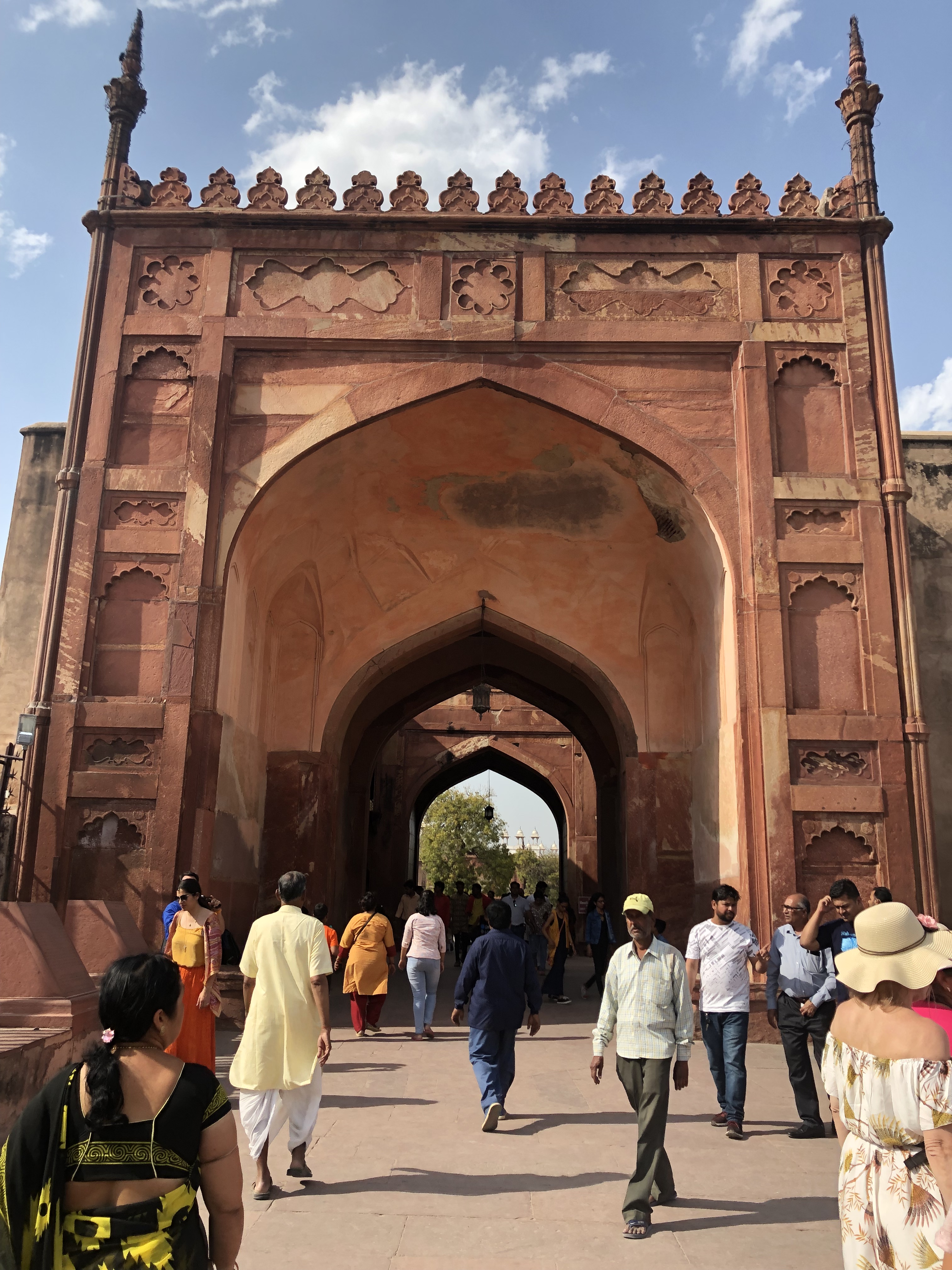
Not far away, the Agra Fort tells a different story, one of power, politics, and empire. A vast red sandstone fortress that once served as the main residence of the Mughal emperors, it feels more grounded, more imposing. Within its walls lie palaces, halls, and courtyards that once held the workings of an empire at its height. It was also here that Shah Jahan was later imprisoned by his own son, spending his final years gazing at the Taj Mahal in the distance. Together, the Taj Mahal and Agra Fort feel like two halves of the same story: one of love immortalised in marble, the other of power that is always, eventually, fleeting.
Jaipur
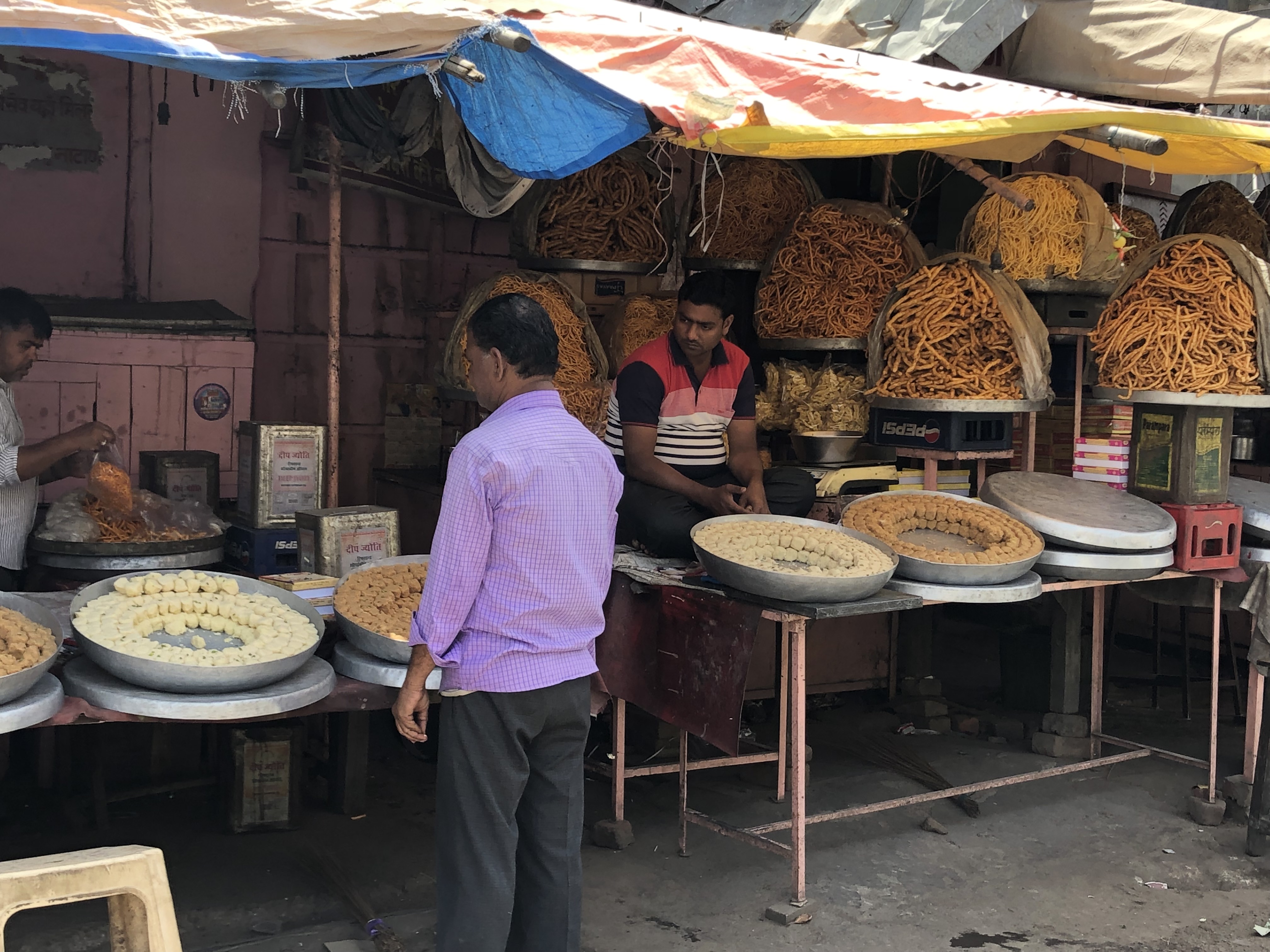
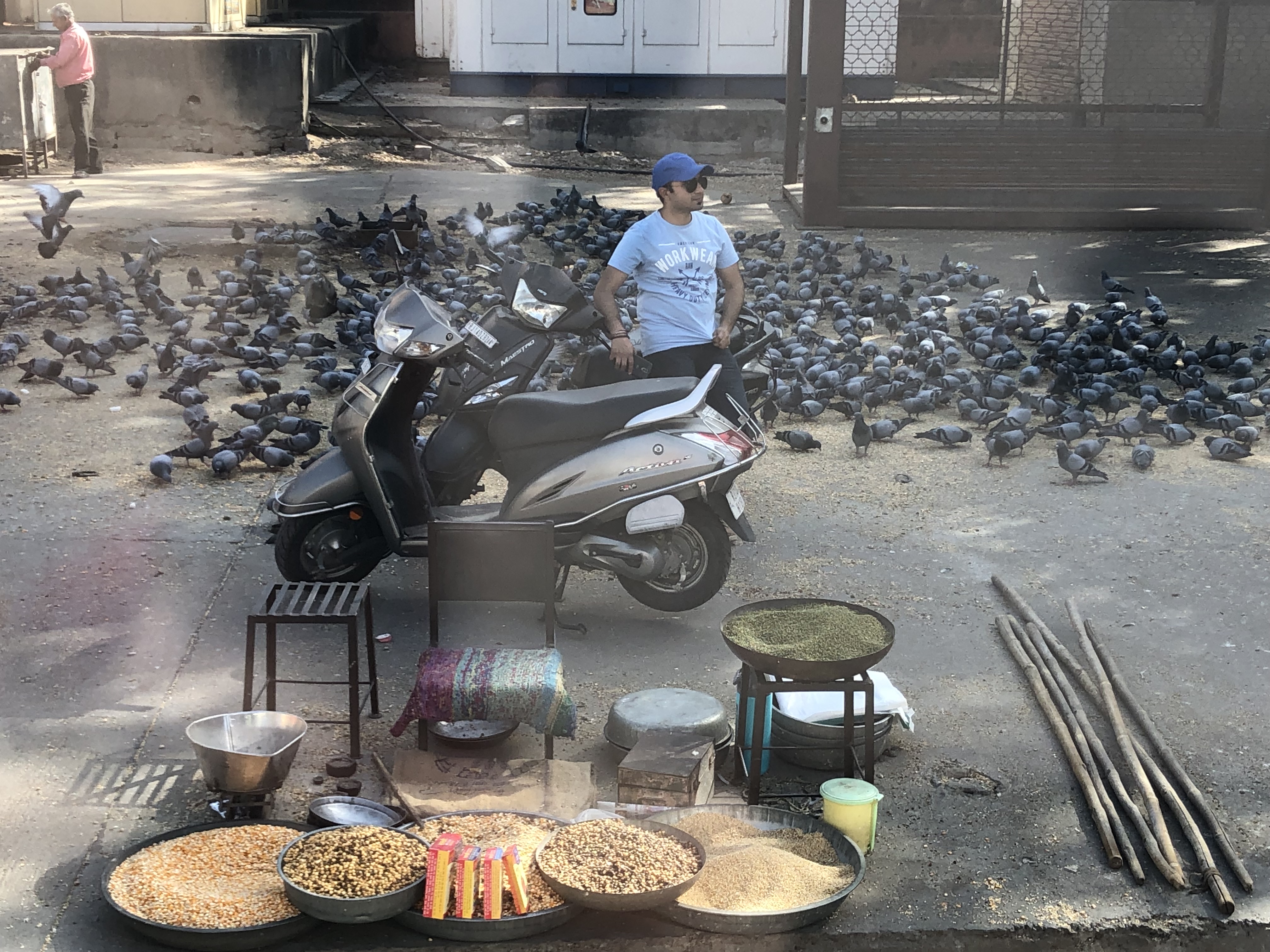
Jaipur felt like a city painted in warm colour and constant motion. The streets were alive with movement and sound, and once again it was the street food that drew me in first, spices sizzling on hot plates, sweet and savoury flavours offered from carts that felt like part of the city’s rhythm rather than separate from it. Every corner seemed to invite you to stop, taste, and linger a little longer.
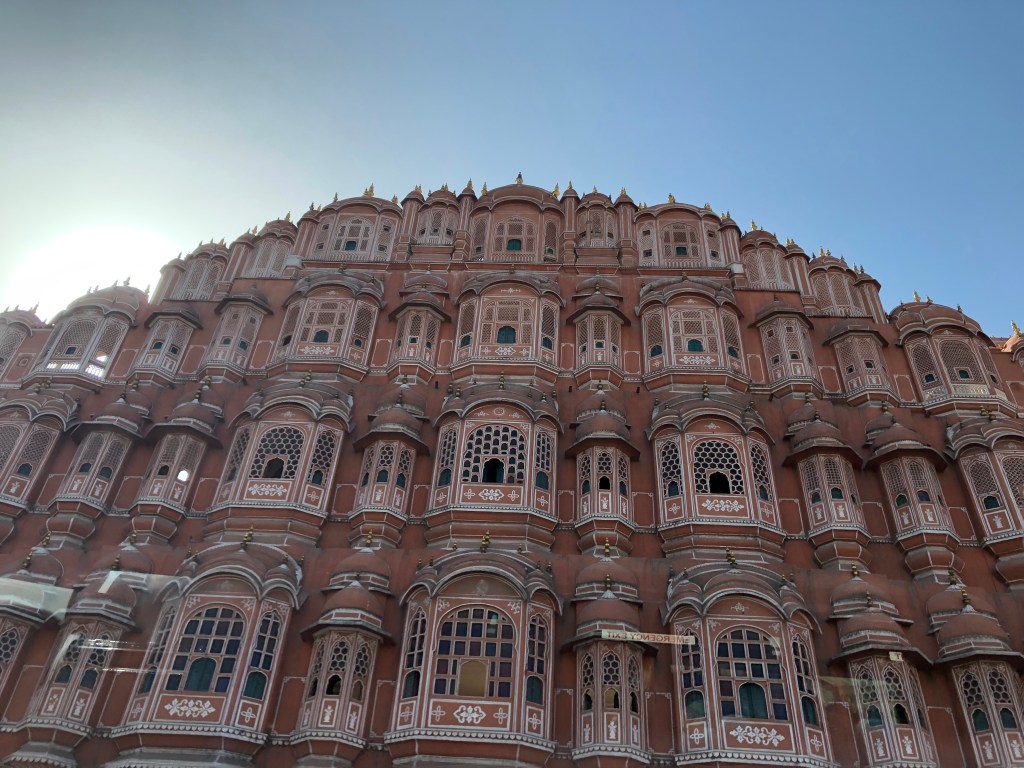
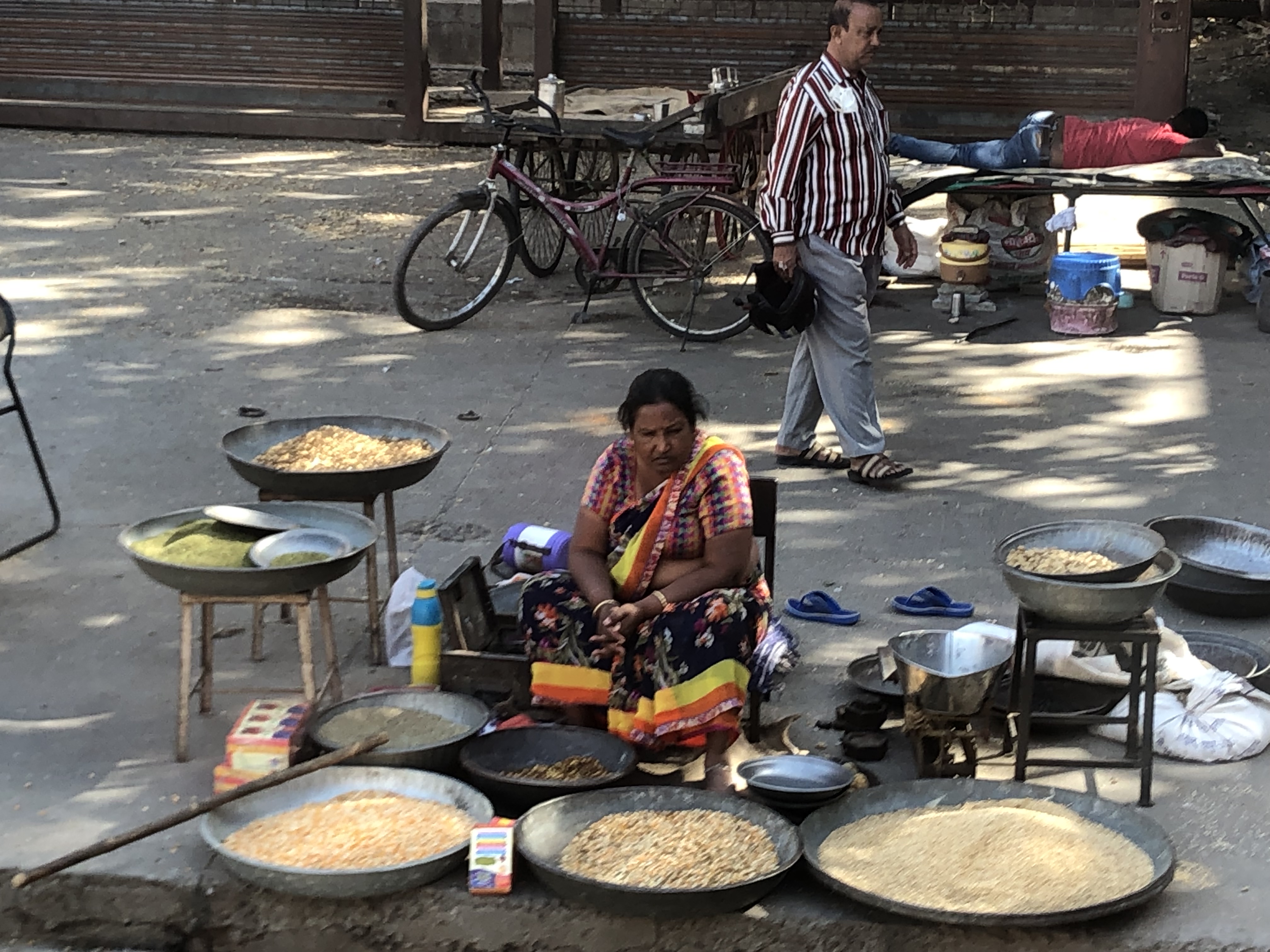
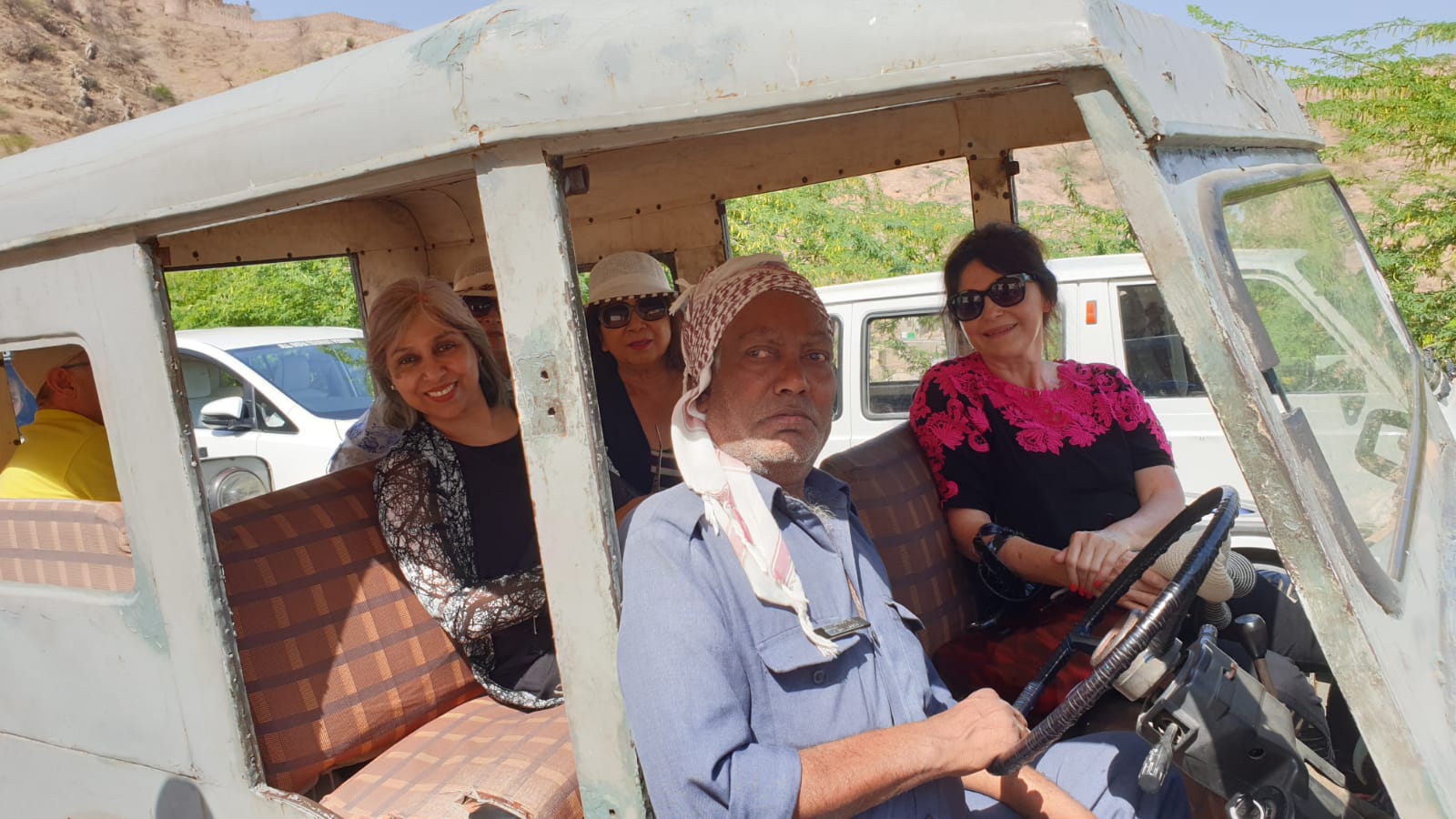
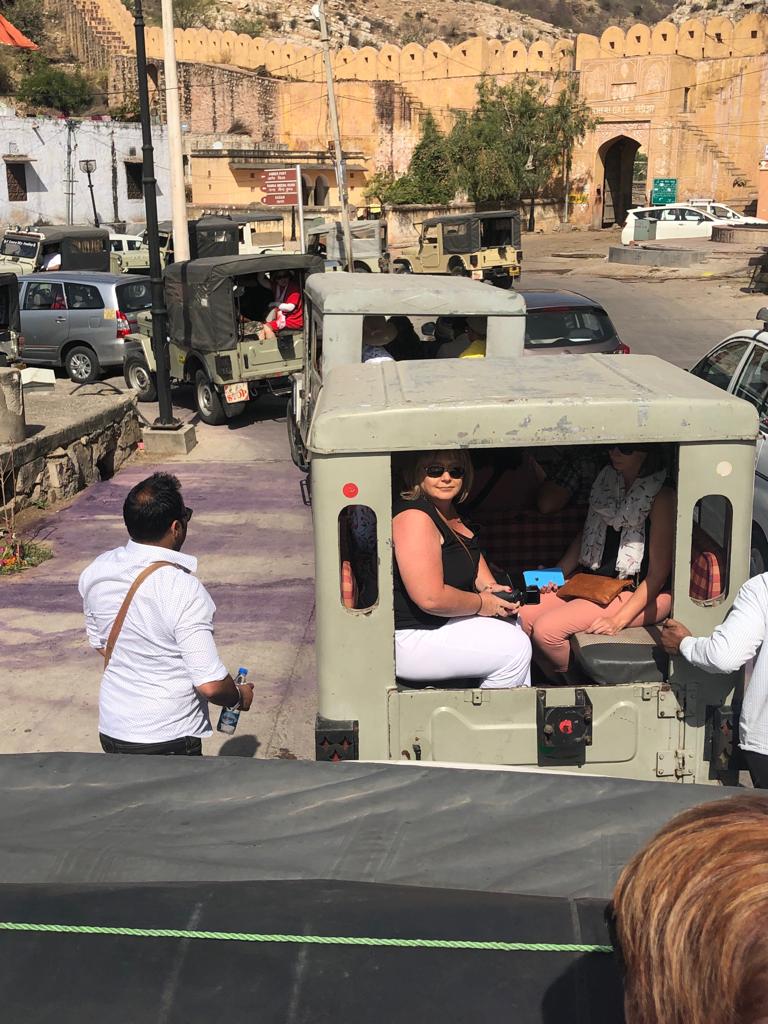
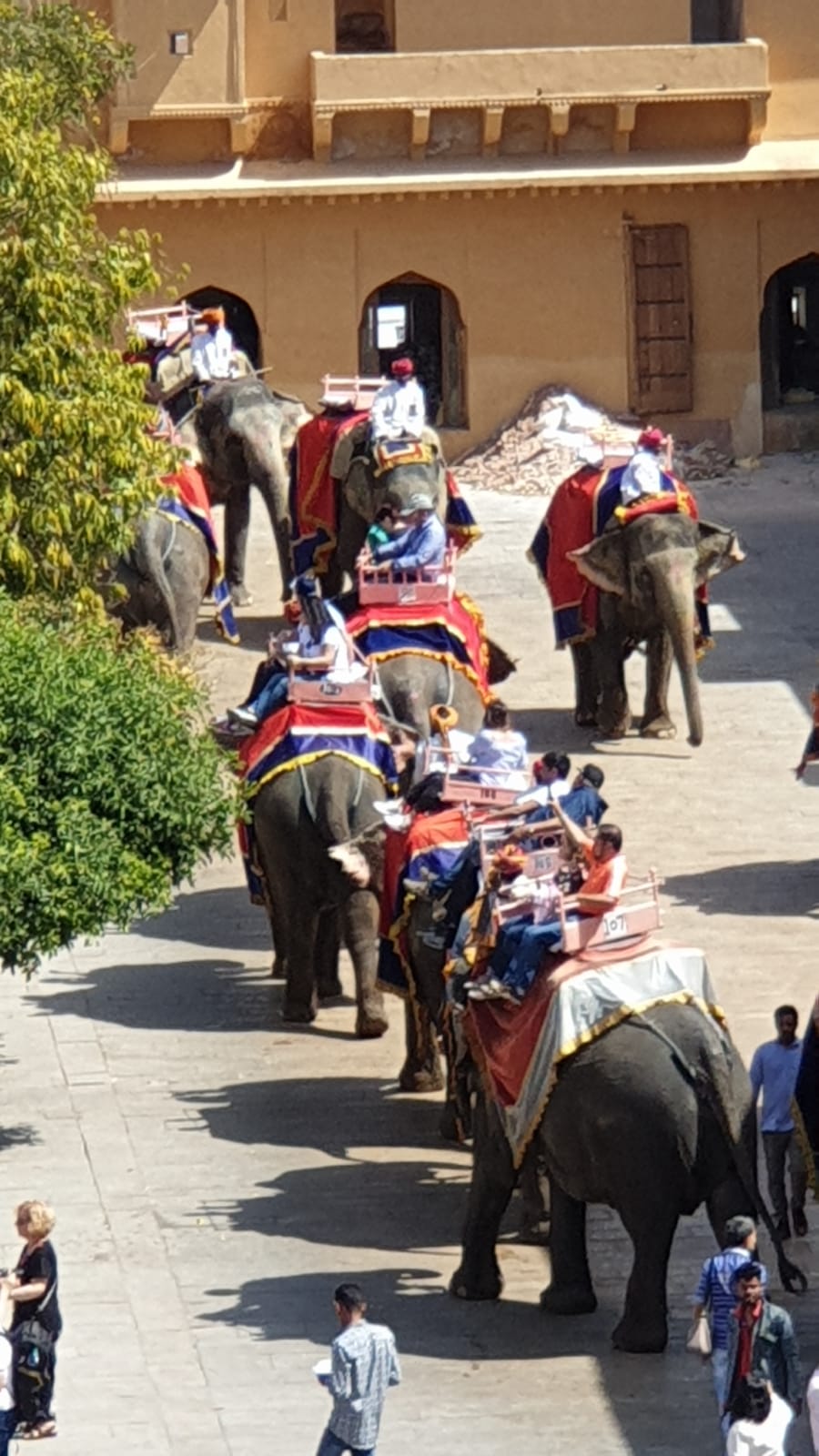
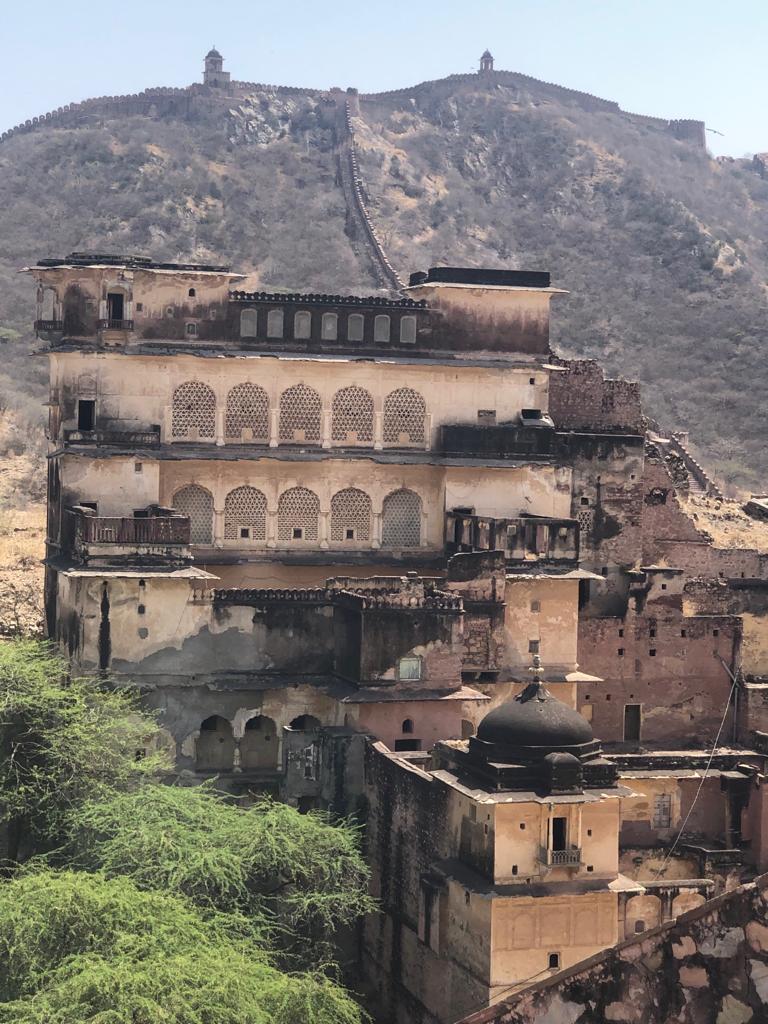
The journey up to Amber Fort was unforgettable. Built high on the surrounding hills, it once served as a royal stronghold of the Rajput rulers, symbolising both military strength and artistic grandeur. The jeep ride up the winding path added a modern rush to an ancient place, dust rising behind us as the fort slowly revealed itself, vast and commanding against the landscape. Inside, its courtyards and mirrored halls spoke of a time when kings and courtiers moved through these spaces with ceremony and power.
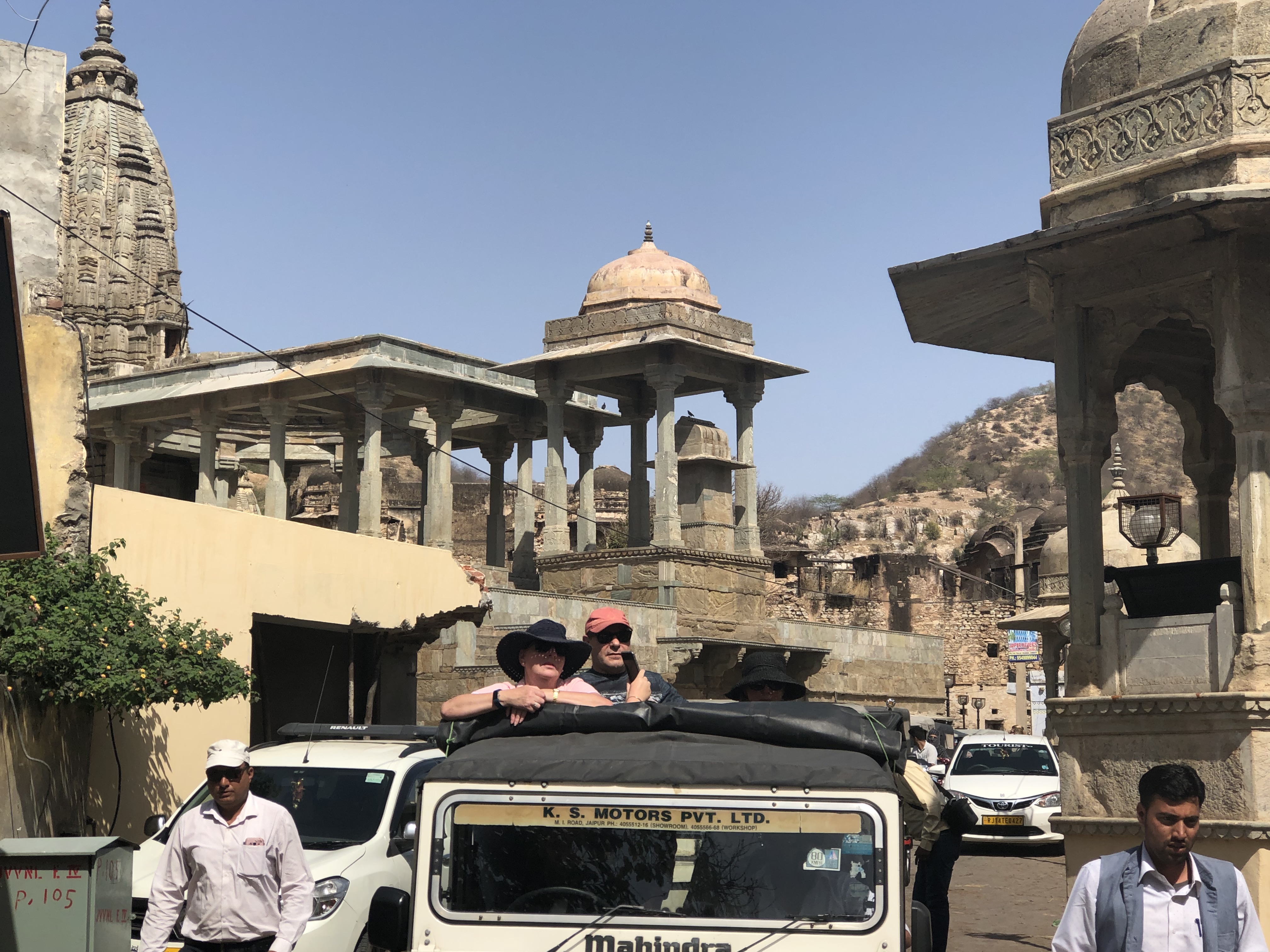
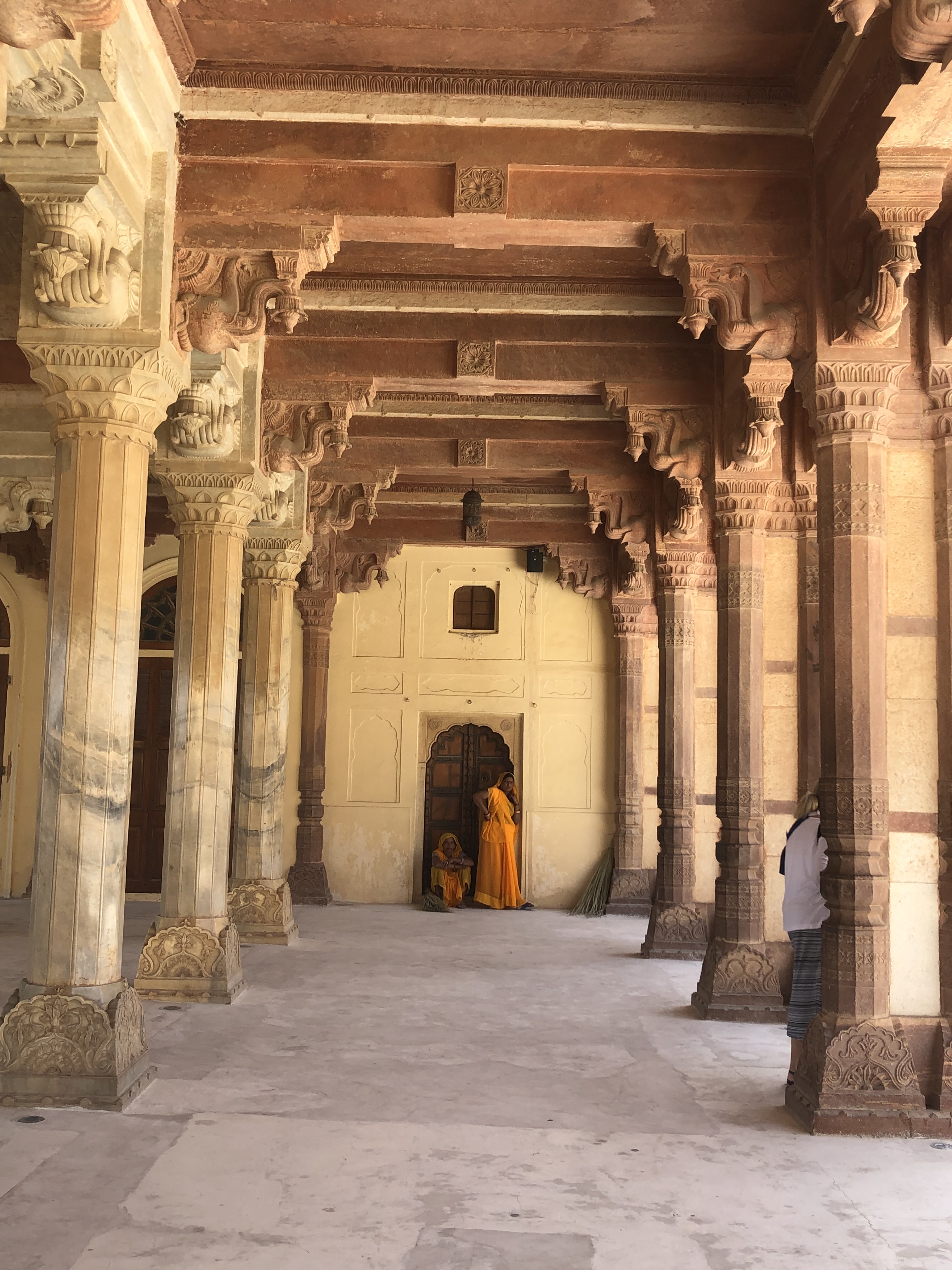
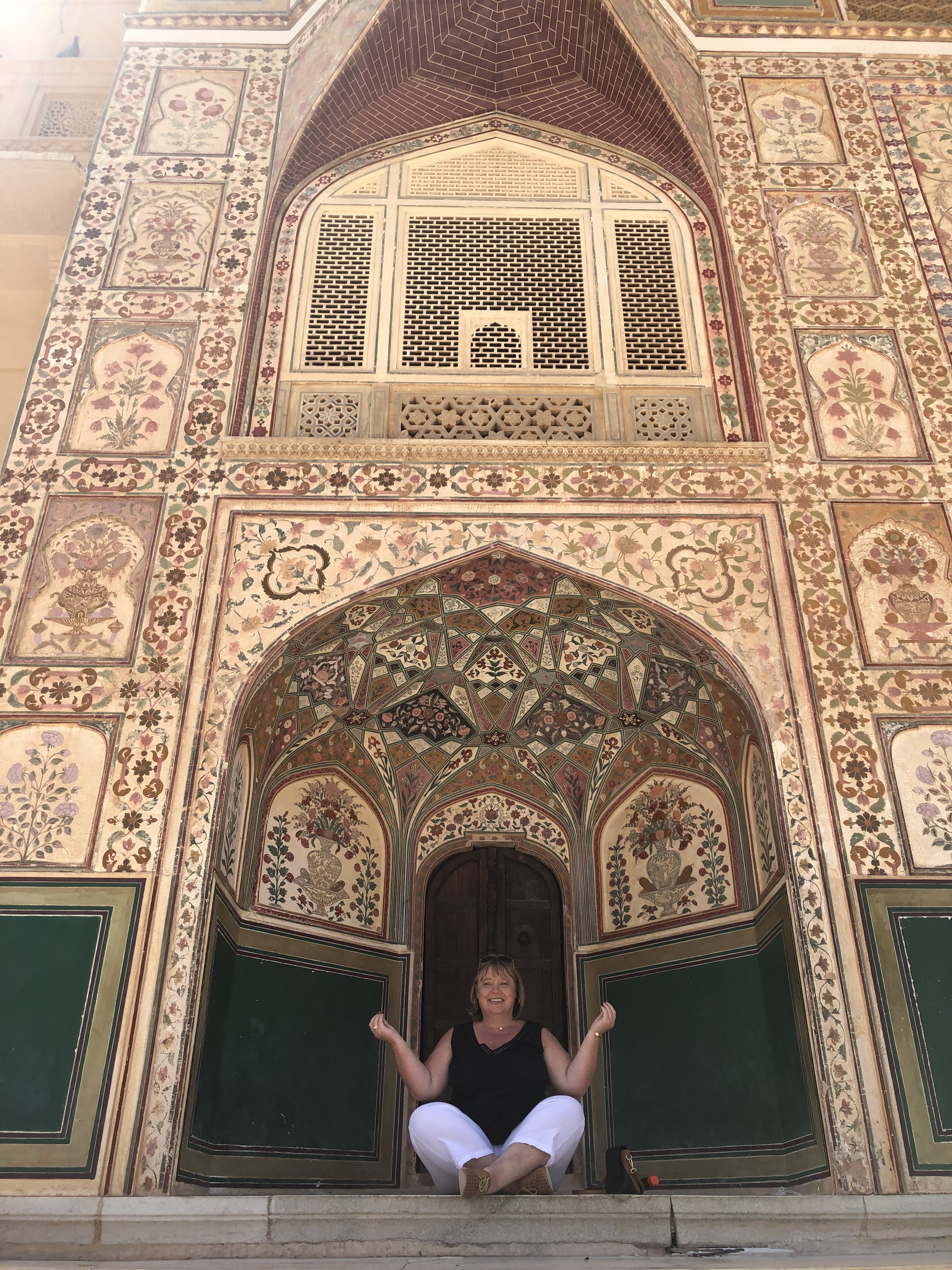
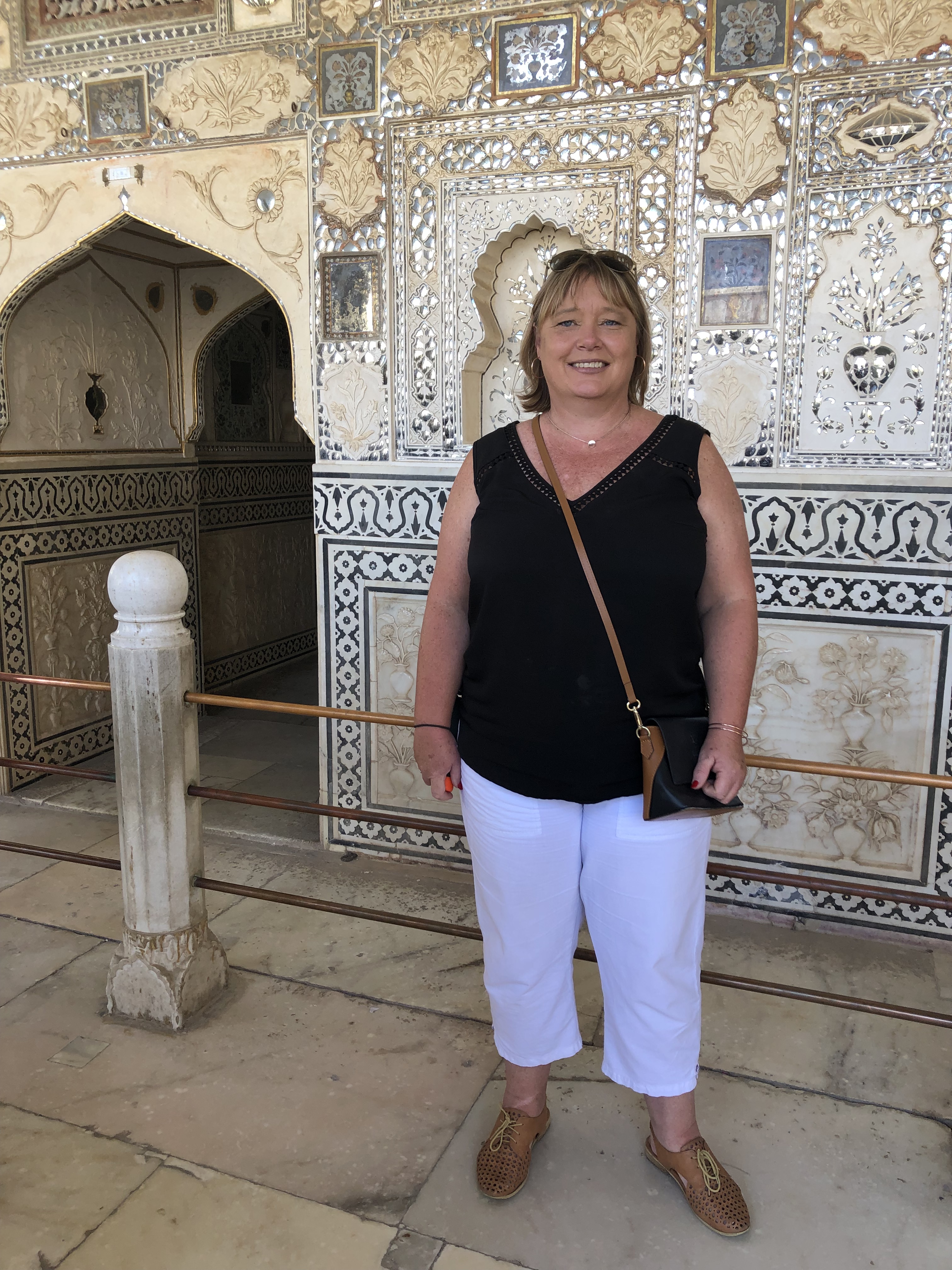
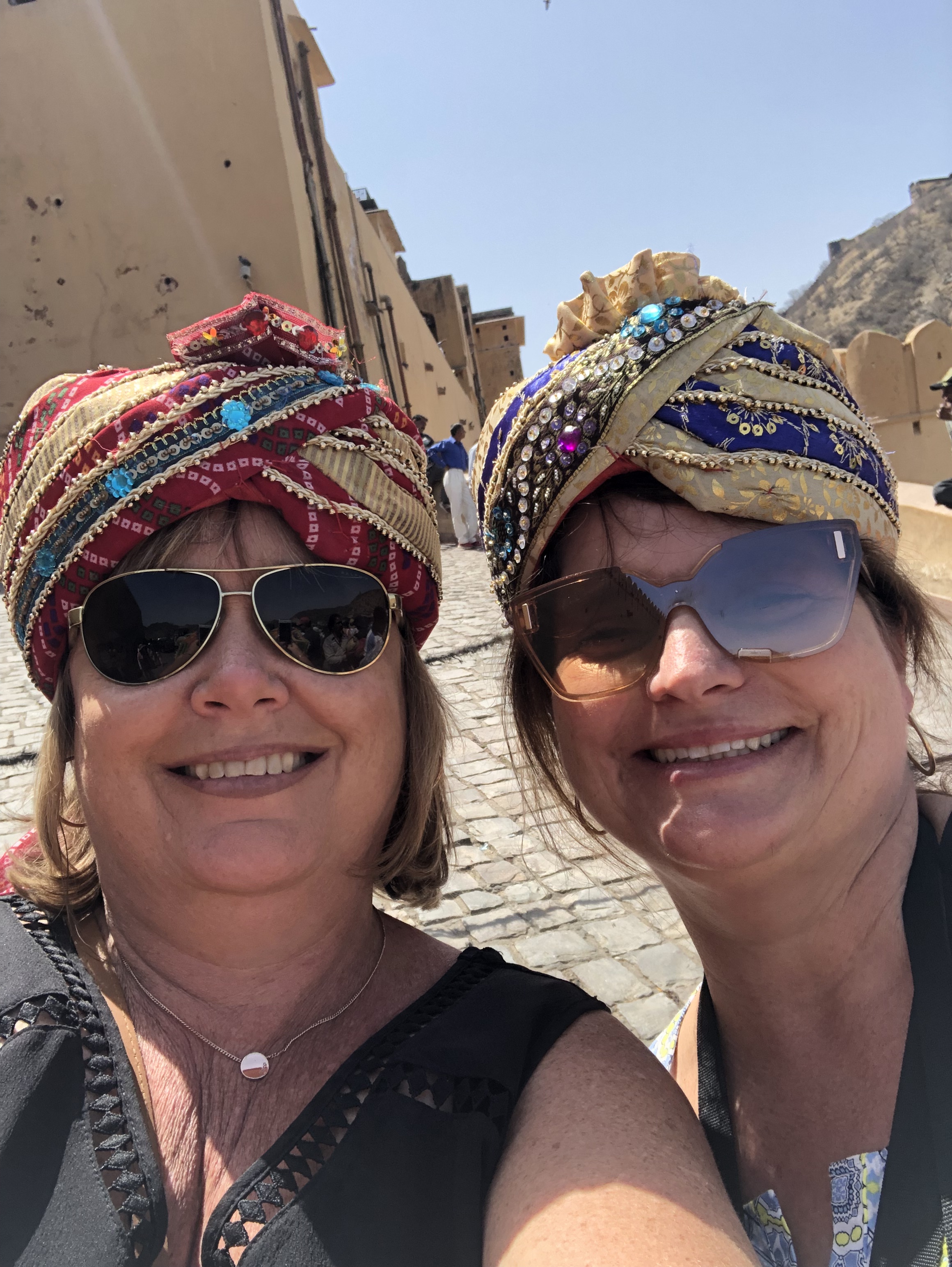
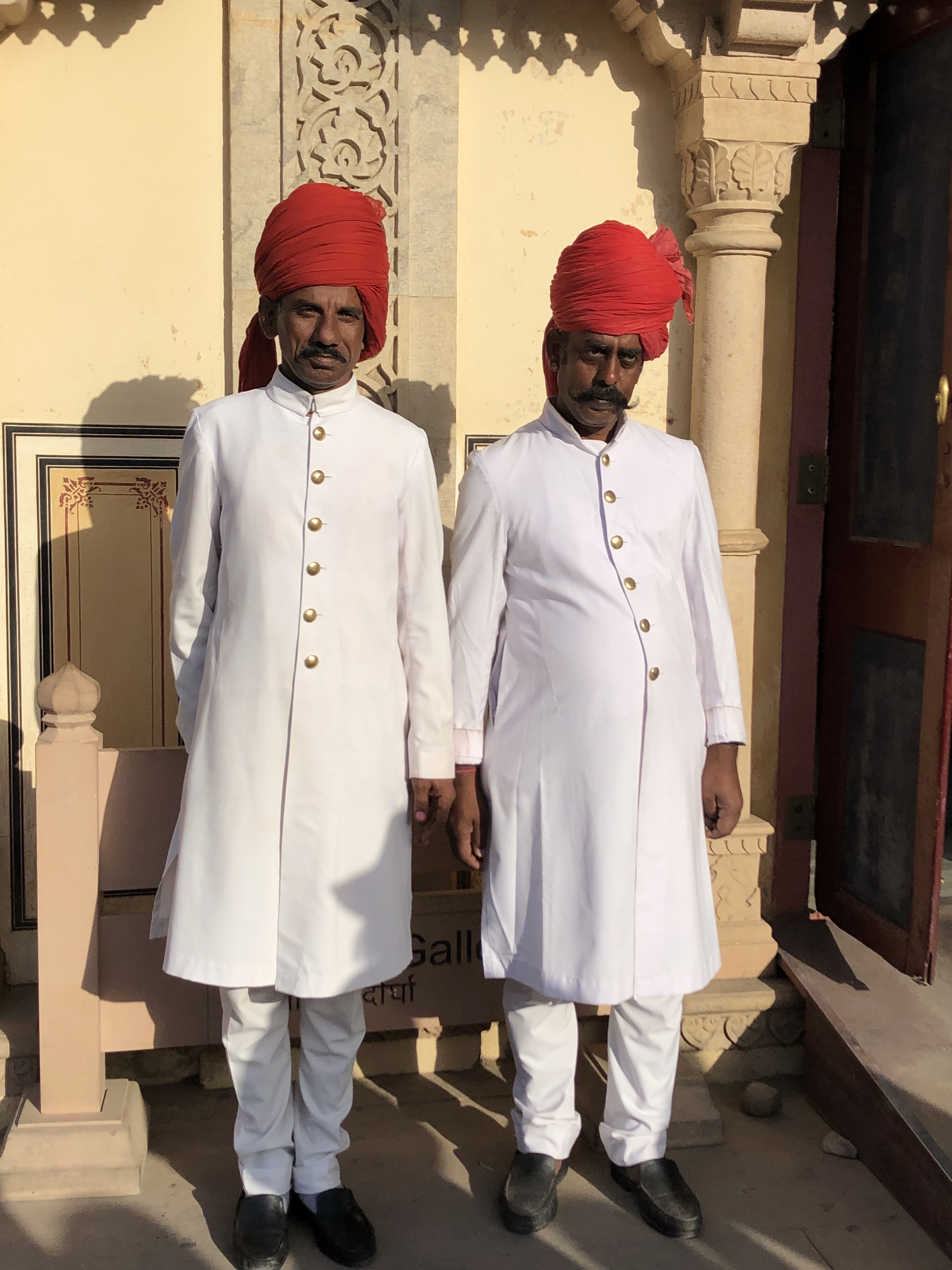
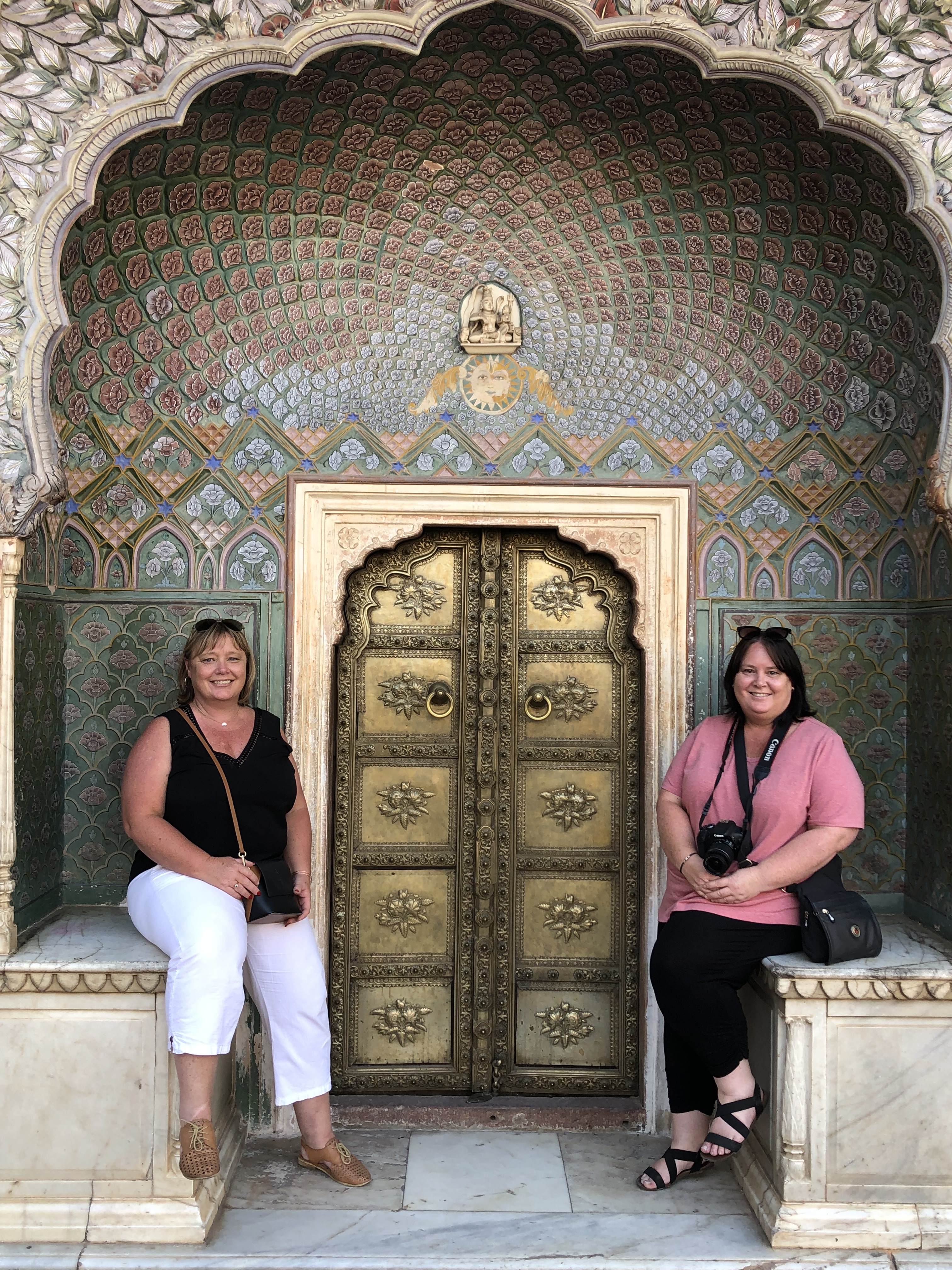
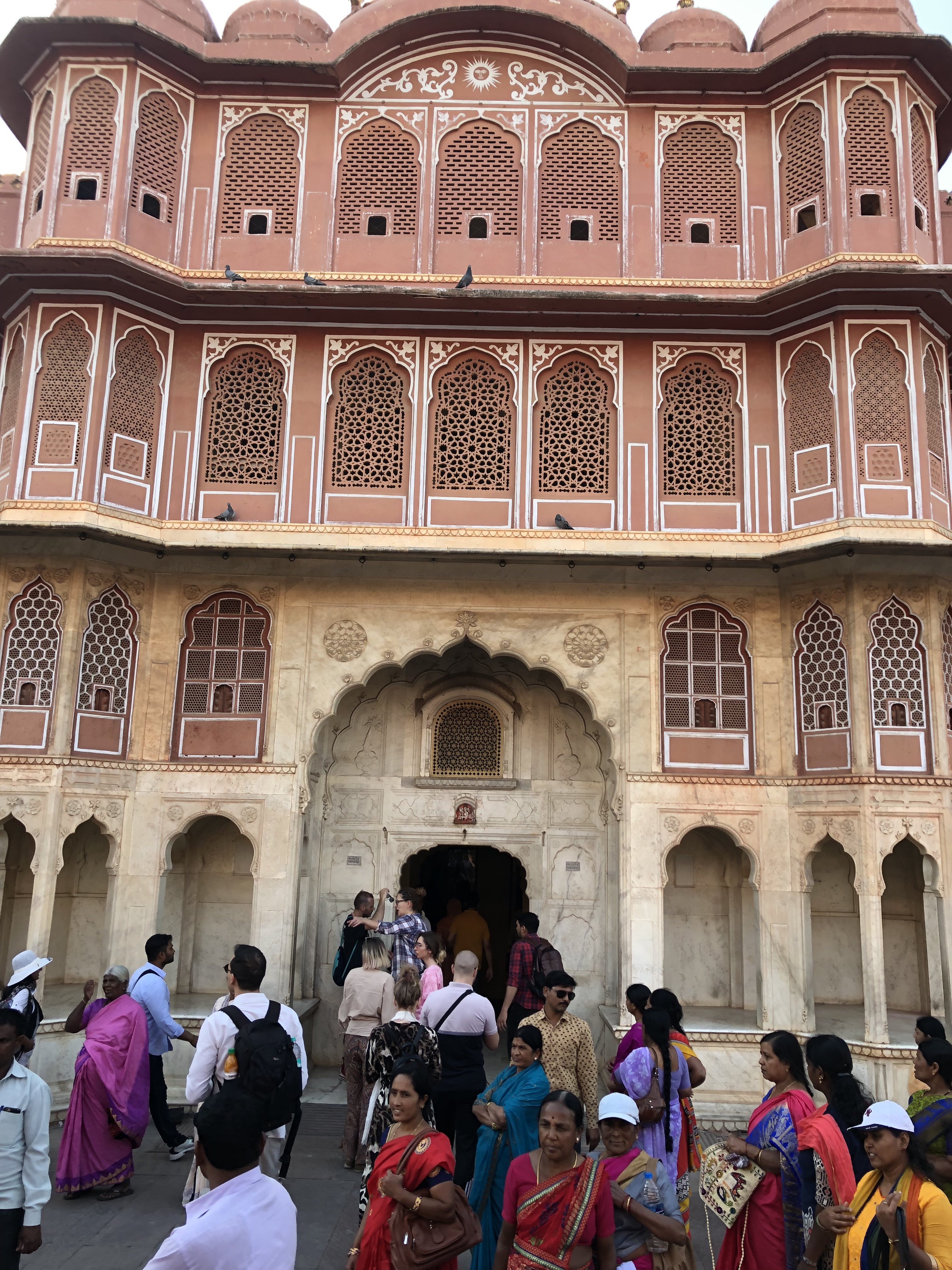
In the city itself, the City Palace, Jaipur stood as a reminder that Jaipur is still deeply rooted in its royal past. Once home to the Maharaja, it reflects a blend of Rajput and Mughal architecture, its courtyards and museums preserving the legacy of a kingdom that still feels present in the city’s identity.
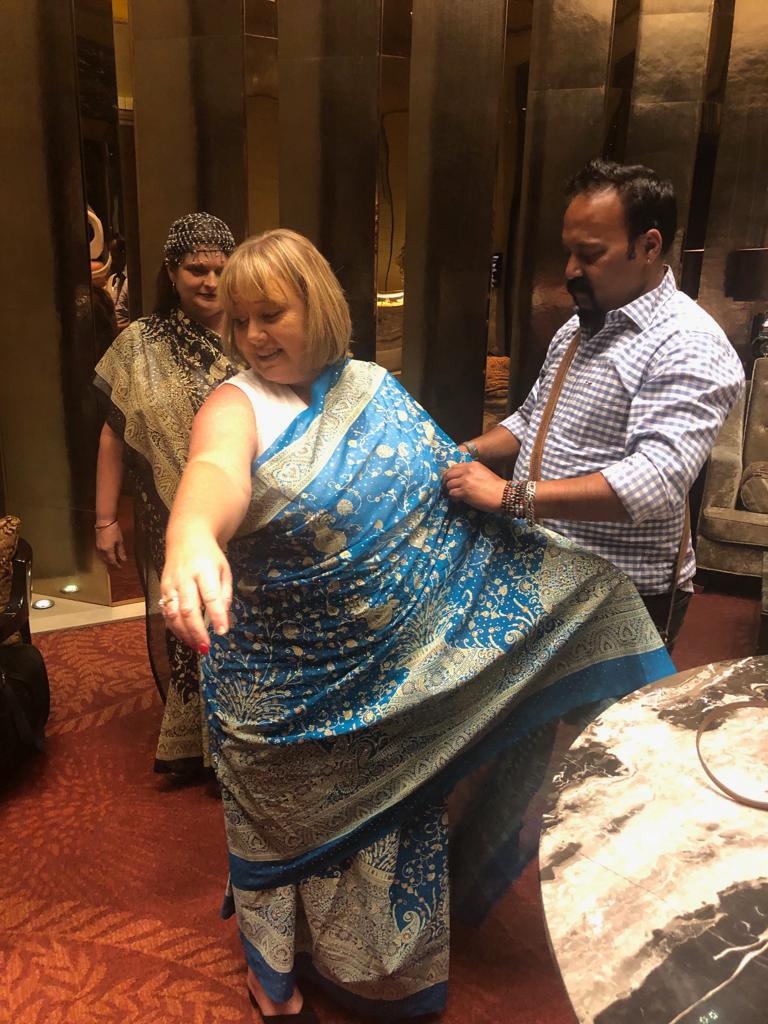
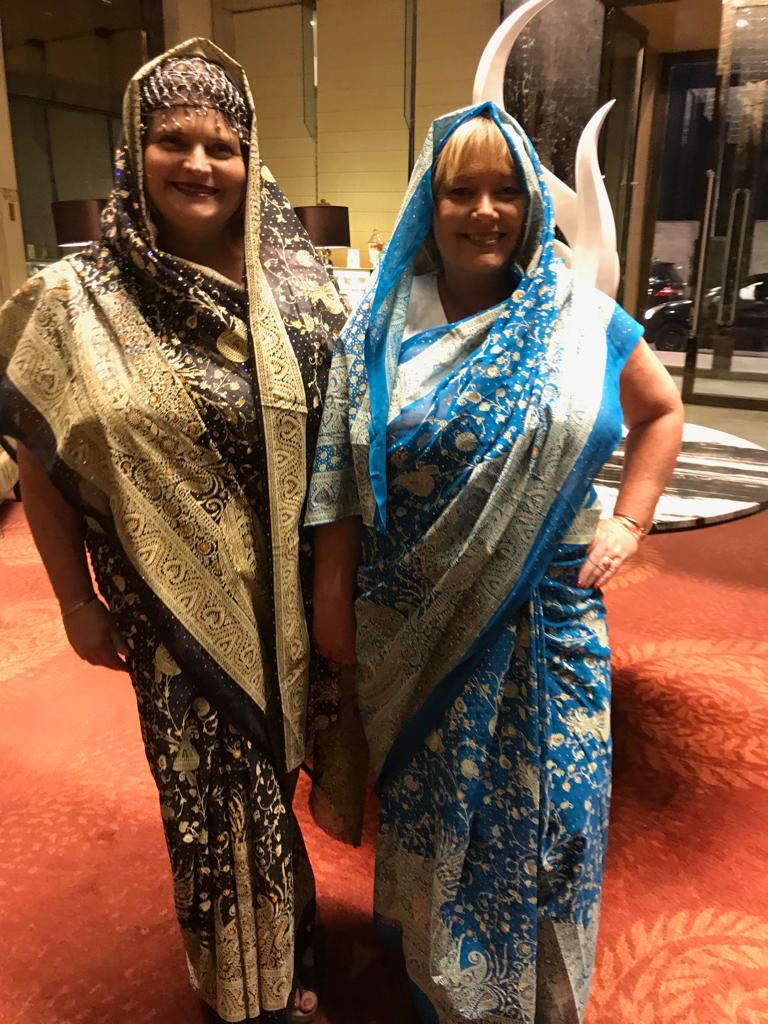
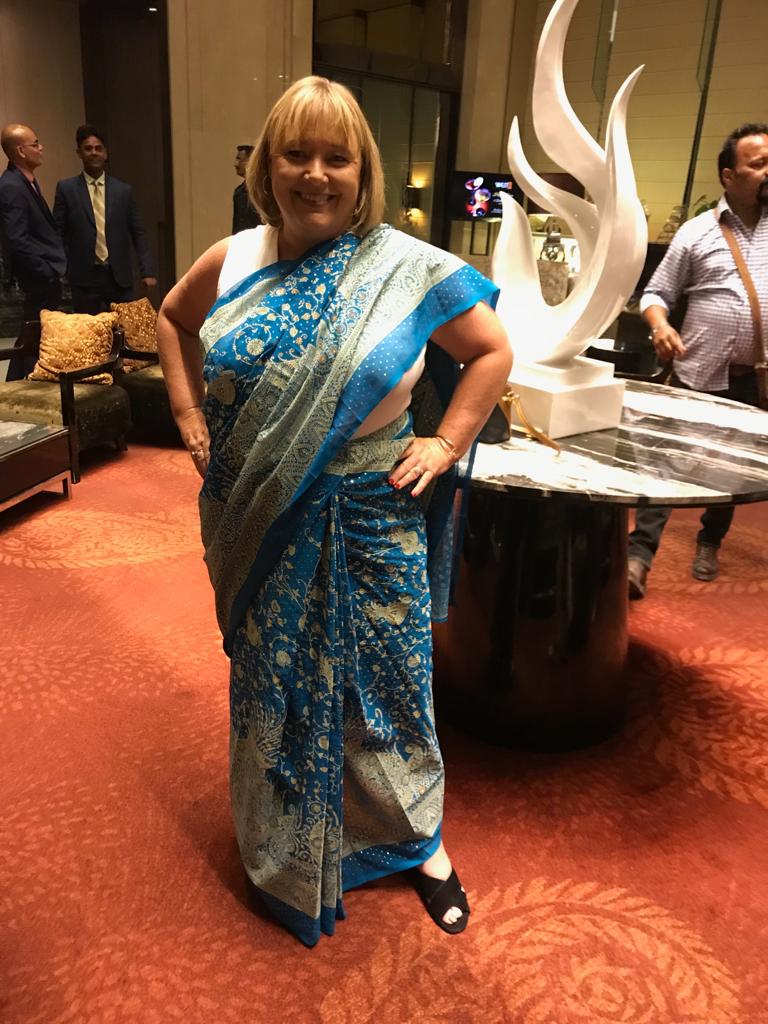
But it was the cultural evening that stayed with me most, a dinner where I dressed in a sari, stepping briefly into a world that felt both foreign and welcoming. Surrounded by music, dancing, and shared laughter, I ate traditional dishes and watched performers bring stories to life through movement and rhythm. It wasn’t just something I observed; it was something I became part of, if only for a night as we were invited to learn these traditional dance moves. In that moment, Jaipur wasn’t just a place I visited, it was something I felt fully immersed in.
Holi Festival
The Holi Festival in Vrindavan, the birthplace of Krishna, was the true highlight of our journey, and the very reason my sister and I came. Dressed in white pants and T-shirts, we arrived by tuk tuk with a growing sense of anticipation, as the town already seemed to vibrate with colour and energy even before we stepped into it.
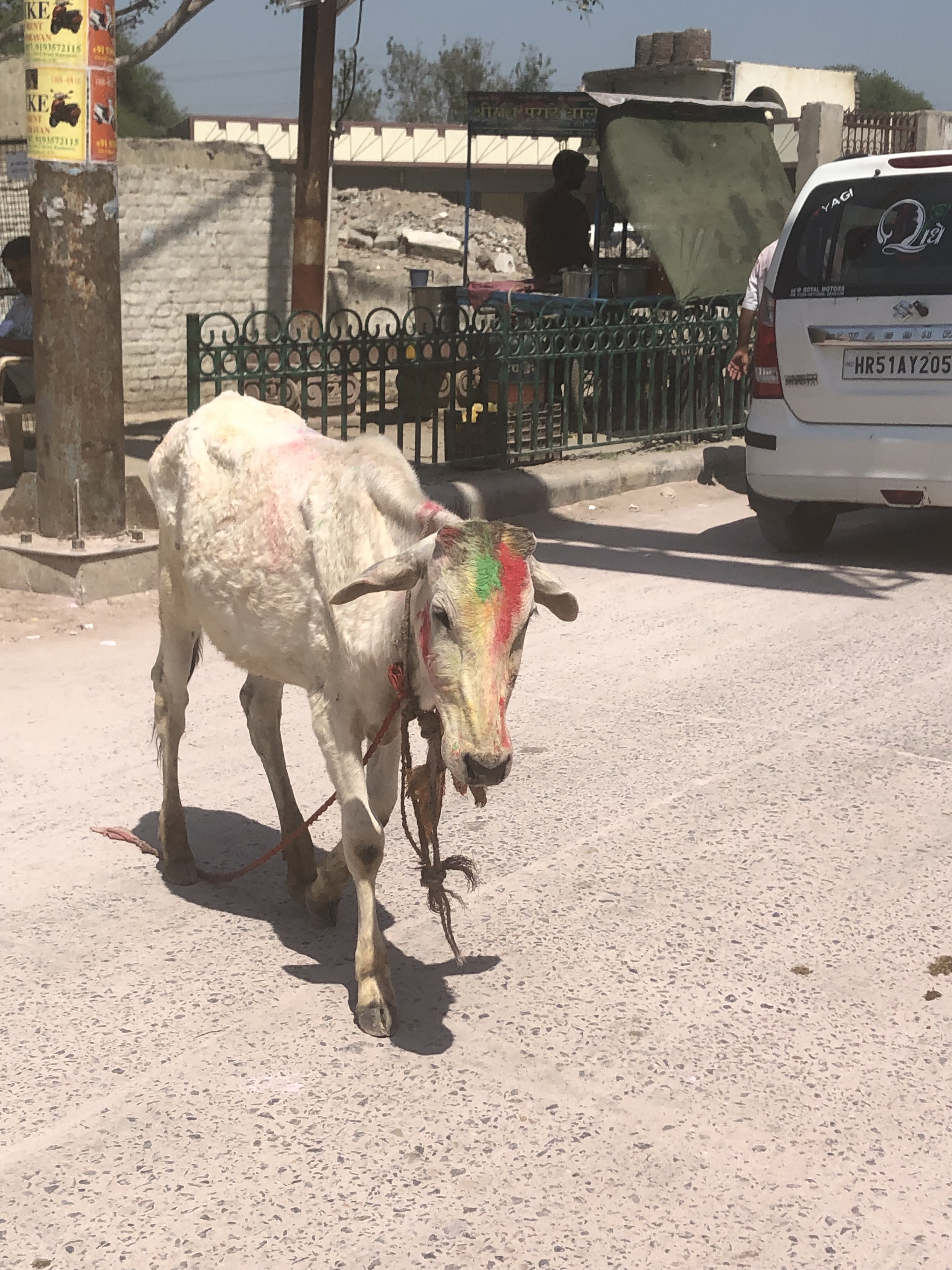
On the way, we passed a cow wandering freely through the streets, its head already splashed with bright pigments, an early hint of the celebration that was unfolding everywhere. While many visitors choose to experience Holi from within the safety of hotel courtyards or organised events, we wanted something different. With trusted guides, we chose to step fully into the heart of it, to experience it as authentically as possible.
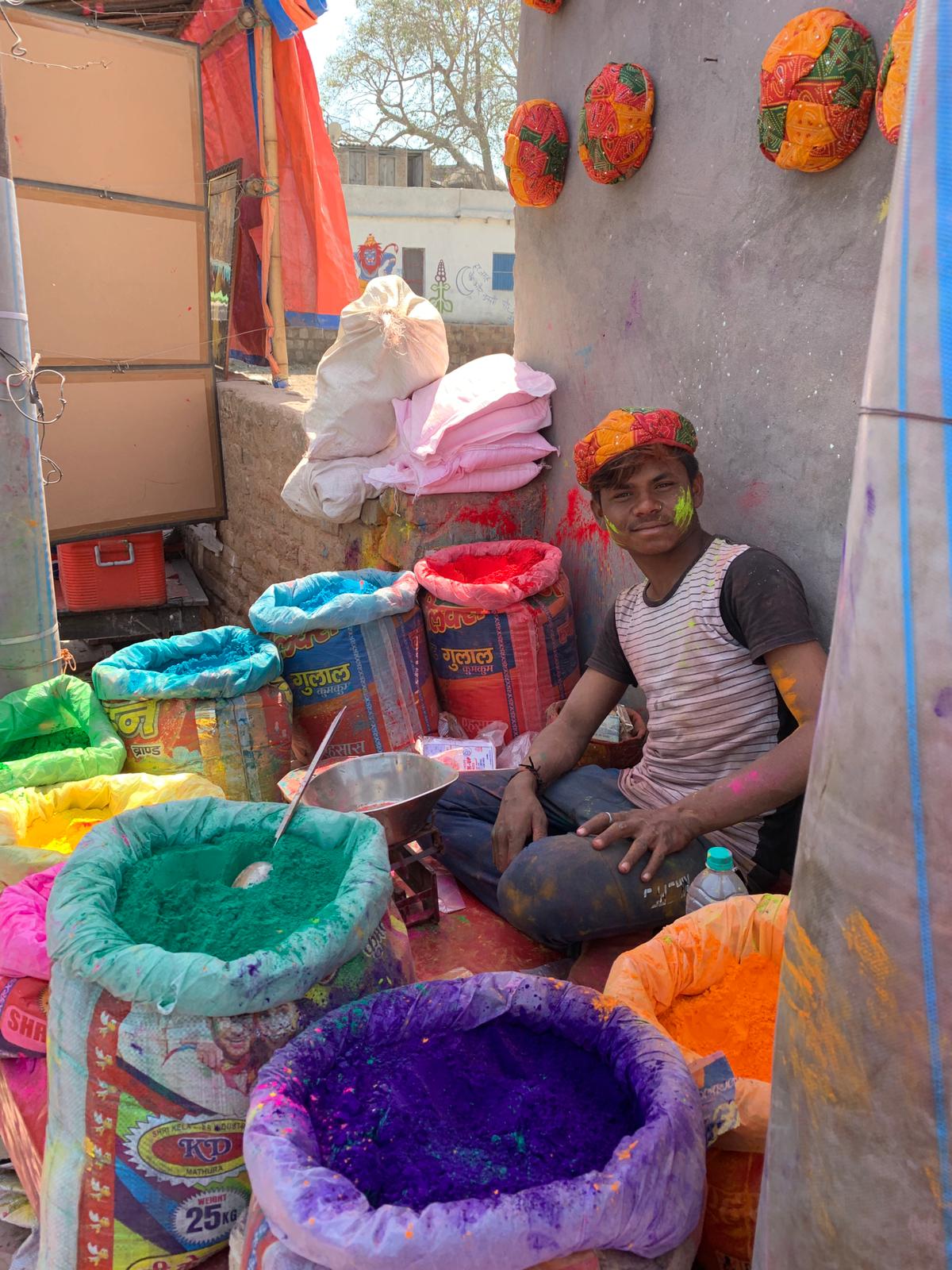
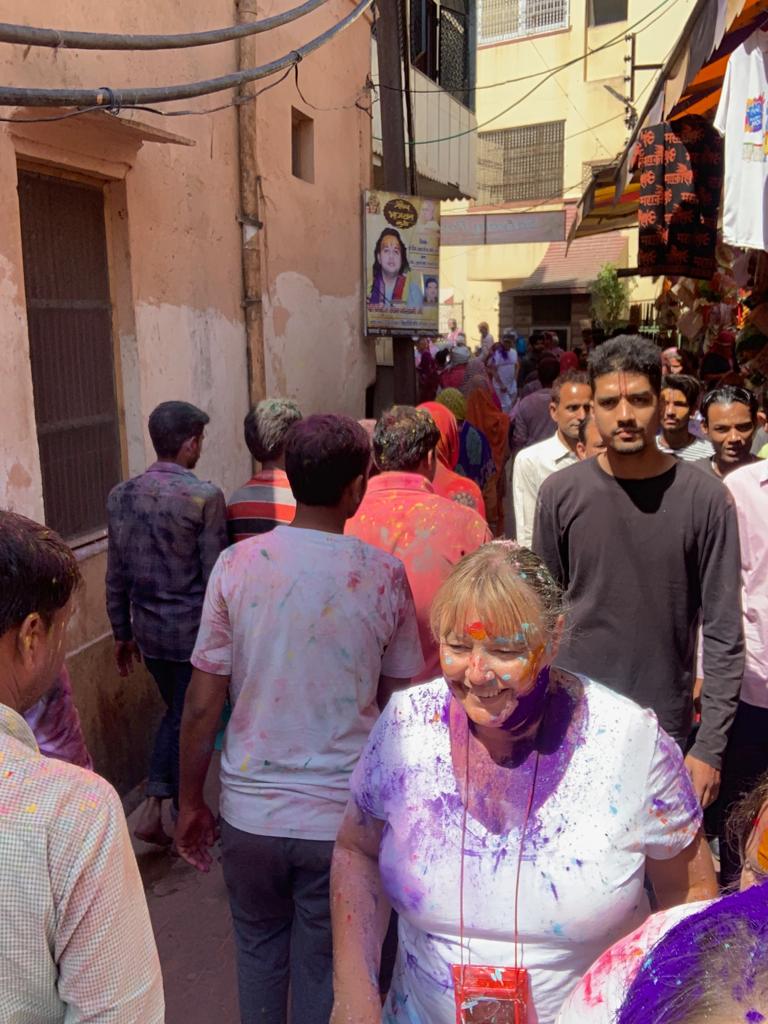
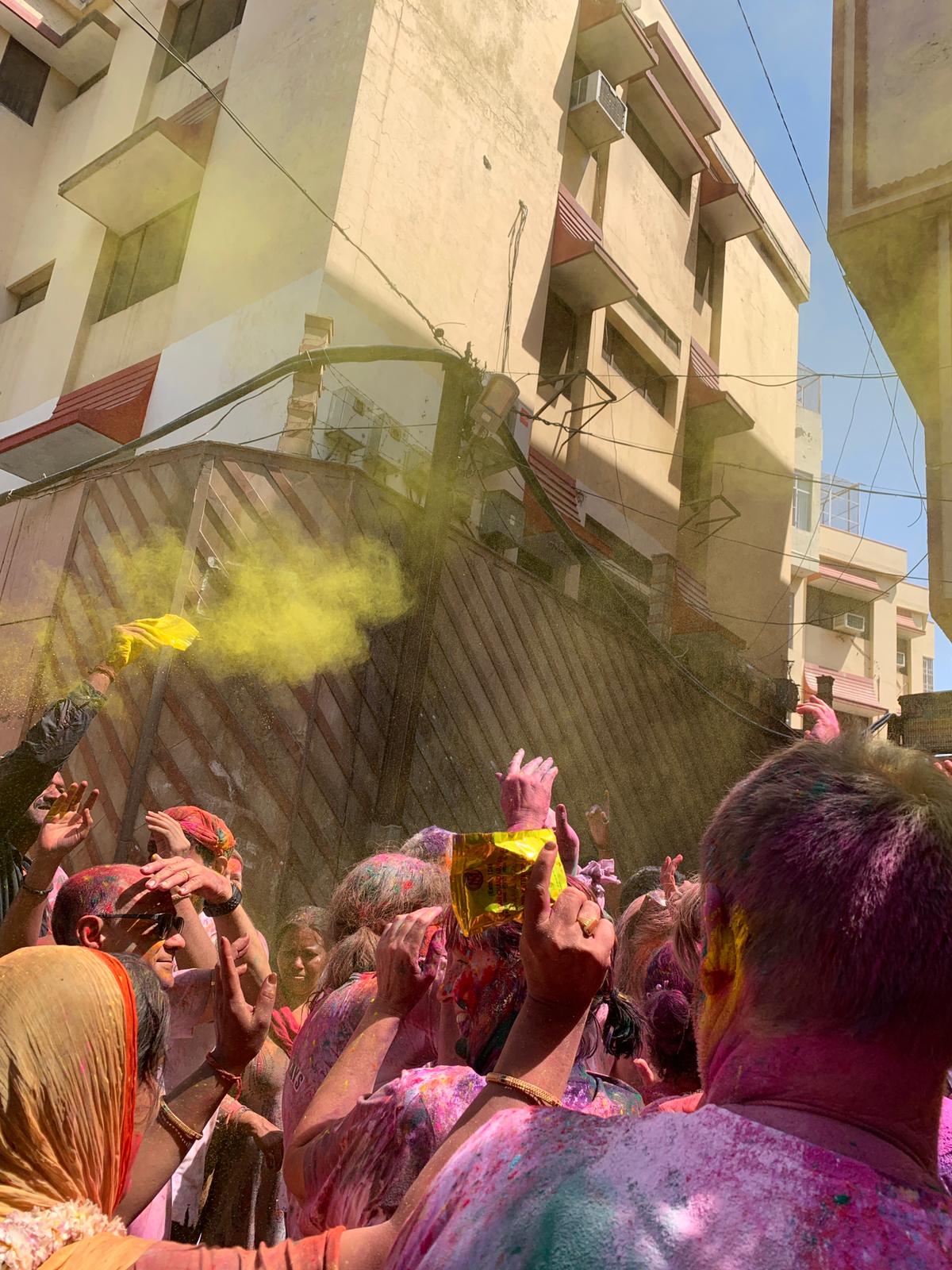
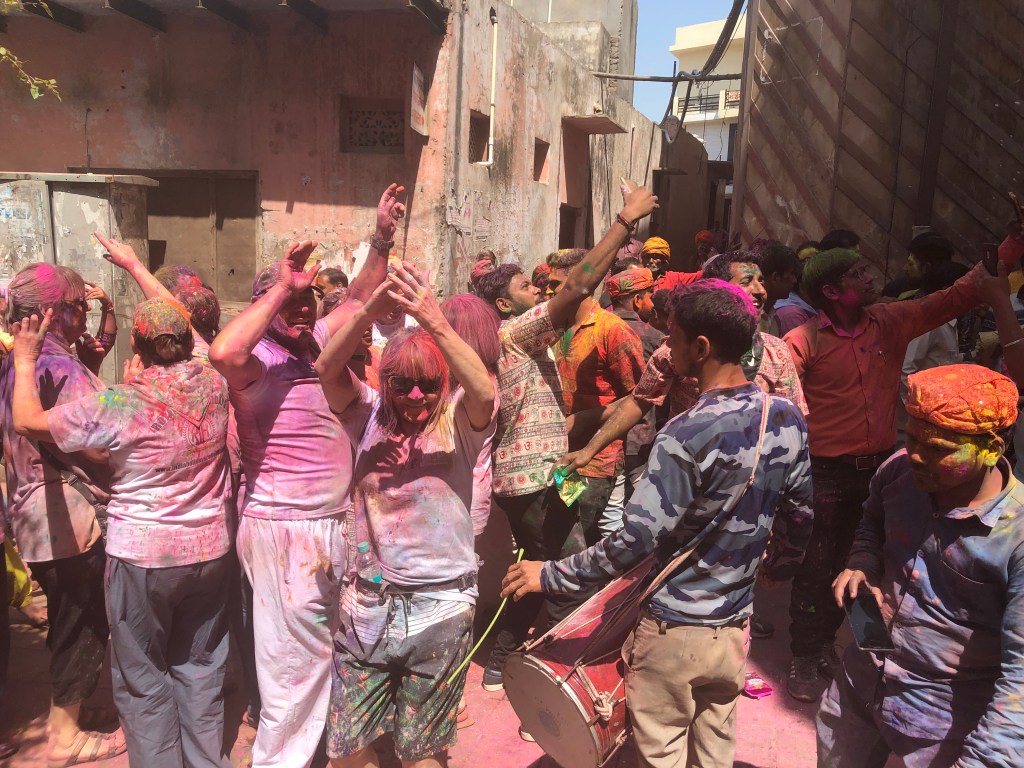
The moment we stepped out of the tuk tuk, we were immersed. Colour was everywhere, thrown, smeared, scattered through the air, and strangers greeted us instantly with the words “Happy Holi,” laughing as they reached out to paint our faces. Drums beat in every direction, people danced in the streets, and the entire town moved as one living celebration of joy.
My sister and I were travelling together, marking my 50th birthday, and we were still deep in grief after the loss of our mother. For months we had lived in sadness, and somewhere along the way we had forgotten what happiness even felt like. And yet here, in the middle of overwhelming colour and chaos, something shifted. There was no space to overthink, only presence. Only feeling.
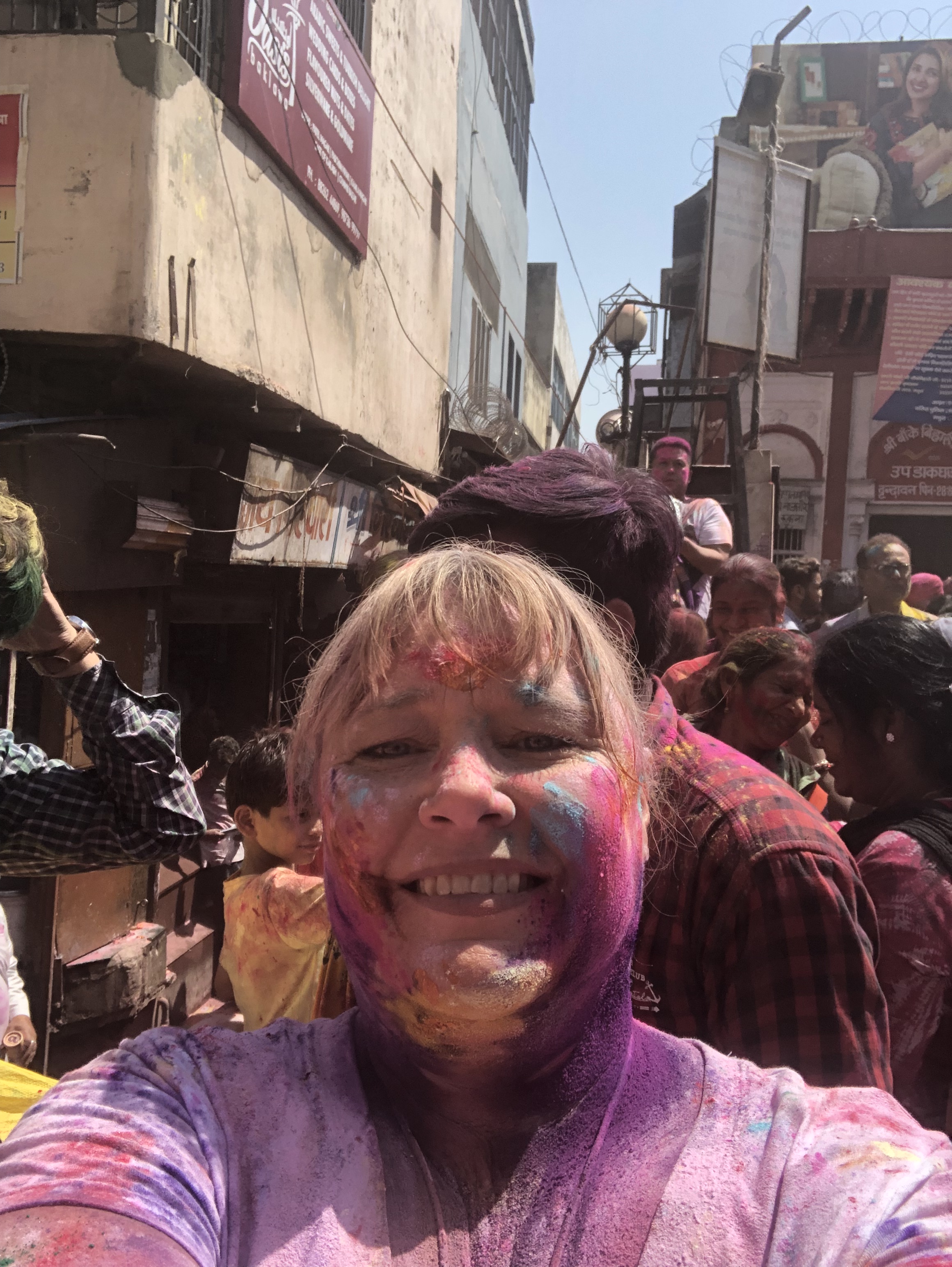
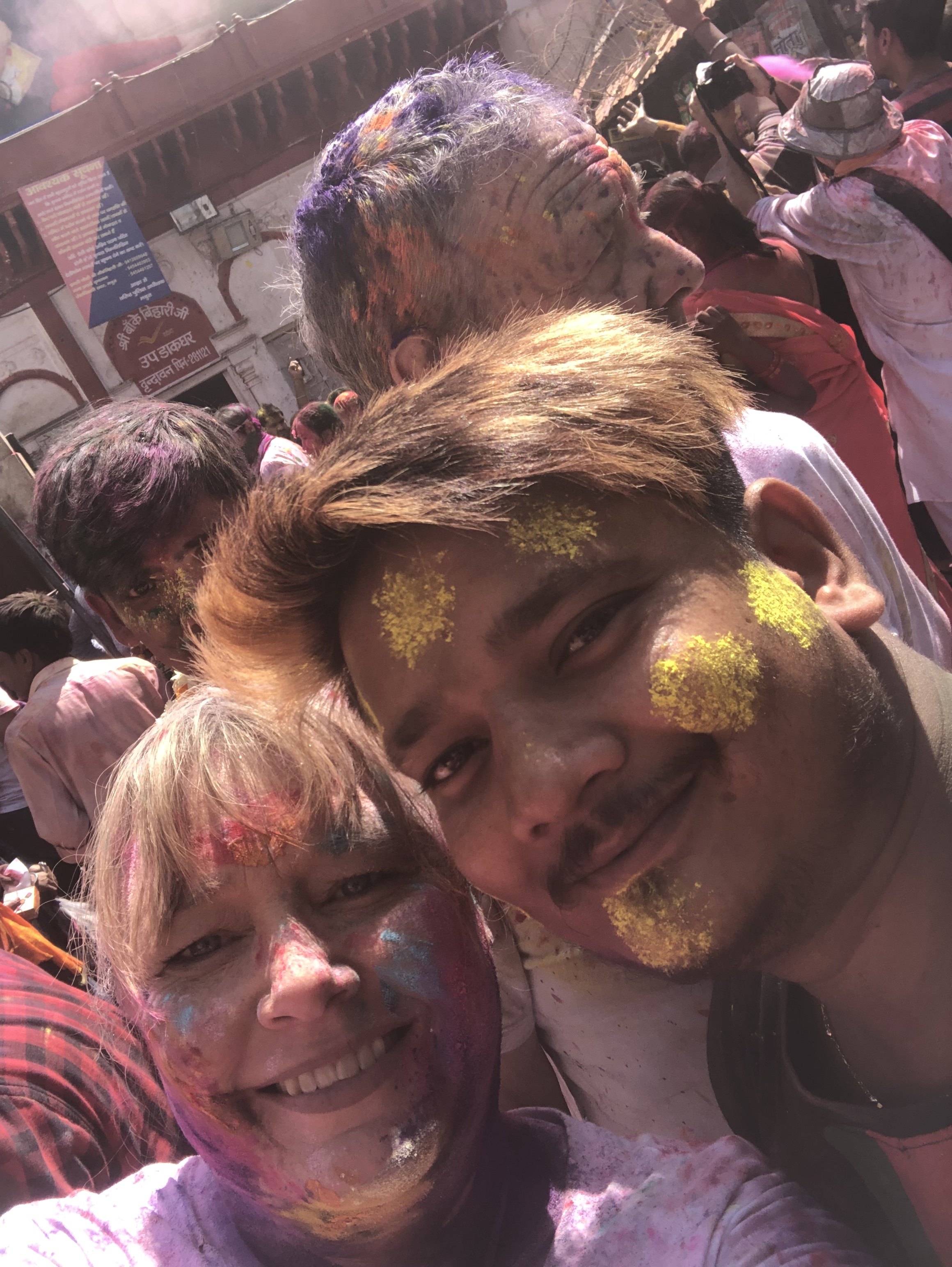
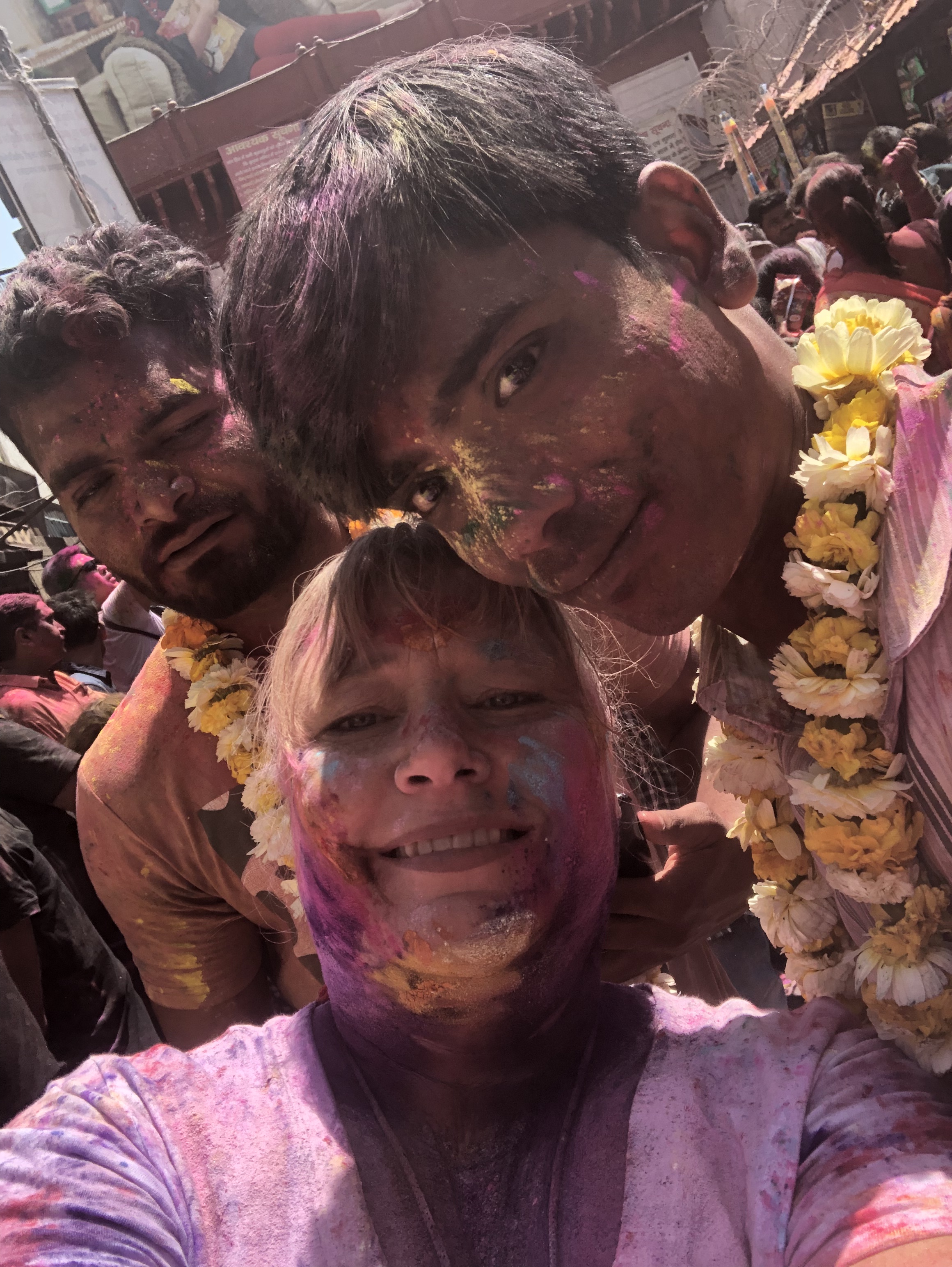
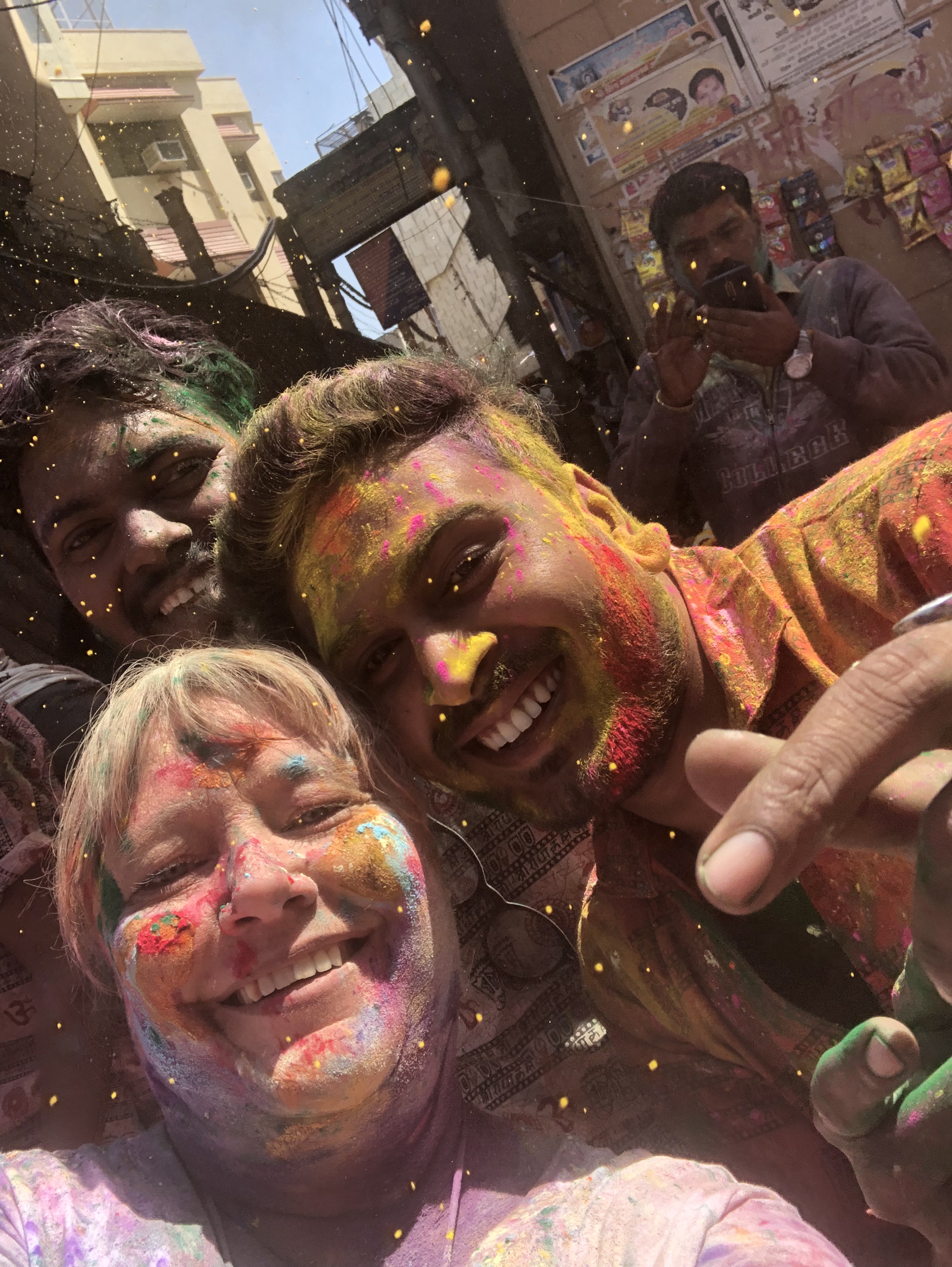
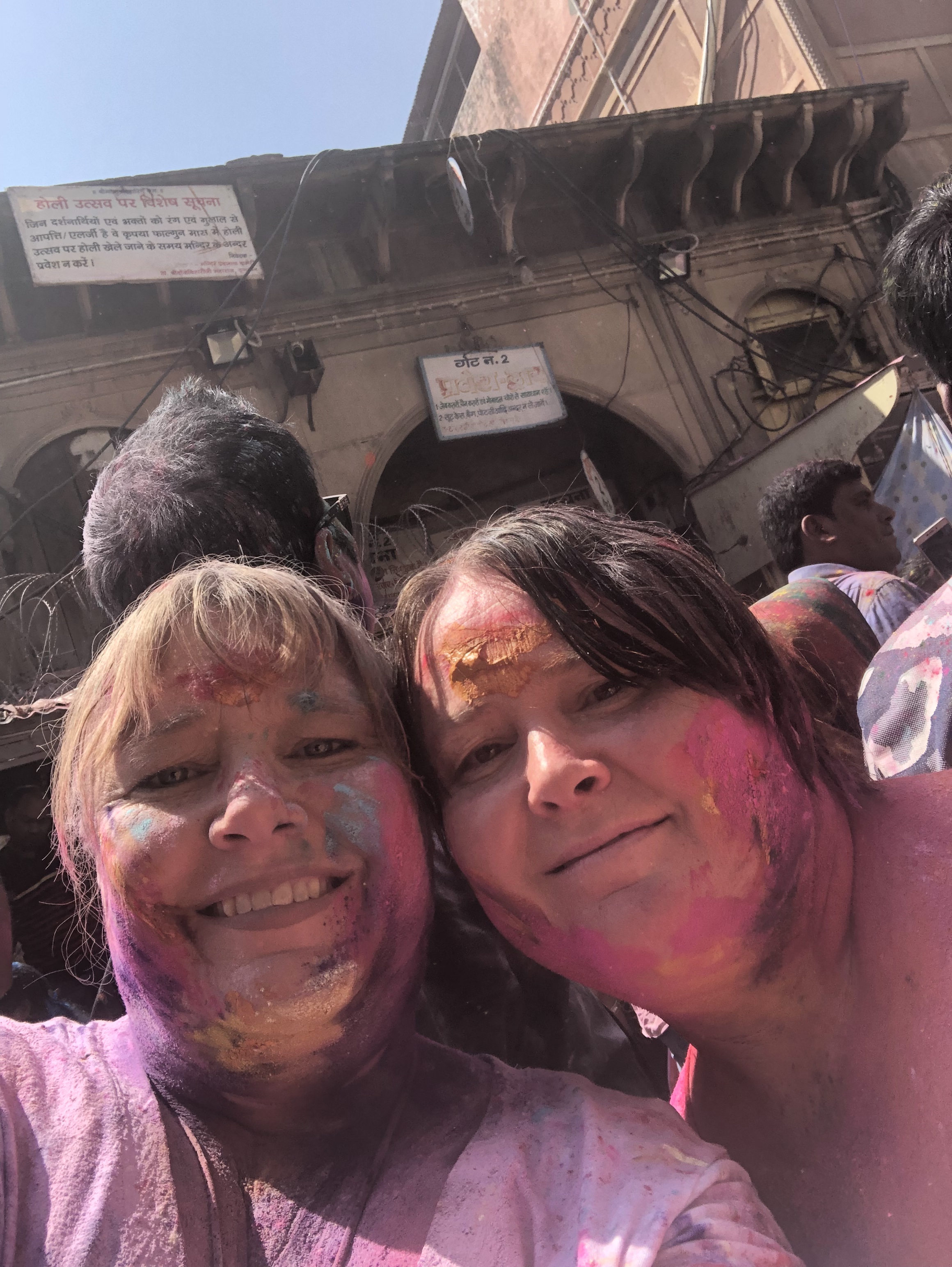
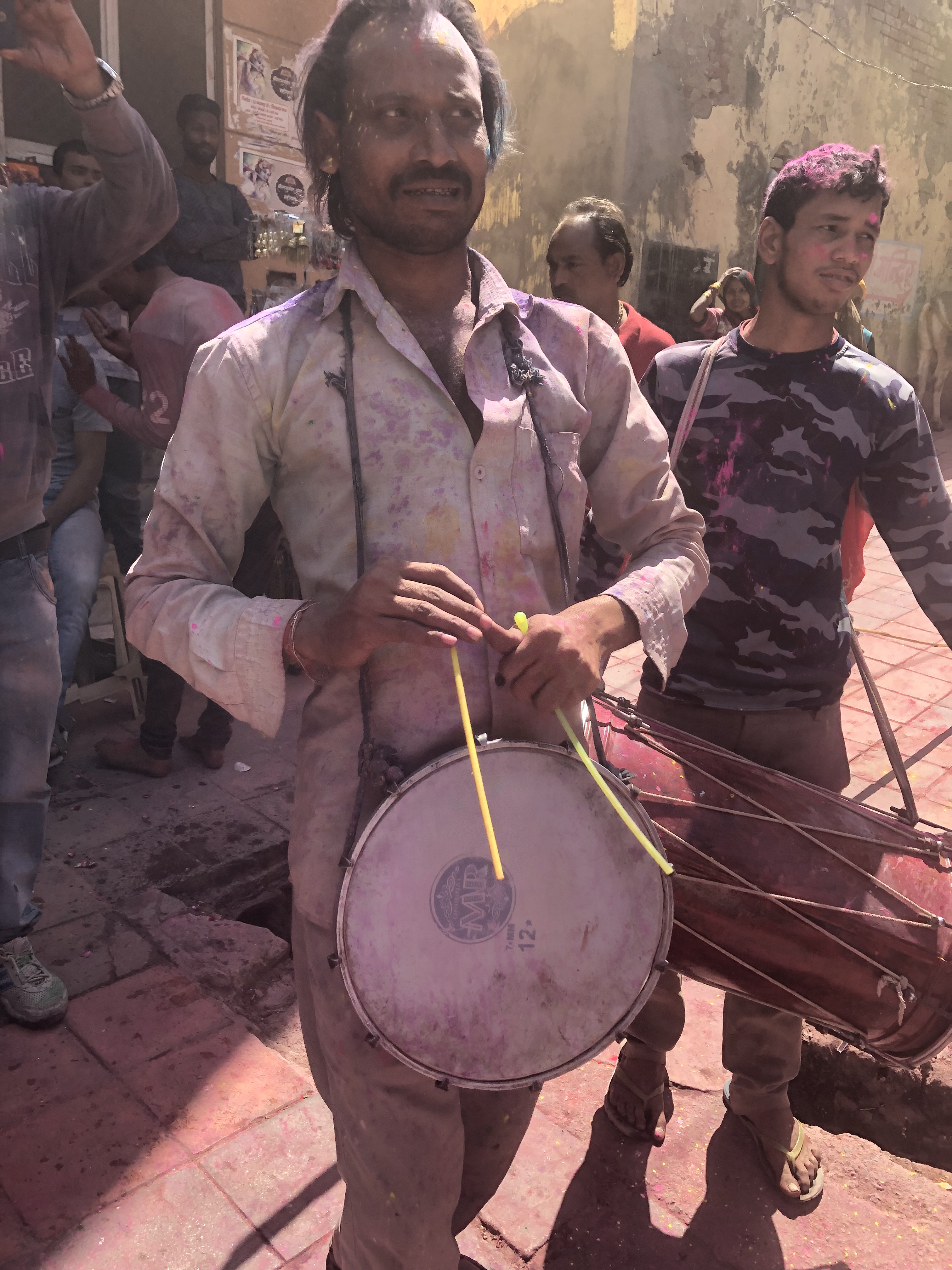
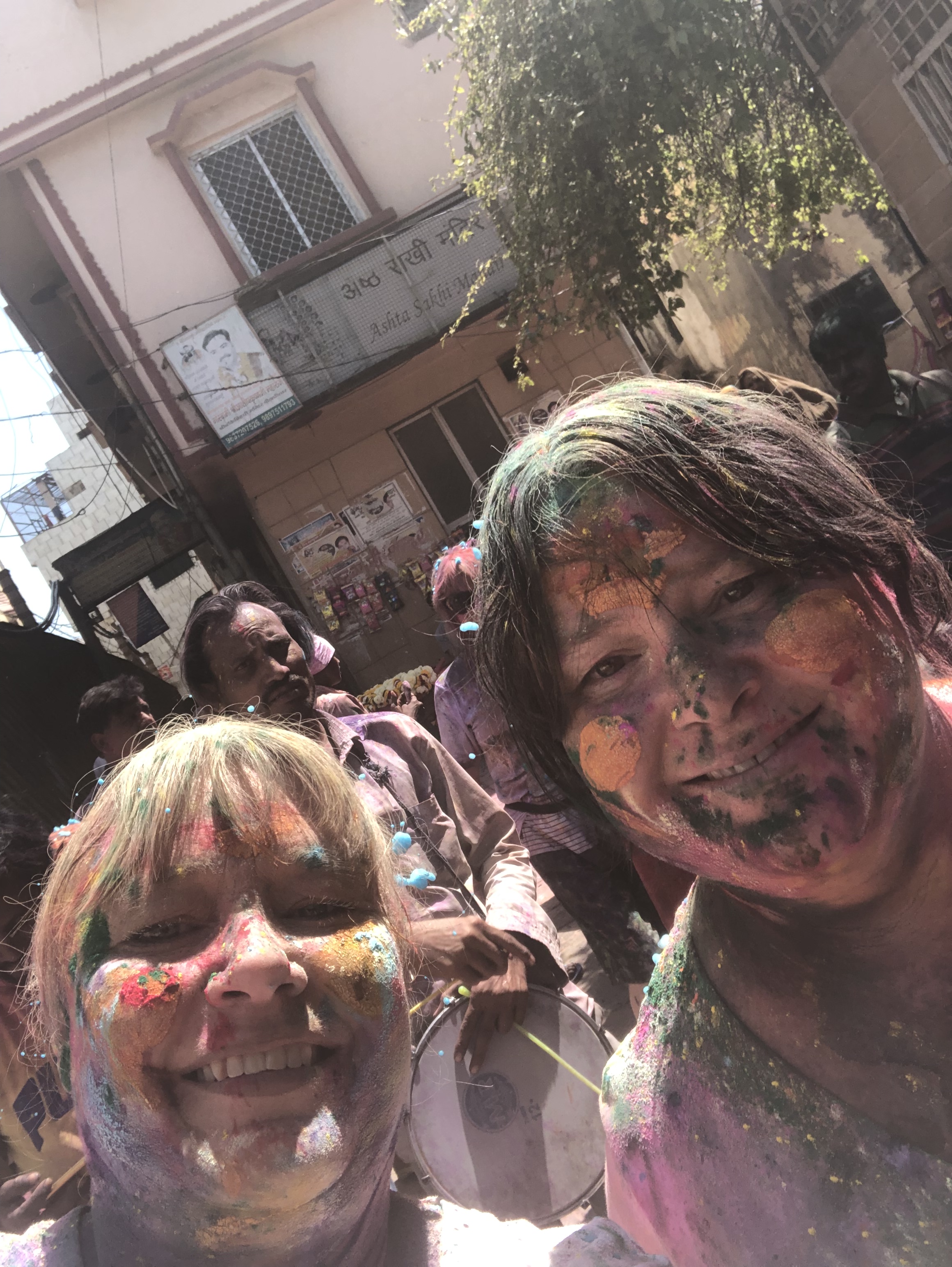
People were eager to include us, to cover us in colour, to wish us well with genuine warmth. And despite the noise, the crowds, the intensity of it all, I felt something unexpected rising within me: a deep sense of peace. It was overwhelming, spiritual in a way that is difficult to explain and impossible to fully capture in words. In that moment, surrounded by hundreds of strangers celebrating life, I felt an extraordinary sense of connection, joy, and quiet healing that stayed with me long after the colours washed away. To read more about this Bucket List Adventure Click Here.
I won’t lie, I chose to travel with a trusted group tour company because I had concerns about safety. It was important the tour was a small group and the expereinces were authenic and immersive. At no point during the journey did I feel unsafe, uneasy, or as though I was attracting unwanted attention. Instead, what I experienced was a country deeply absorbed in its own rhythm, where everyone seemed focused on simply getting on with the business of daily life.
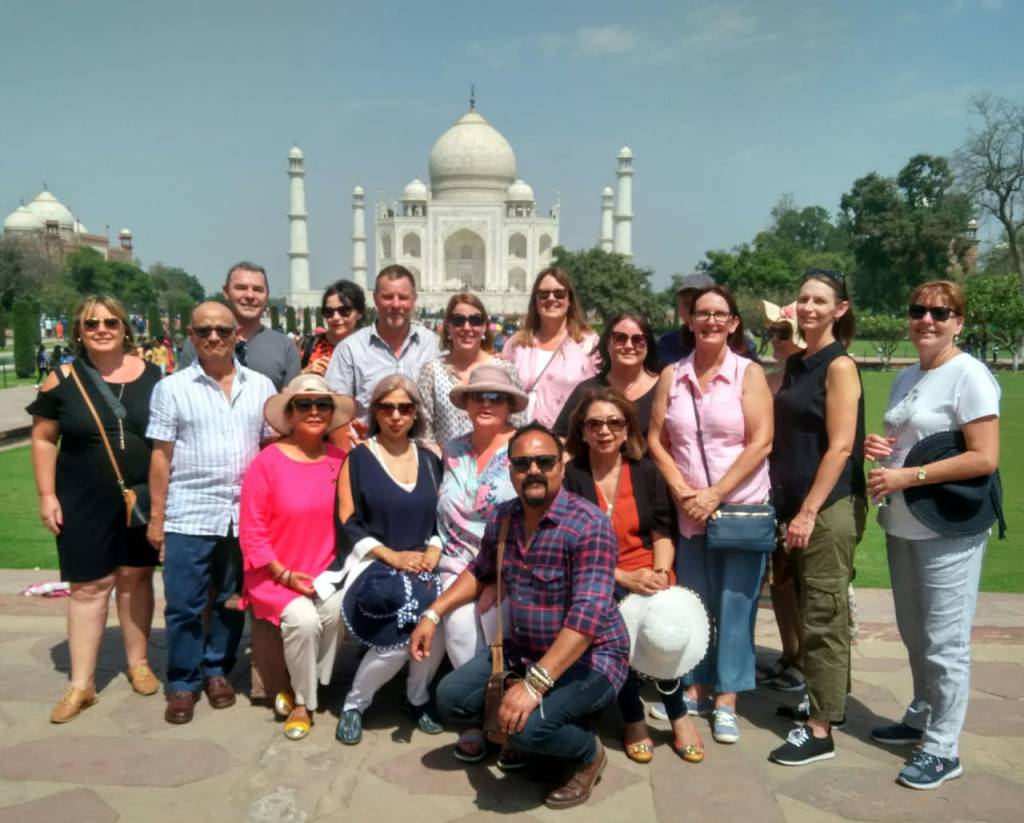
What stayed with me most were the women I saw along the way, their clothing full of colour, elegance, and quiet confidence, moving through busy streets with a sense of ease that felt both beautiful and grounding. There was something deeply striking about the contrast: the apparent chaos of the streets alongside the grace and composure of everyday life unfolding within it.
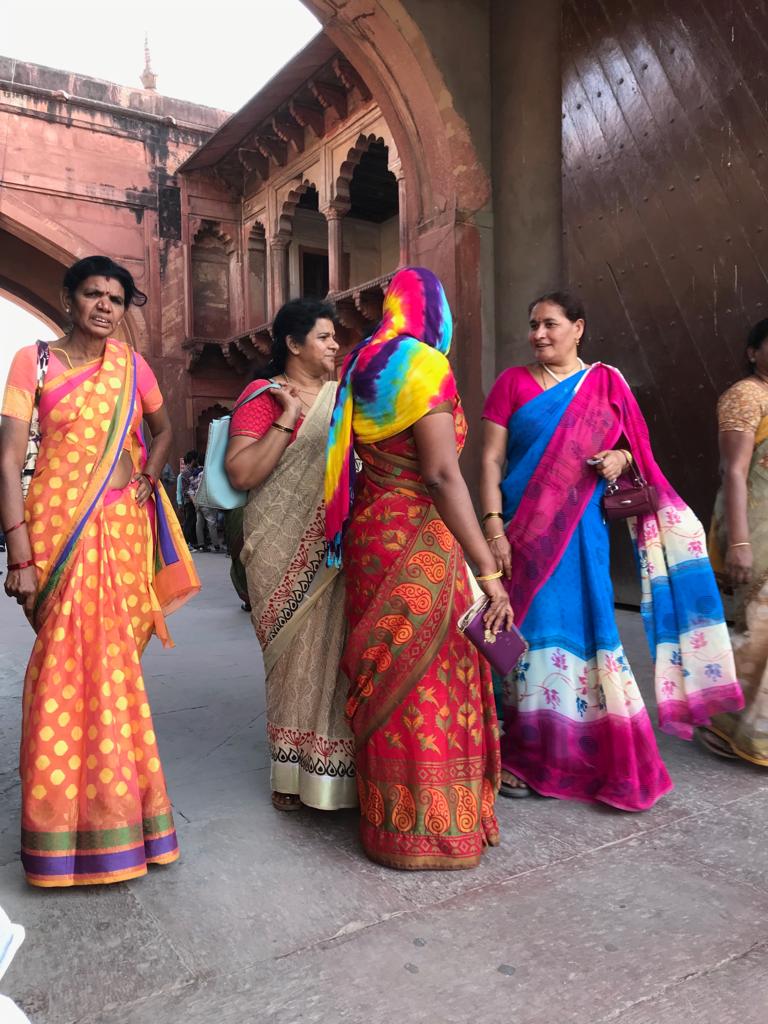
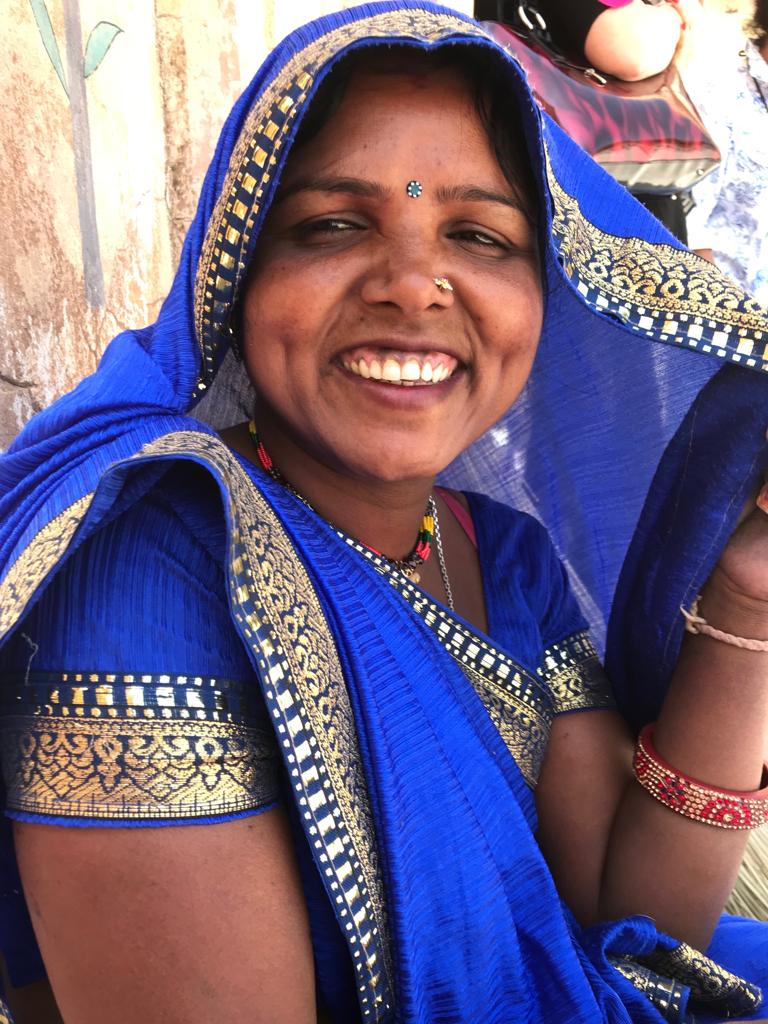
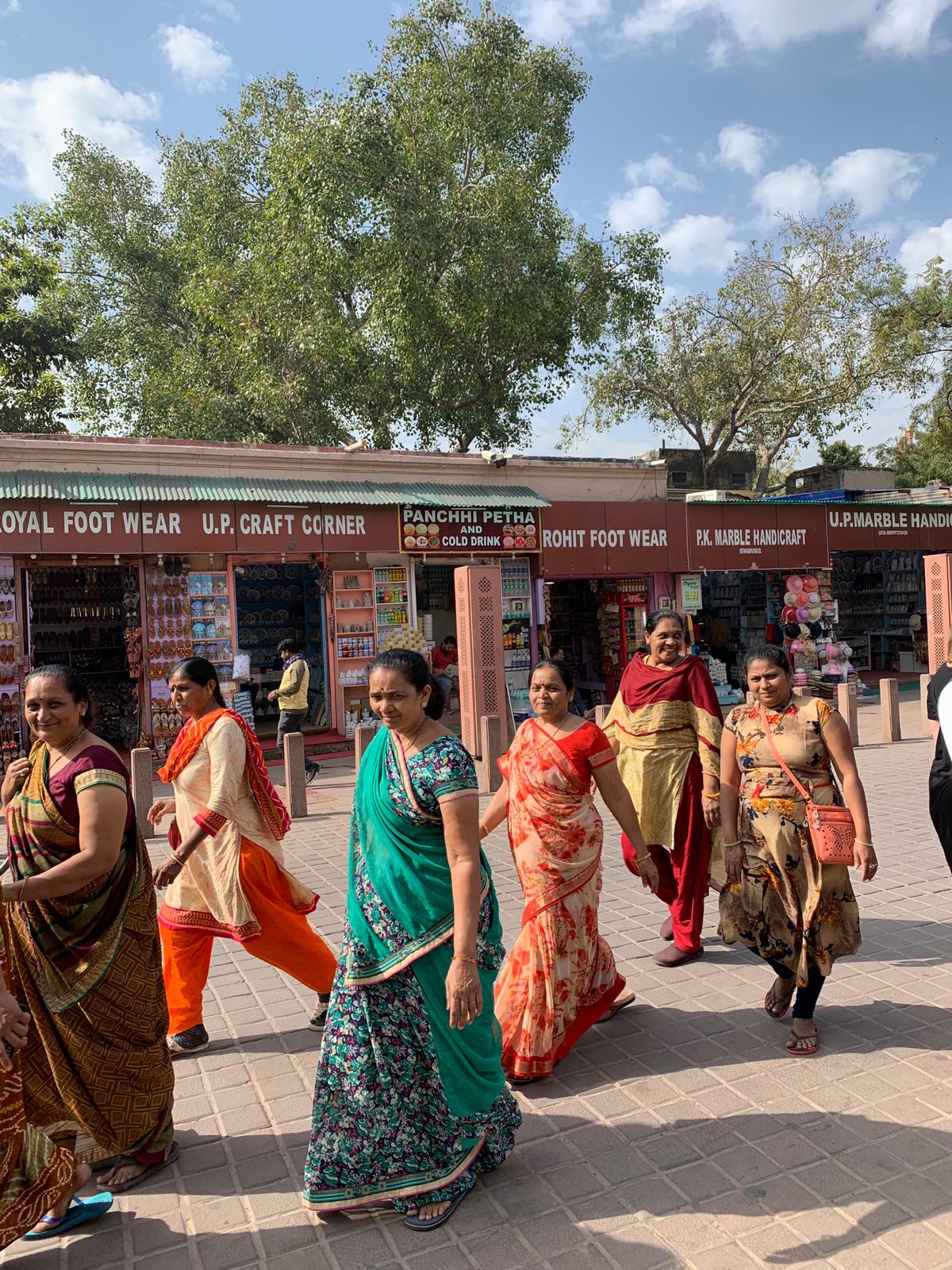
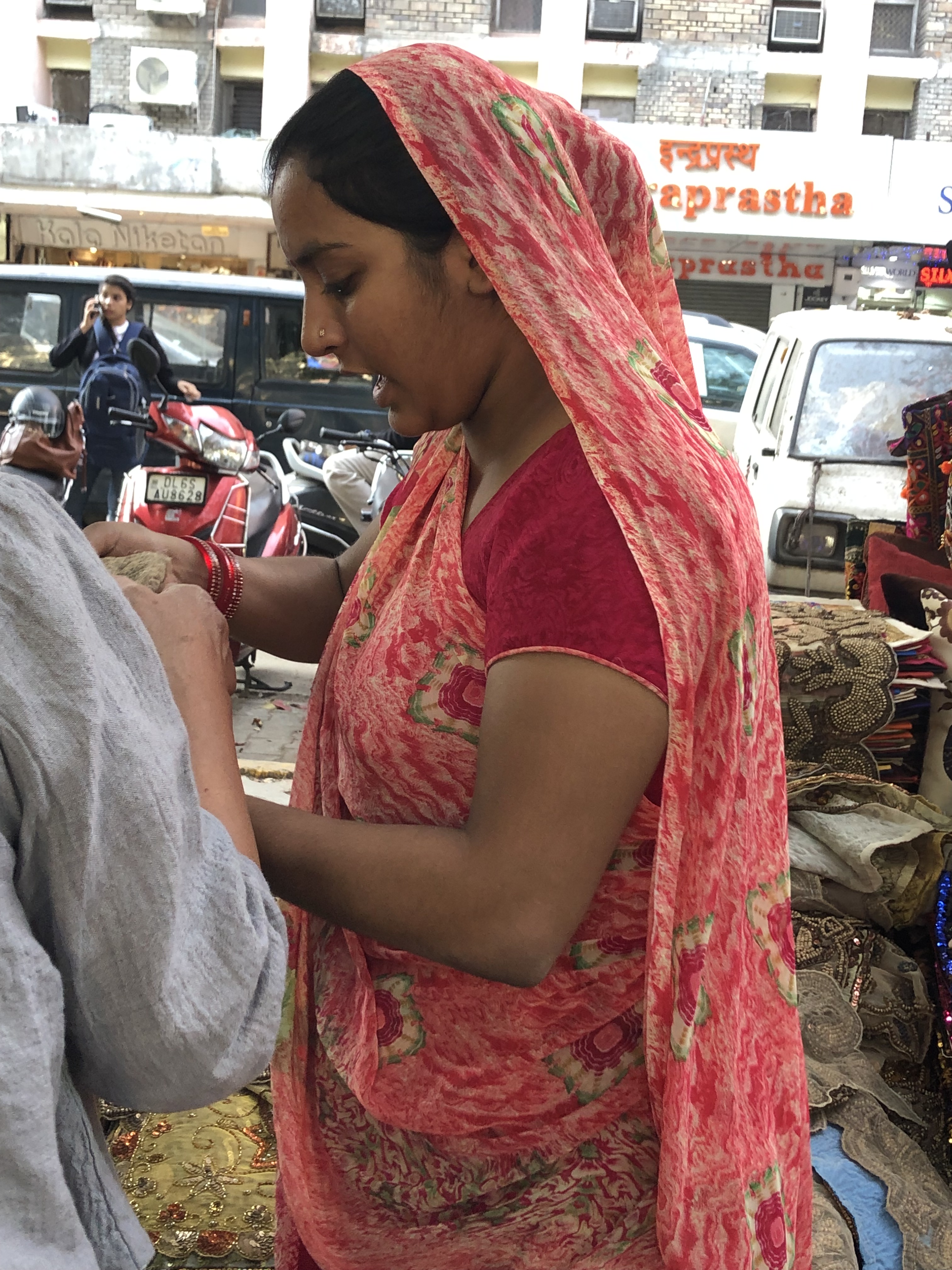
I also remember the smiles from locals, small, genuine, and unexpectedly welcoming. There was a softness in those interactions, a kind of shyness and curiosity that felt surprising in such crowded, fast-moving places. It created a sense of connection that didn’t need words.
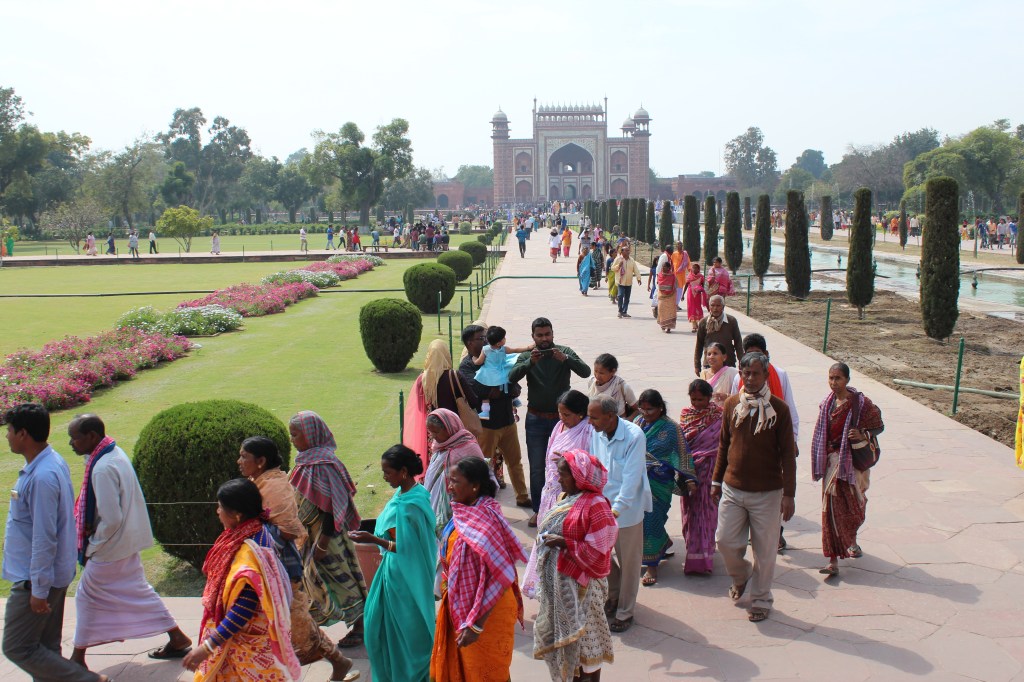
The Golden Route, which so many people take on their first visit to India, gave me an introduction, but not an answer. If anything, it left me wanting more: more understanding, more time, more insight into the people, the culture, and the layers of life that exist beyond what any journey like this can fully reveal. This won’t be the last time I bring my Sense of Adventure to India and explore this country with curiosity and openness, allowing it to continue surprising me, challenging me, and staying with me long after I leave.


 Sense of Adventure Required - by Jen
You must be logged in to post a comment.