

A Journey Through Timeless Wonder and Warm Hospitality
Tucked away in Southeast Asia, Cambodia is a captivating blend of ancient history, vibrant culture, and natural beauty. While often overshadowed by its neighbors Thailand and Vietnam, Cambodia offers an unforgettable travel experience that feels both intimate and awe-inspiring.
Phnom Penh
Phnom Penh is the capital and largest city of Cambodia. Known as the “Pearl of Asia” during the French colonial era, it is a vibrant city with a mix of colonial architecture, traditional Cambodian culture, and modern development.
Phnom Penh serves as the political, economic, and cultural hub of Cambodia. Key landmarks include the Royal Palace, the Silver Pagoda, and the National Museum, which house Cambodia’s royal history and rich cultural heritage. The city also has a dark history, with sites like the Tuol Sleng Genocide Museum and the Killing Fields memorializing the atrocities committed during the Khmer Rouge regime in the 1970s. While traveling in Cambodia, I fell extremely ill and was unfortunately confined to my accommodations for several days. I was deeply disappointed to miss the opportunity to visit the Killing Fields, a site I had hoped to see to better understand the country’s harrowing history.
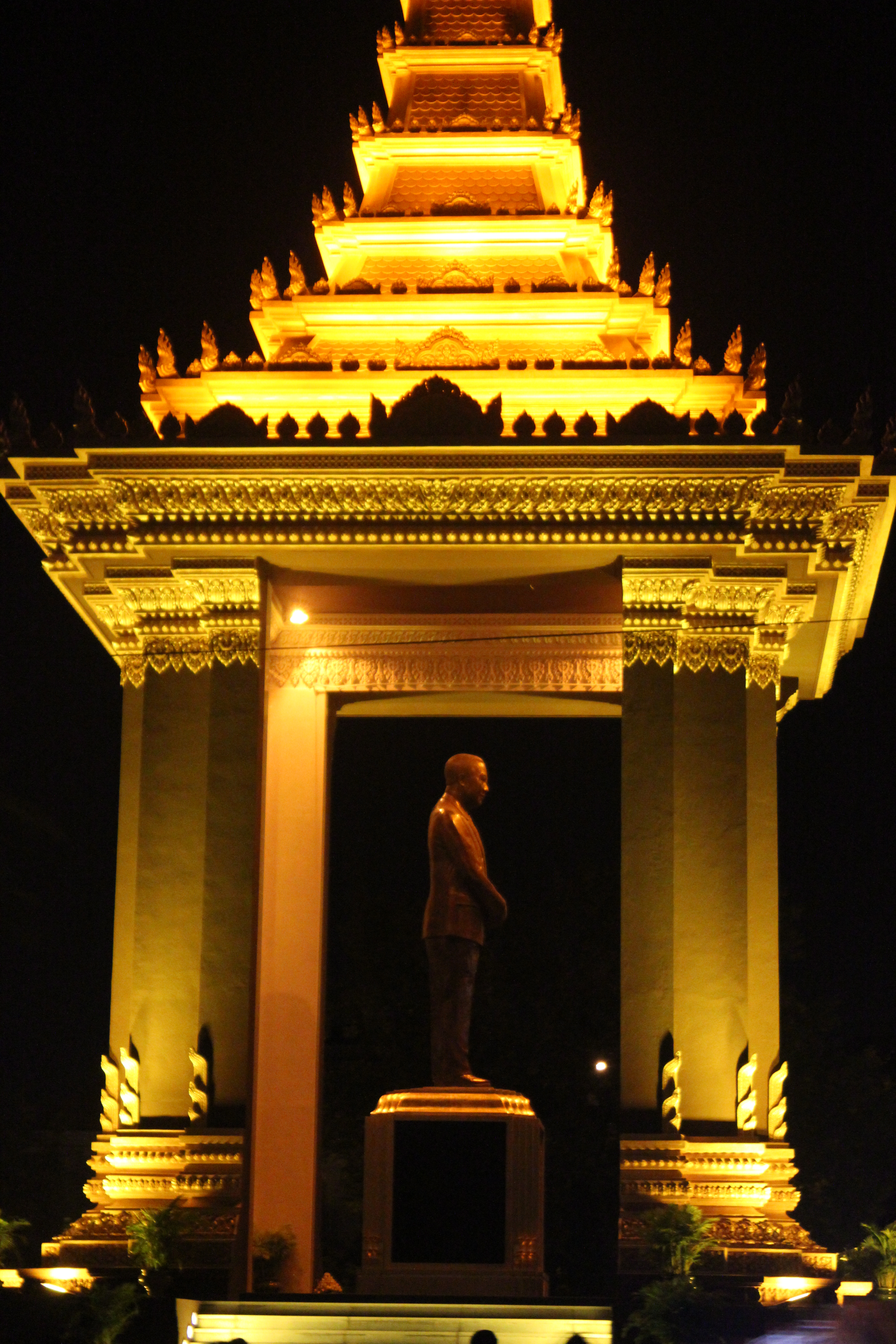
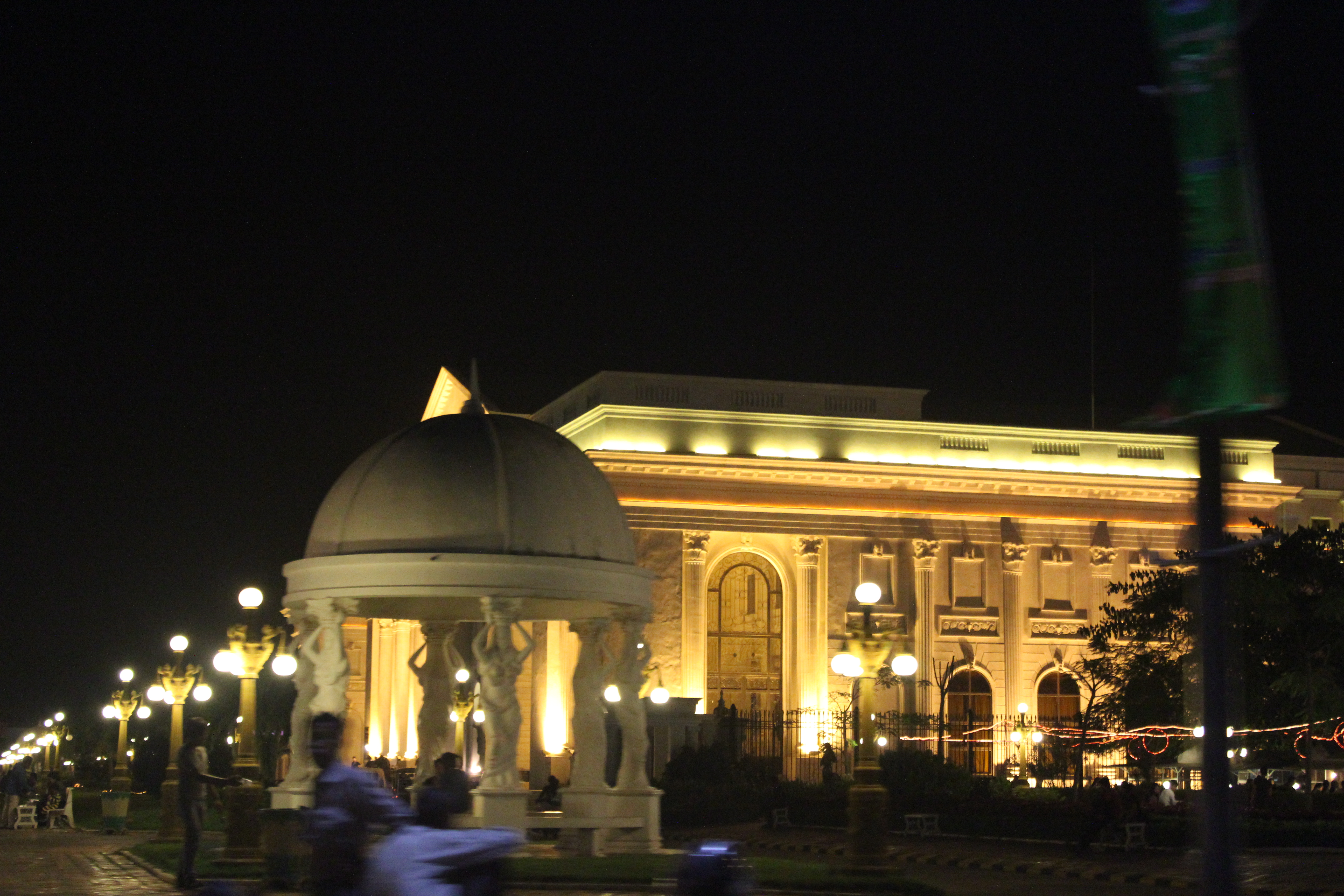
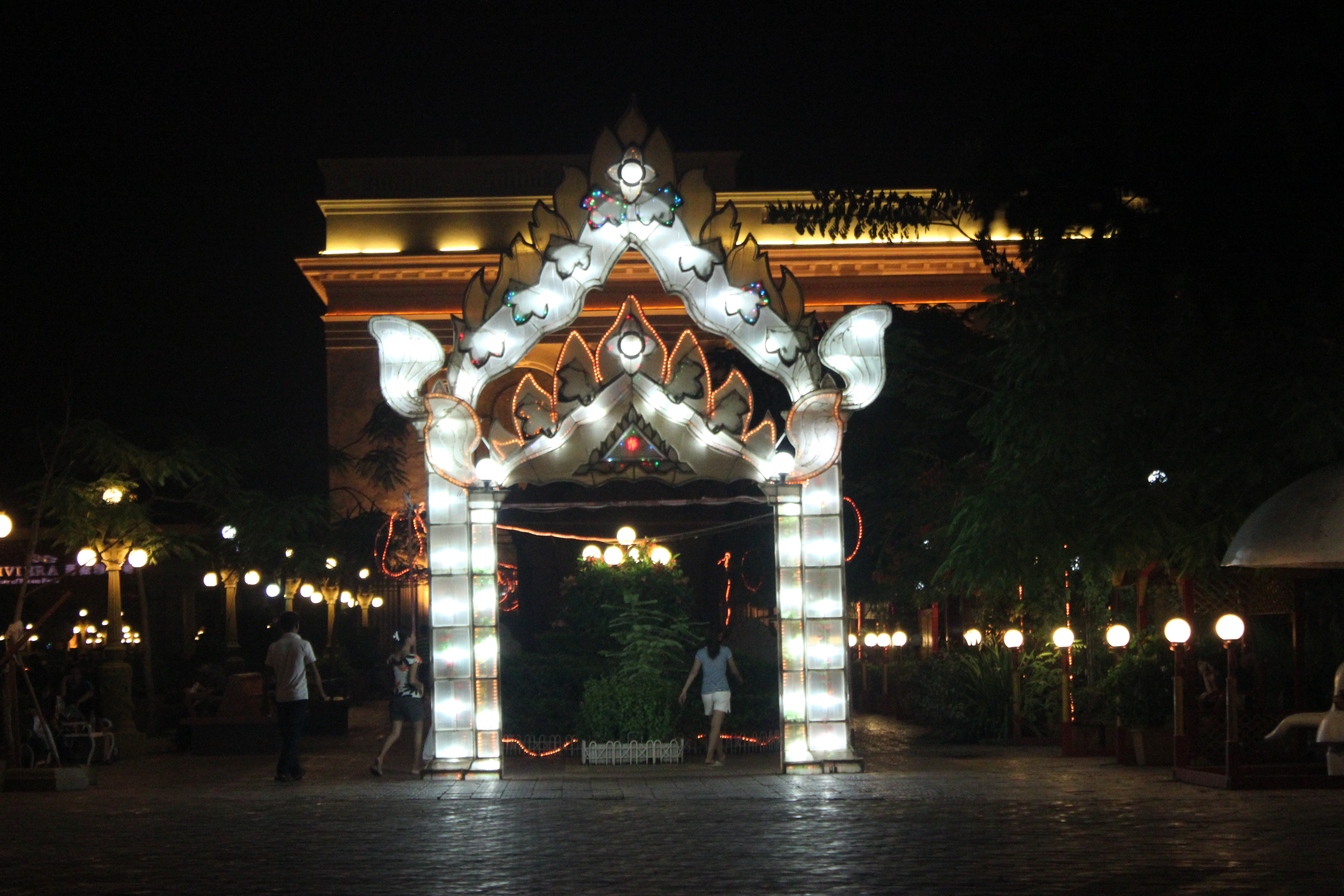
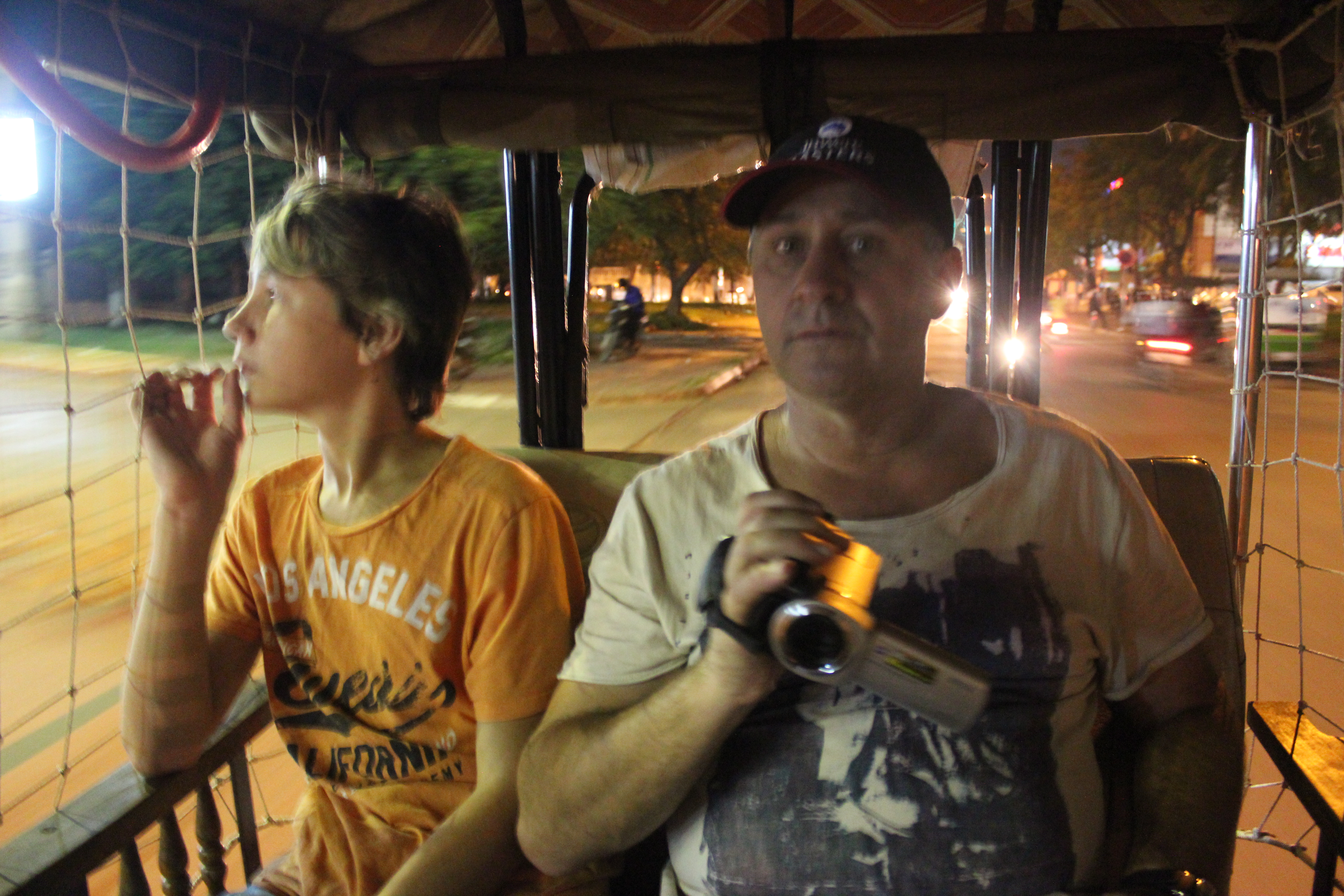
Today, Phnom Penh is rapidly developing, with a growing economy driven by manufacturing, tourism, and trade. It also features bustling markets, lively street food scenes, and a thriving nightlife, making it a dynamic place to visit or live in. Despite its modernization, Phnom Penh retains a strong connection to its past through traditional Cambodian values and practices.
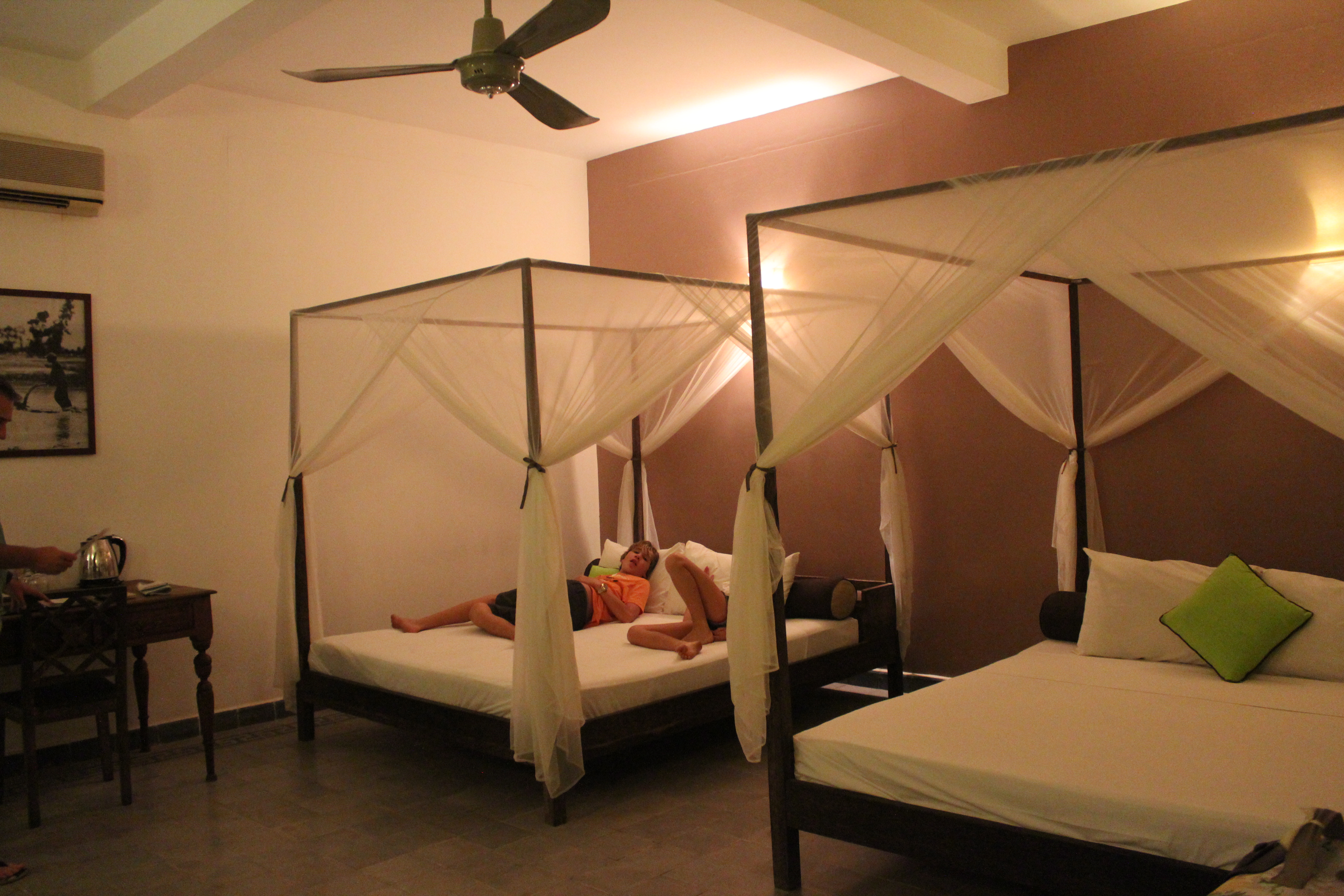
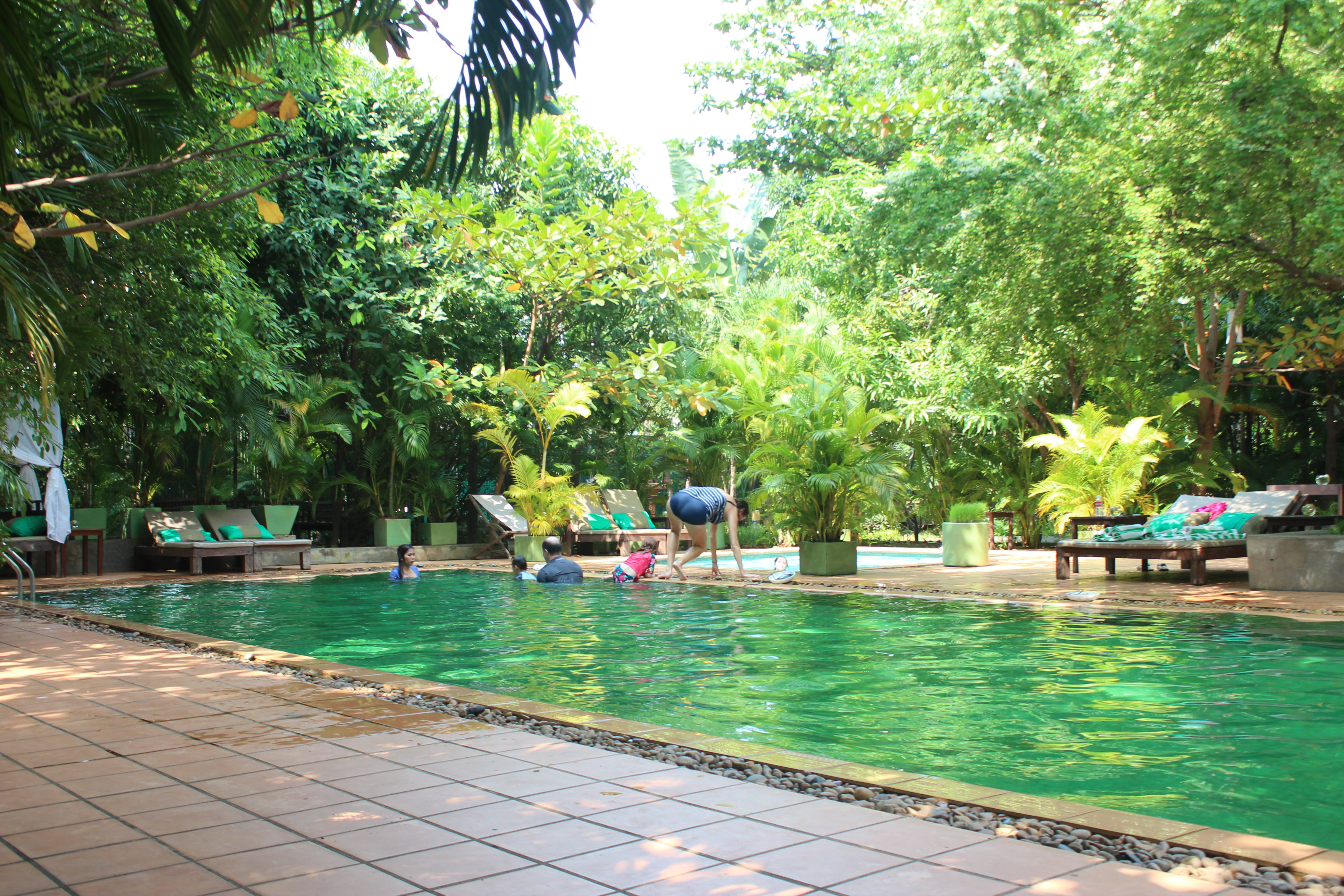
We stayed at the Kabiki Hotel in Phnom Penh it was a tranquil, boutique hotel nestled within a lush tropical garden in the heart of the city. Located in the Daun Penh district, it was just a short walk from the Royal Palace and Independence Monument, offering a peaceful retreat with easy access to Phnom Penh’s main attractions.

Siem Reap
Siem Reap is a popular city in northwestern Cambodia, best known as the gateway to the Angkor Archaeological Park, home to the famous Angkor Wat temple complex. The city itself is vibrant and filled with a mix of cultural heritage, modern amenities, and a relaxed, laid-back atmosphere that makes it a favorite destination for travelers.
The main draw of Siem Reap is its proximity to Angkor Wat, the largest religious monument in the world, as well as other iconic temples like Bayon, Ta Prohm, and Angkor Thom. These temples, built between the 9th and 15th centuries, are significant both historically and architecturally, offering a glimpse into the grandeur of the Khmer Empire.
Beyond the temples, Siem Reap is known for its charming old town, which has a combination of traditional Cambodian markets, colonial-era architecture, and a thriving food scene. Camodia in 2013 felt like the past and future quietly coexist—ancient rituals and timeless architecture remain deeply woven into daily life, even as sleek buildings rise and modern ideas were taking shape. I had the sense that if I returned to Cambodia in the years to come, it would feel markedly different. I was grateful to experience a glimpse of traditional Cambodia now, before rapid development transforms it into a more modern, possibly less authentic version of itself.
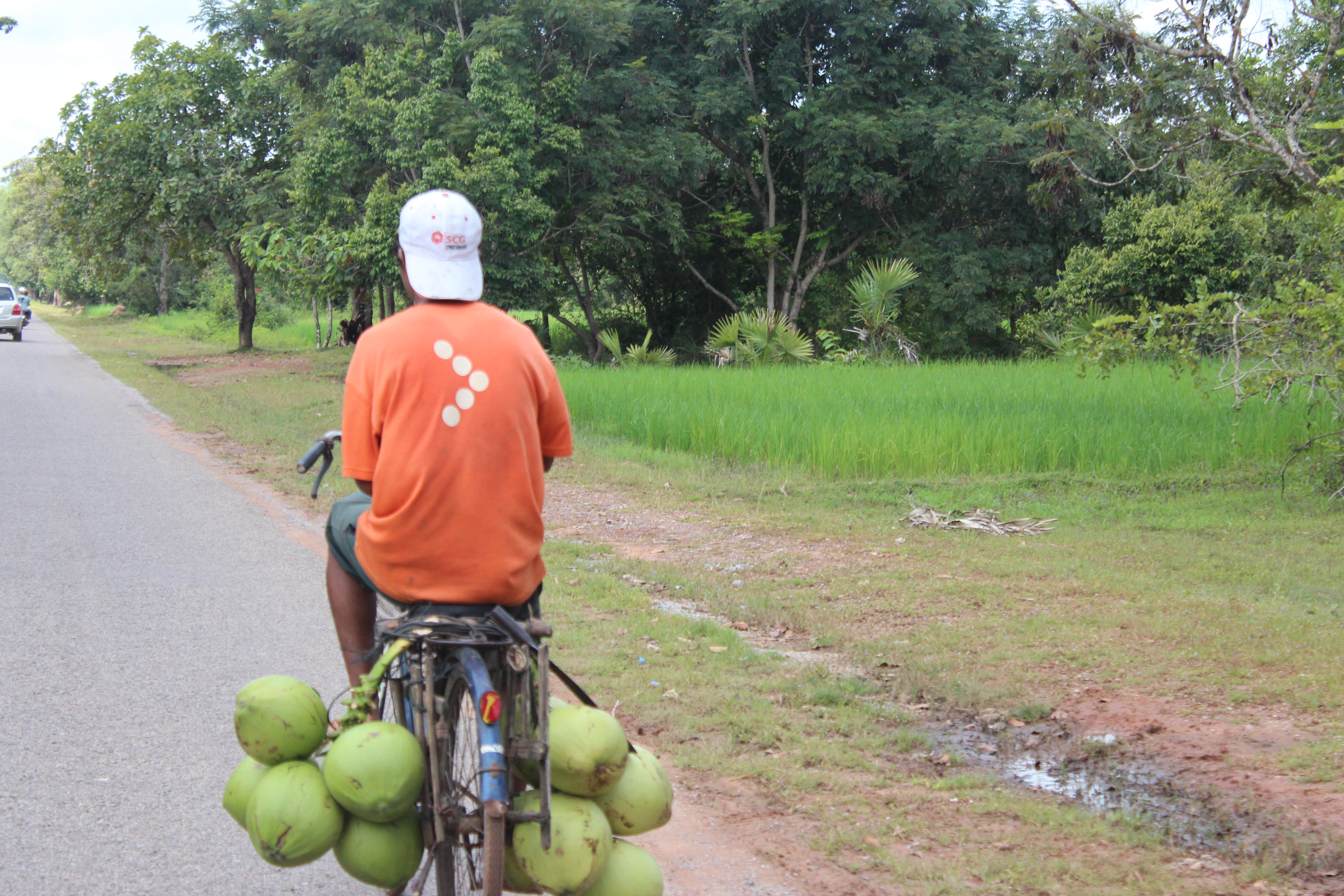
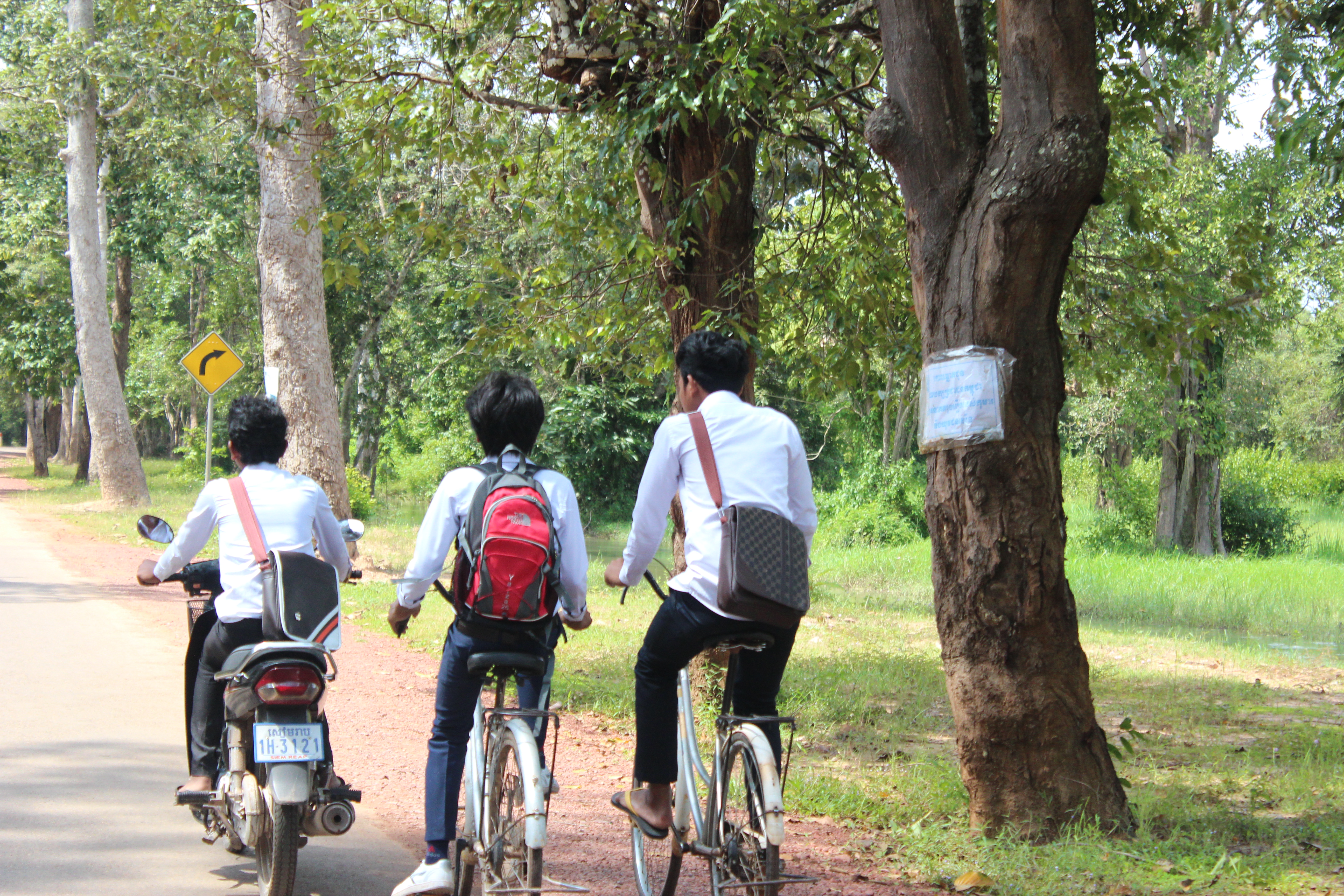
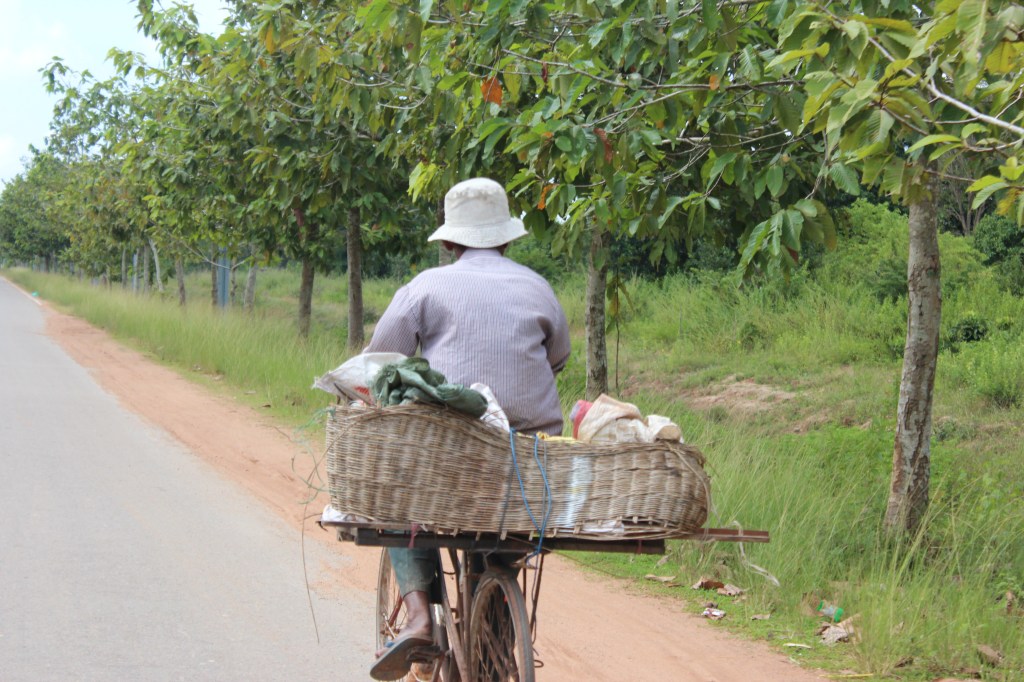
The city also has a strong cultural identity, with local traditions like Apsara dance performances, handicraft markets, and cooking classes that allow visitors to experience Cambodian culture firsthand. Siem Reap has a growing arts scene and offers experiences that range from floating villages on Tonle Sap Lake to rural excursions that showcase Cambodian village life. Though Siem Reap has become a major tourist hub, it has managed to maintain a friendly, approachable atmosphere with a mix of traditional Khmer charm and modern conveniences.
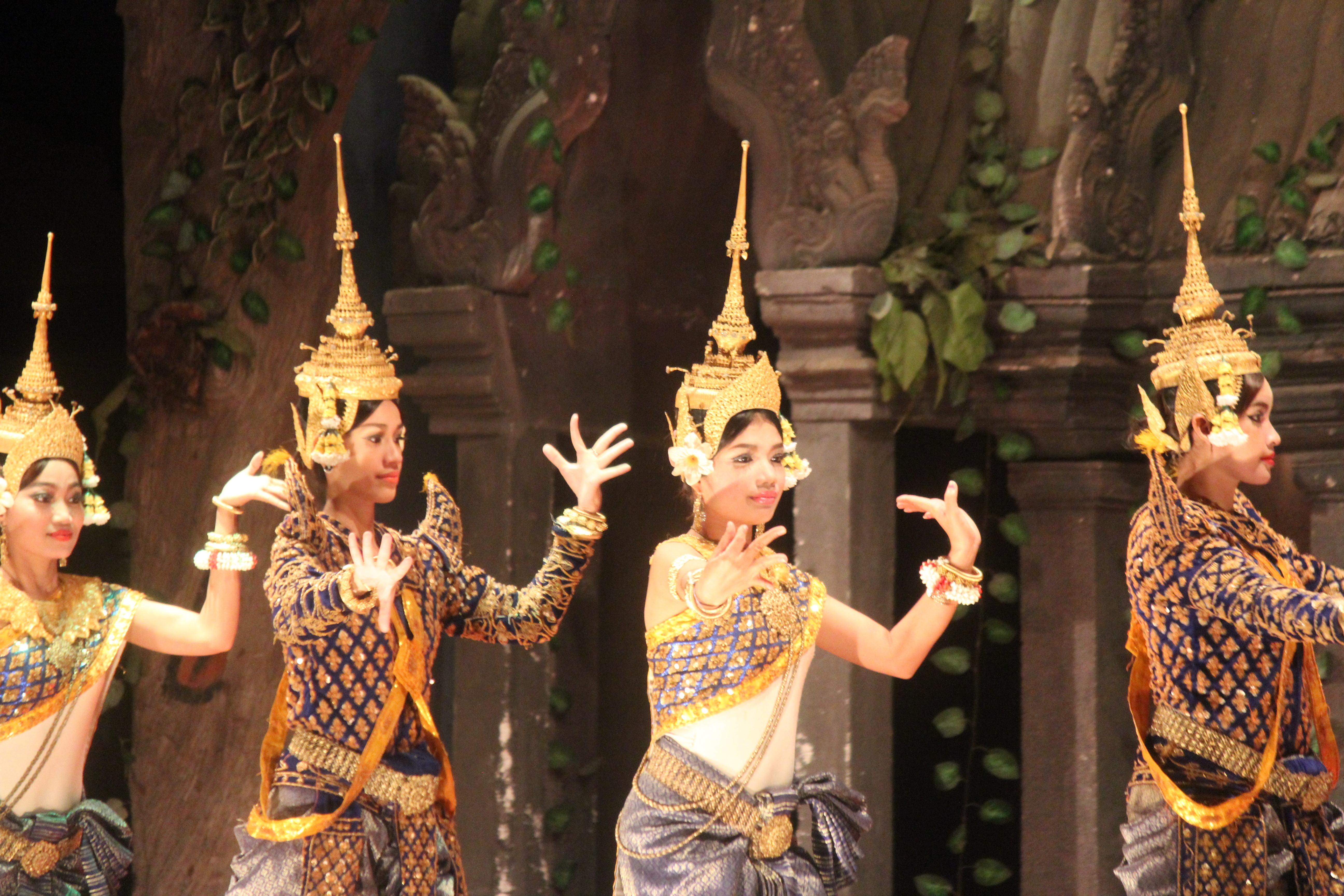
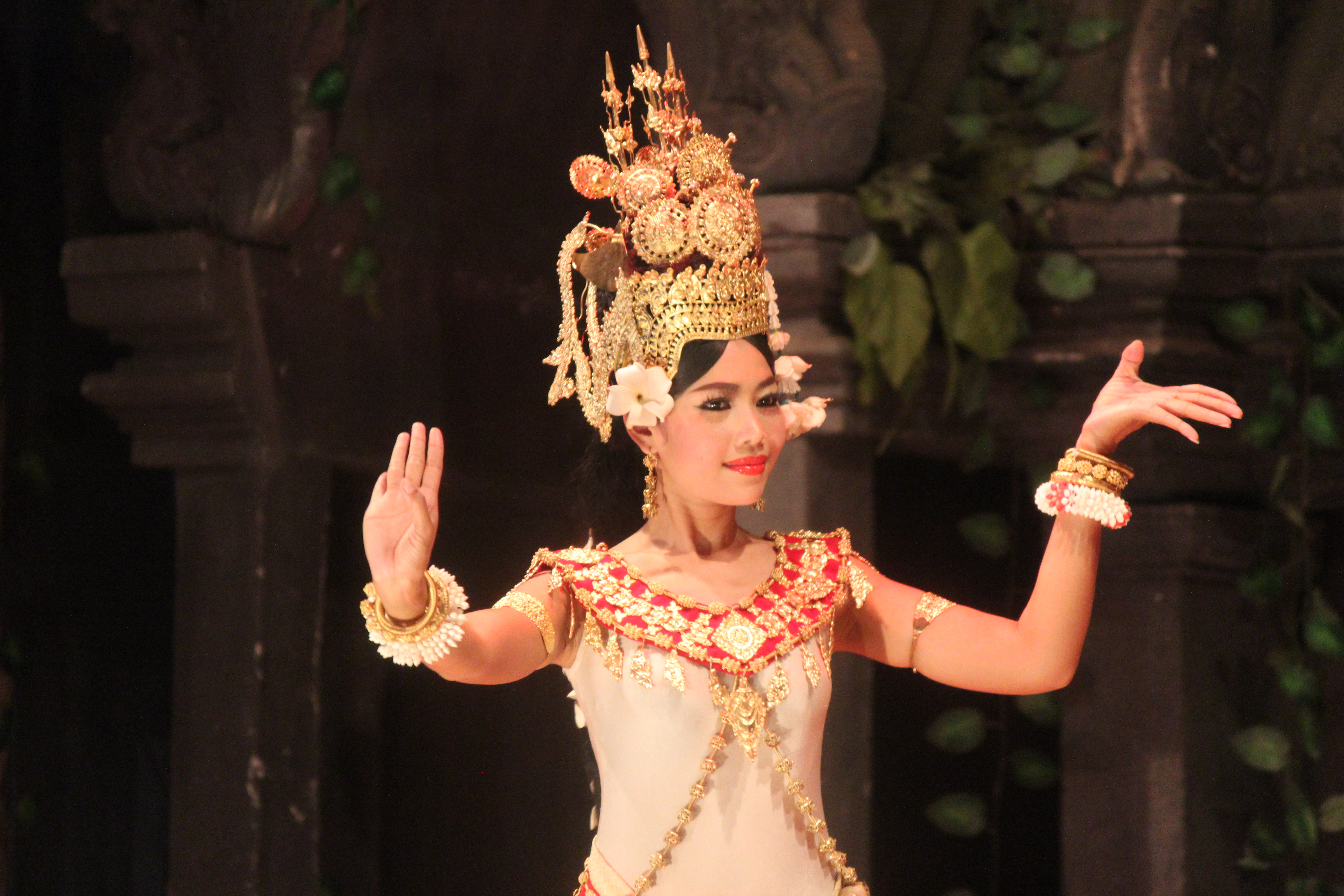
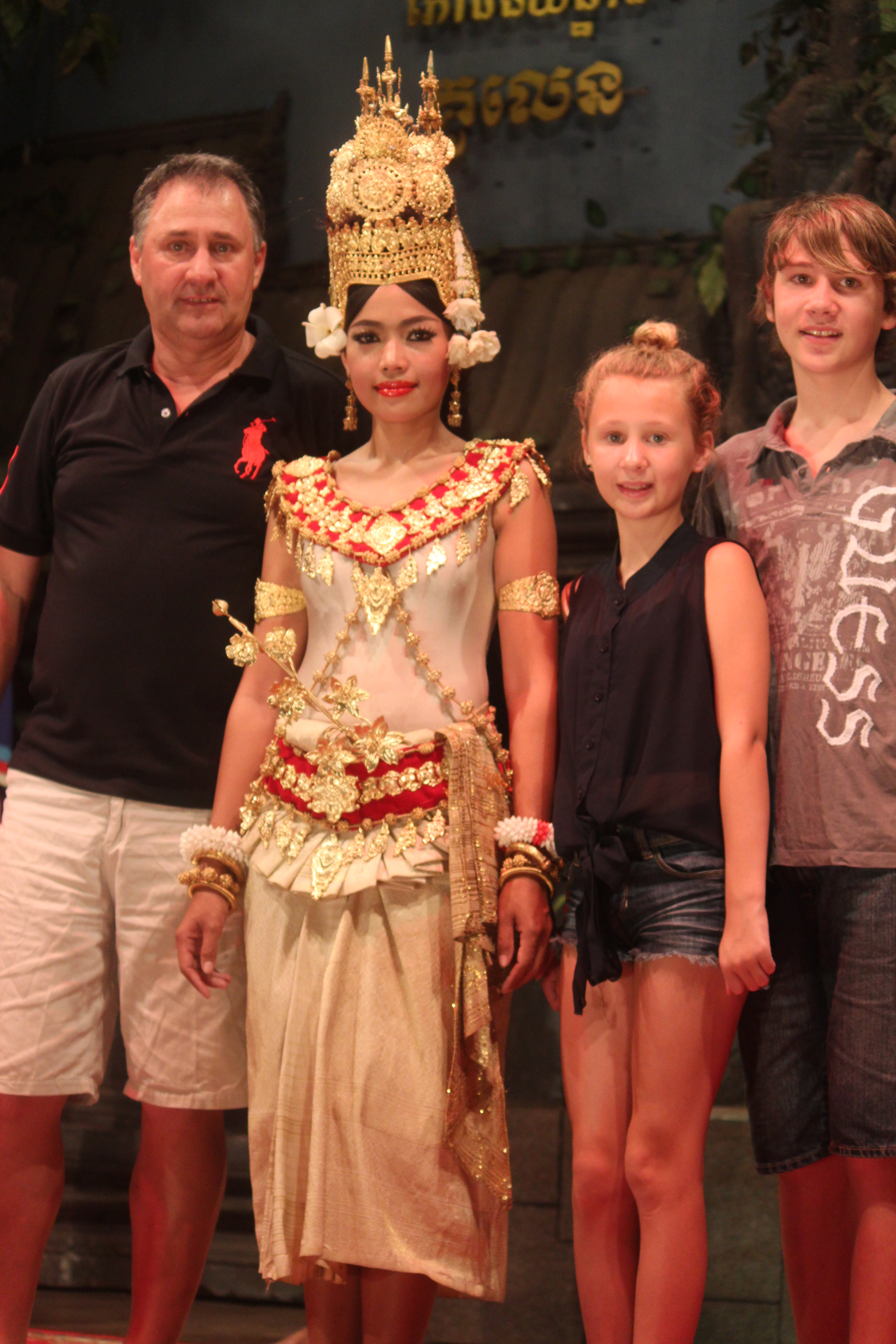
I’ve been to many cultural dance performances on my travels but an Apsara Dance Show is more than just a performance; it’s an immersion into Cambodia’s cultural soul. Whether you’re in Siem Reap or Phnom Penh, this experience offers a memorable evening that showcases the elegance and grace of traditional Khmer arts. Told through elegant costumes and graceful movements that have been passed down through centuries, the costumes worn in Apsara and classical Khmer dance are elaborate, symbolic, and visually stunning

Angkor Archaeological Park
Hiring a tuk tuk driver to explore the Angkor Archaeological Park is one of the most convenient, affordable, and enjoyable ways to experience the vast temple complex. Tuk tuk drivers are familiar with the layout of the park and can customize your itinerary based on your interests and timing. Our driver spoke basic English, and was very knowledgeable about the temples, and he offered helpful suggestions throughout the day. Riding in a tuk tuk gave us the flexibility to travel at our own pace, take breaks, and enjoy the scenic jungle surroundings between temple visits. We arranged our driver through our hotel, agreed on a price and our schedule.

Angkor Wat
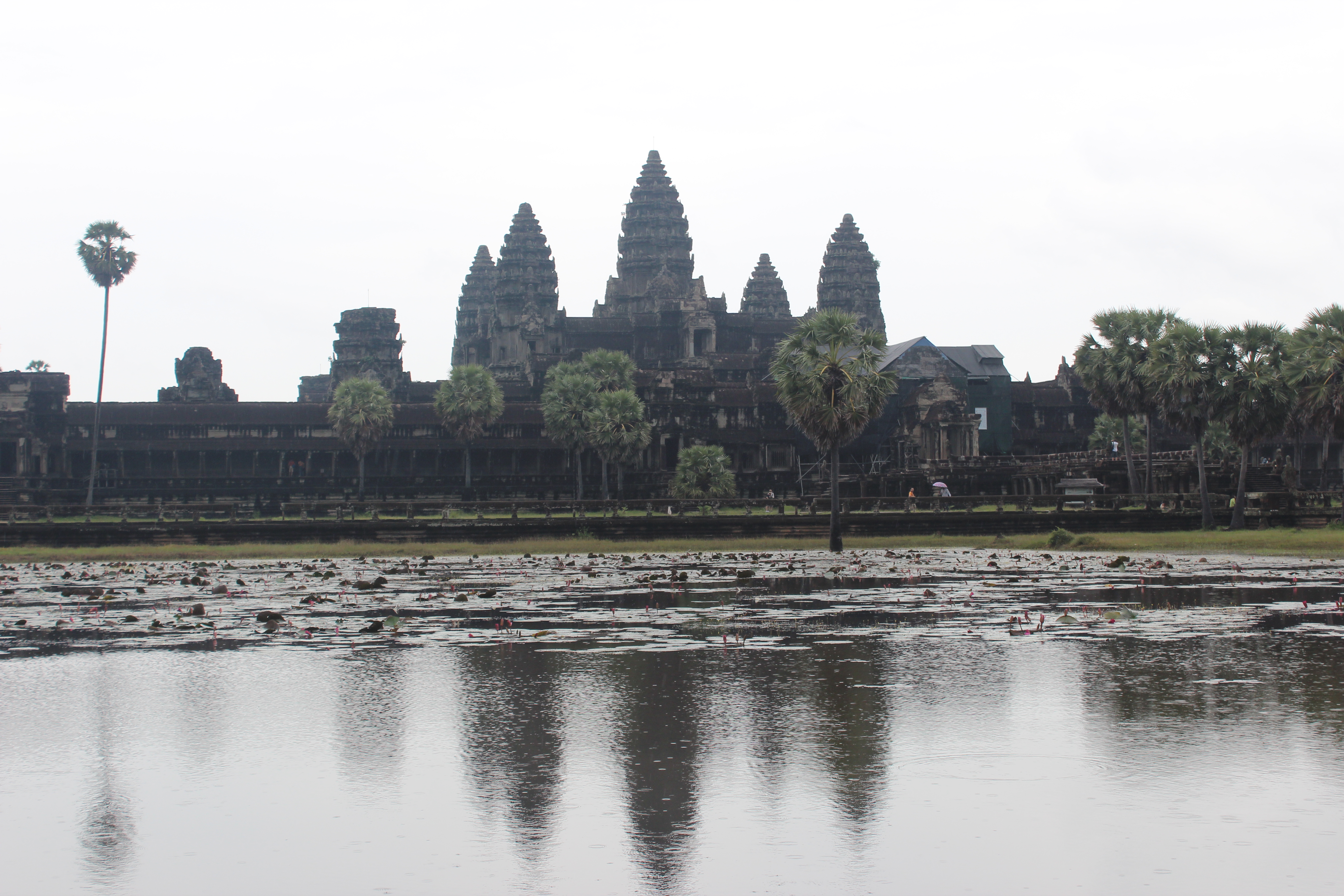
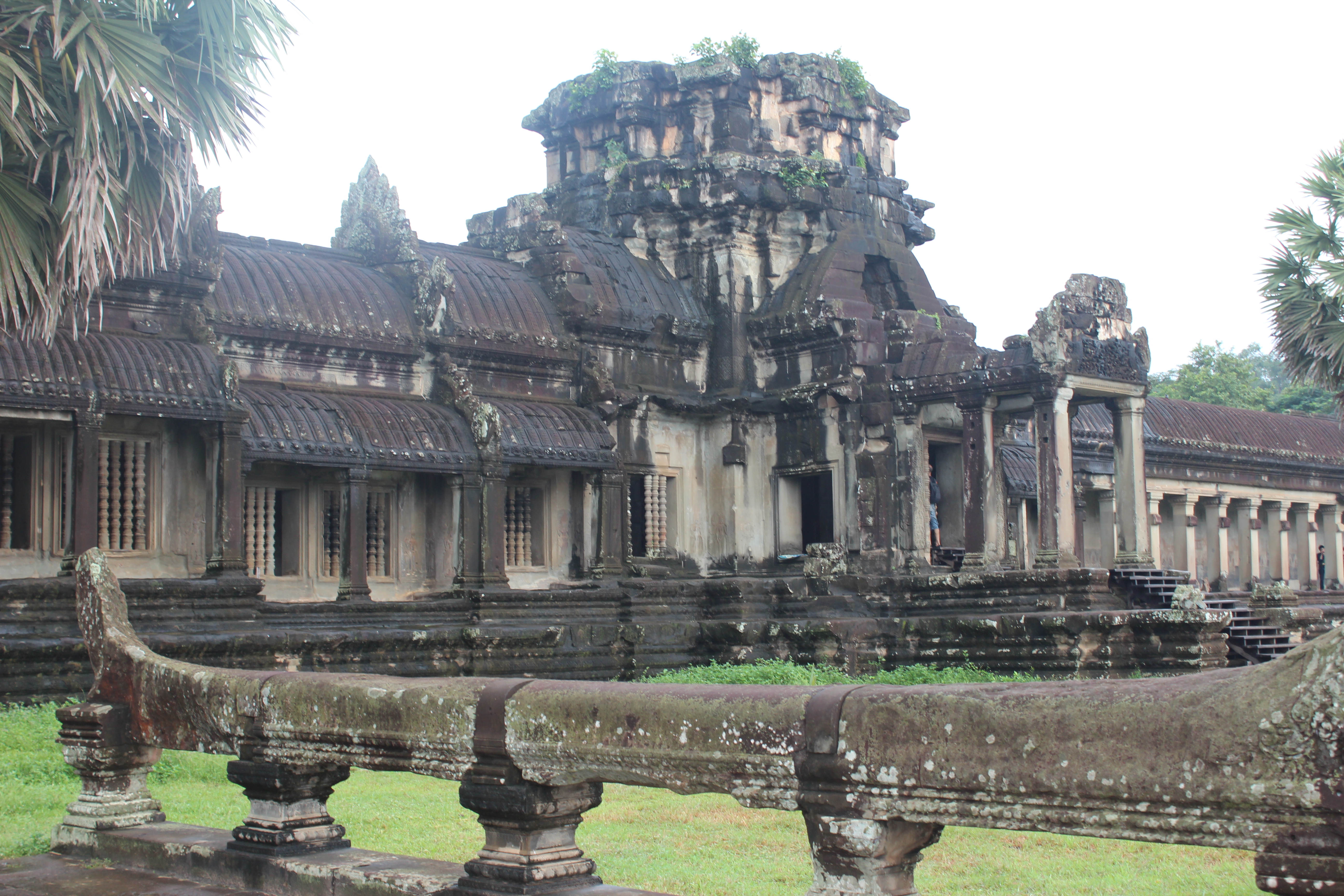
Angkor Wat is the largest religious monument in the world and one of the most iconic symbols of Cambodia. Located in the Angkor Archaeological Park near Siem Reap, it was originally constructed in the early 12th century during the reign of King Suryavarman II of the Khmer Empire, dedicated to the Hindu god Vishnu. Over time, it gradually transitioned into a Buddhist temple, which it remains today.
Angkor Wat is not only a masterpiece of classical Khmer architecture but also an enduring symbol of Cambodian national pride. Its image appears on the Cambodian flag, and the site attracts millions of visitors annually who come to admire its beauty, history, and spiritual significance.
Bayon Temple
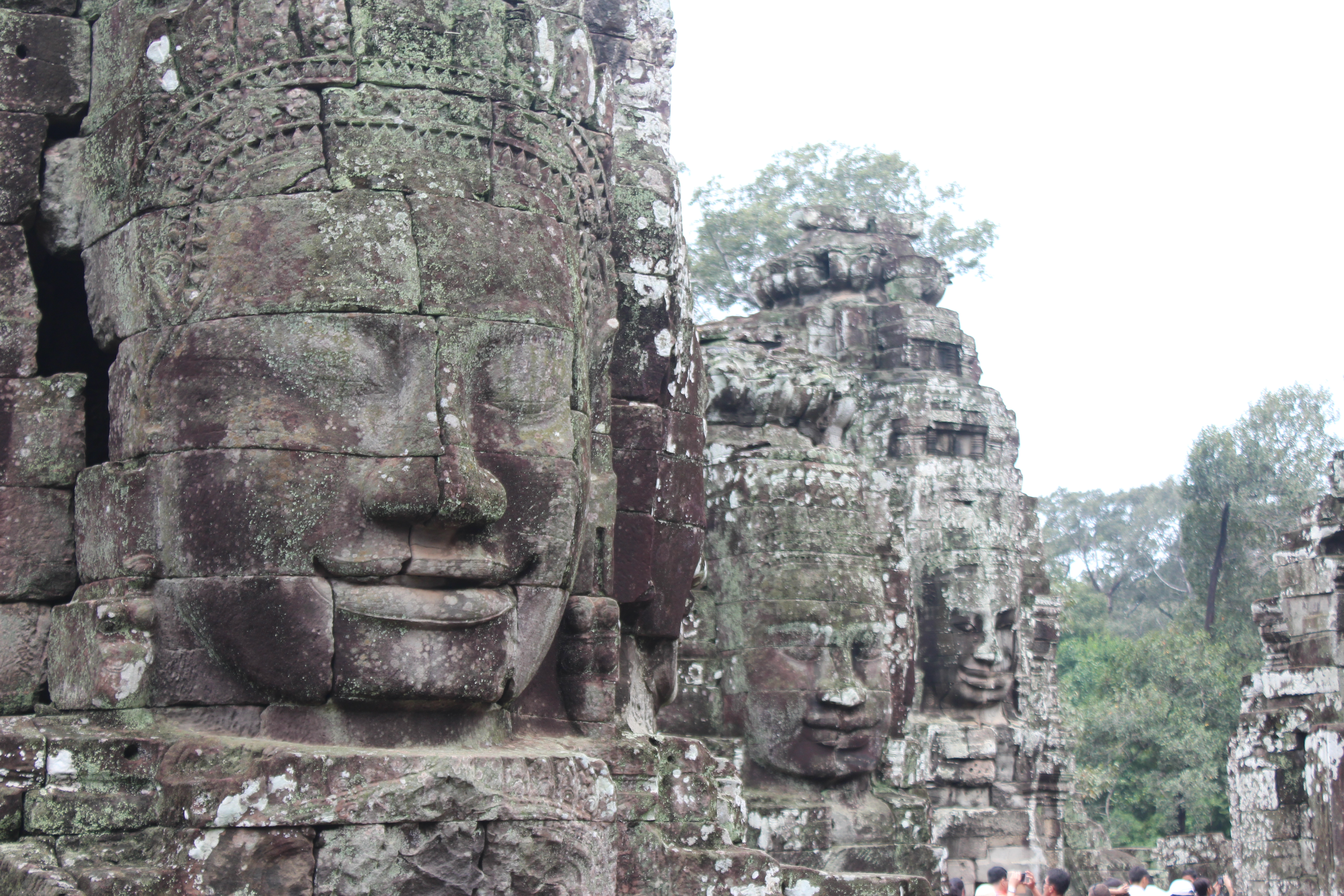
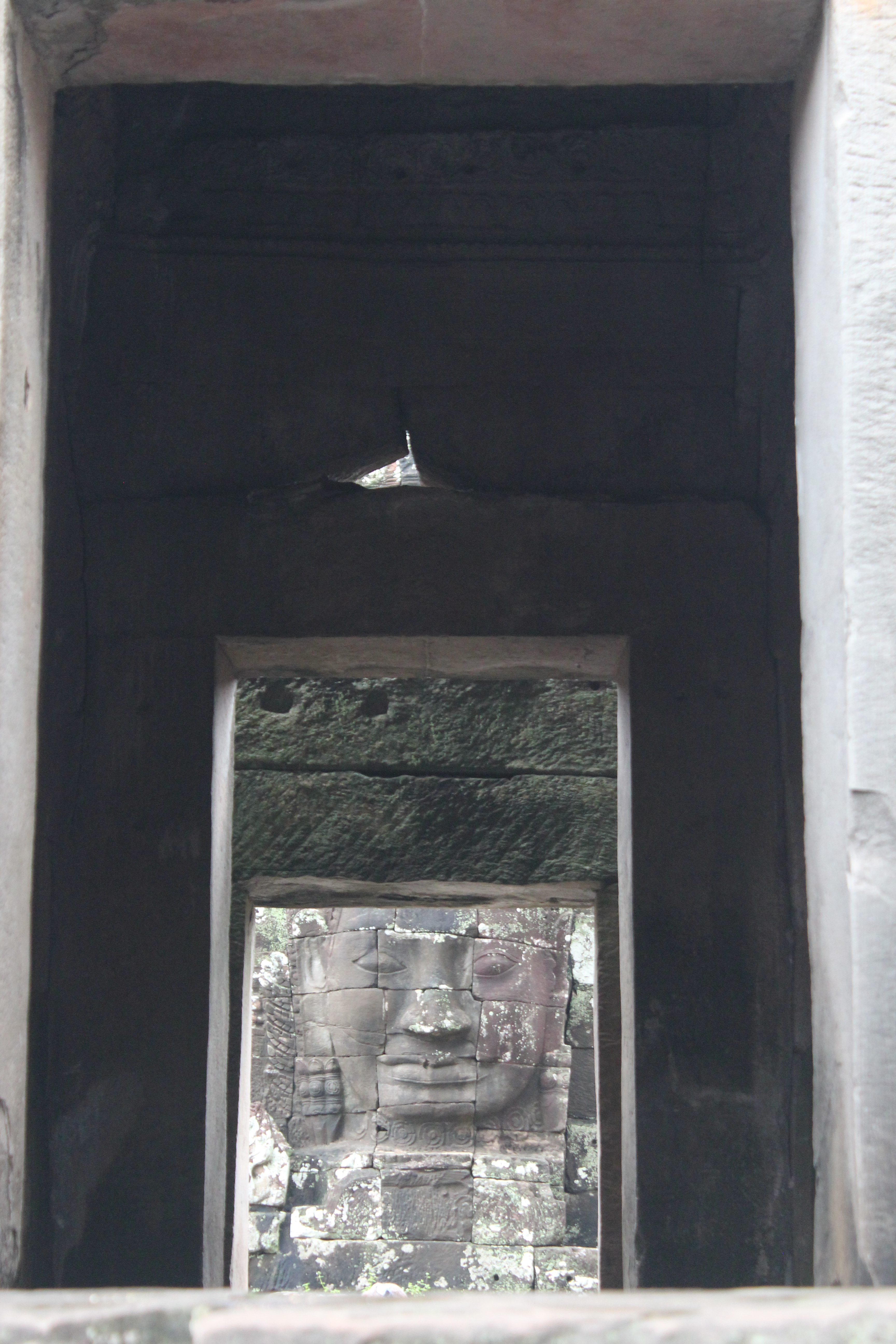
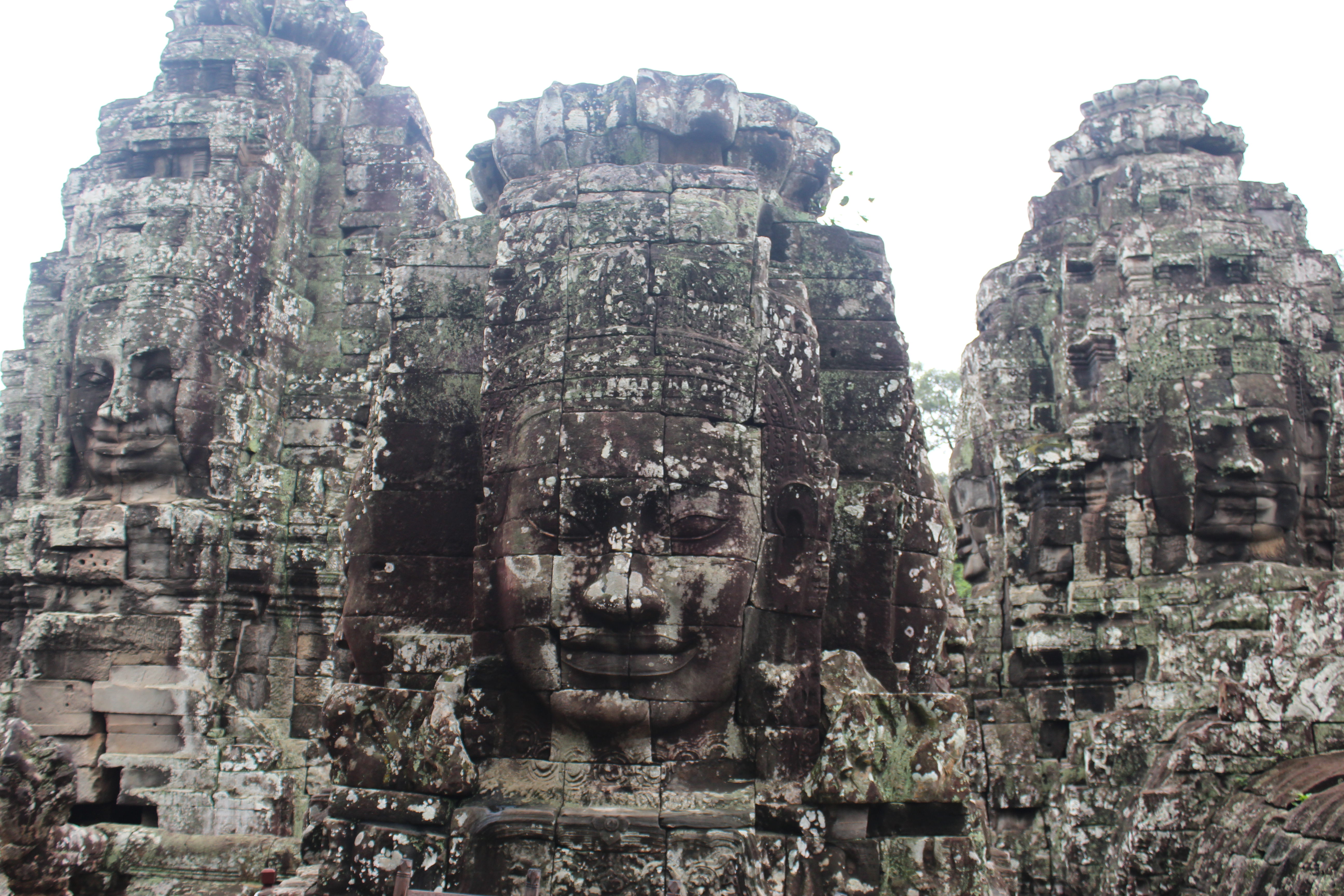
Bayon Temple is a mixture of both Hindu and Buddhist elements, reflecting the shift in the Khmer Empire from Hinduism to Buddhism during Jayavarman VII’s reign. The temple’s design is unlike other Angkor temples, with a more labyrinthine layout. Built in the late 12th century or early 13th century by King Jayavarman VII, Bayon is one of the most famous and enigmatic temples in the Angkor Archaeological Park. The faces, in particular, have become an enduring symbol of Cambodia’s cultural and spiritual heritage.
Ta Prohm
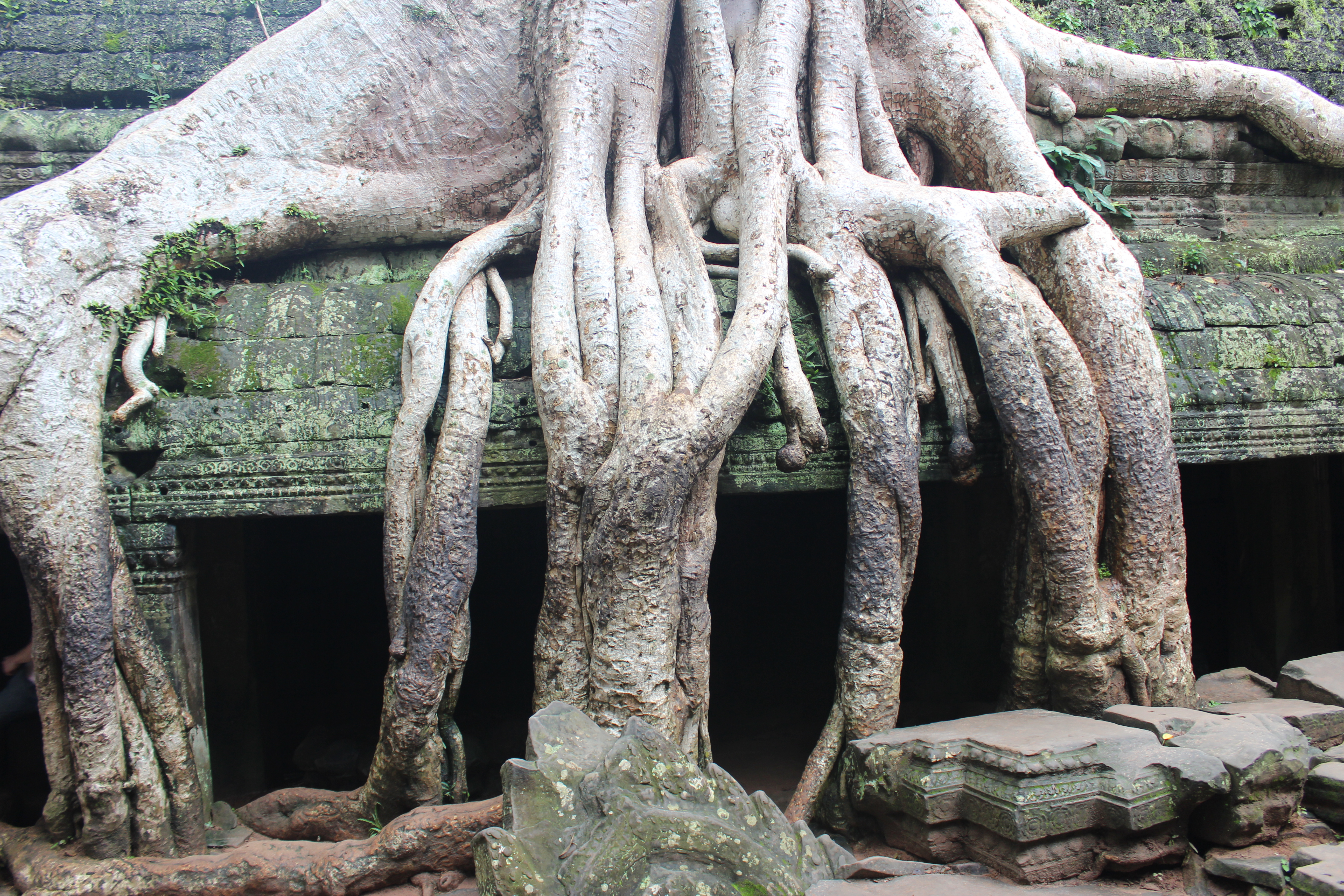
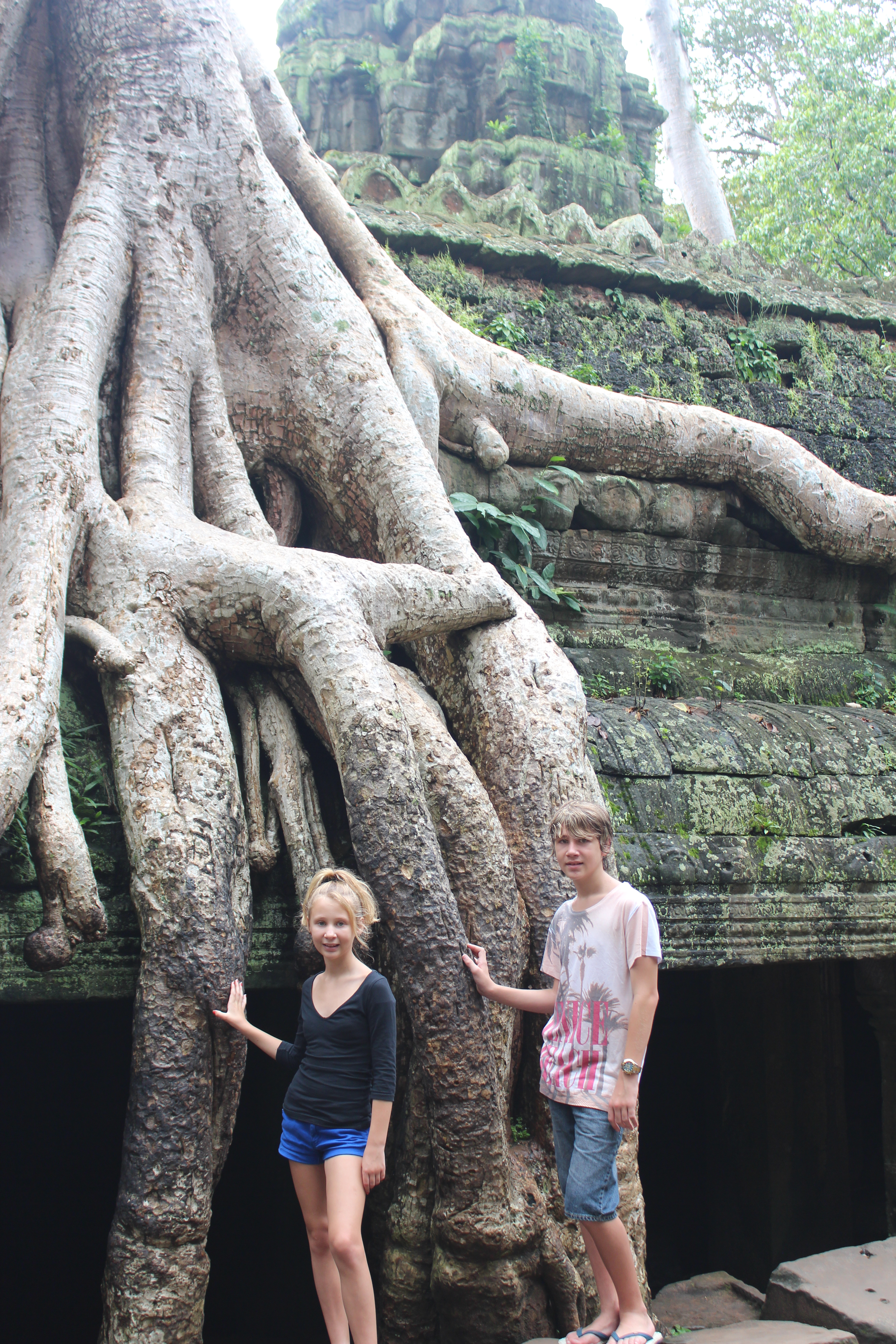
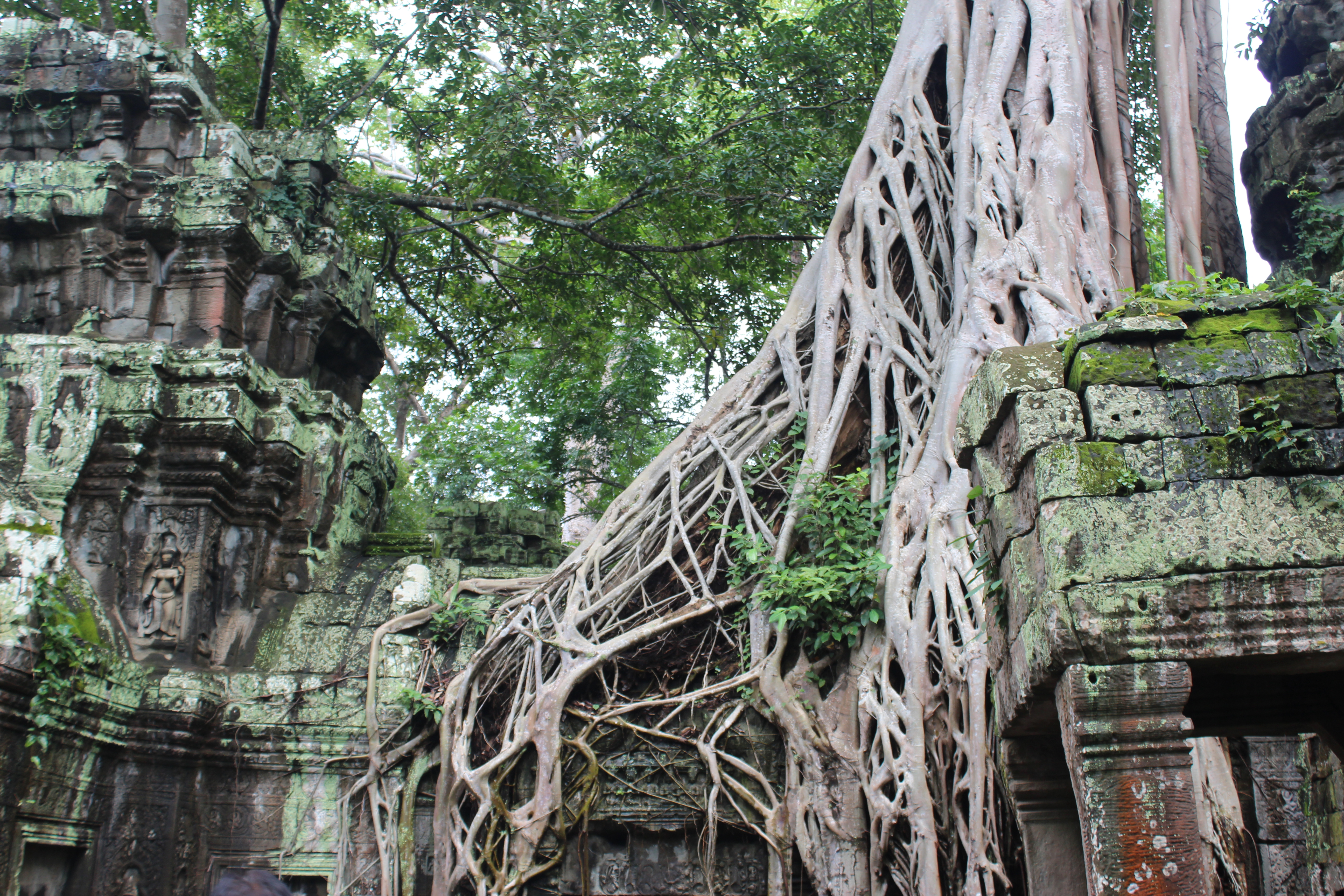
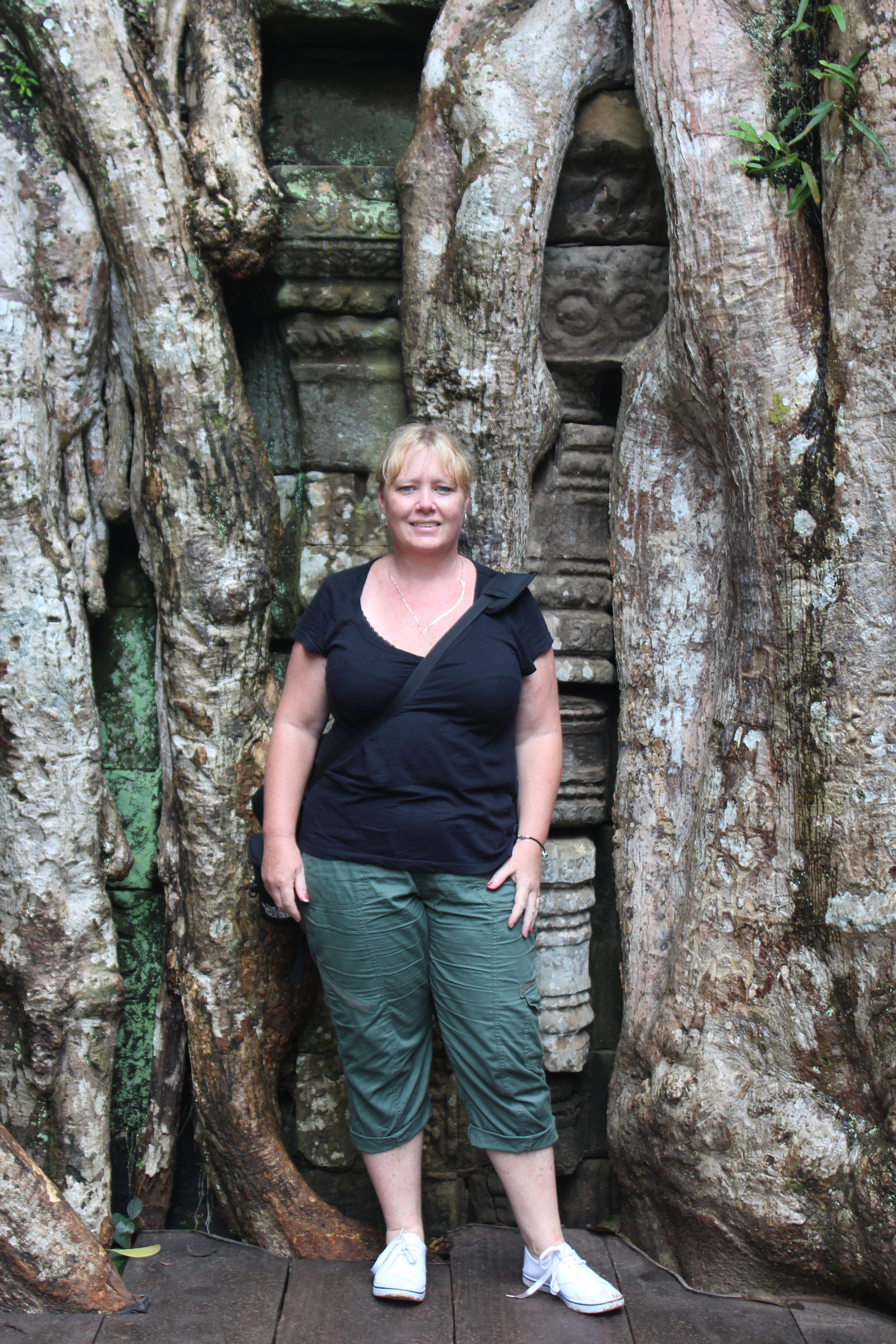
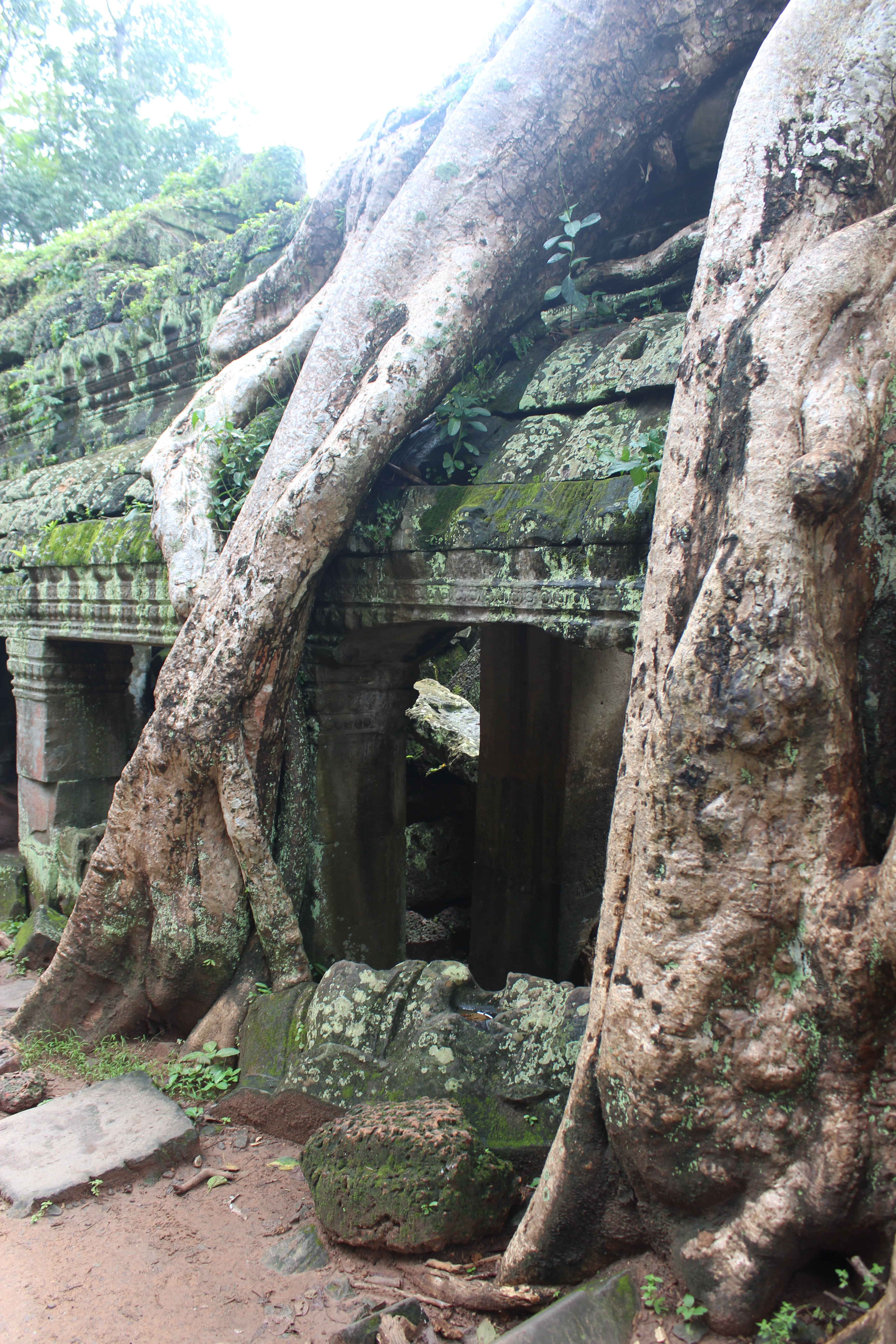
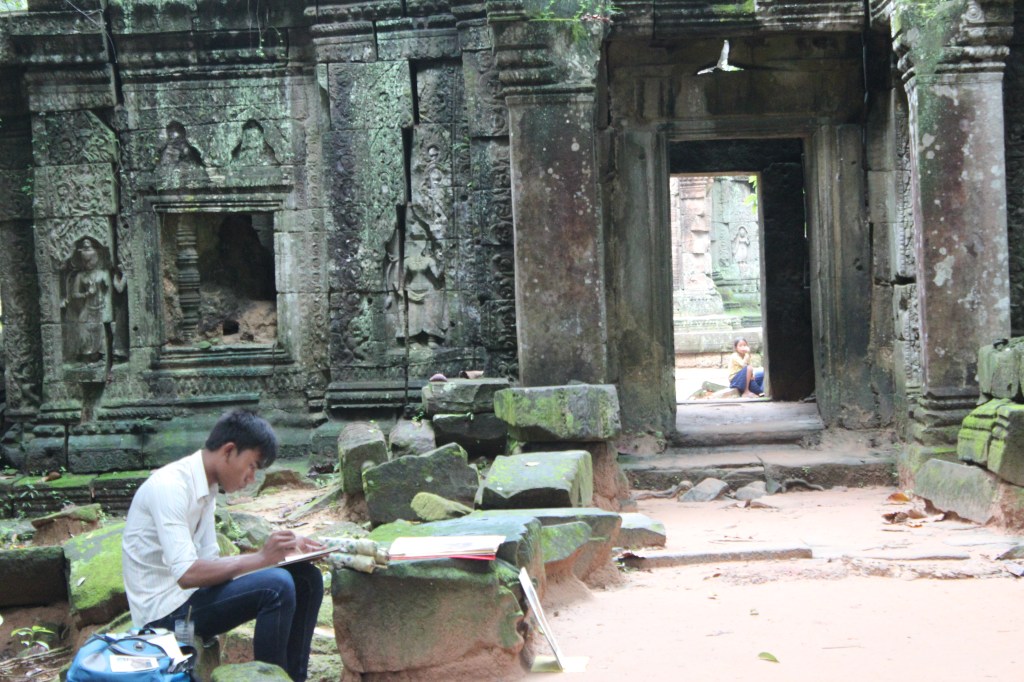
What makes Ta Prohm especially famous is its unique, jungle-covered appearance. Unlike many other Angkor temples that have been extensively restored, Ta Prohm has been left largely in its natural state. Massive trees—mainly silk-cotton and strangler fig trees—grow out of the temple’s stone walls, with their roots snaking through the structures and intertwining with the ancient masonry. This striking fusion of nature and architecture gives the temple a hauntingly beautiful feel. Ta Prohm is also well known internationally due to its appearance in the film Lara Croft: Tomb Raider (2001), which helped cement its reputation as the “jungle temple” or the “Tomb Raider temple.” As we walked through its crumbling corridors, I felt both awed and humbled, by the surreal feeling in realizing that an entire world once thrived beneath the tree line—temples, homes, and lives now hidden or overtaken by the jungle.
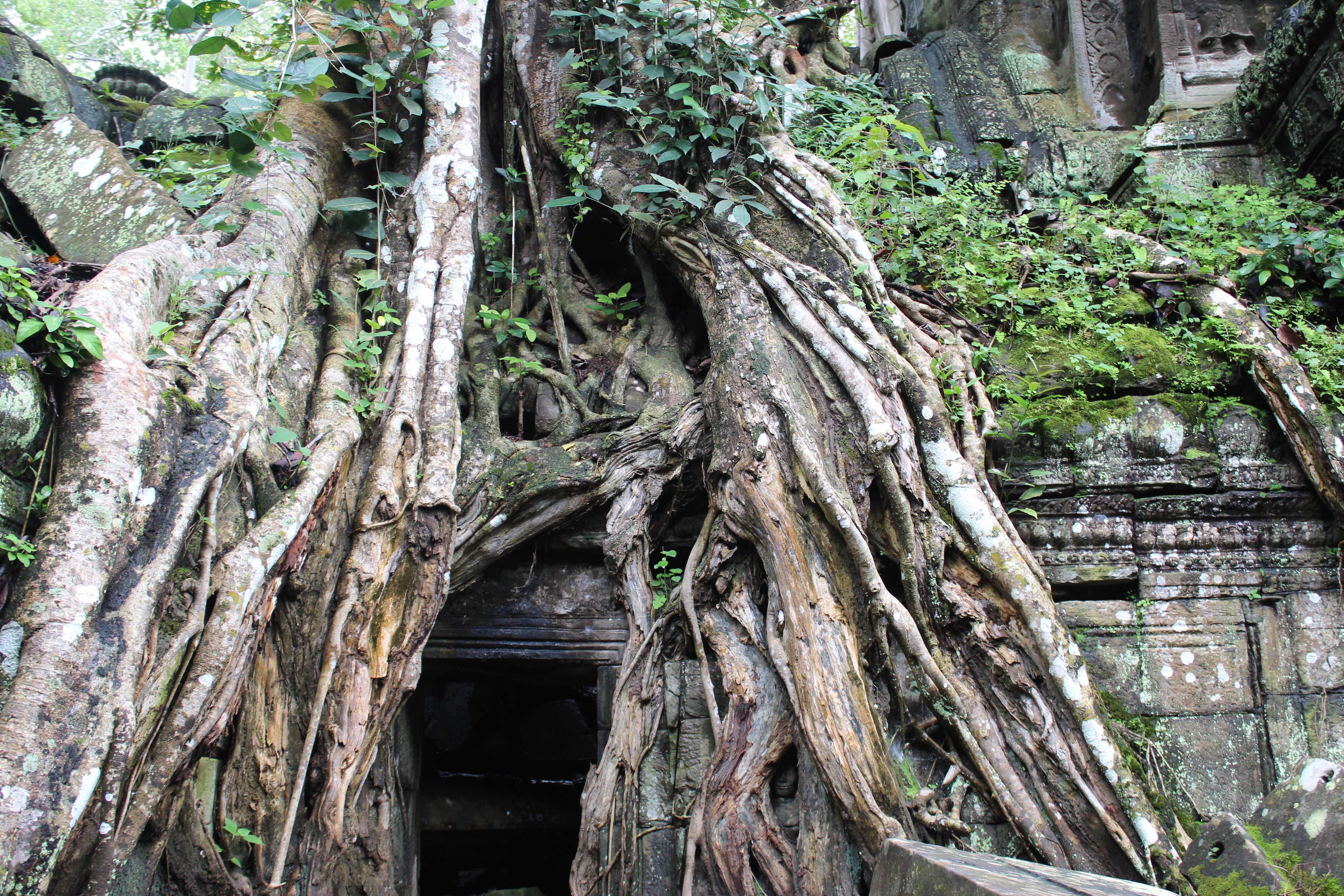
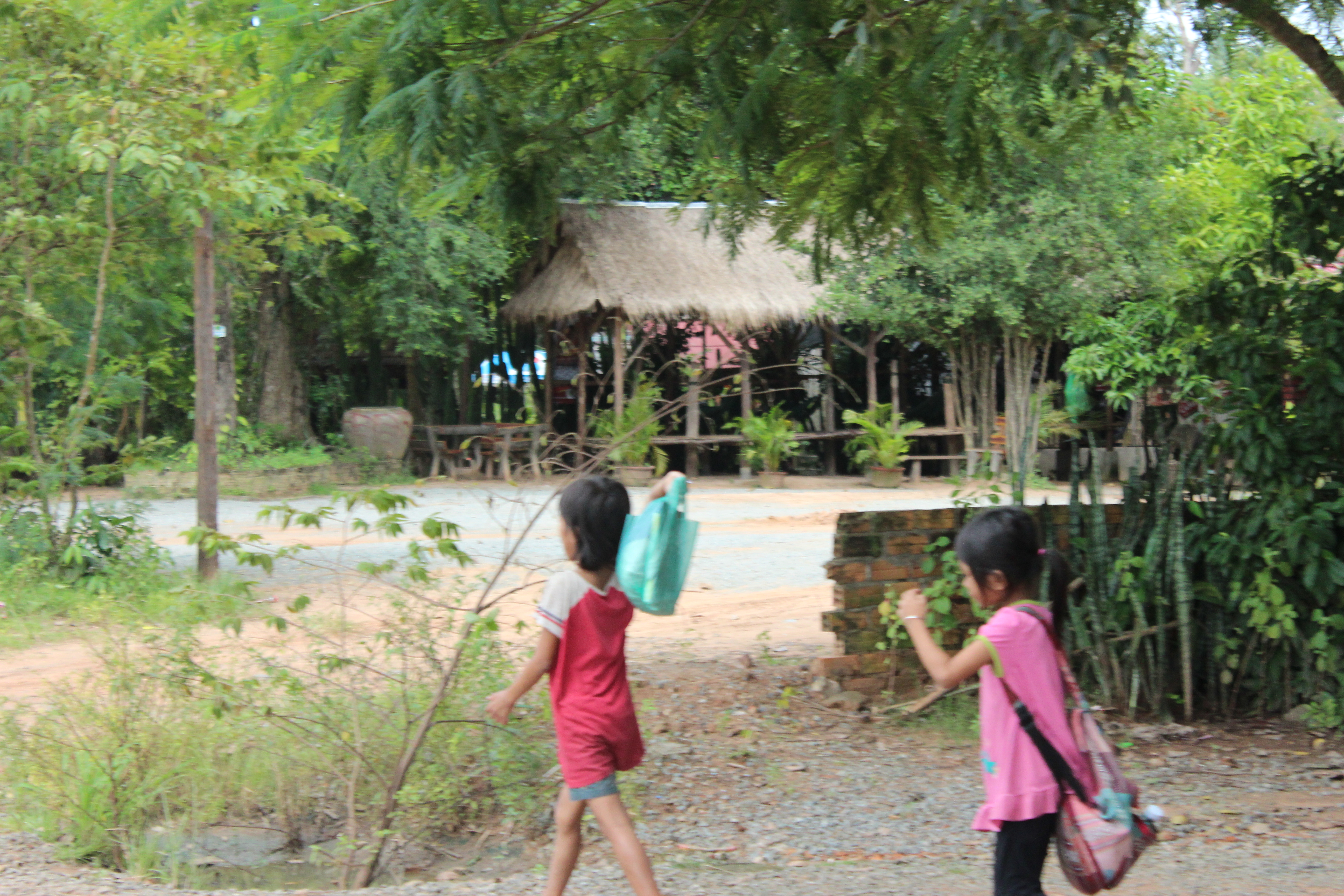
I found Cambodians are generally welcoming and hospitable, especially to visitors. Smiles are common and Buddhism plays a central role in daily life, shaping not only religious practices but also moral values such as kindness, patience, and humility. Around the temples, children often approached us with gentle manners, offering handmade trinkets and souvenirs—and naturally, I couldn’t help myself and ended up bringing home a few things I didn’t really need. I felt torn, wishing they were in school chasing dreams, not dollars, but also understanding that for many, earning money is a matter of survival for their families. It’s a stark reminder of the deep inequalities that shape childhood so differently around the world.
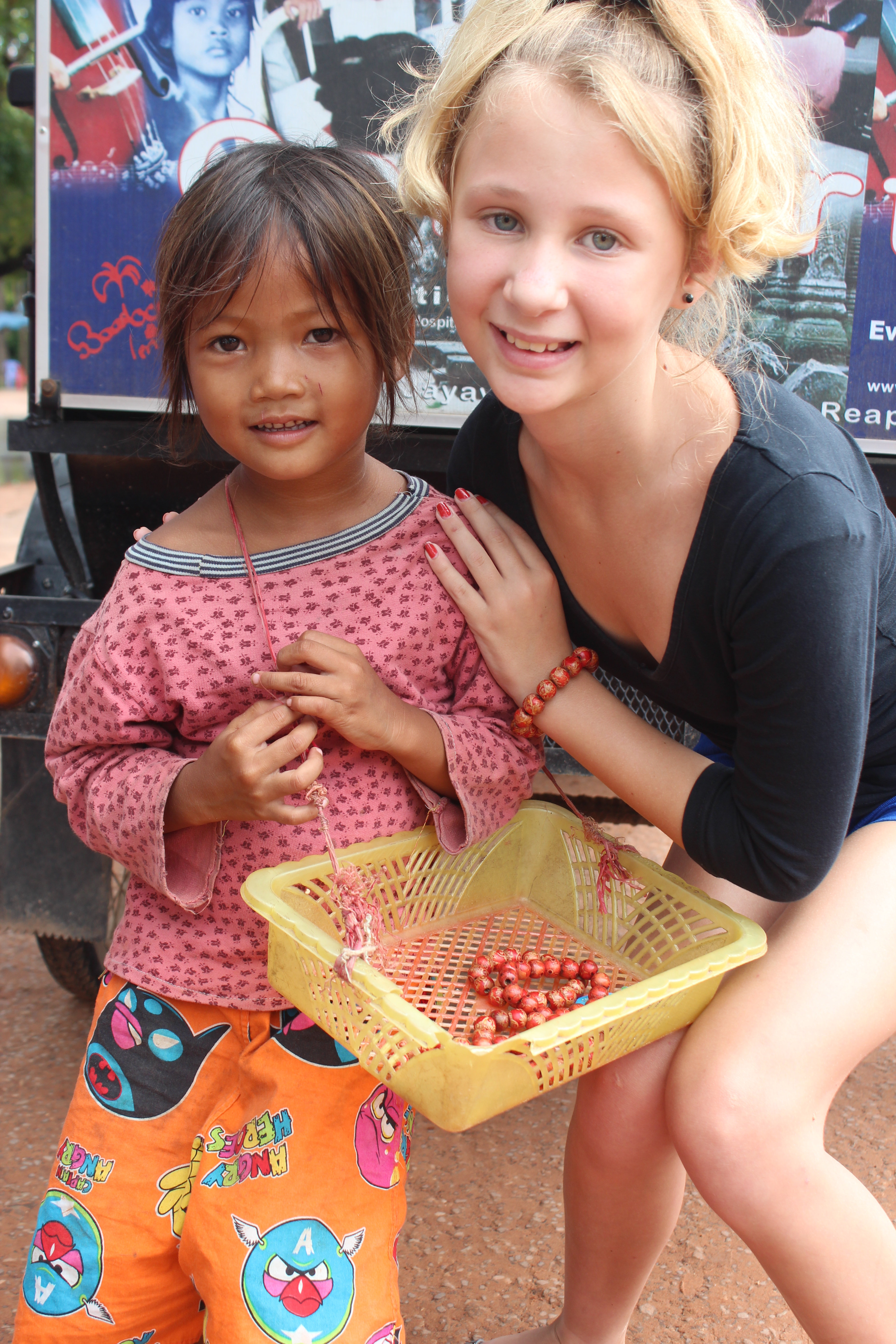
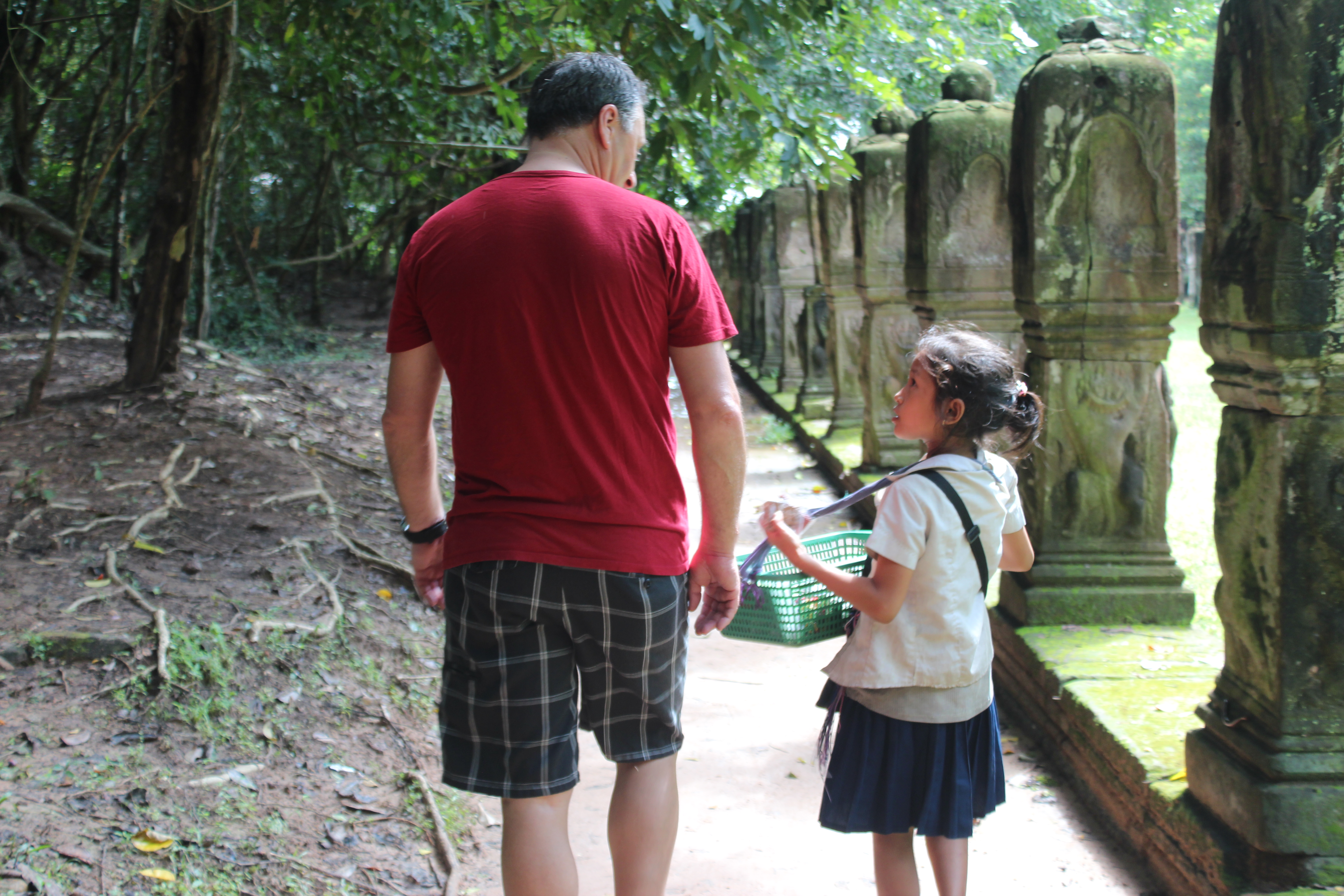
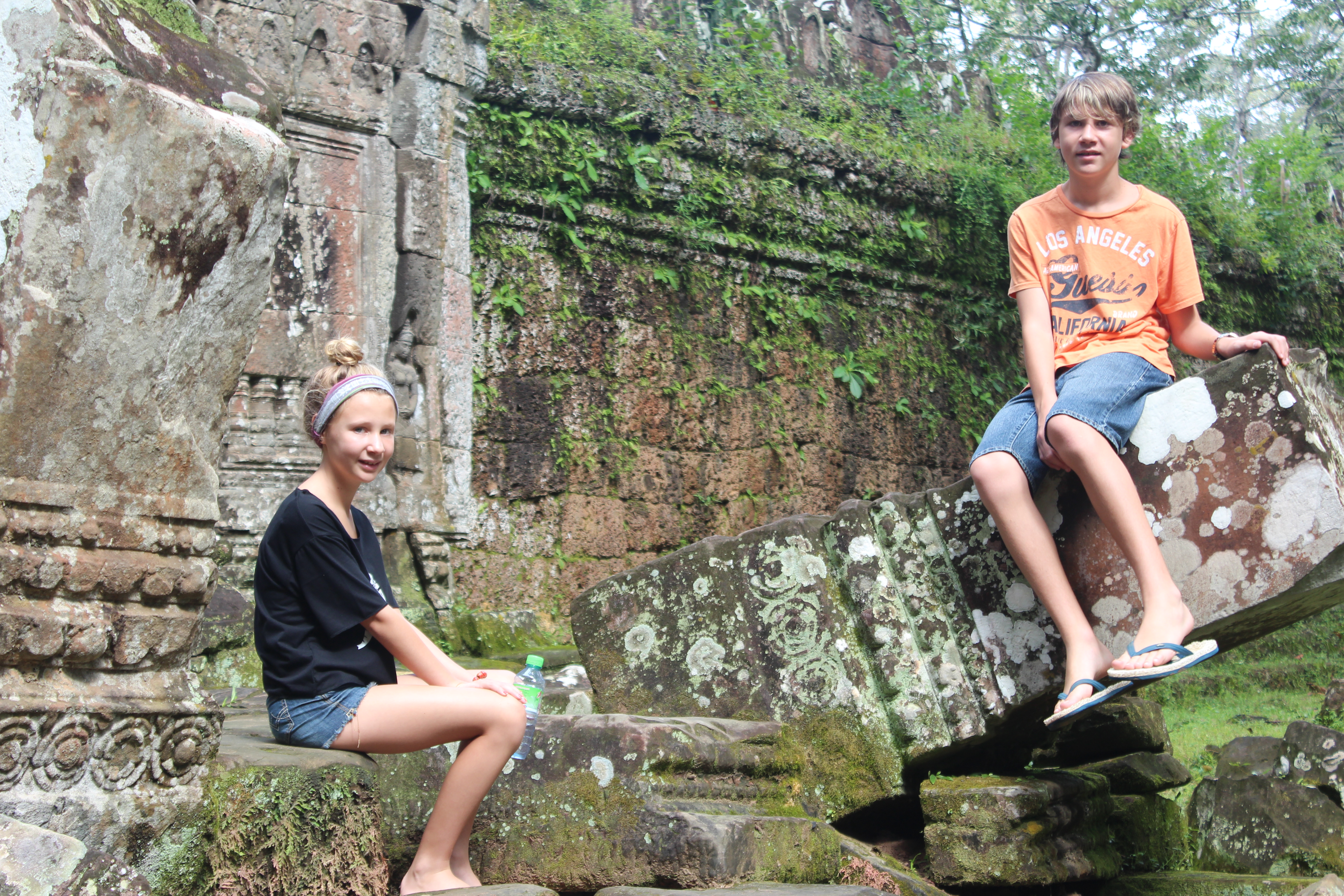
Photos of our children, privileged enough to explore and learn about this fascinating country, served as a stark reminder of the contrasting reality faced by many local children. The contrast was humbling and deeply moving, highlighting both the beauty of travel and the responsibility it brings for our children to learn empathy, gratitude, and awareness—that the world is vast and unequal, and their opportunities are not shared by all. It’s about helping them understand the value of education, and the importance of using their privilege with purpose—to be kind, to give back, and to never take their circumstances for granted.
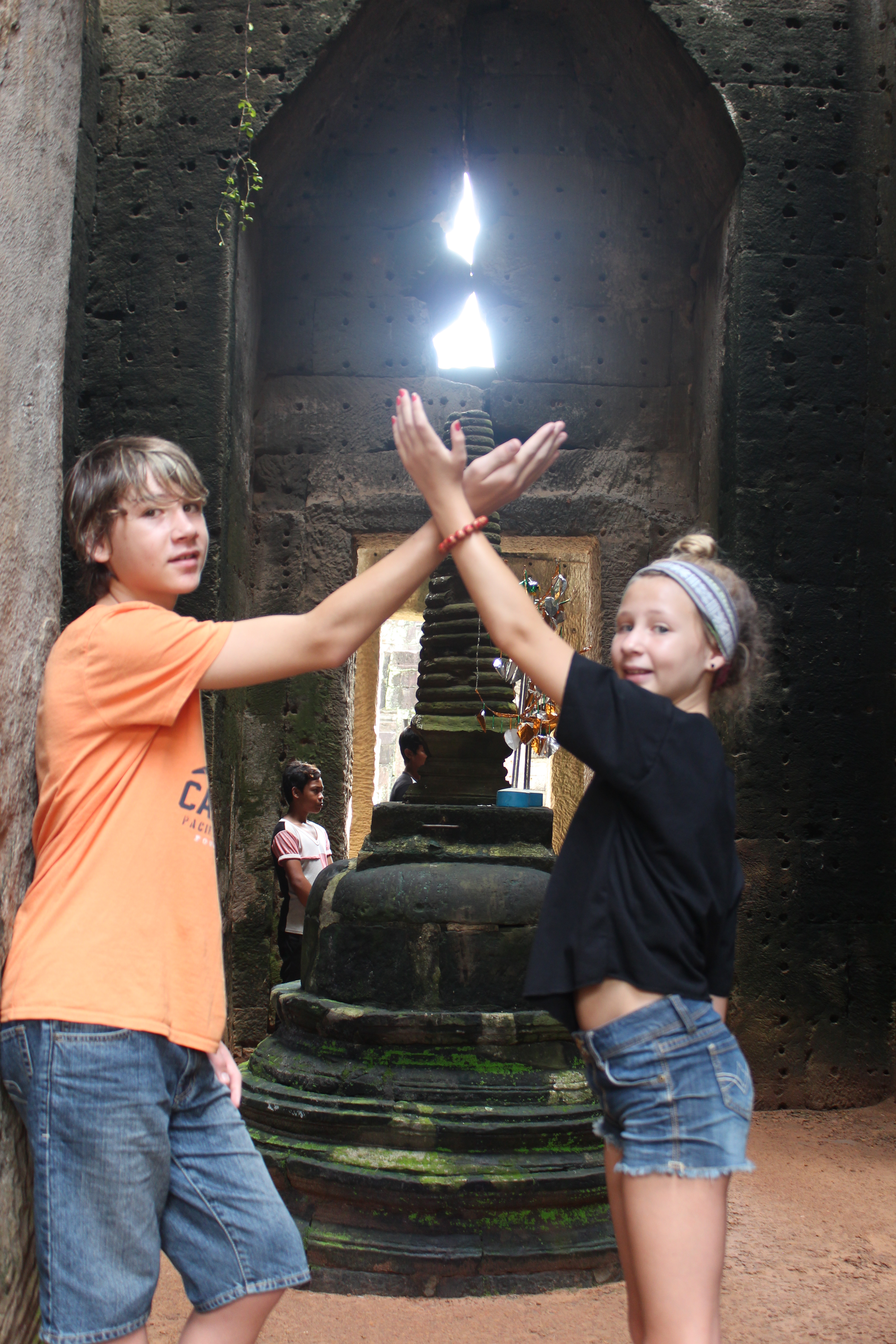
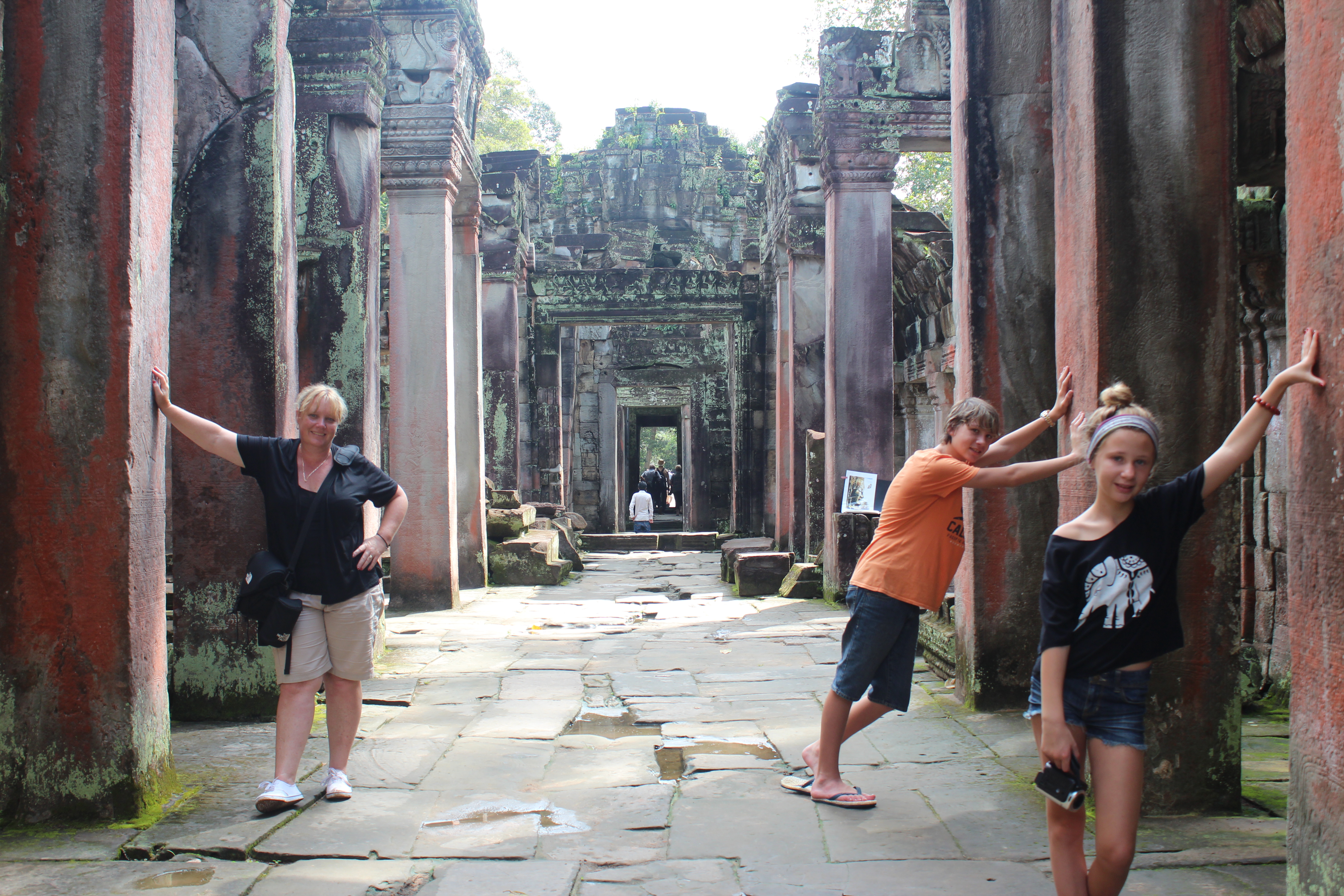
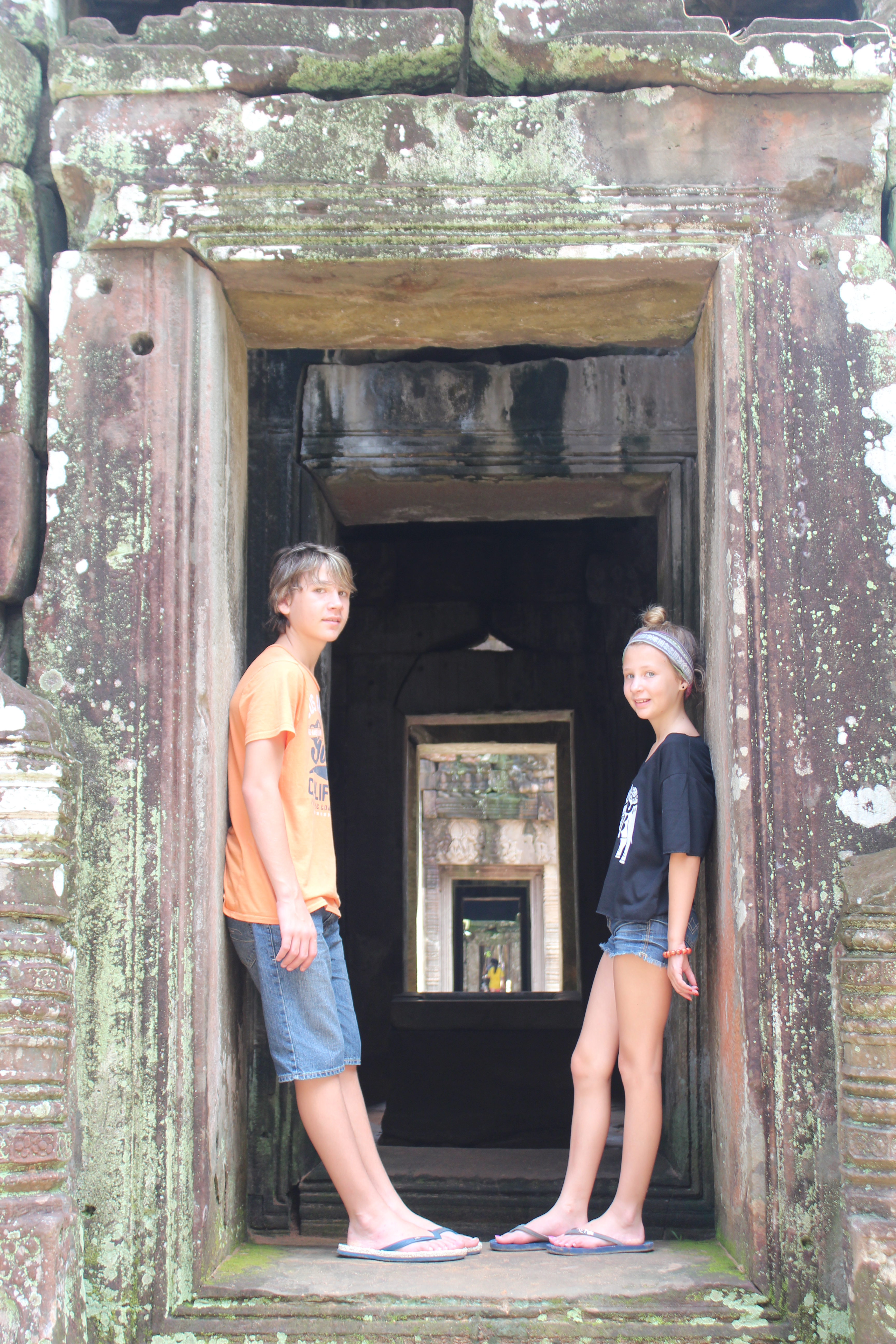
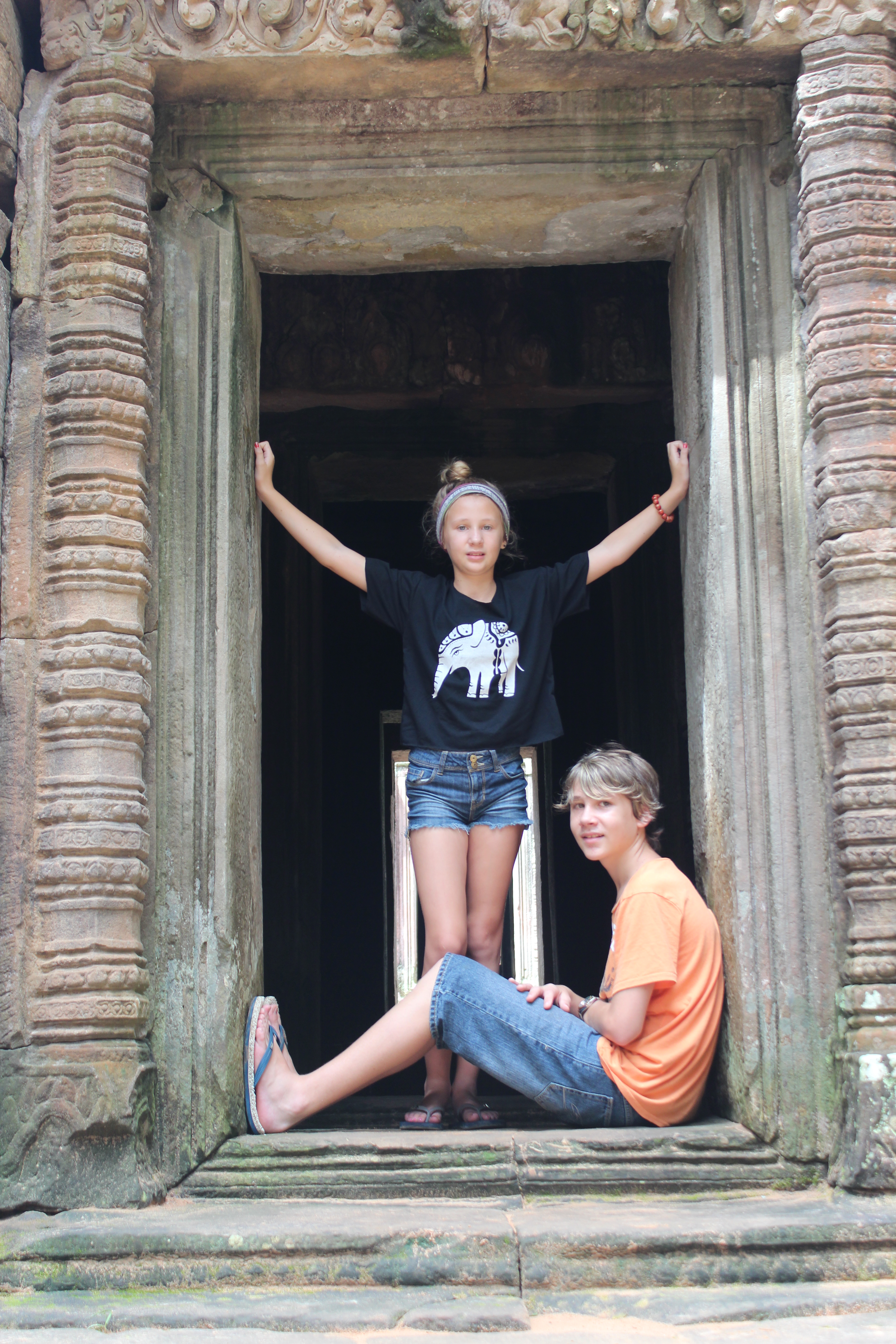
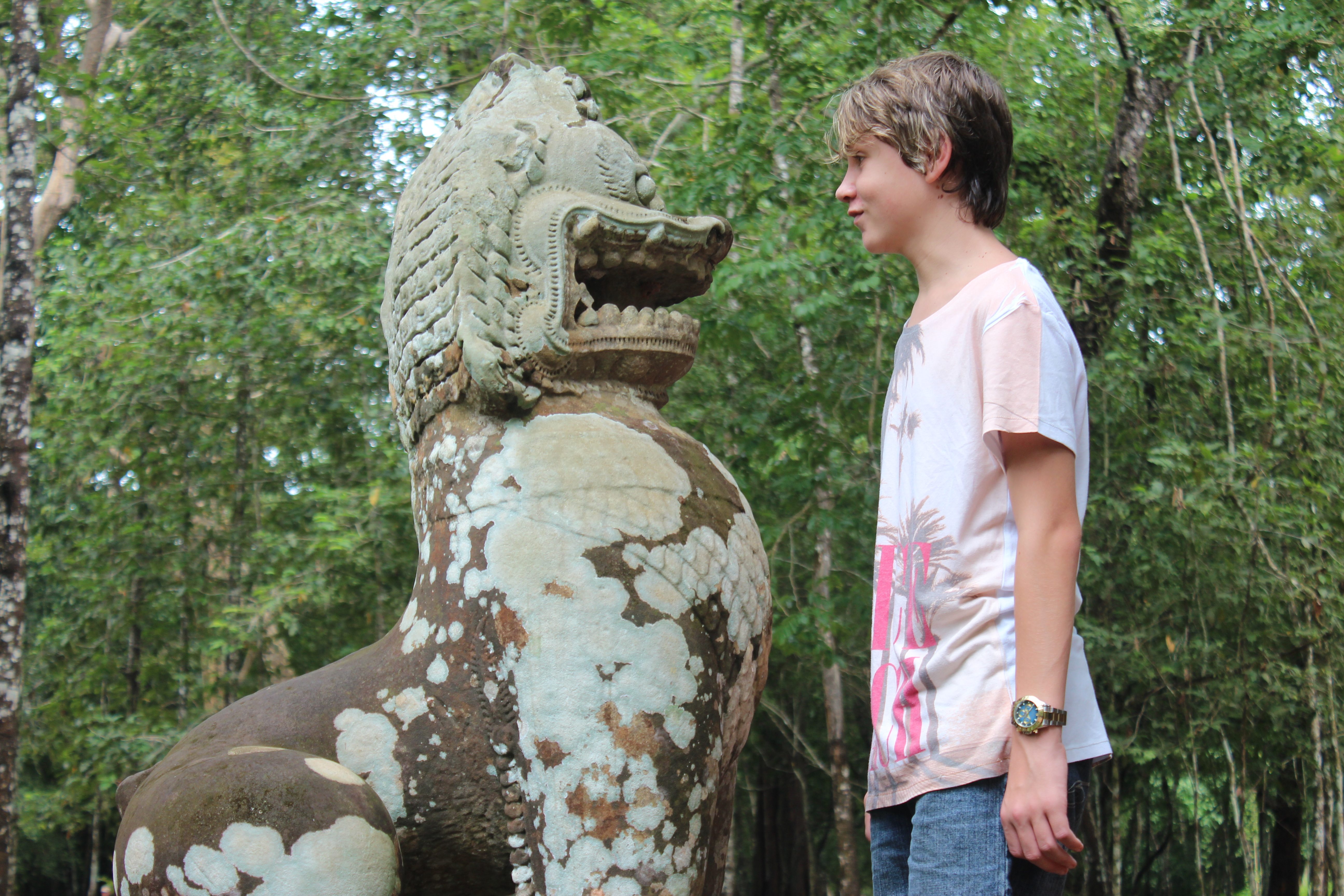
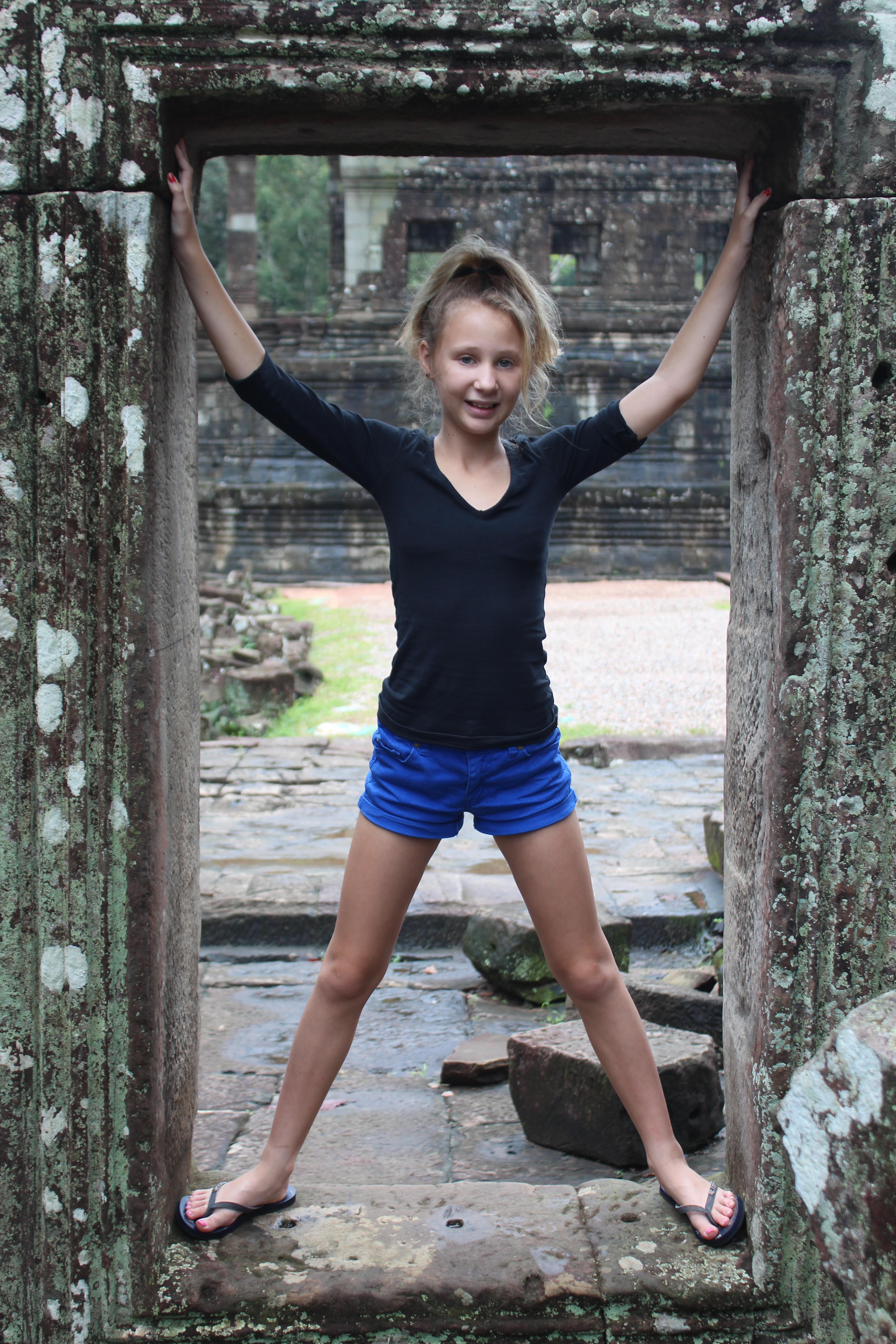
There’s a depth to Cambodia that stayed with me long after I returned home. Every moment there felt meaningful and unforgettable, I think it was that overwhelming sense of it being a country both healing and thriving and was currently caught somewhere inbetween. It is an irritating reality that many places defy description, for me Cambodia is an example of this. For a while you fumble with words tyring to find the narrative to explain what you’ve seen but in the end I was just happy I embraced my Sense of Adventure with eyes open and lived to see it for myself…….


 Sense of Adventure Required - by Jen
You must be logged in to post a comment.